Projects
Future ecologies: exploring multisensory, extended reality landscapes
Future ecologies: exploring multisensory, extended reality landscapes
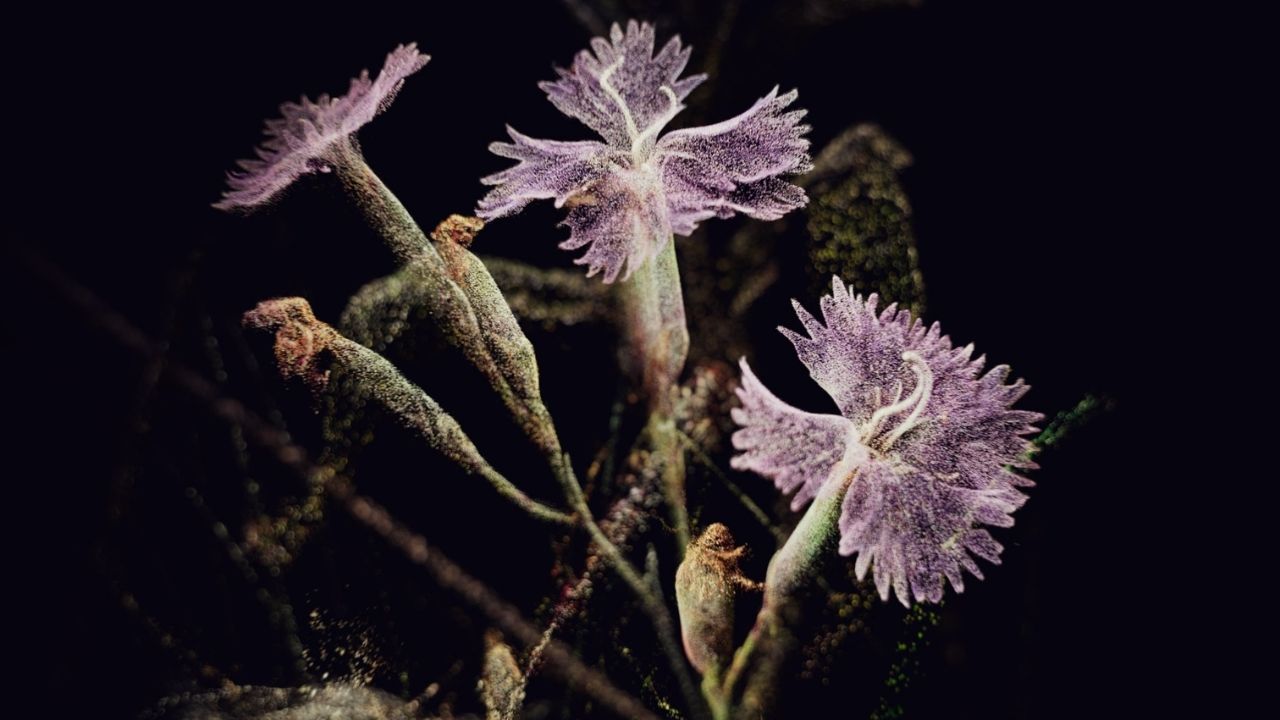
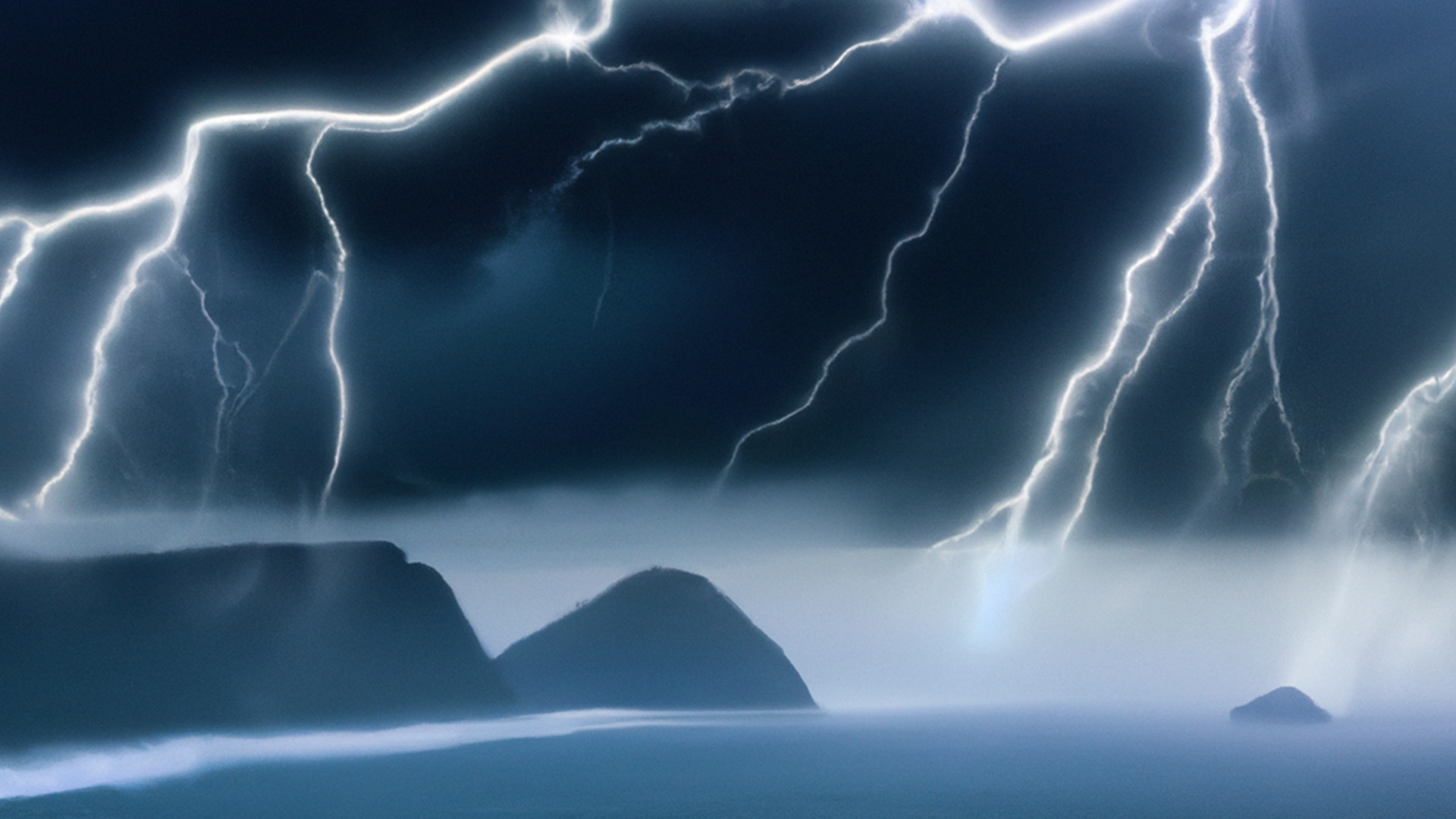
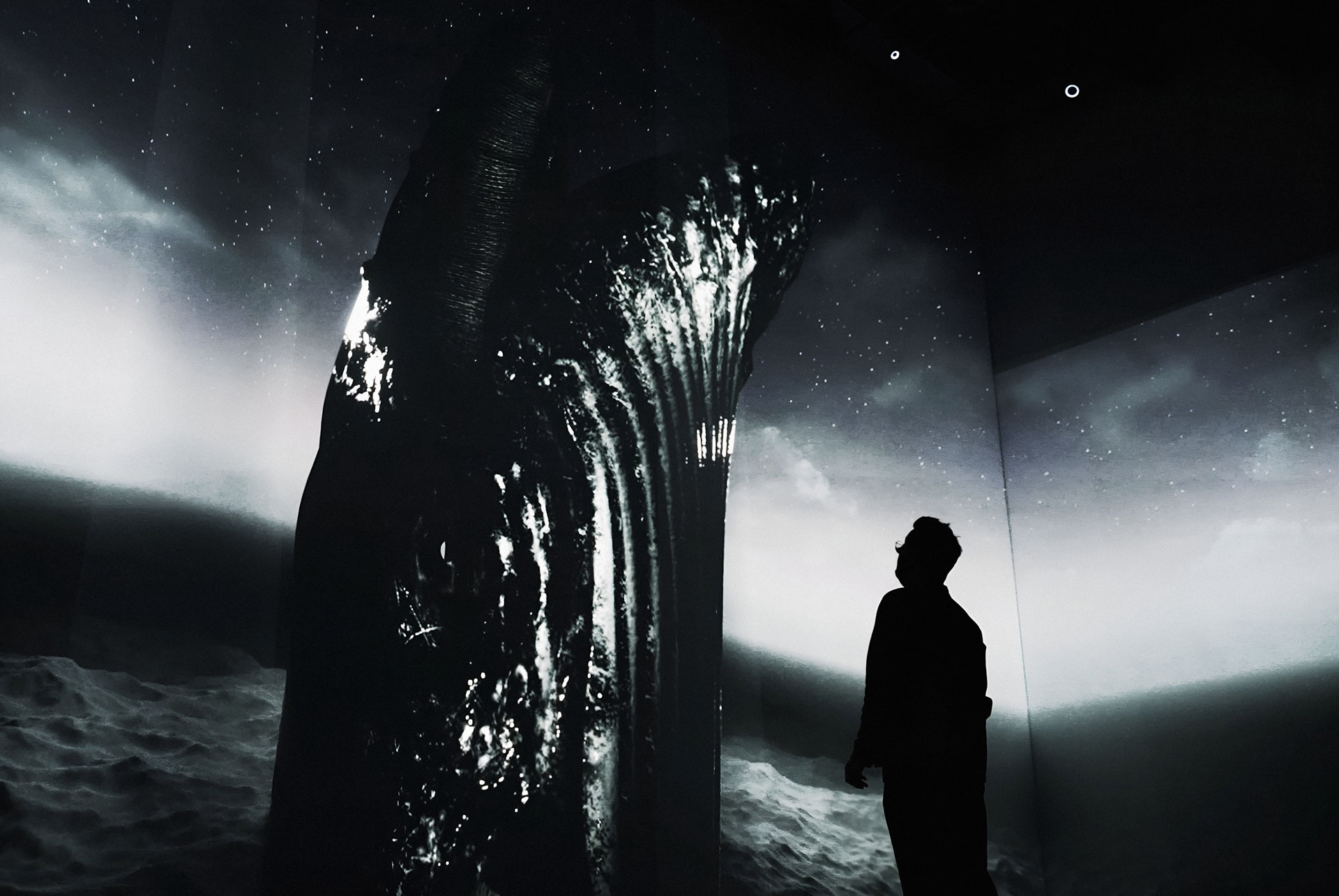
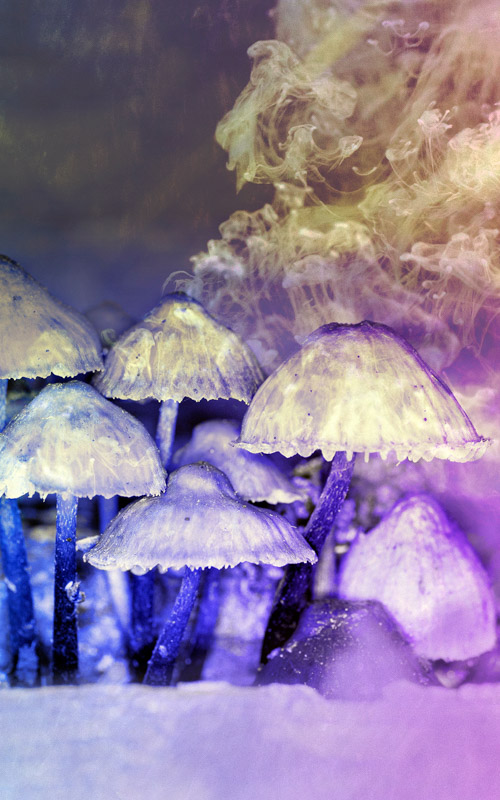
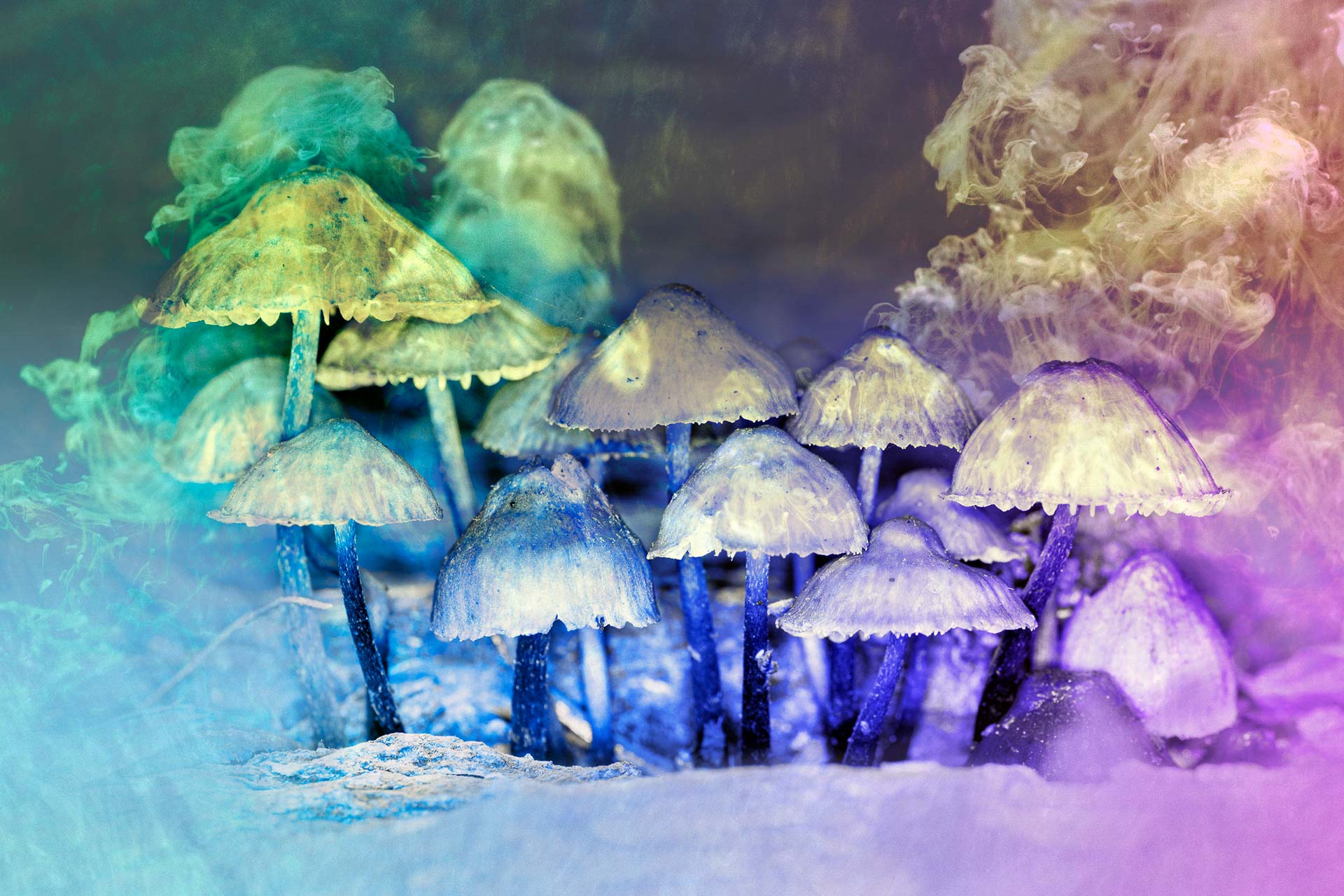
I investigated new ways of blending science and digital art to metamorphose natural landscapes and thereby create dynamic multisensory portals into future ecologies.
As part of this project, I’ve experienced, and experimented with, a number of innovative digital technologies: virtual reality, stereoscopic 180° image capture, 3D animation, digital visual effects, photogrammetry, LiDAR, field sound recording, biological MIDI data and multichannel soundscapes. This research and testing has allowed me to develop a solid groundwork in the immersive arts that will act as a springboard for future creative experimentation.
Explore
£5,000
Aims of the Project
The main goal of my project was to access vital training and specialist equipment that would allow me to integrate striking visual effects into my evolving digital landscapes.
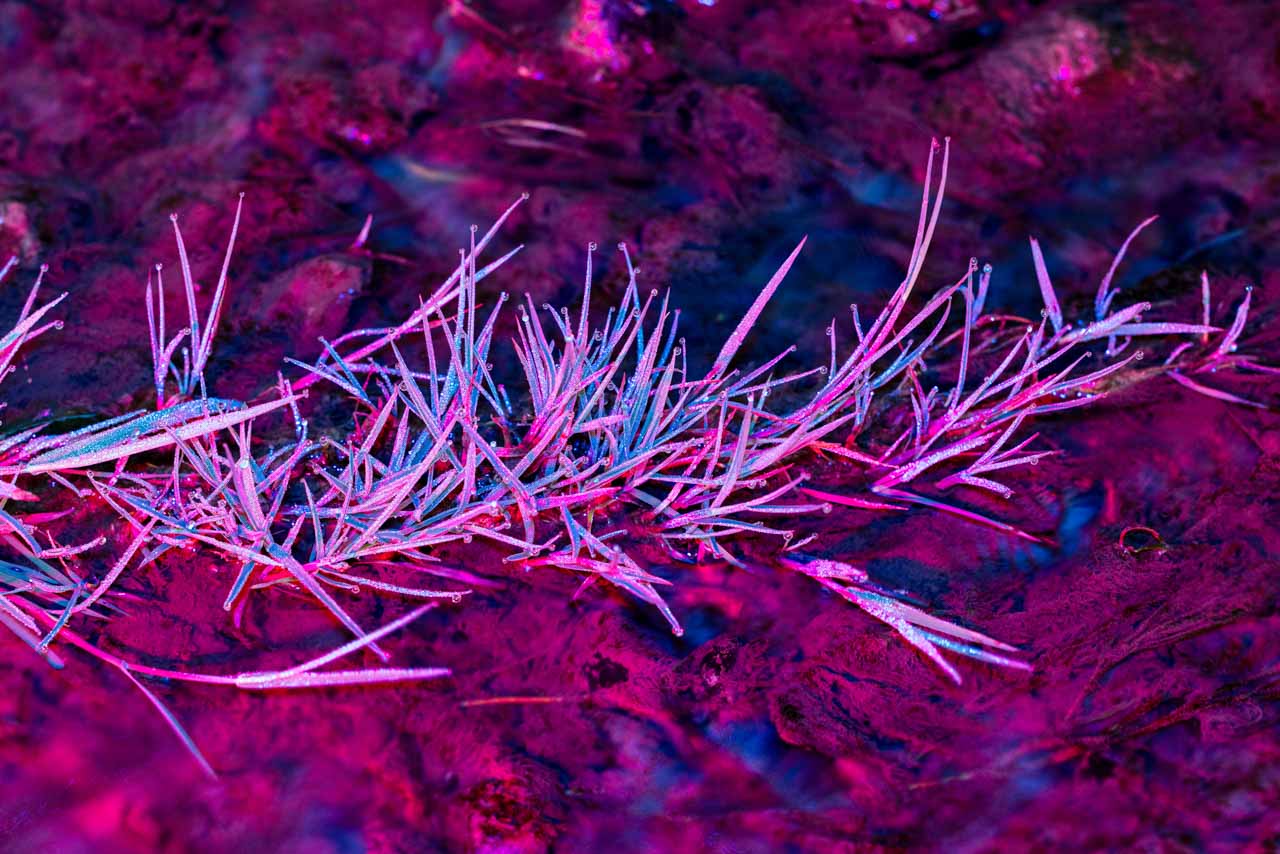
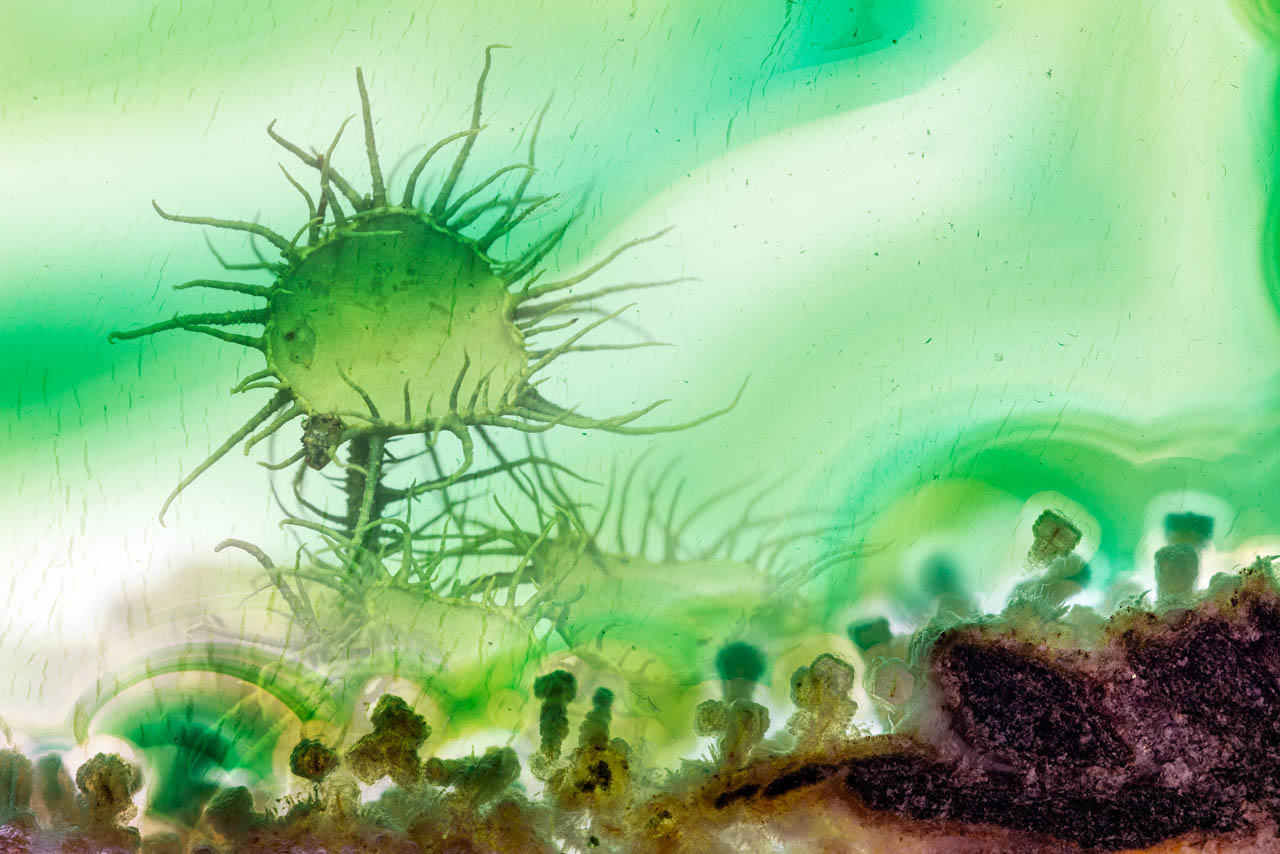
Firstly, I planned to explore the potential of using 3D animation, digital visual effects and motion graphics in order to merge abstract scientific imagery into real landscapes.
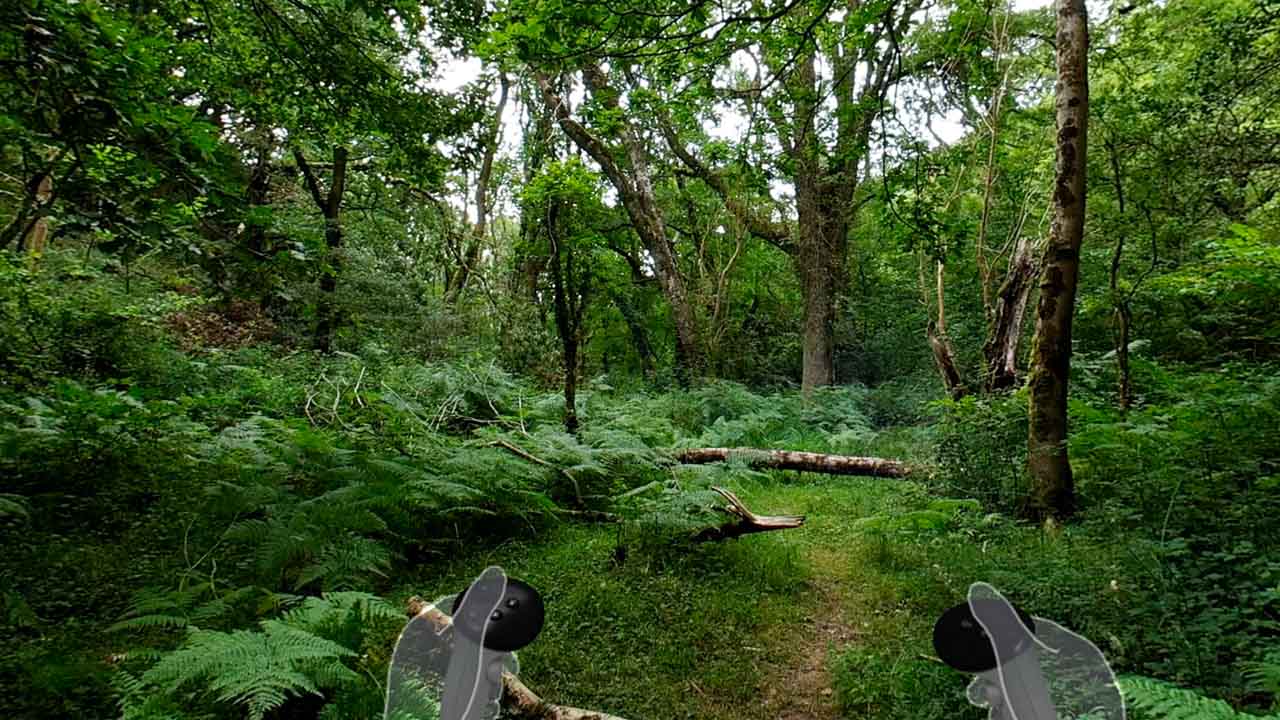
Secondly, I wanted to research ways of creating immersive and interactive virtual reality environments where users could explore surreal landscapes and access additional content (e.g., microscope imagery and sound data).
And thirdly, I wanted to make field recordings of nonhuman sounds (e.g., water, plants and soils) and synthesise the MIDI data to create an environmental soundscape with a sense of space and distance.
Digital art can be adapted to fit numerous scenarios and spaces thereby repeatedly engaging new audiences. It was this inherent mutability that I hoped to embrace by incorporating more immersive digital elements into my creative practice.
Before embarking upon this project, I’d have described myself as a visual artist but now, sound has become an integral and essential part of my creative practice.
How did they do that?
The first thing I did was to blend abstract scientific imagery into video footage of real landscapes using digital visual effects in Adobe Premiere Pro. I then went on to learn about 3D animation and motion graphics in Adobe After Effects. This led me to create several 3D models of small objects using photogrammetry.
3D Models
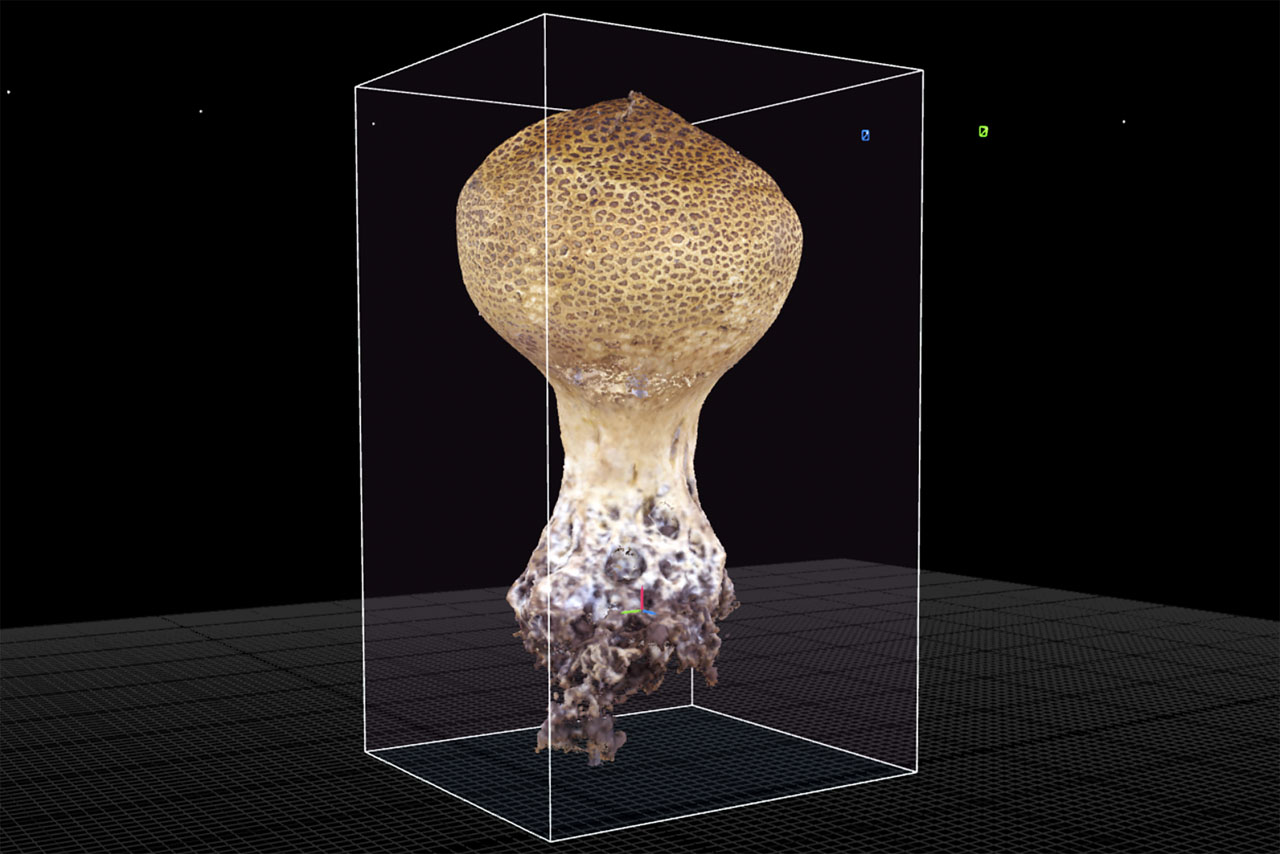
I tested different modelling software (Helicon Focus, Reality Capture and Polycam) and settled on Reality Capture as my favourite approach. To make a 3D model of a crystallised lichen, I combined 102 overlapping photographs in order to create a textured, digital mesh that I could manipulate in a digital environment.
180° stereoscopic video
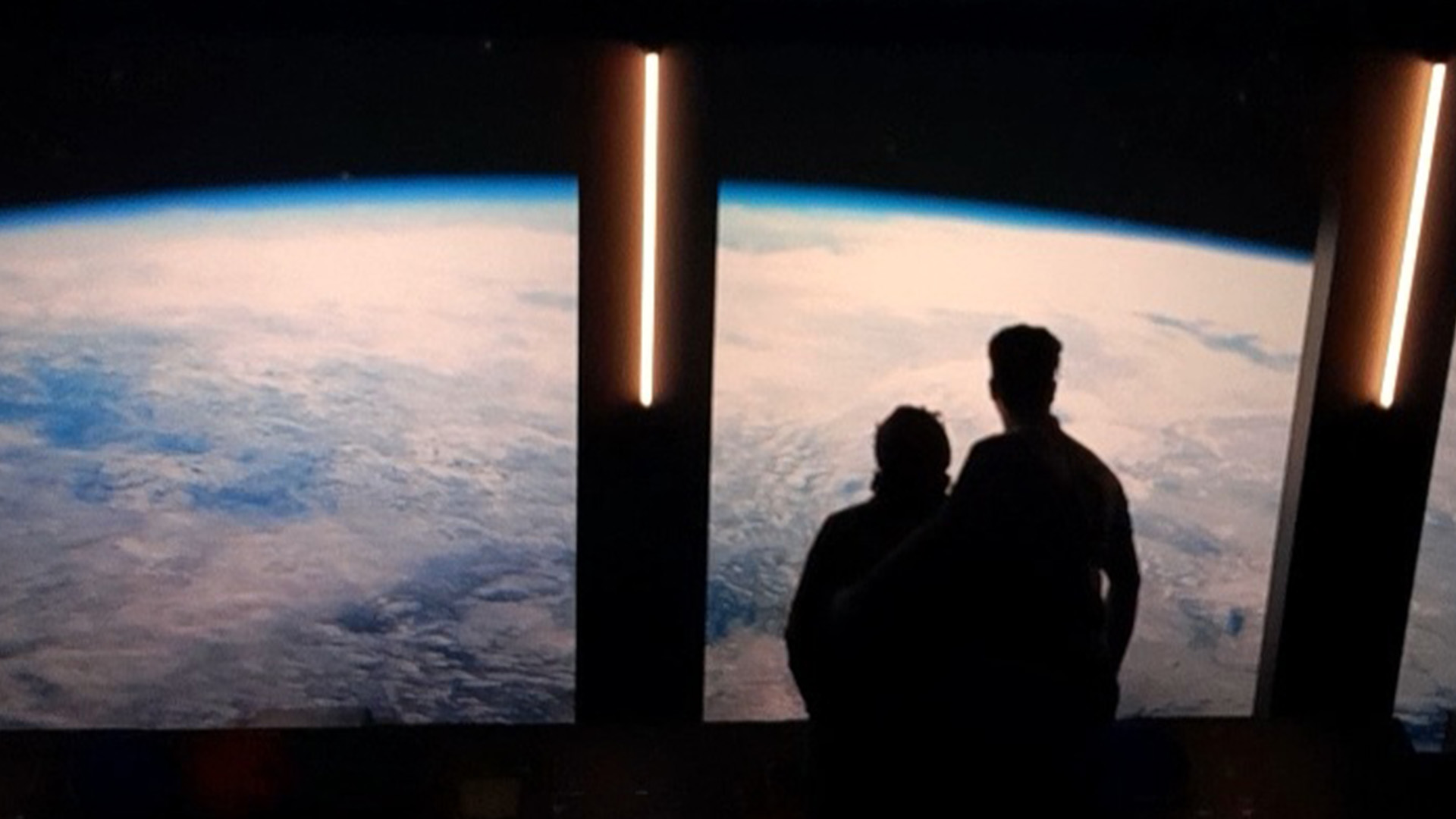
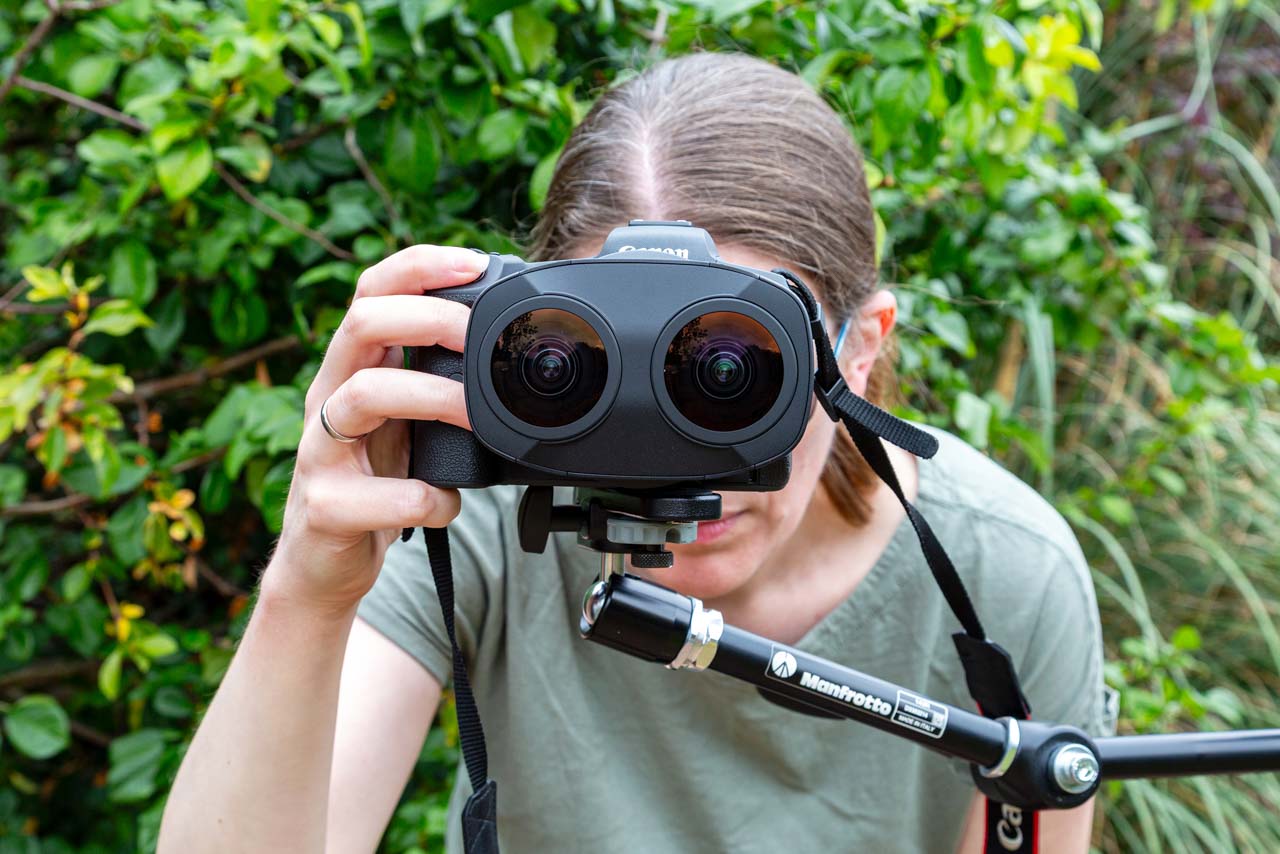
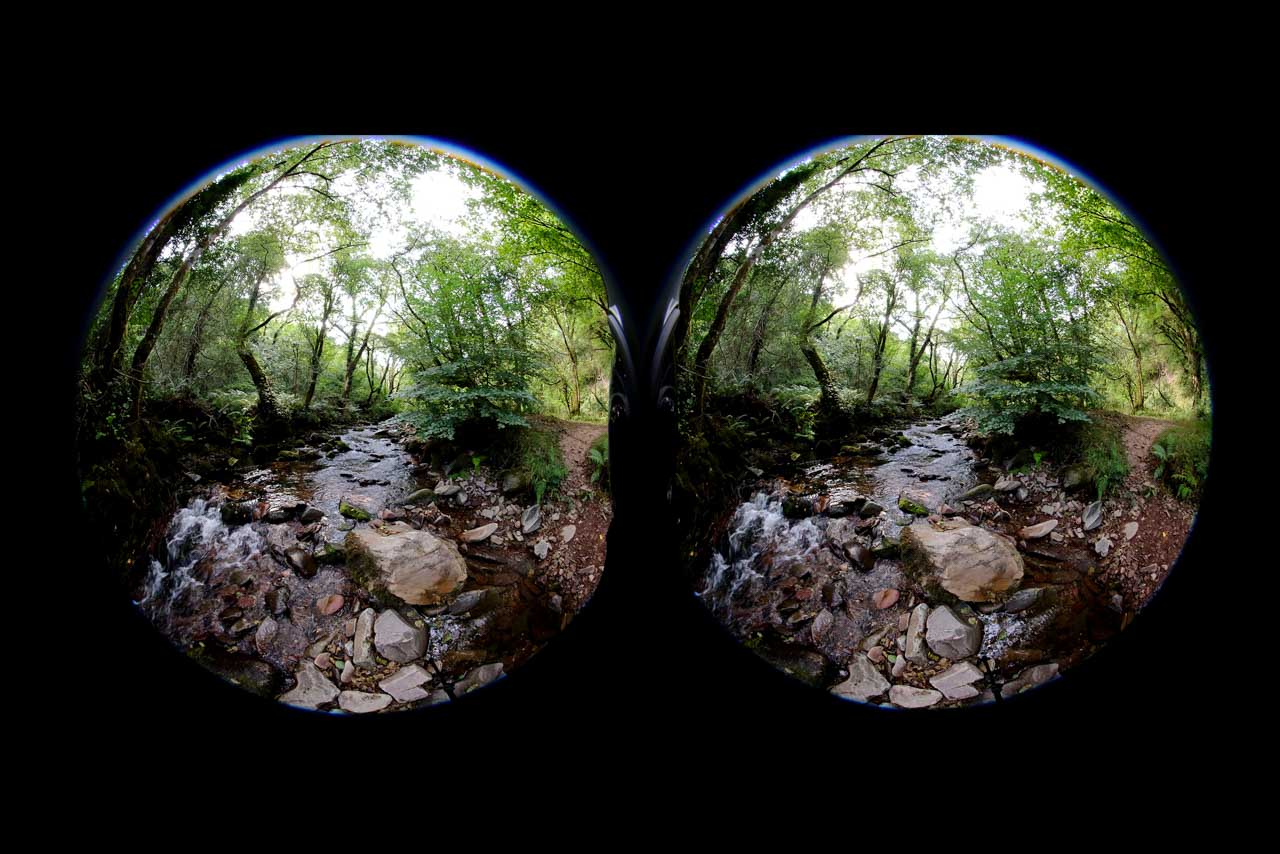
With this in mind, I also created several 180° stereoscopic videos of local landscapes using a Canon dual fisheye lens for VR production and edited the footage using the Canon EOS plug-in for Adobe Premiere Pro. I then tested the 3D film in a Meta Quest MR headset. The experience was absolutely incredible and I’m excited to continue experimenting with this technology. Having said that, I’ve also learned that I experience some motion sickness when using a VR headset so this is something that I’ll need to address in my future research and development.
Sound
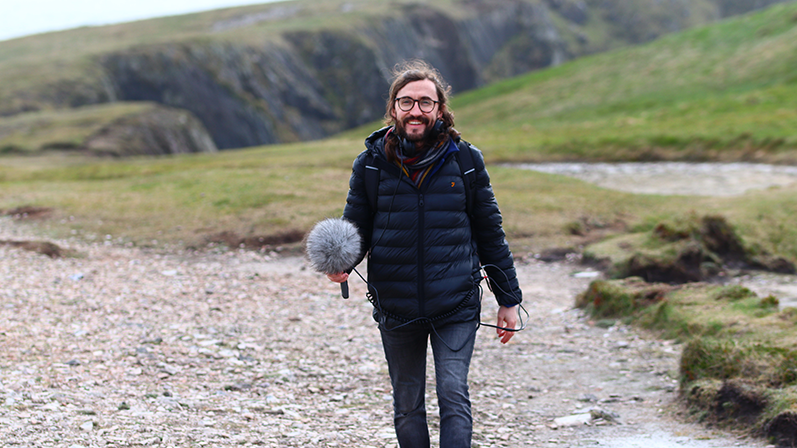
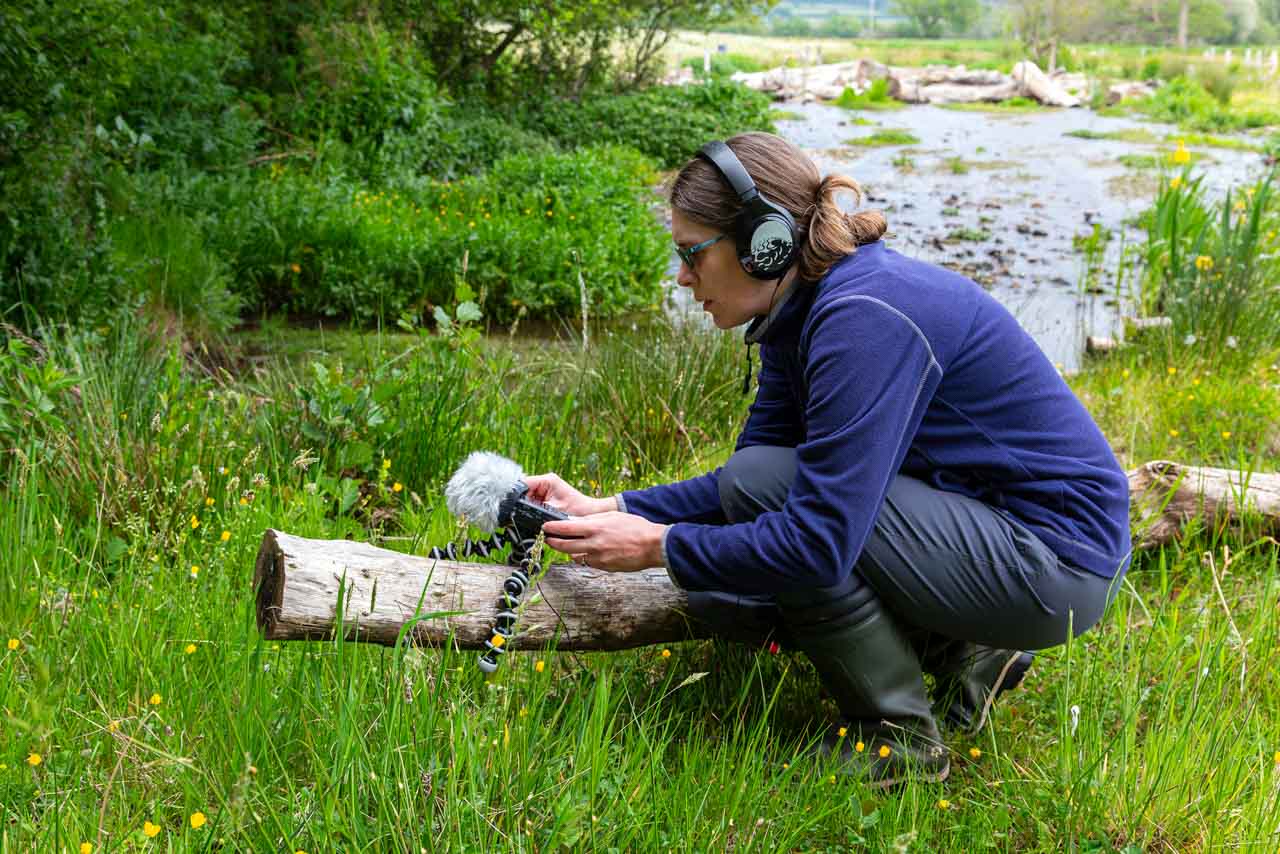
I’ve also been making field sound recordings of nonhuman sounds (e.g., water, wind, birdsong) using a Tascam audio recorder and I’ve collected MIDI data from living plants using a Biotron controller and Koala Sampler app. I synthesised music from MIDI data using Ableton Live and combined it with mono/stereo field sound recordings to create a multichannel, environmental soundscape. I’ve discovered that introducing sound into a visual artwork completely changes the experience. The sense of immersion and the emotional response are so much stronger when audio is involved; landscapes simply feel empty without it. Consequently, I now consider sound to be a crucial part of how I’ll create my future immersive, multisensory landscapes.
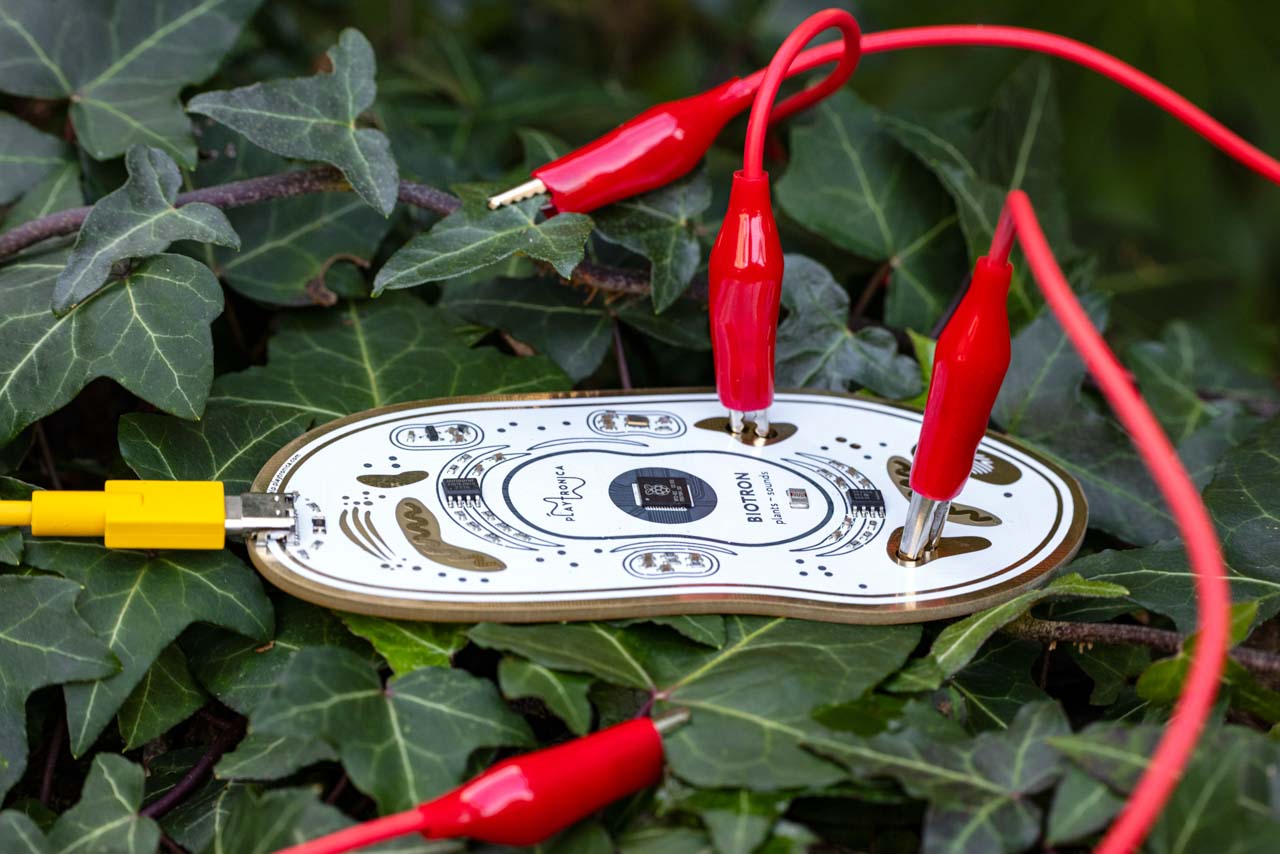
Biotron midi controller
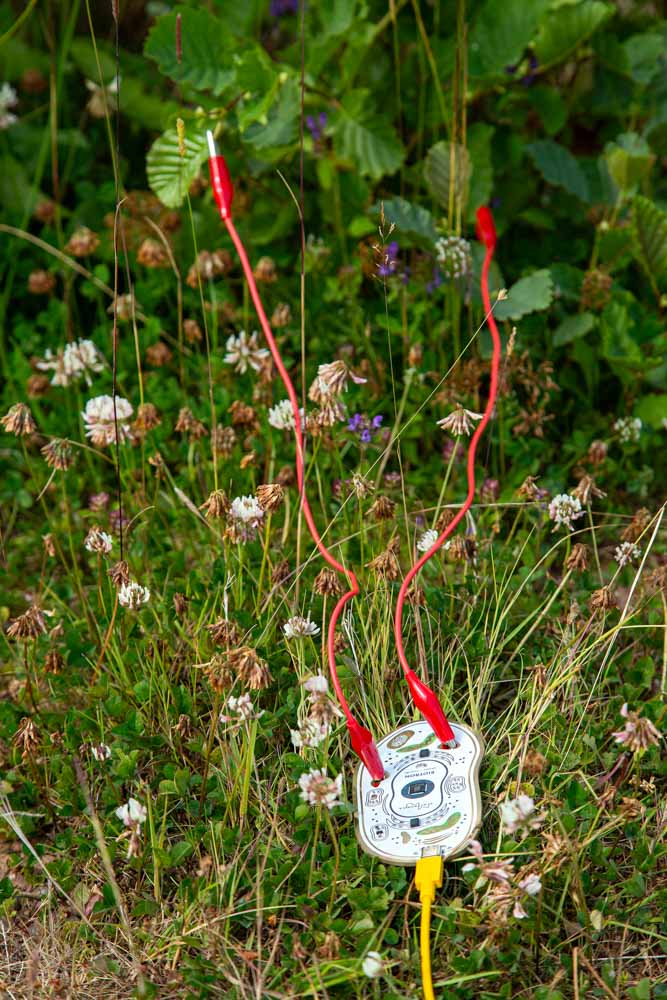
I’ve collected MIDI data from living plants using a Biotron controller and Koala Sampler app.
Photogrammetry & MIDI audio
Crystallised lichen
To make a 3D model of a crystallised lichen, I combined 102 overlapping photographs in order to create a textured, digital mesh that I could manipulate in a digital environment.
Project Diary
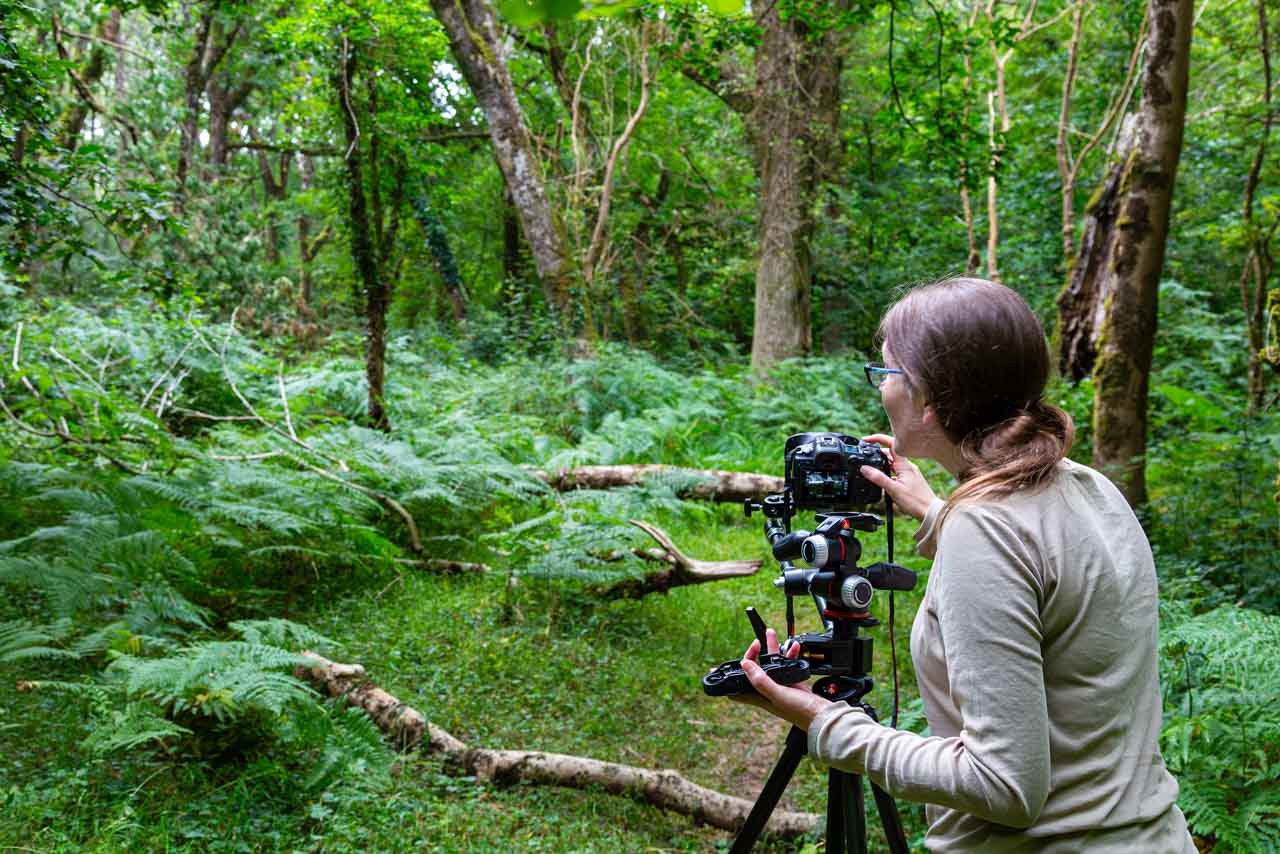
Meet the artist
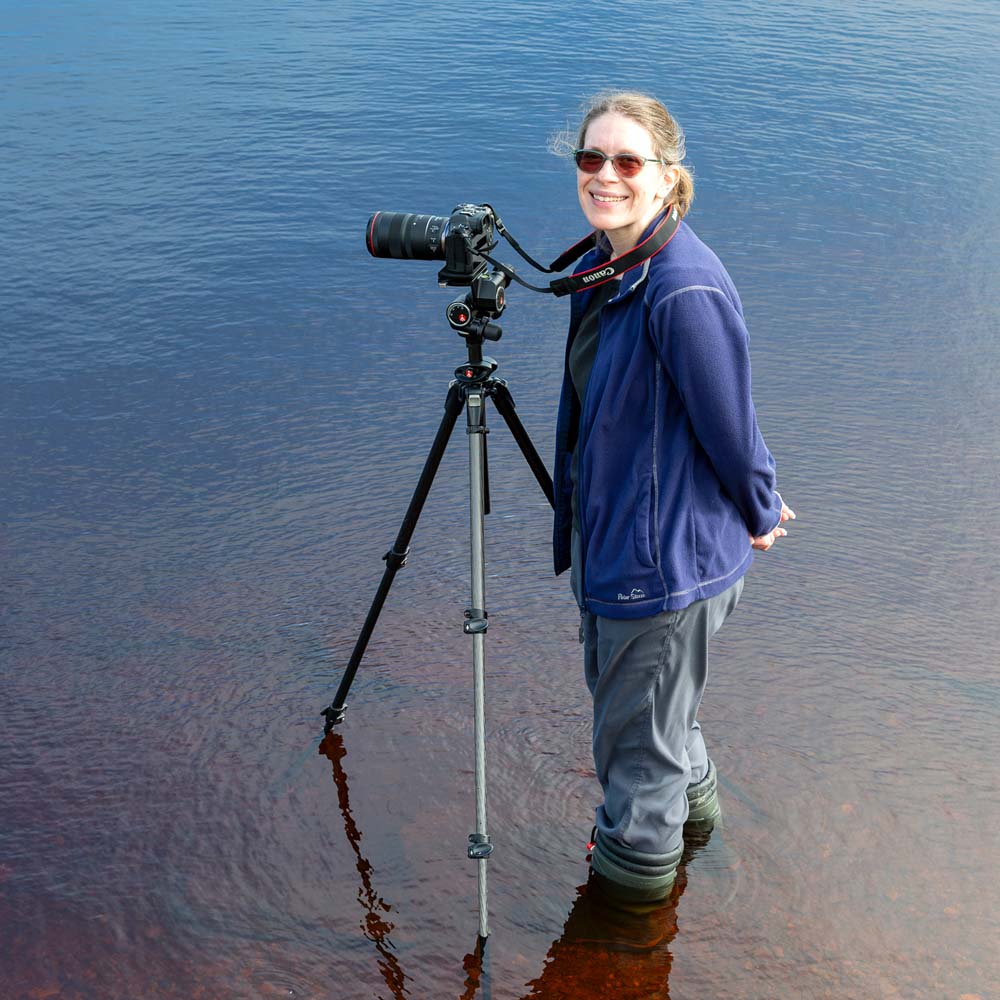
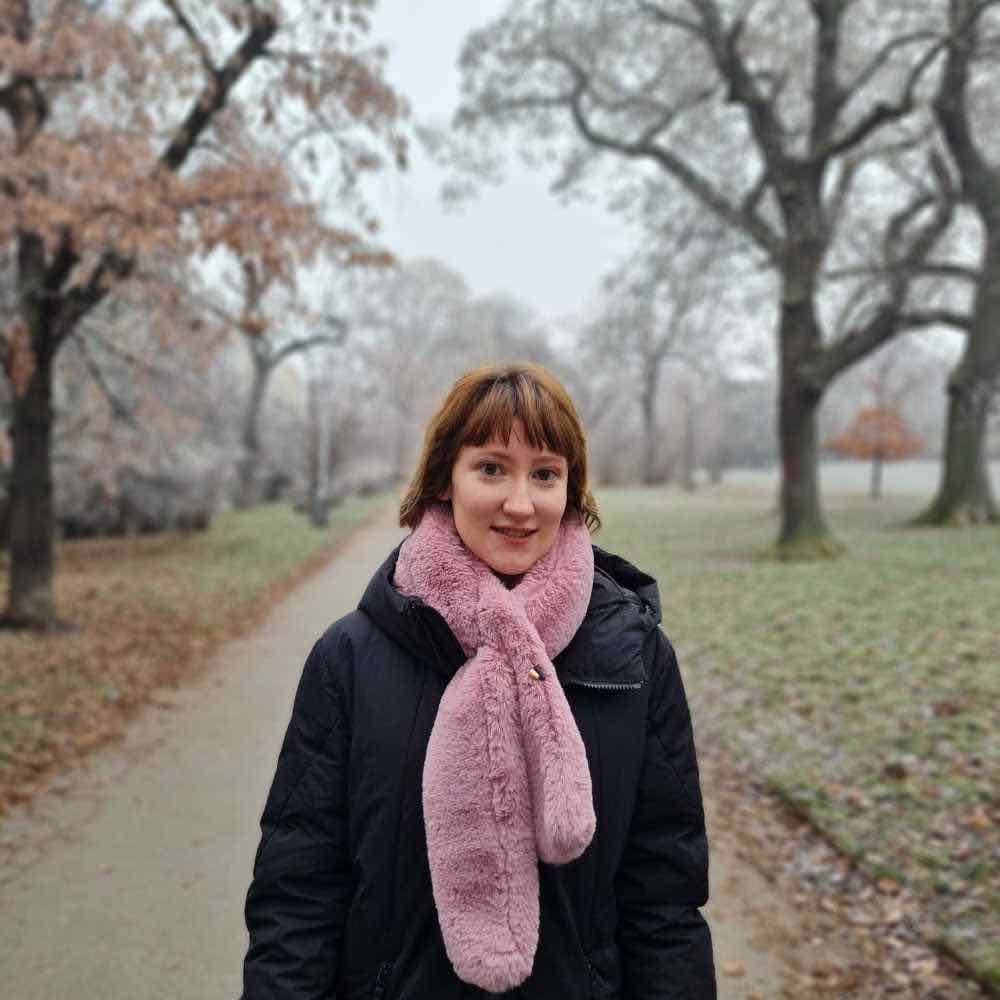
Elizabeth Woodger
Lead artist
she/her
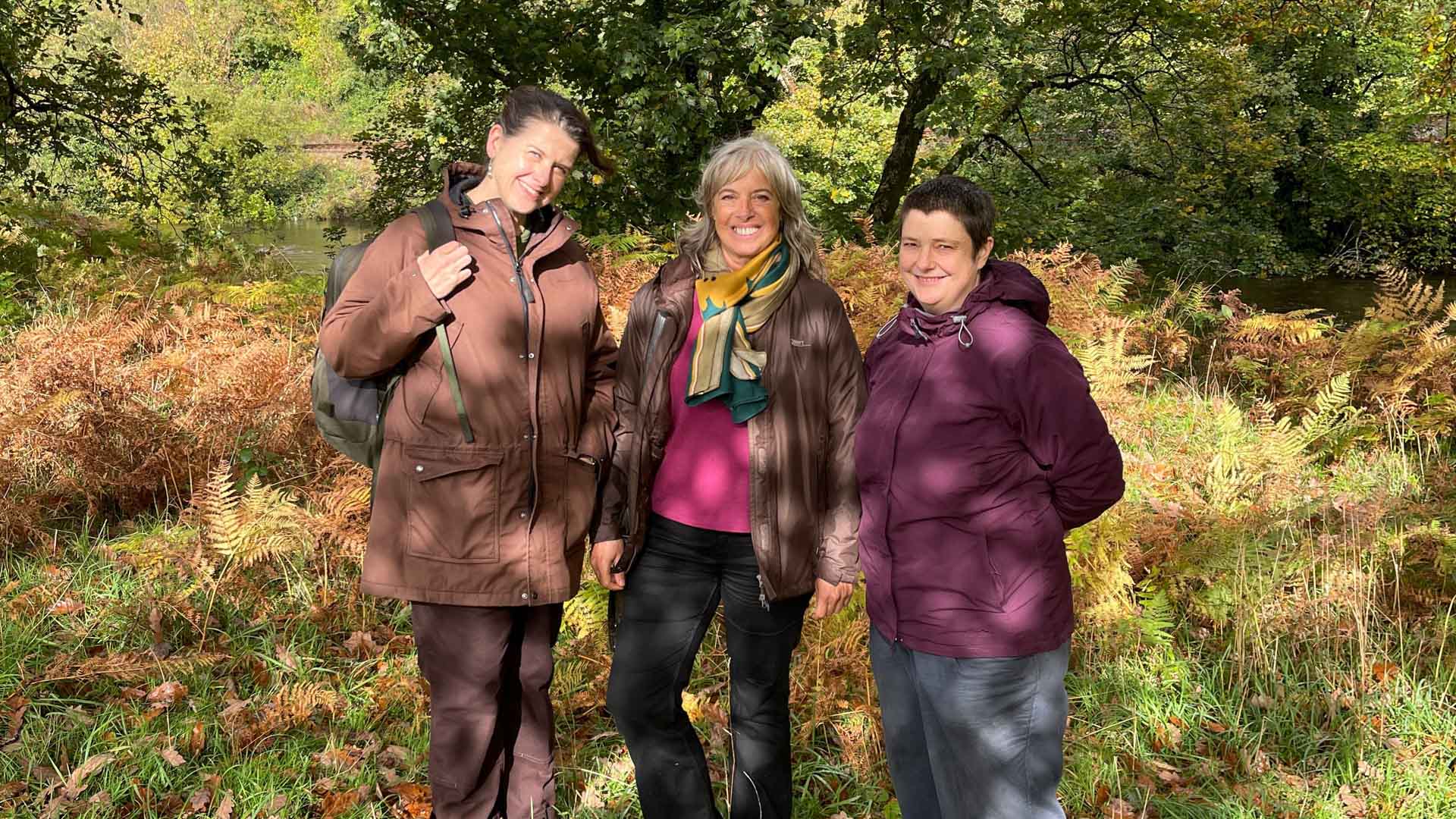
I’m an interdisciplinary photographic artist based near Exmoor in Somerset.
As a former geologist, my creative practice represents a form of environmental and ecological research; I investigate how landscapes have been shaped and how they respond to human influence.
Fifteen years ago, I was researching past greenhouse climates as a potential analogue for future climate change. Since then, I’ve retrained as a visual artist, but my desire to communicate stories about the natural world remains unchanged.
In essence, my creative practice aims to raise awareness of global environmental issues by metamorphosing the natural elements of my local landscape.
The Explore funding has completely revolutionised my creative practice The skills I've gained have opened up a whole new world of artistic possibilities and I'm so excited to continue experimenting with them.