Projects
Lost Communications: Underwater
Lost Communications: Underwater
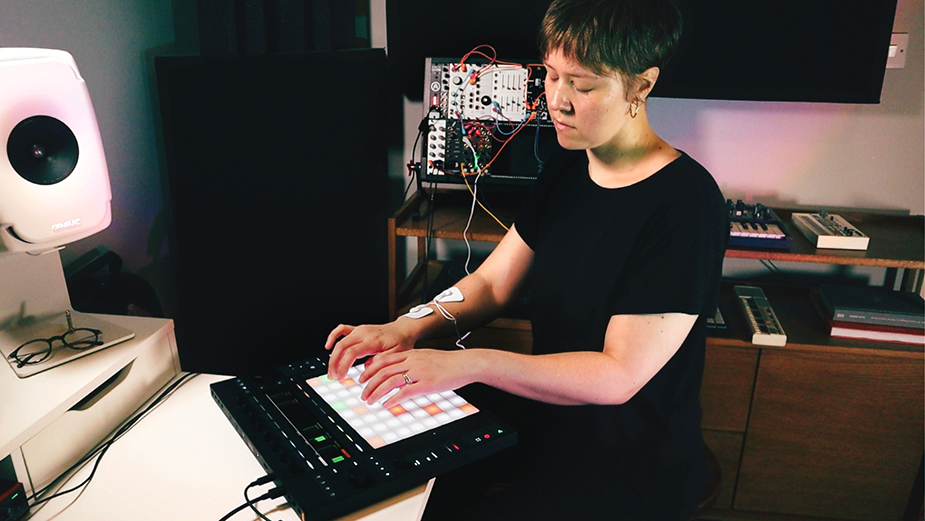
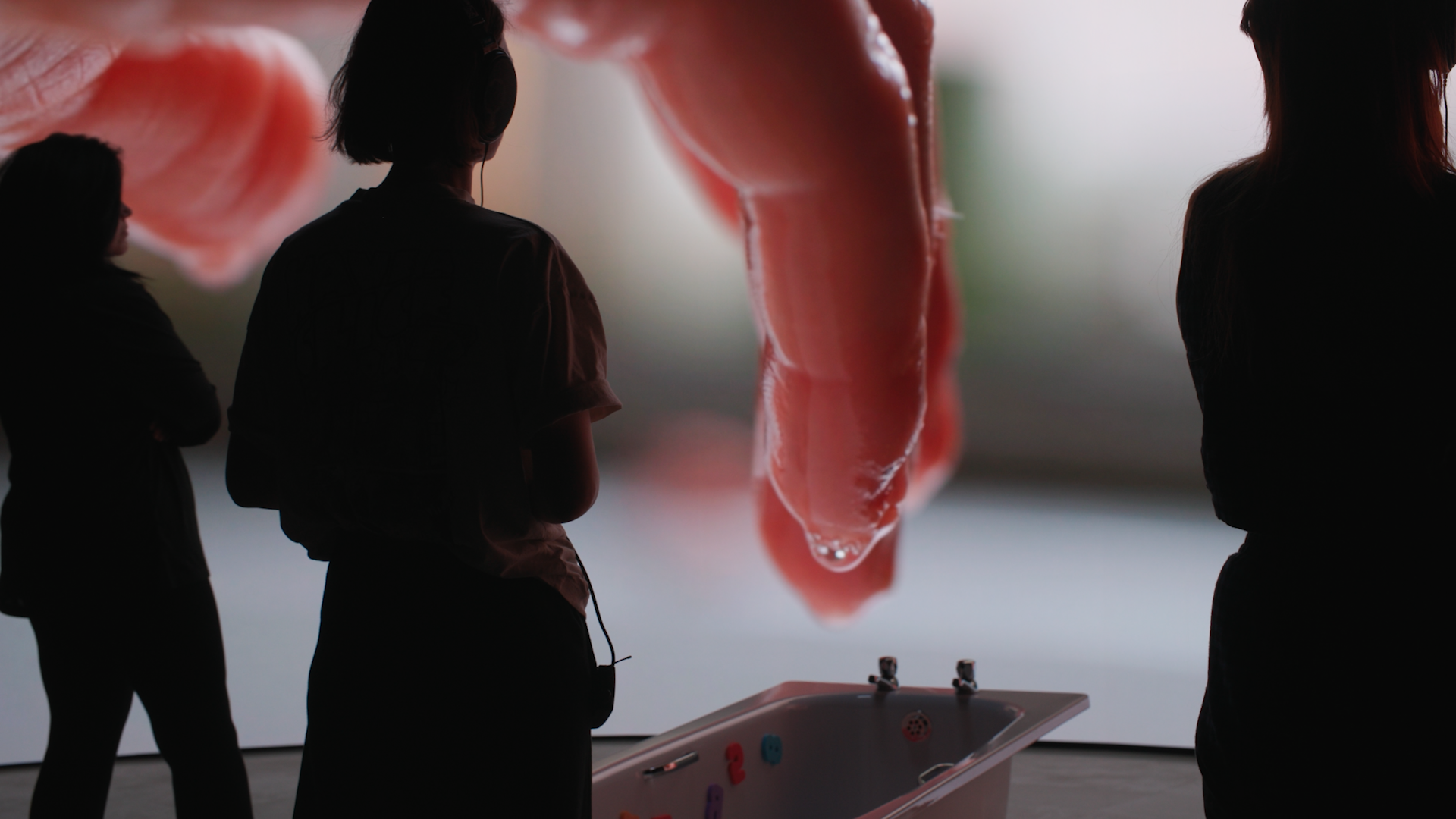
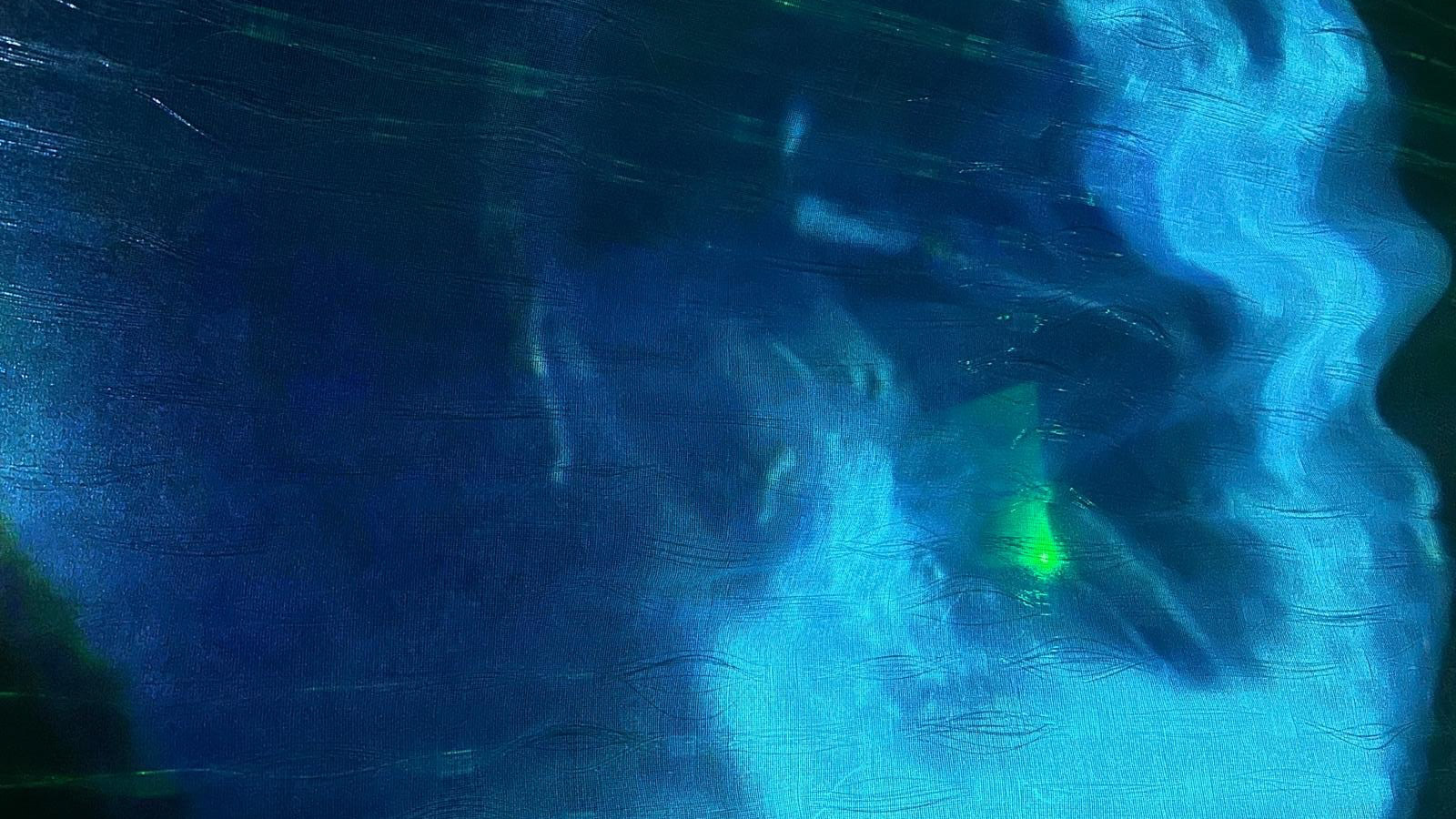
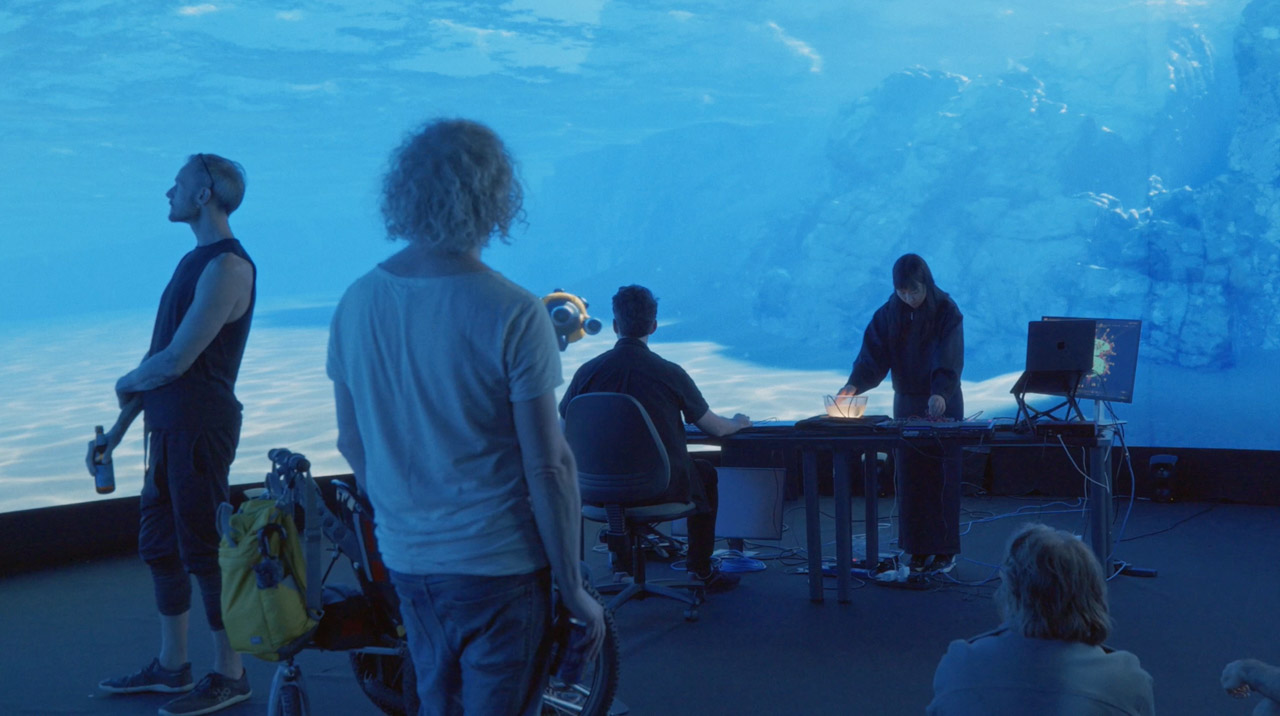
A new live performance project by An-Ting, electronic musician, & Ian Gallagher, creative technologist, that explores the acoustic world of marine life.
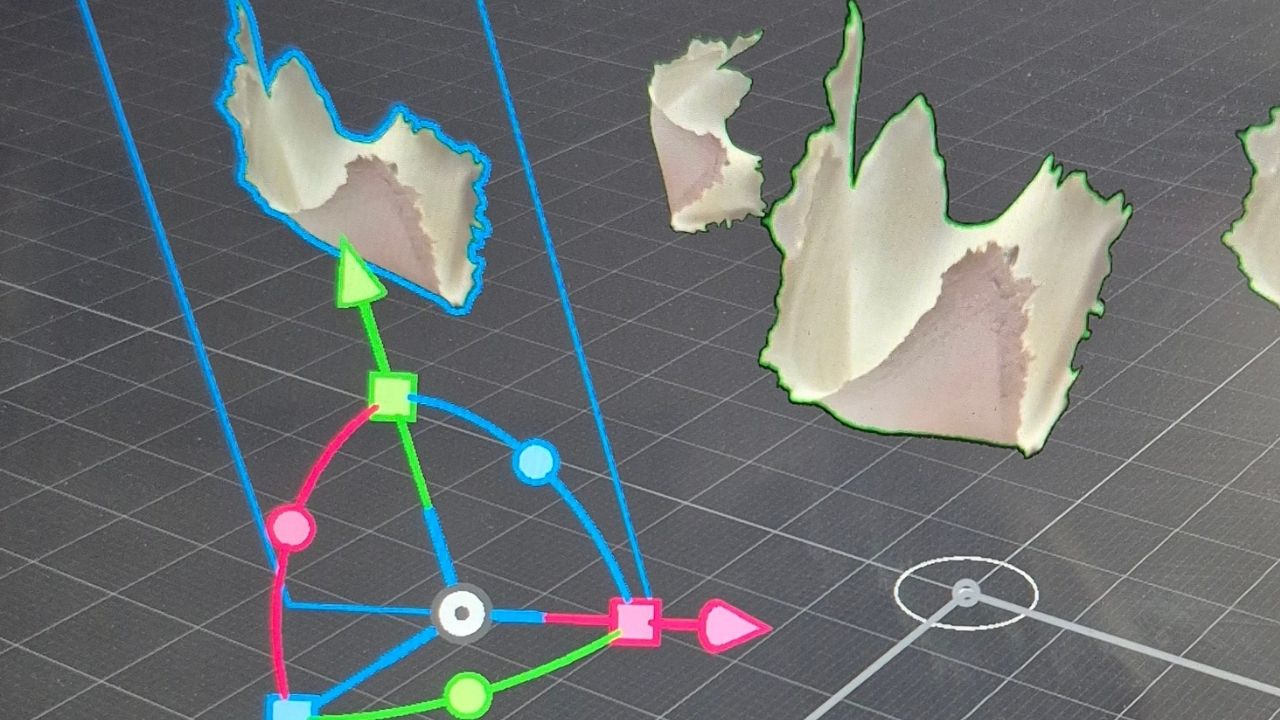
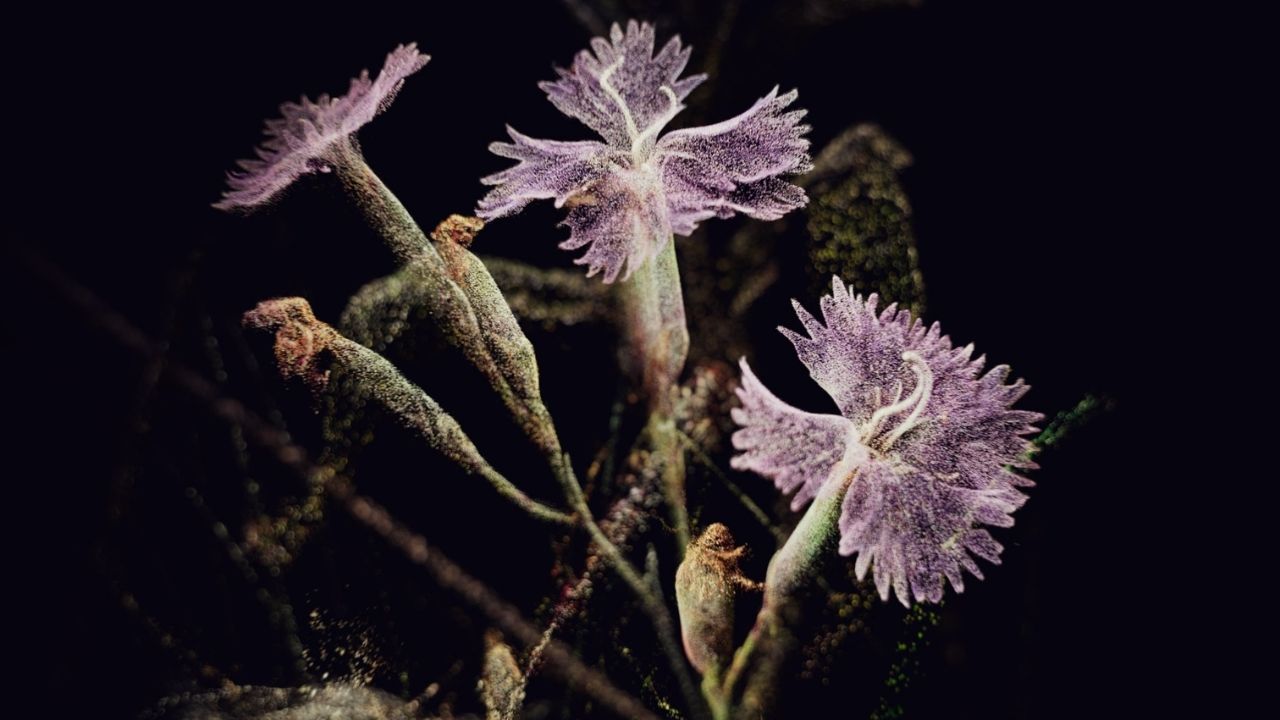
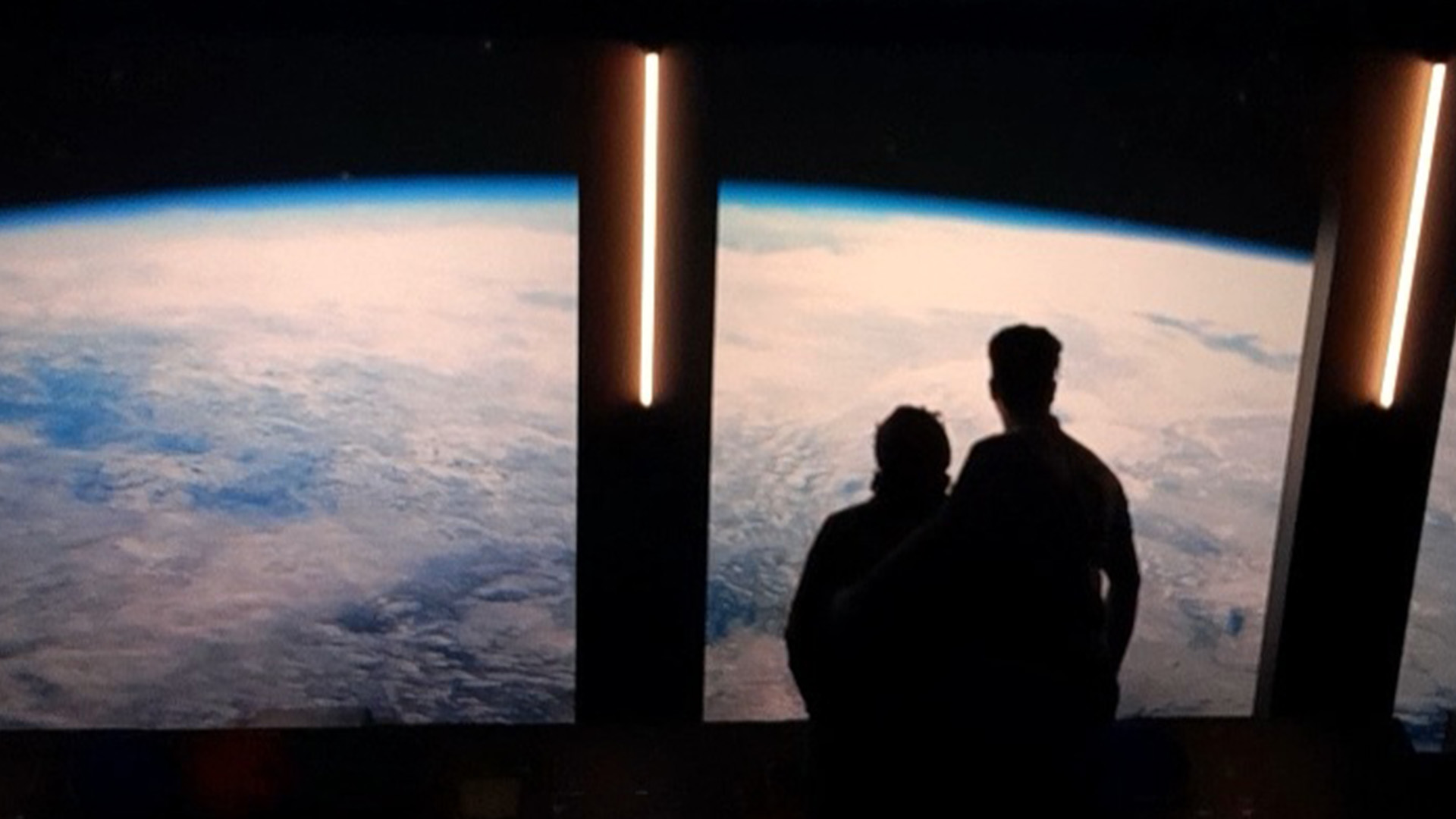
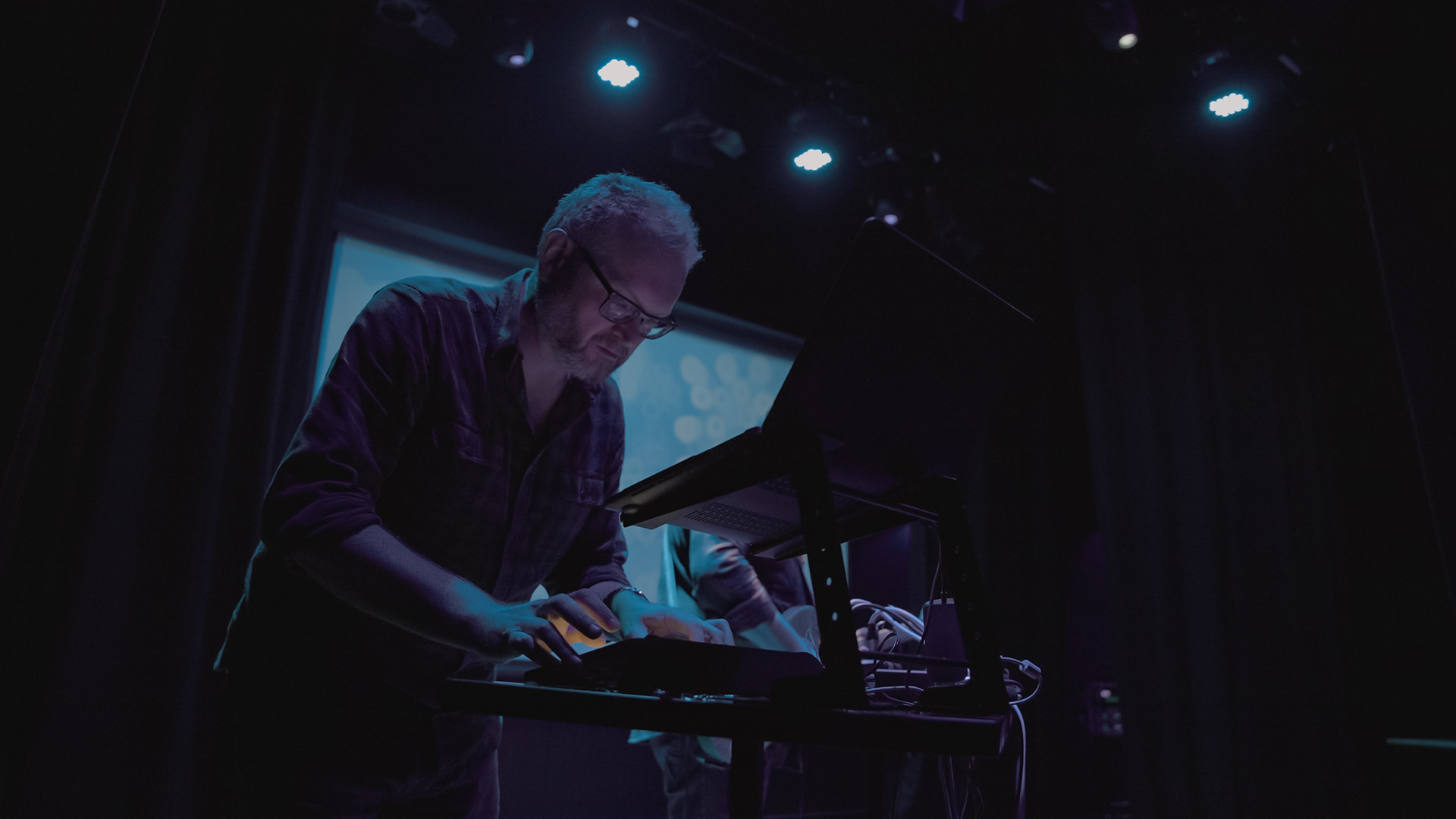
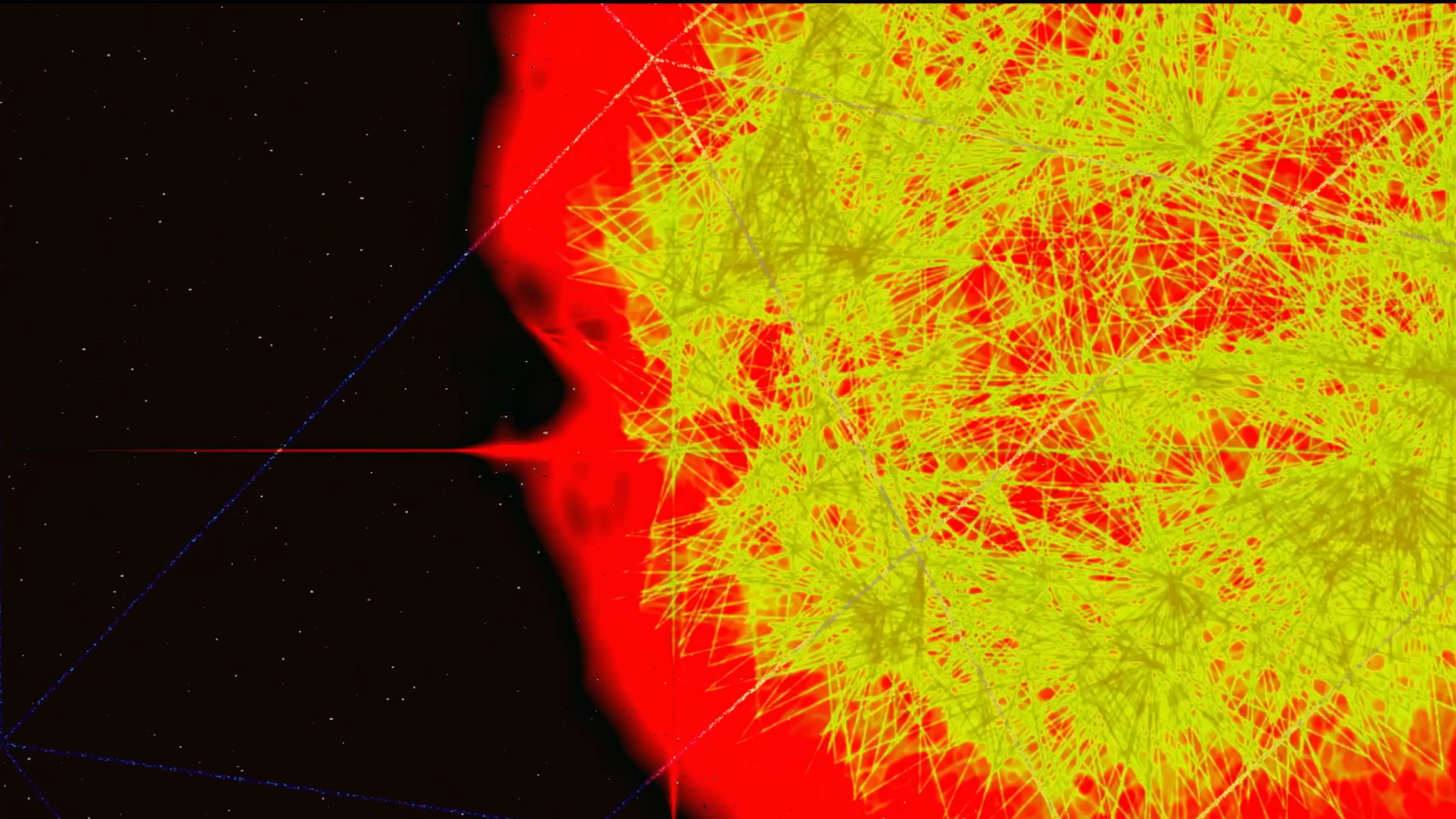
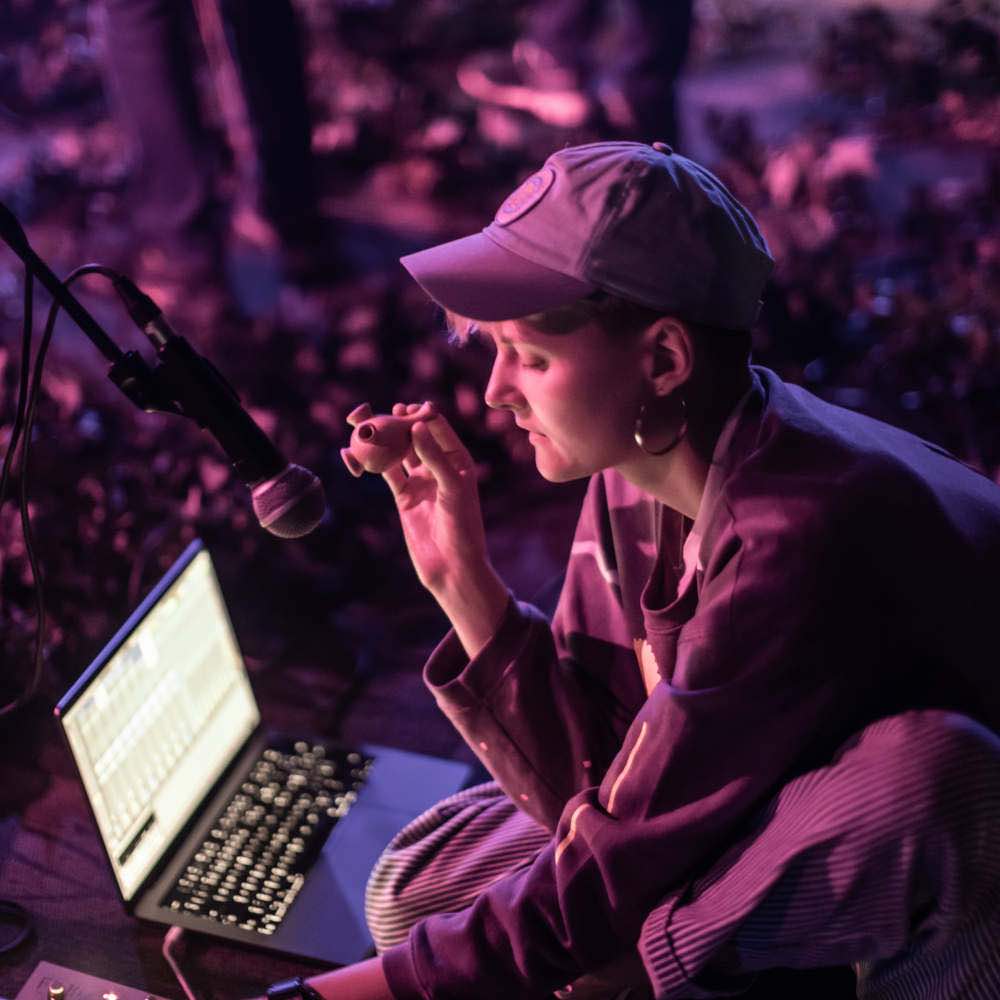
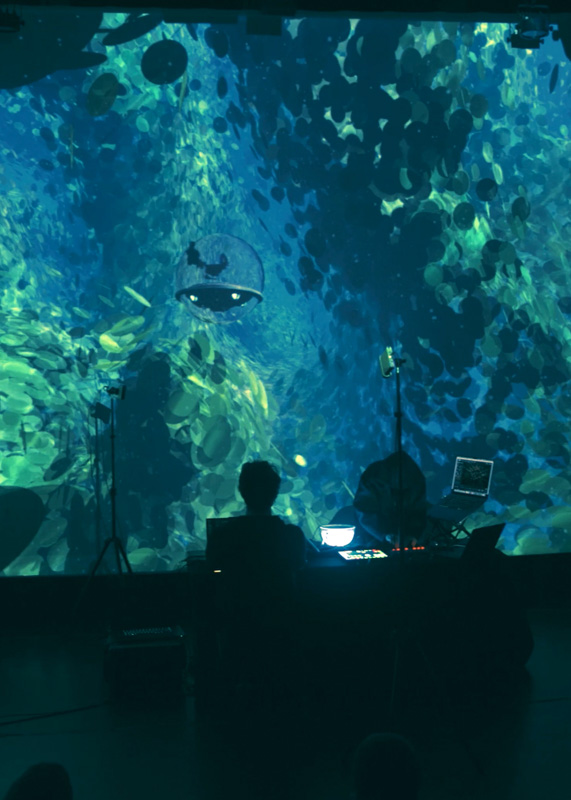
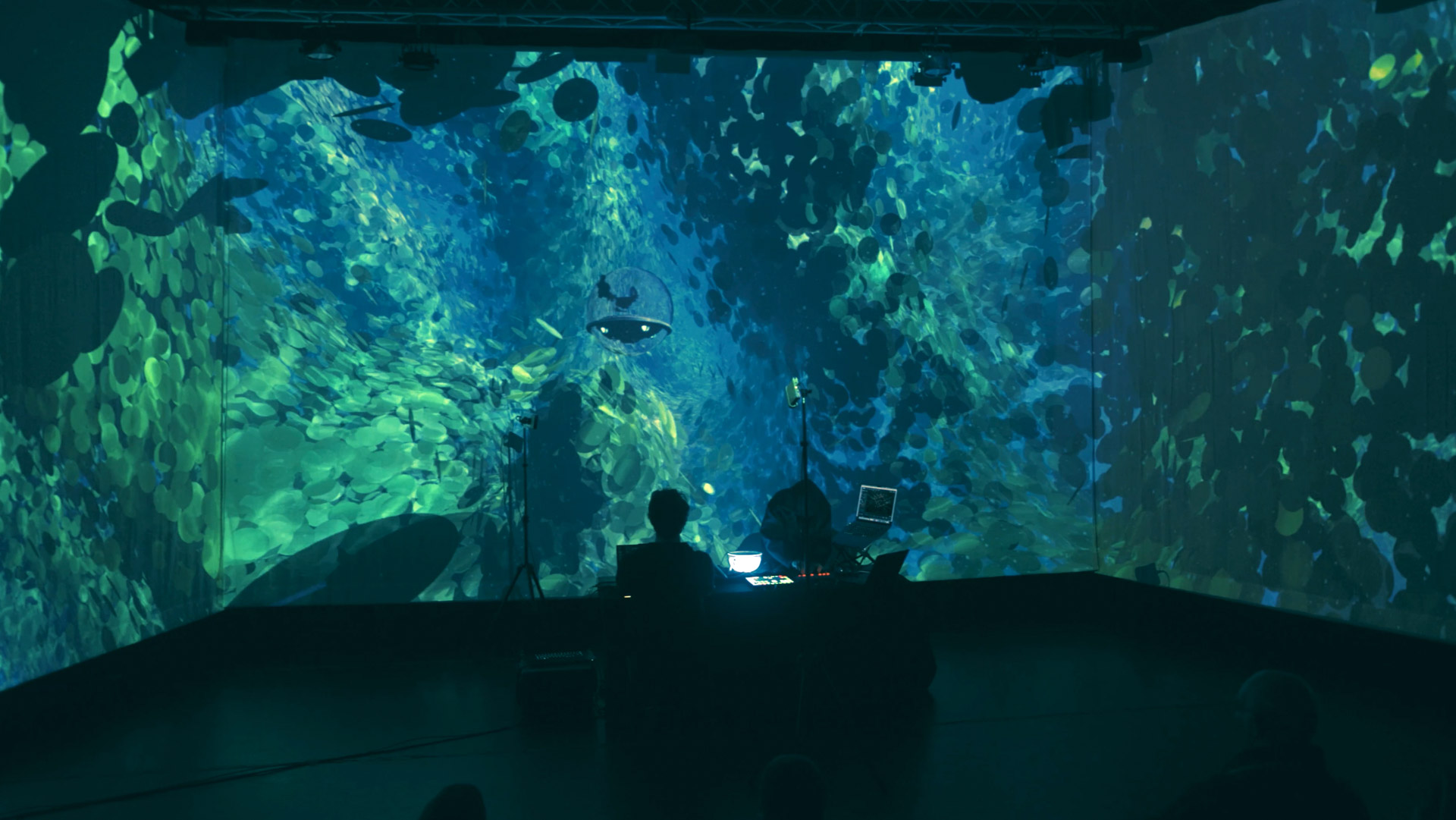
Using their DIY 360-degree hydrophone set, immersive compositions, and Unreal Engine, the duo record sounds from coral reefs, fish, whales and other underwater creatures, integrating them into original 3D compositions and visuals.
The result is a unique underwater soundscape brought to life through a multi-sensory hybrid online and in-person performance, engaging the audience to an immersive world of different dimensions.
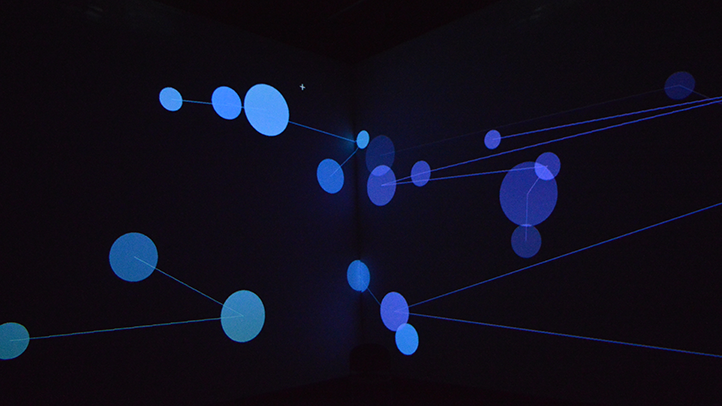
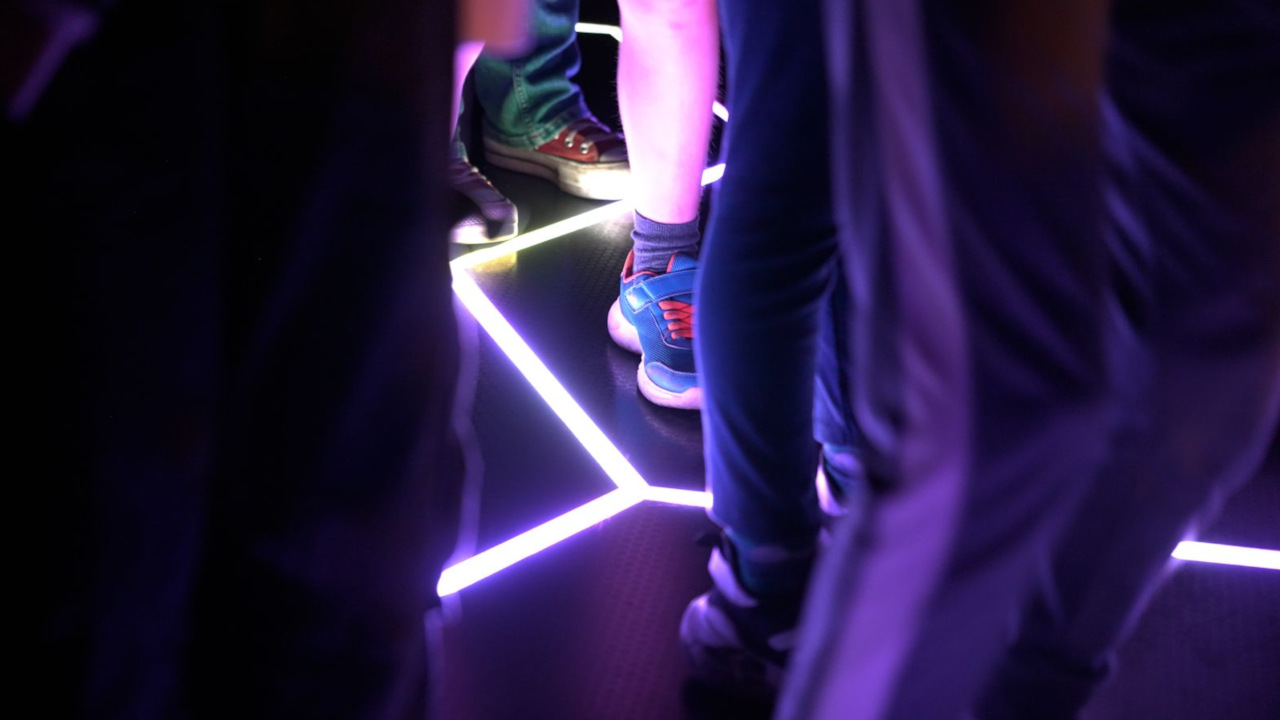
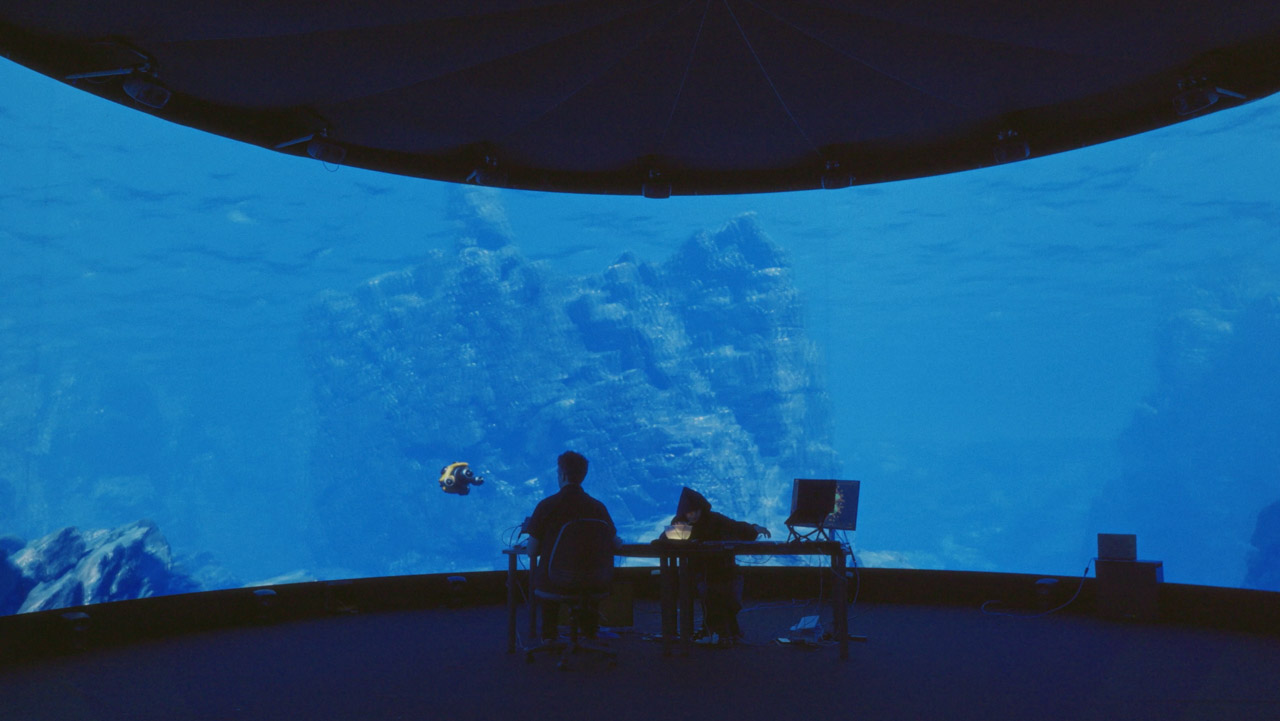
Using cutting-edge AI technology, they transform underwater sounds into a 3D digital world with dynamic visuals, allowing audiences to experience a magical underwater world through three formats: VR, desktop (digital), and projections (physical). For the online version, in-person audio-visual performance is added with interactive gaming elements.
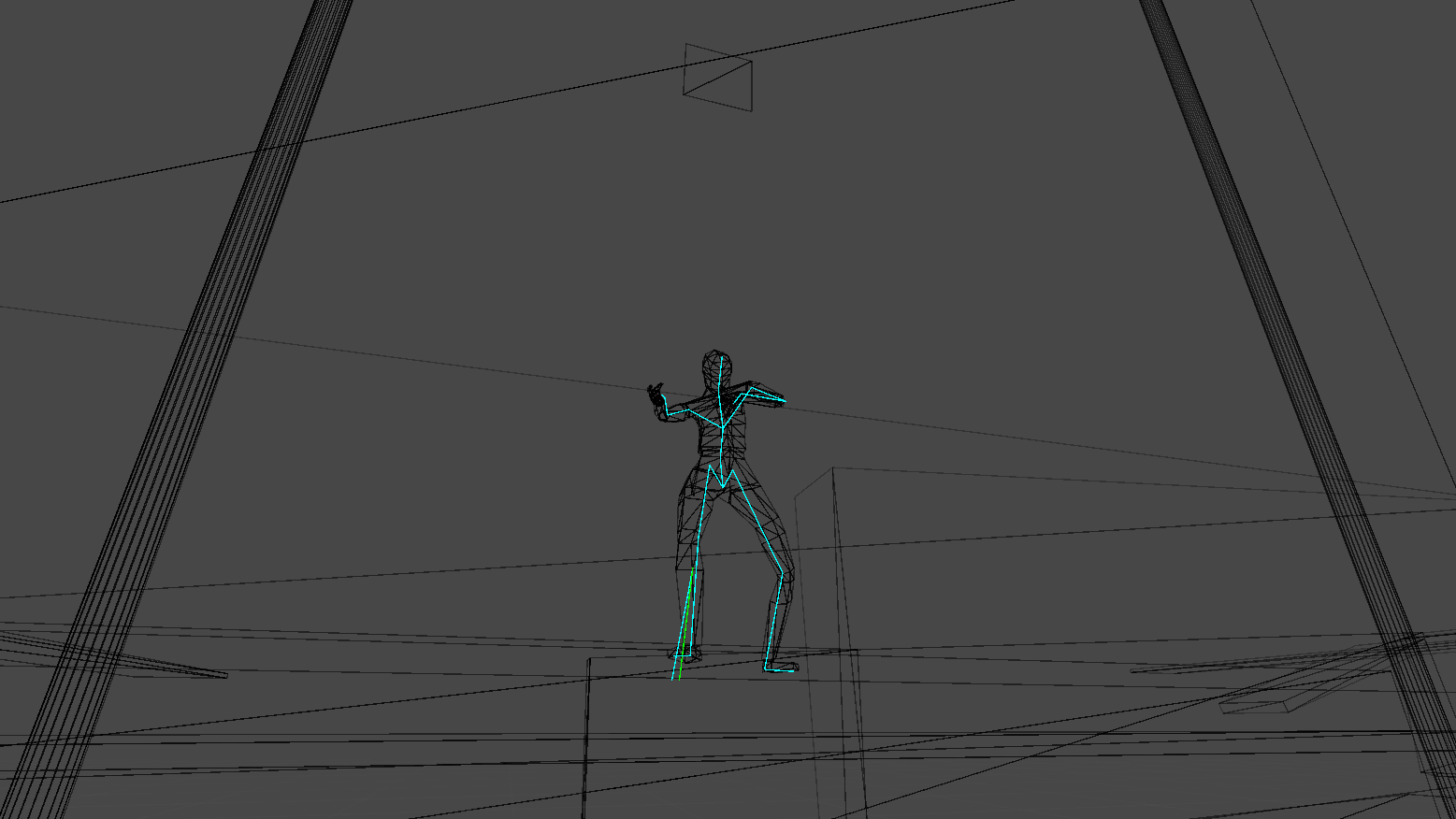
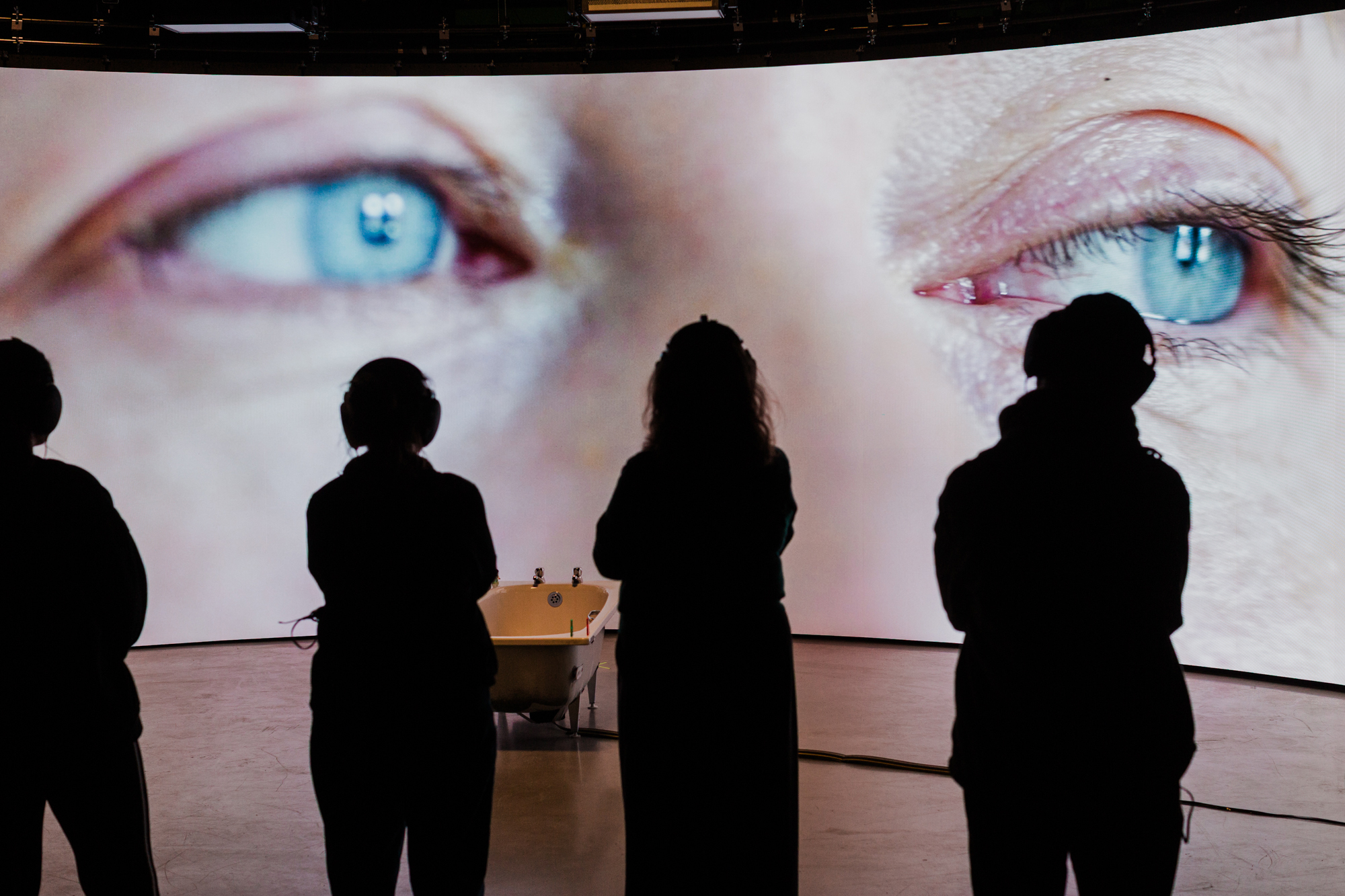
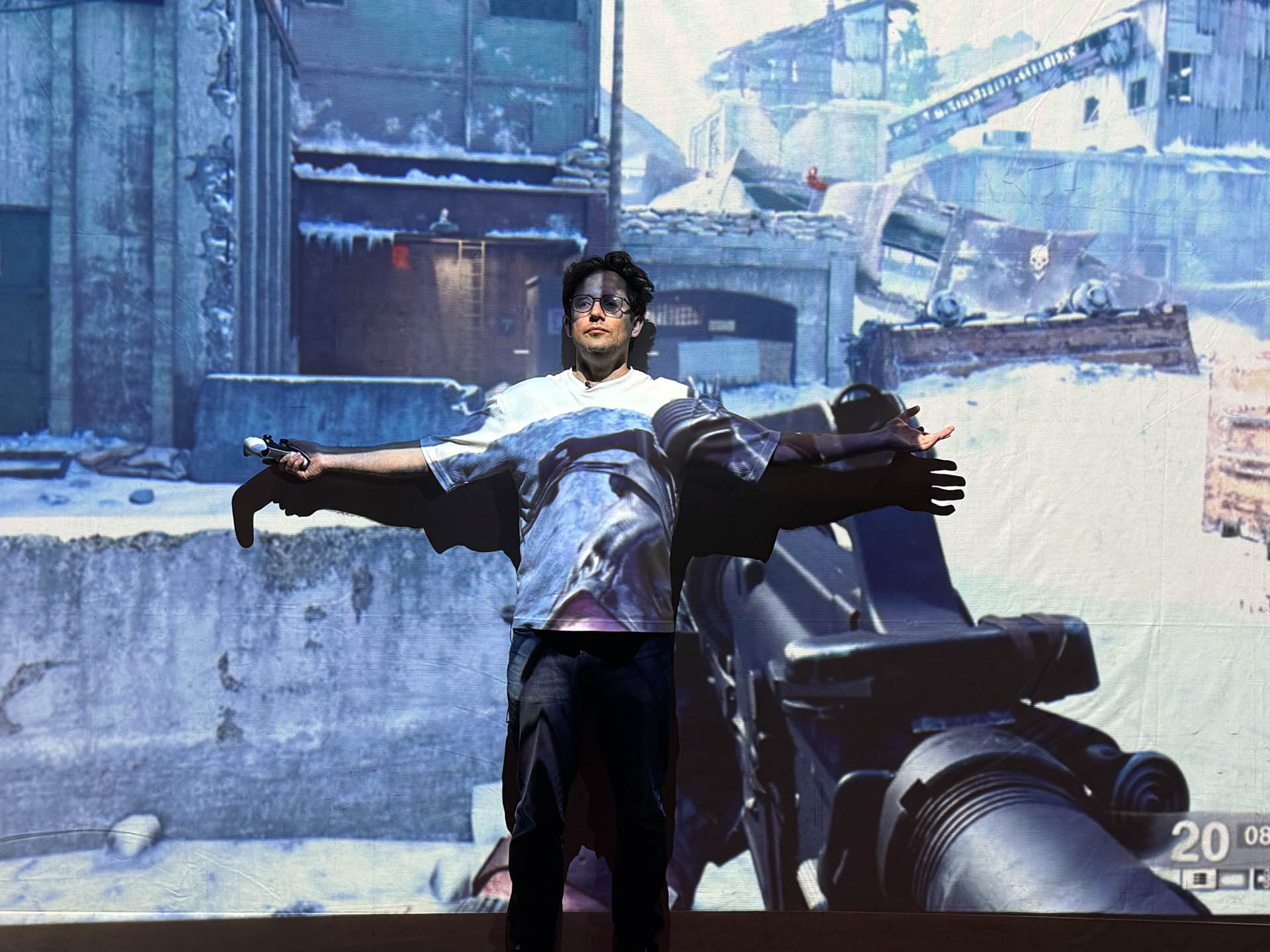
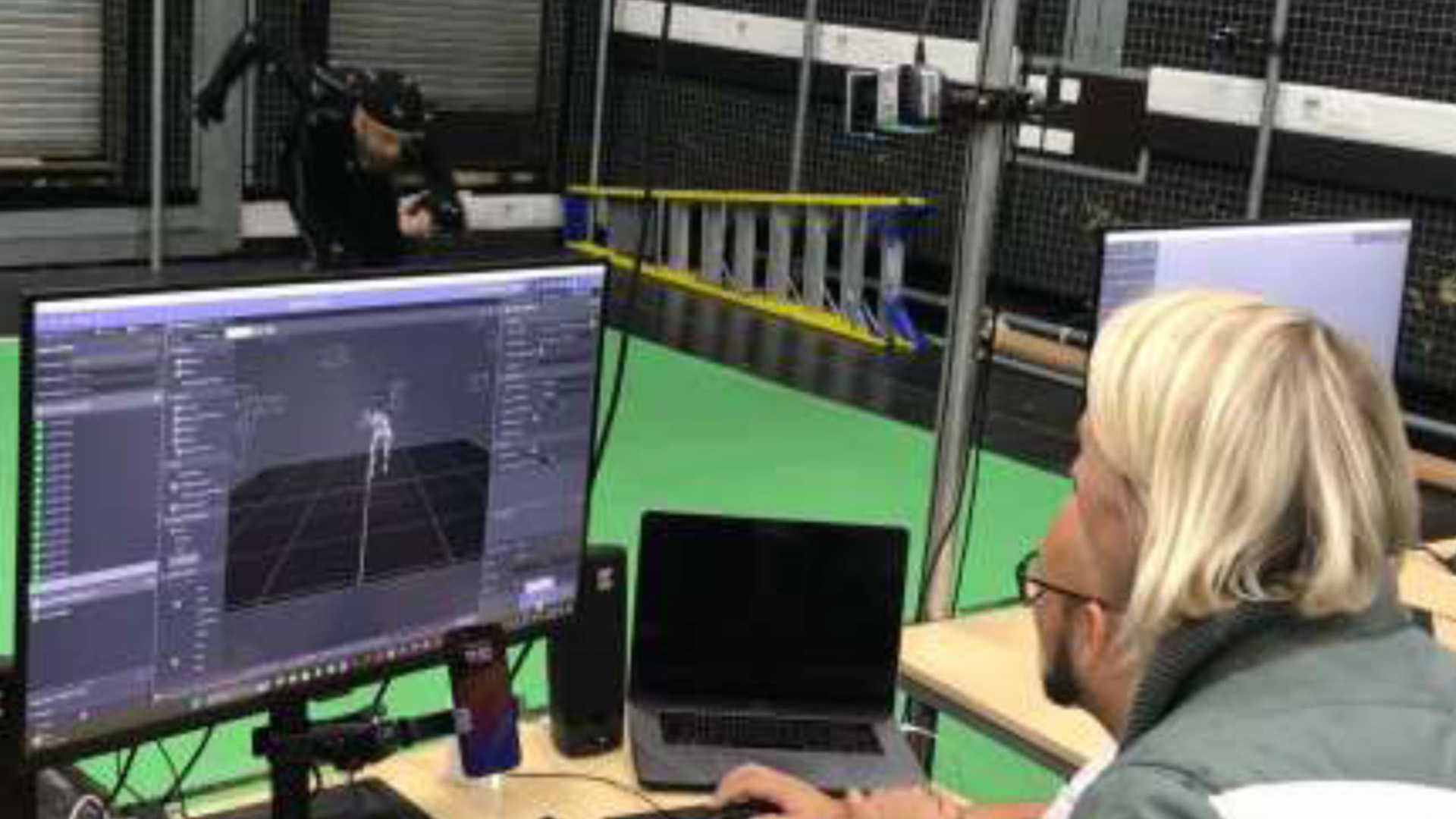
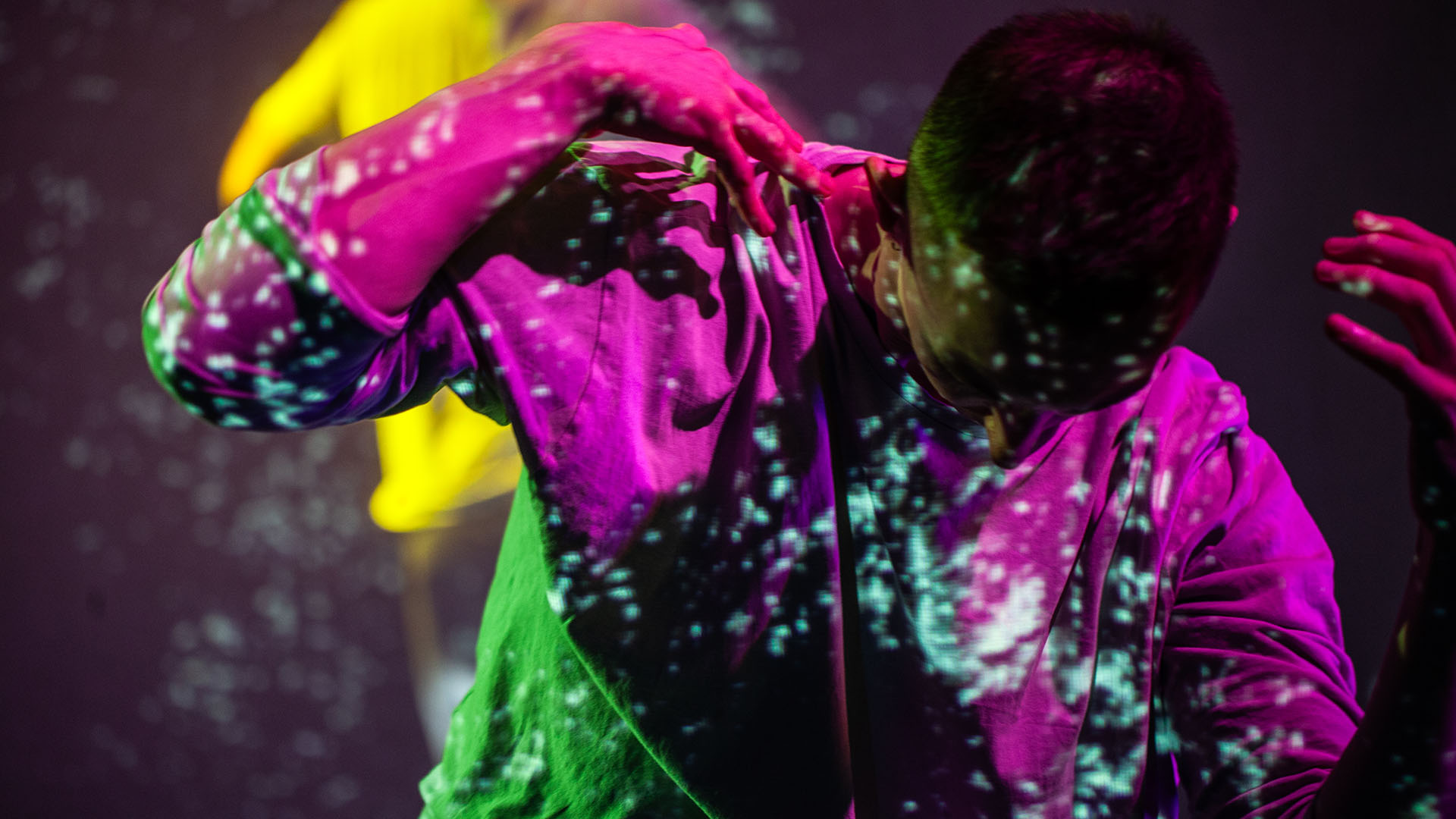
An-Ting and Ian are projected into the 3D world using Kinect cameras, enabling real-time interaction with audiences through their VR headsets.
Experiment
£20,000
Aims of the Project
This funding has enabled us to develop a prototype of a simultaneous online and in-person exhibition and live performance, Lost Communications X.
We’ve been building an original 3D digital world that engages audiences with nature and an artistic experience that only immersive arts can achieve.
The prototype serves as a solid base for the final work which sets a precedent for blending AI, nature, immersive exhibition and live performance in hybrid forms.
Prototype Team
- Creative Producer – Laura Ducceschi
- Advisor – Kirk Woolford
- Film (below) by Sol Denker
Supported by Immersive Arts, Norwich University of the Arts, Sound UK
Immersive Audio supported by Southby Production, Aaron Holloway-Nahum and Immersive Simulation and Visualisation Lab
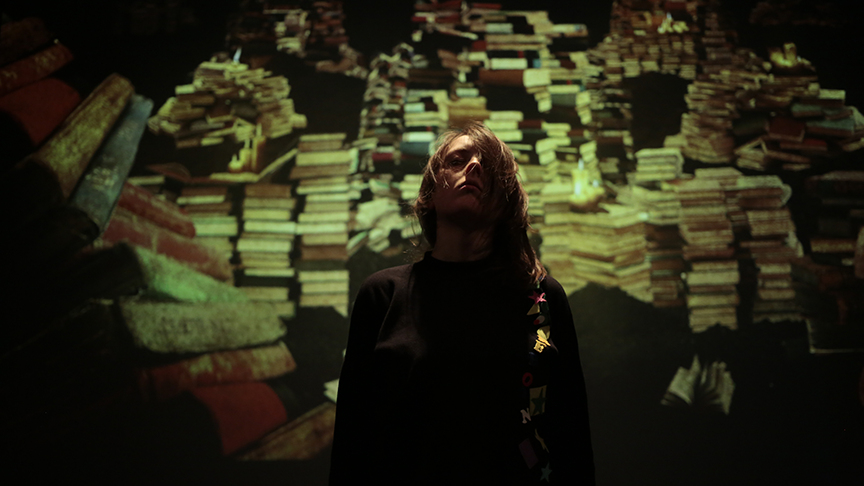
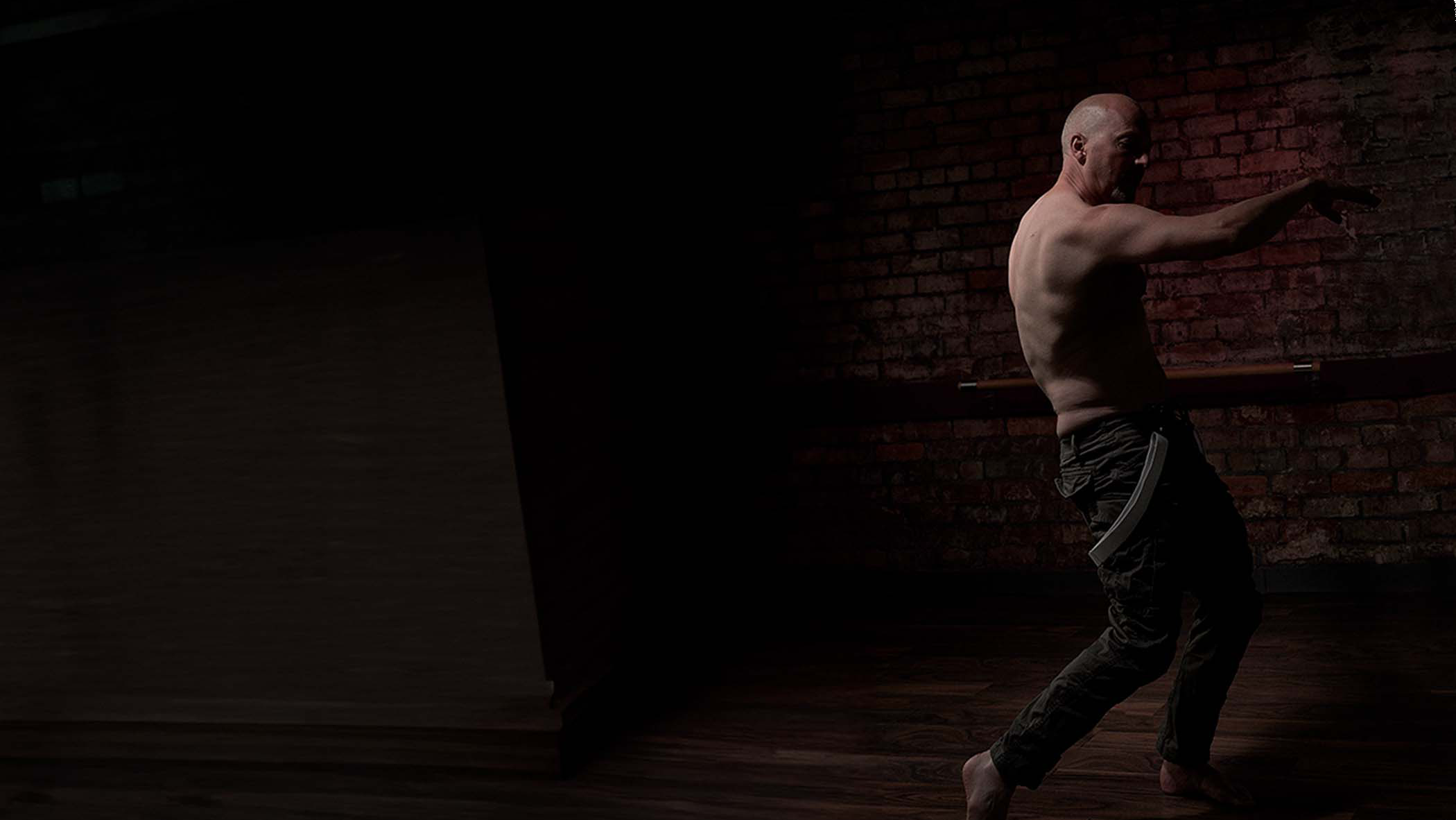
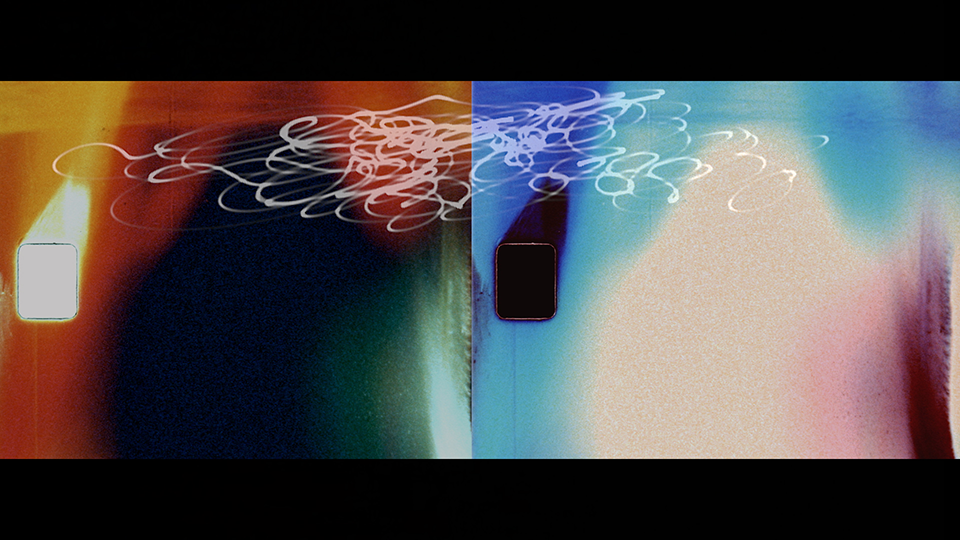
Photo credits for the images on this page:
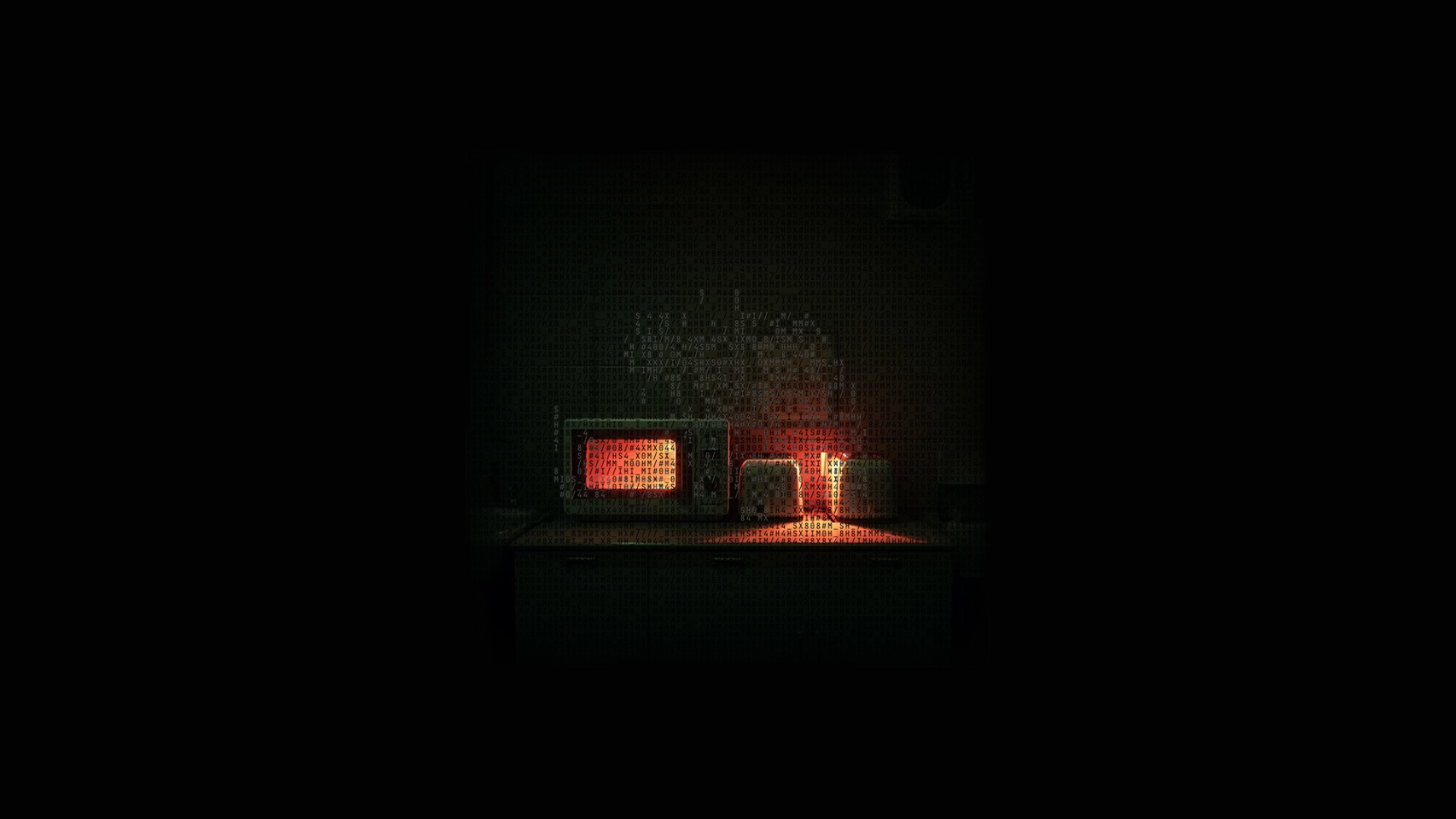
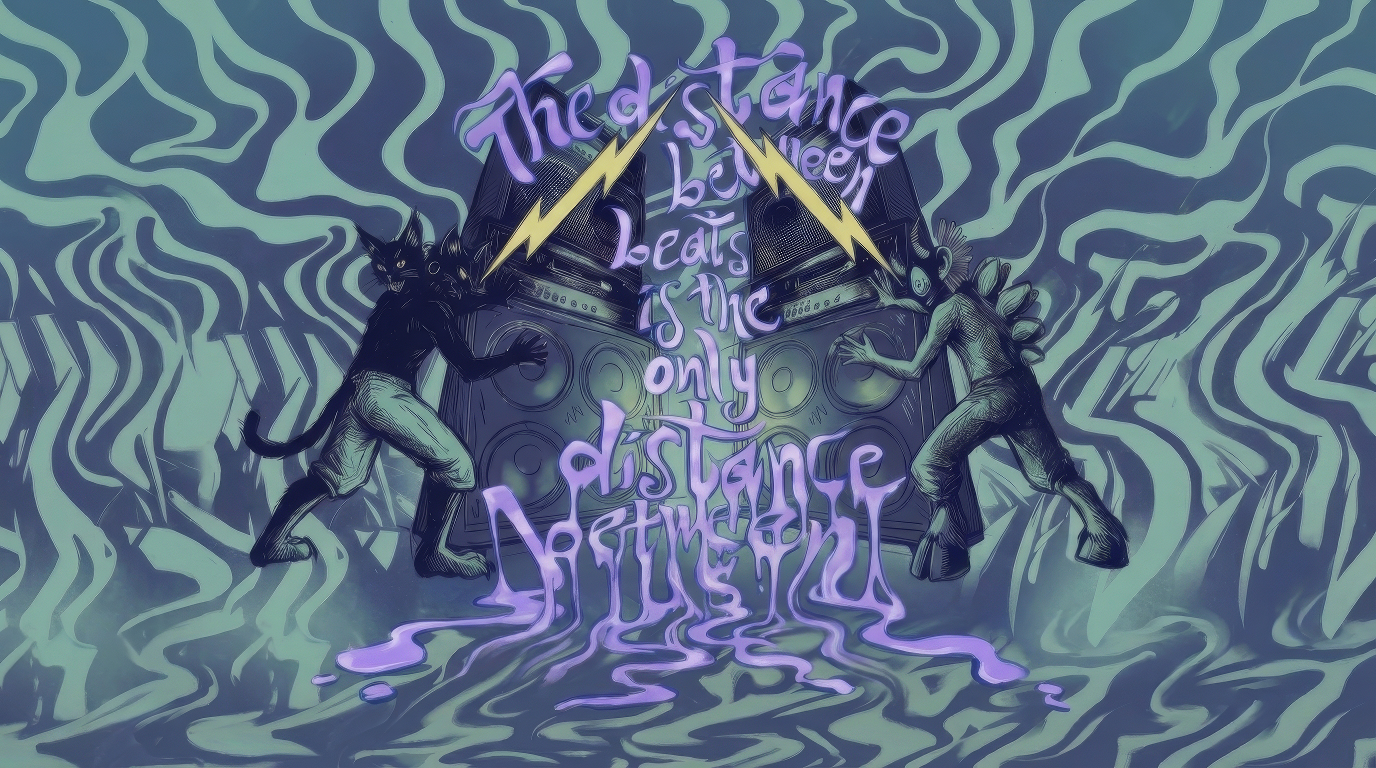
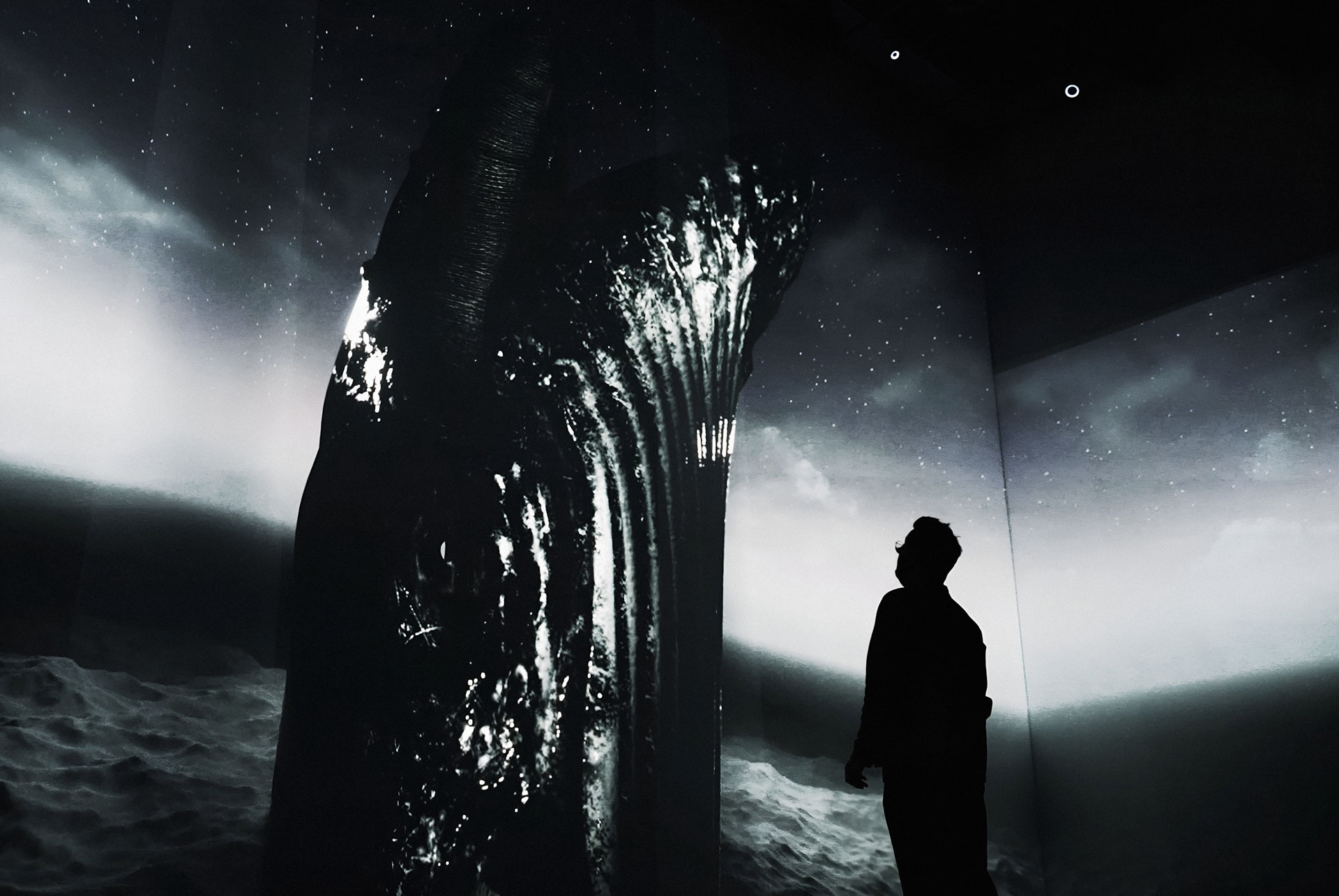
- header image – Sol Denker
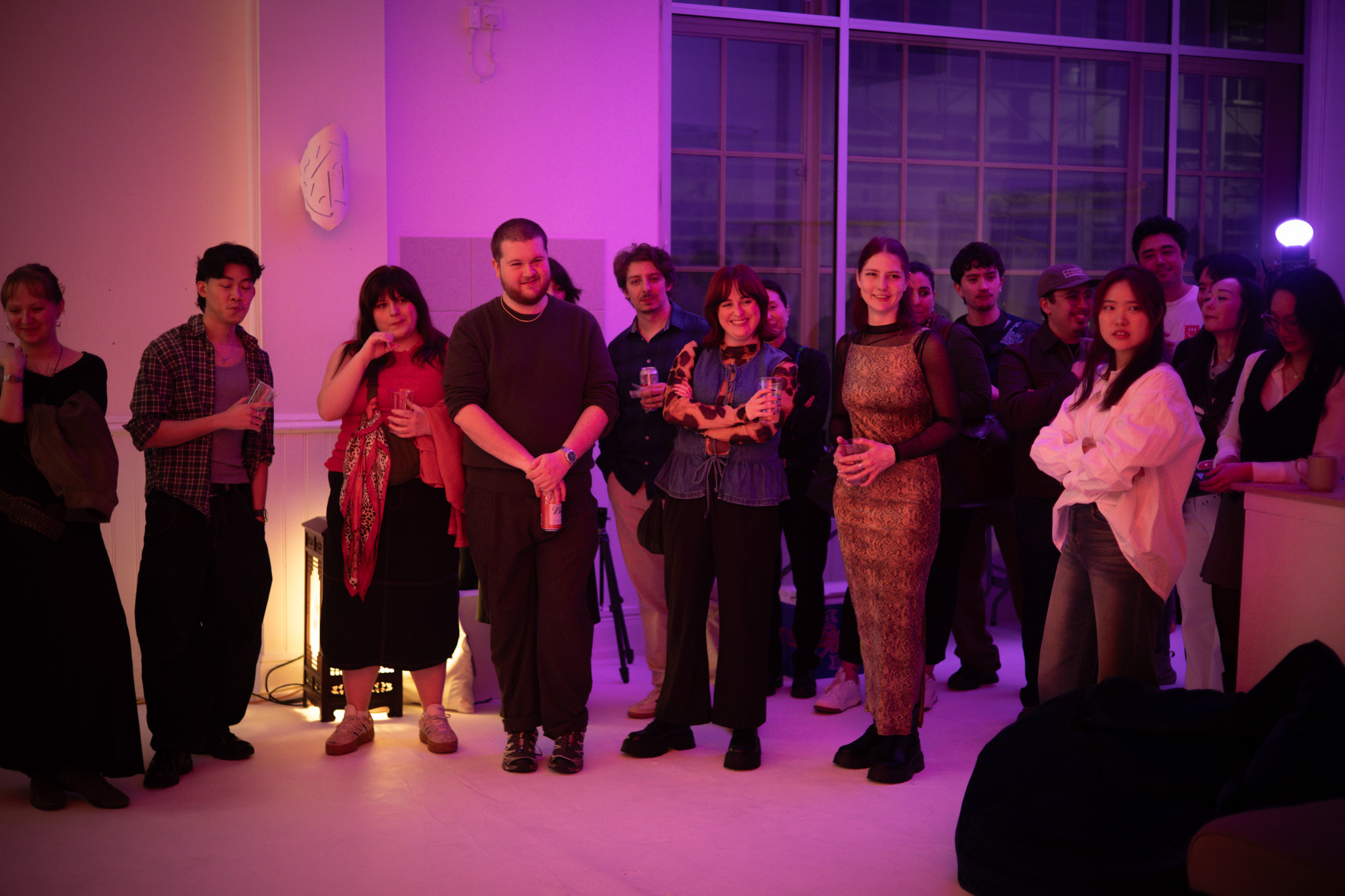
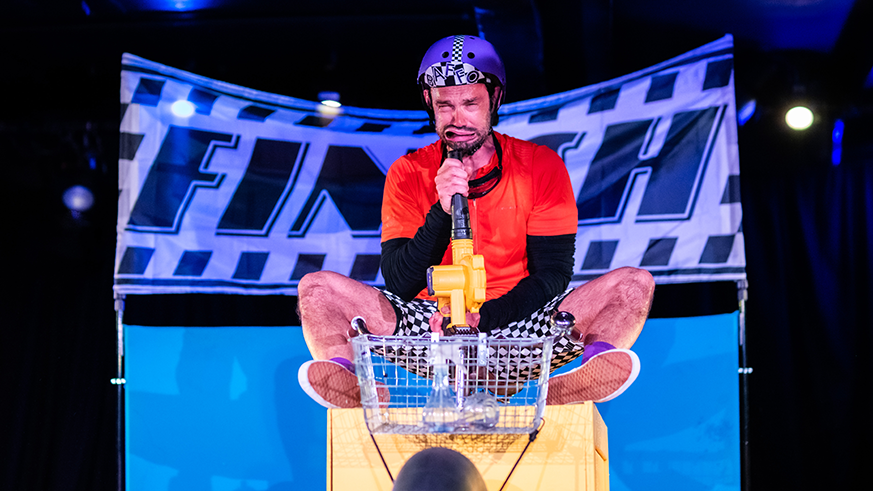
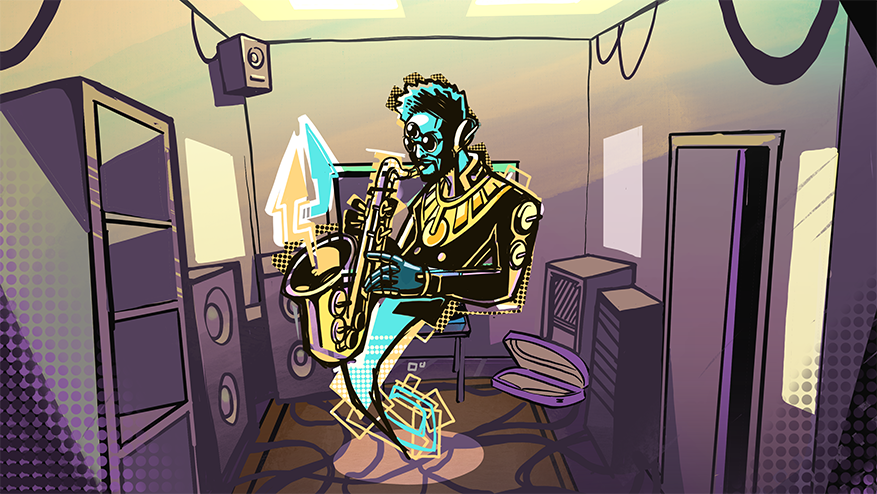
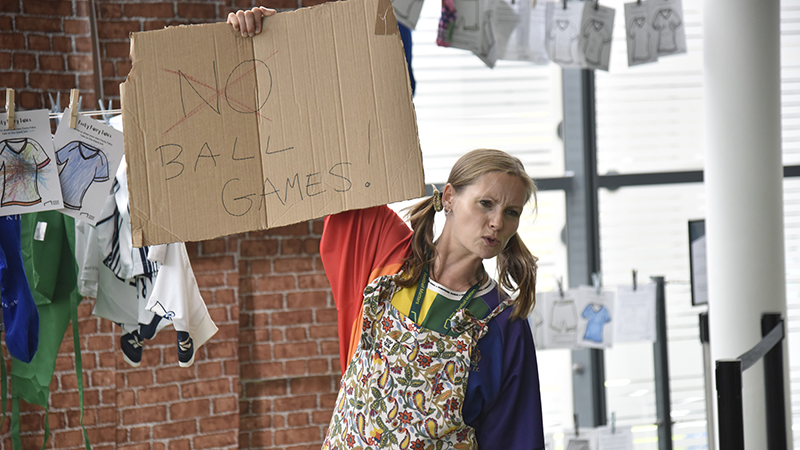
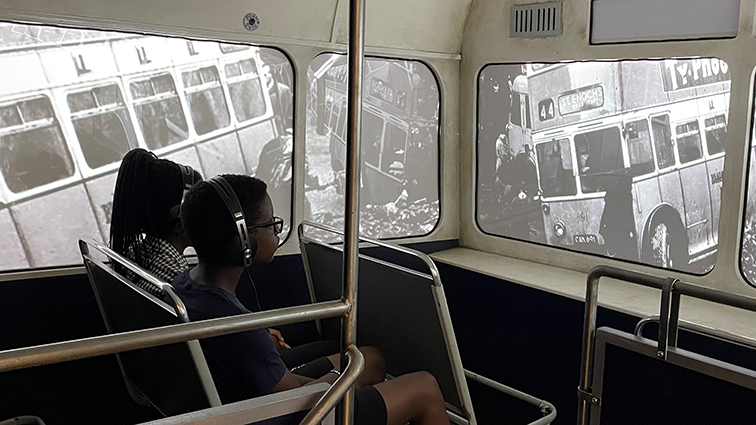
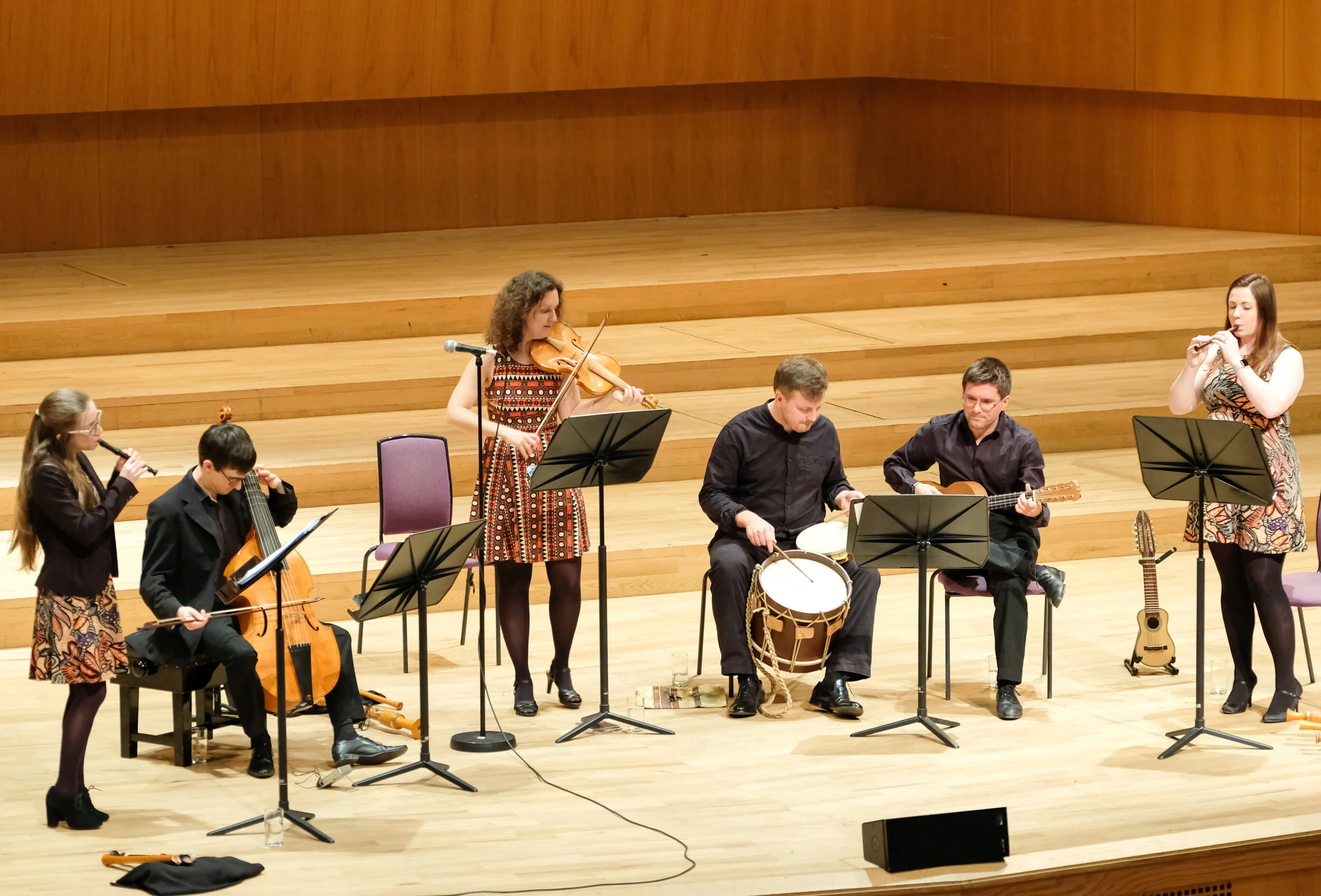
- photos above – Joe Mannion
- photos below – Joe Mannion, Will Ulrich, Holli Xue, Sol Denker
Underwater Trailer
After months of experimental R&D work and two protoype sharings with audiences, this trailer highlights what’s been achieved so far.
The next steps? Further development will enable hybrid exhibition, live and online performances later in 2026.
Visit https://lostcommunications.com to find out more.
Spatial Audio Underwater World
Using their 360-degree hydrophone set, immersive compositions, and Unreal Engine, the duo records sounds from coral reefs, fish, whales and other underwater creatures, integrating them into original 3D compositions and visuals.
Lost Communications: Underwater, supported by Sound UK, Immersive Arts and Norwich University of Arts, is expected to be premiered in 2026.
Sound as data and information, sound as music and meaning, sound as language and the true tongue of places and nonhuman peoples. Listening is both a scientific practice and a form of witnessing that acknowledges our presence as guests on this planet and embraces our kinship with other species across the tree of life. - 'The Sounds of Life' by Karen Bakker
360 Performance
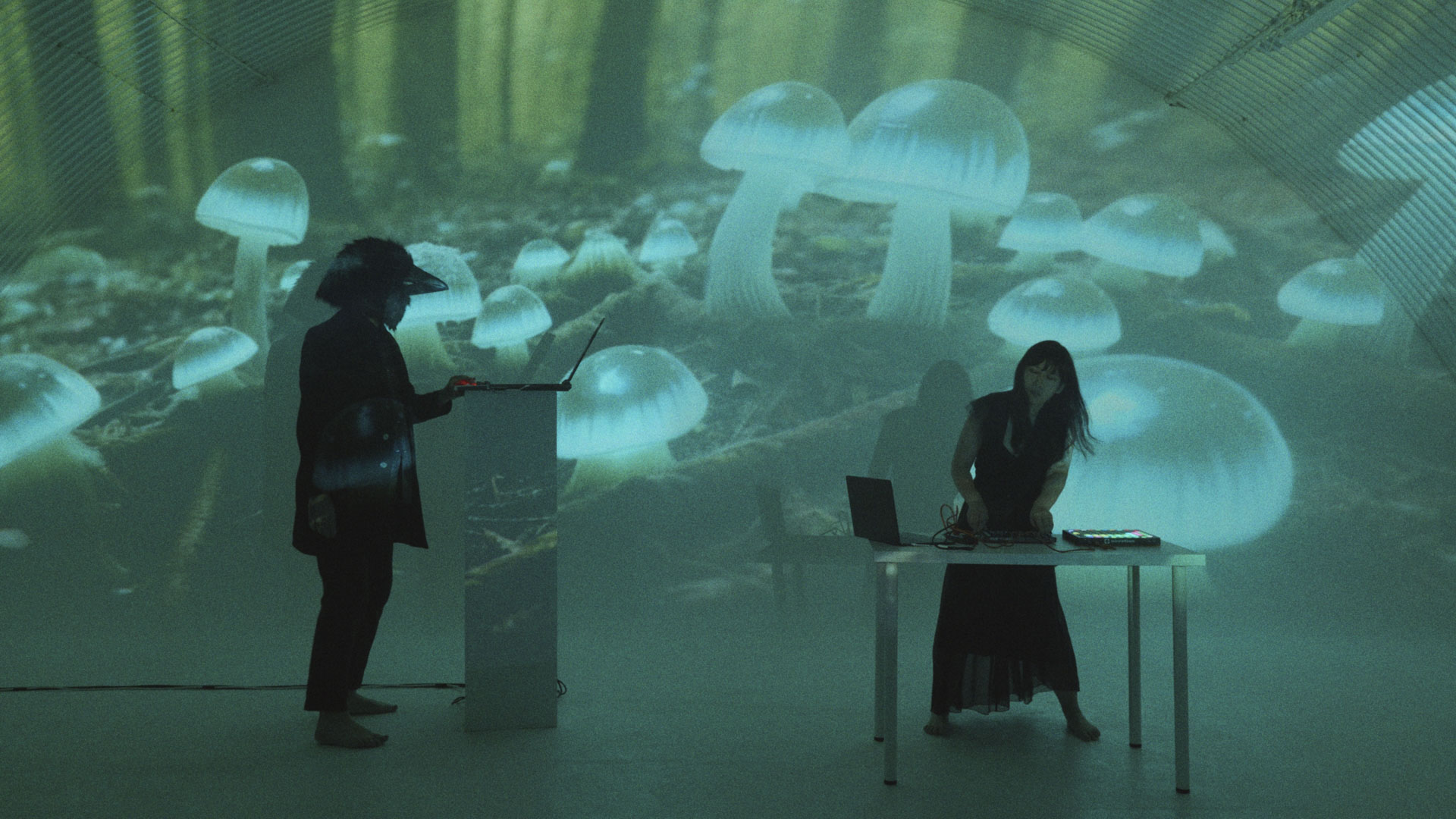
Lost Communications: Birds
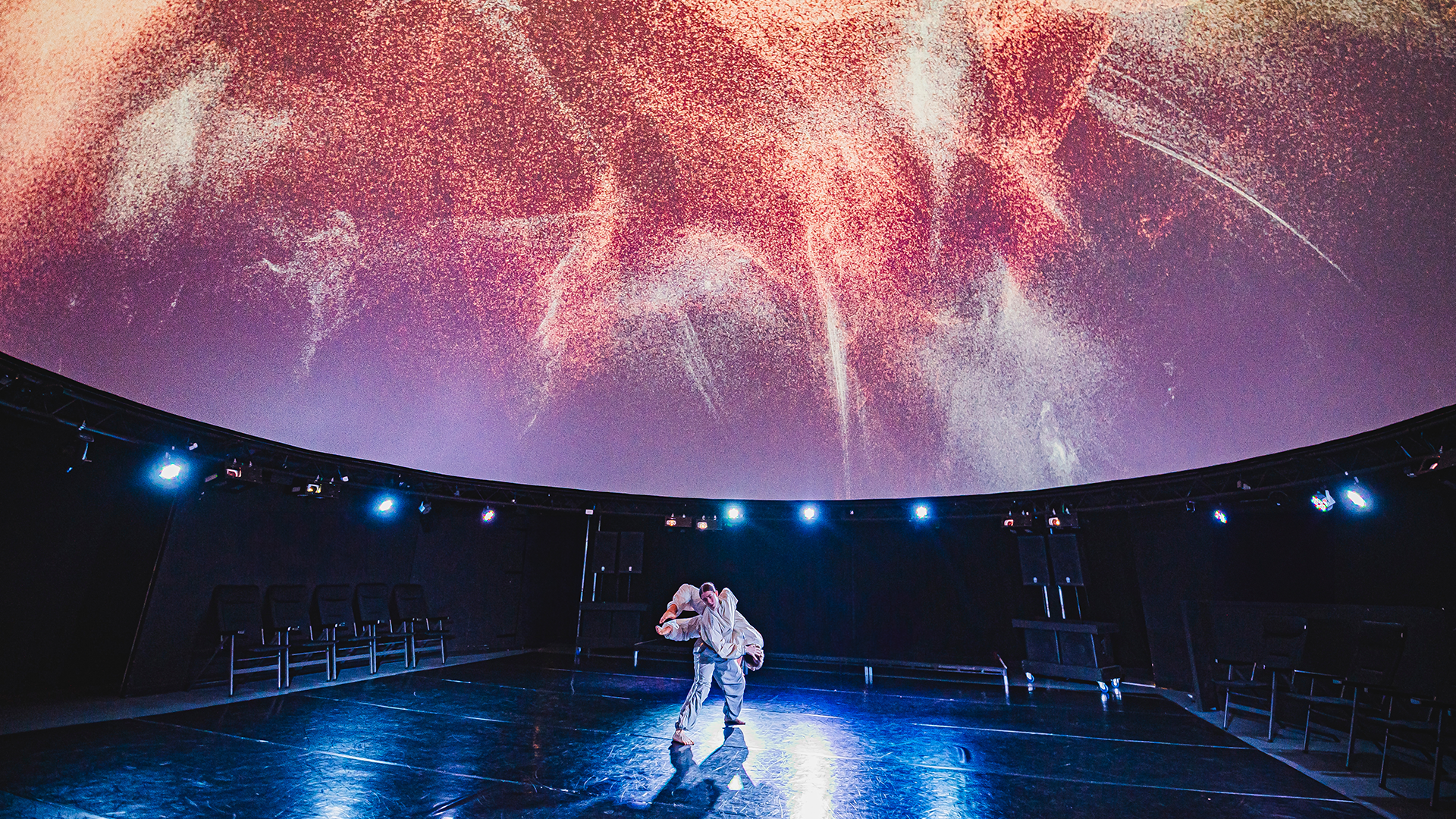
15 & 16 June 2025 at Immersive Visualisation and Simulation Lab in Norwich as a part of the Norfolk & Norwich Festival.
Presented by NN Festival, Collusion & Norwich University of Arts.
HOME X @ The Barbican
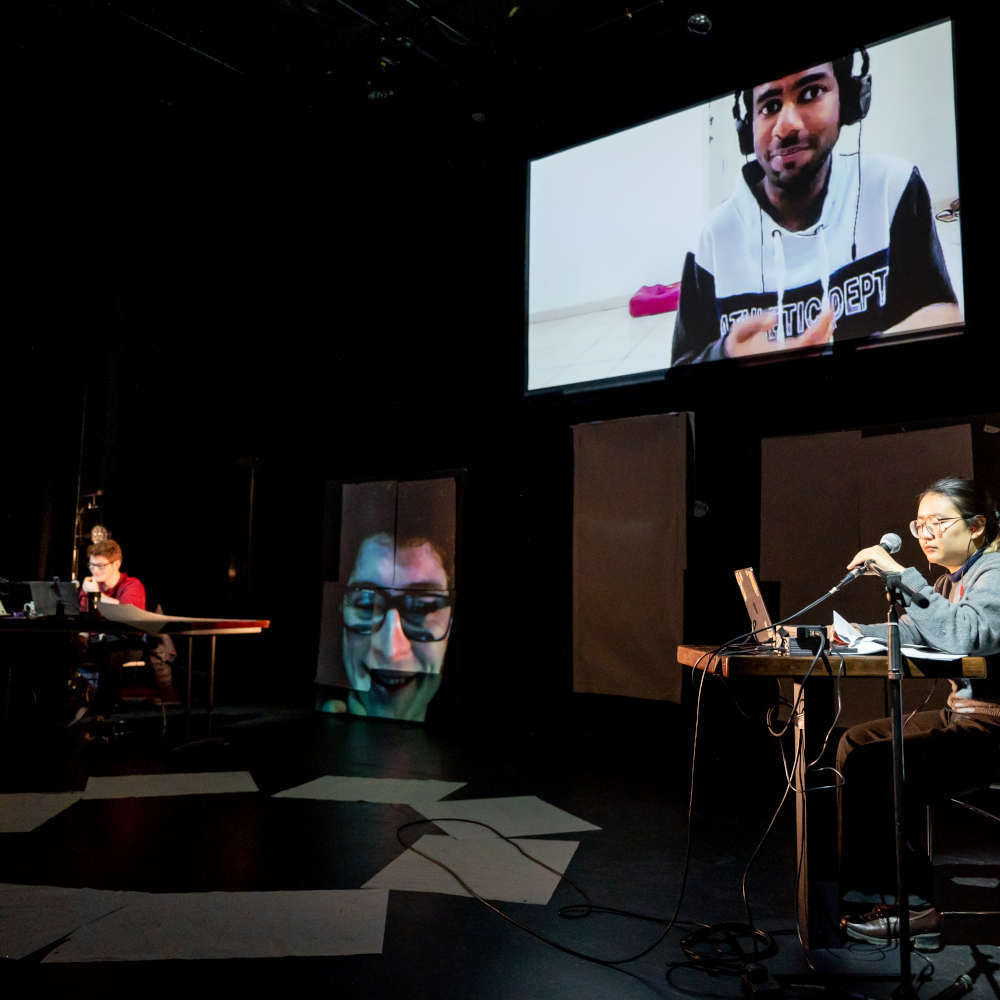
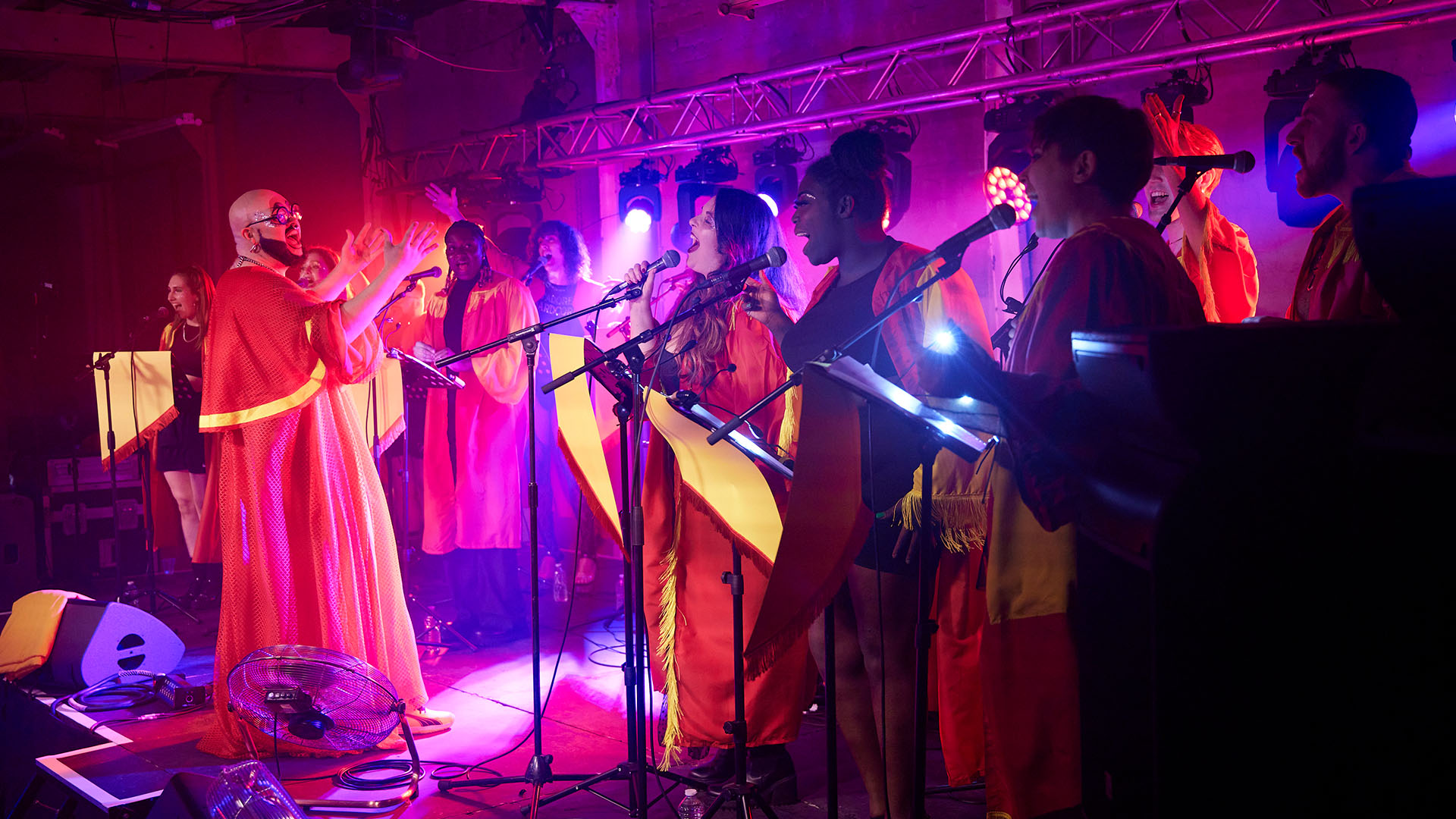
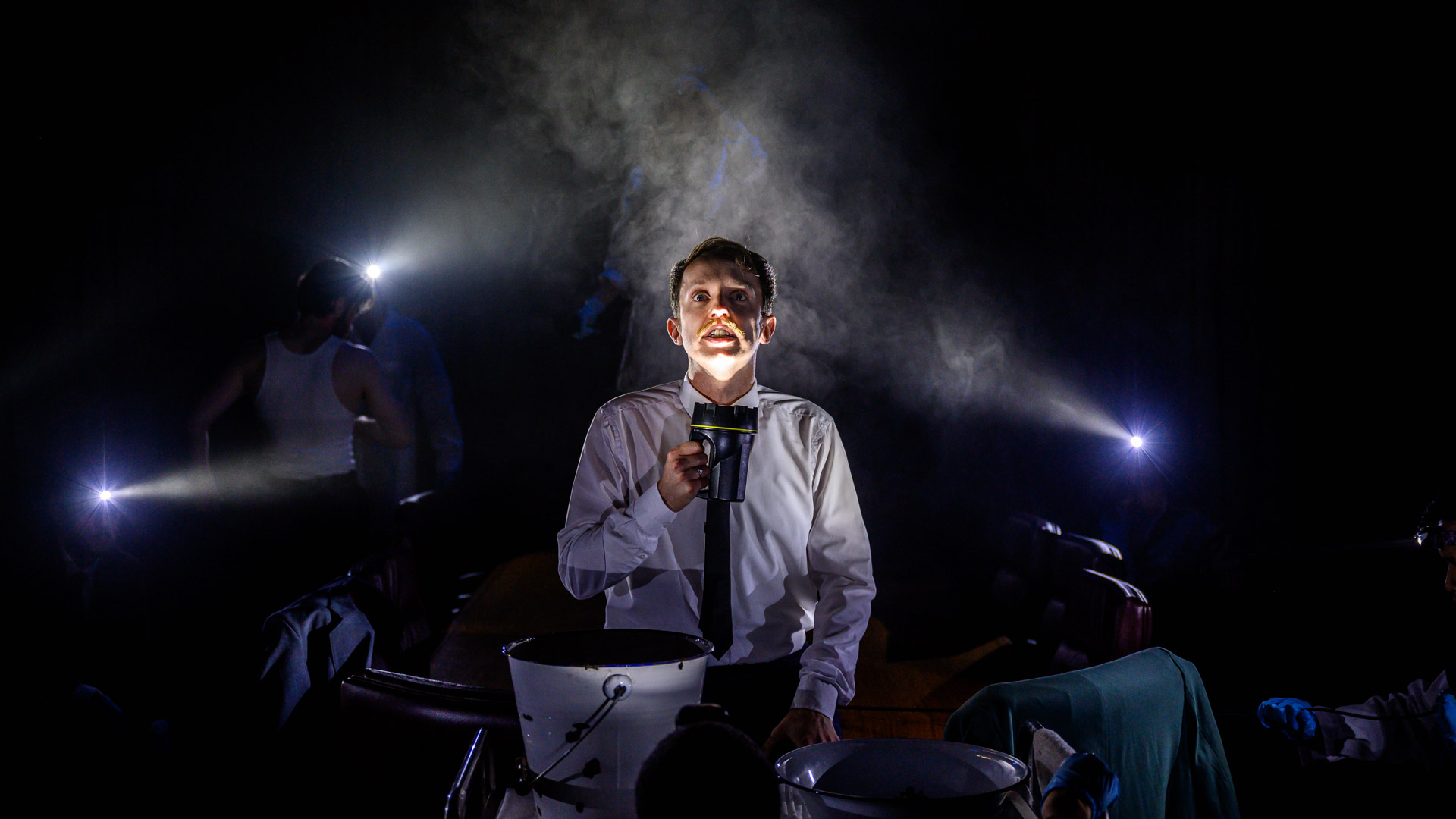
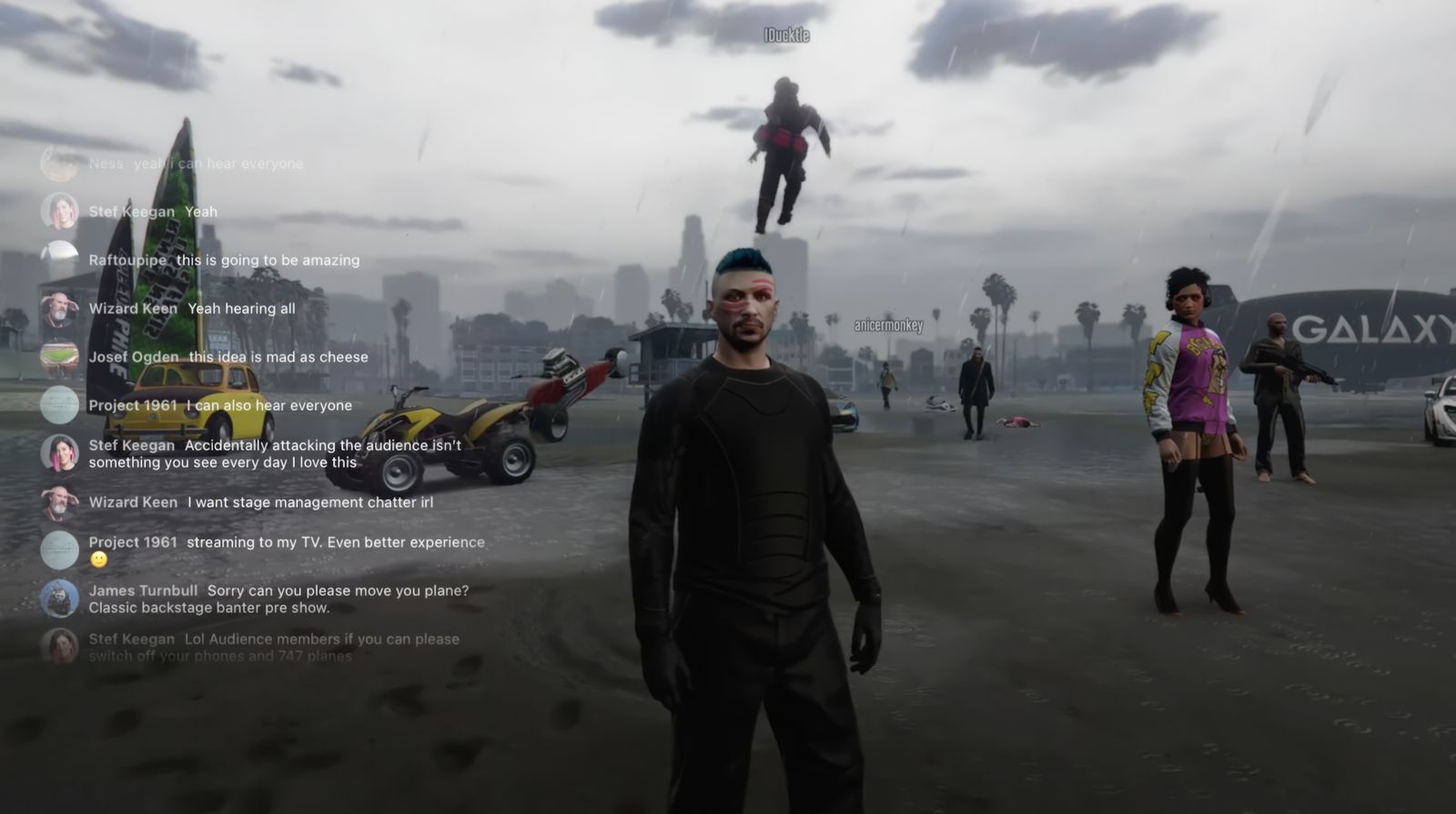
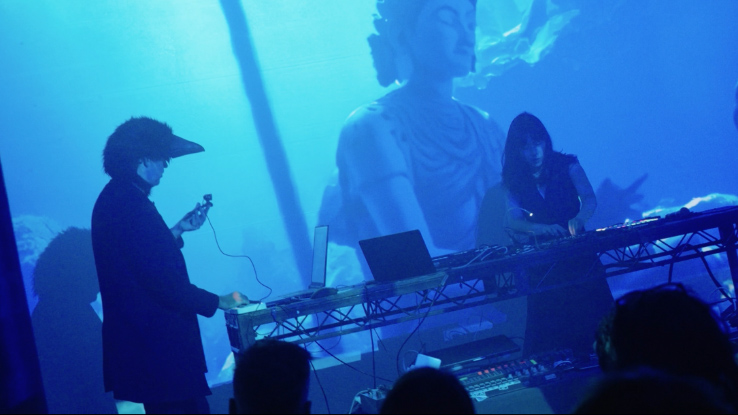
Live performance meets cutting edge technology in this live show that combines theatre, music, gaming and VR technology created with artists in London and Hong Kong.
HOME X was co-produced by Kakilang (formerly Chinese Arts Now) and their Hong Kong partner, Don’t Believe in Style and co-commissioned by Cambridge Junction, Oxford Contemporary Music and York Theatre Royal. The work is supported by StoryFutures, The Space and John Ellerman Foundation, originally commissioned by British Council Hong Kong.
Meet the artists
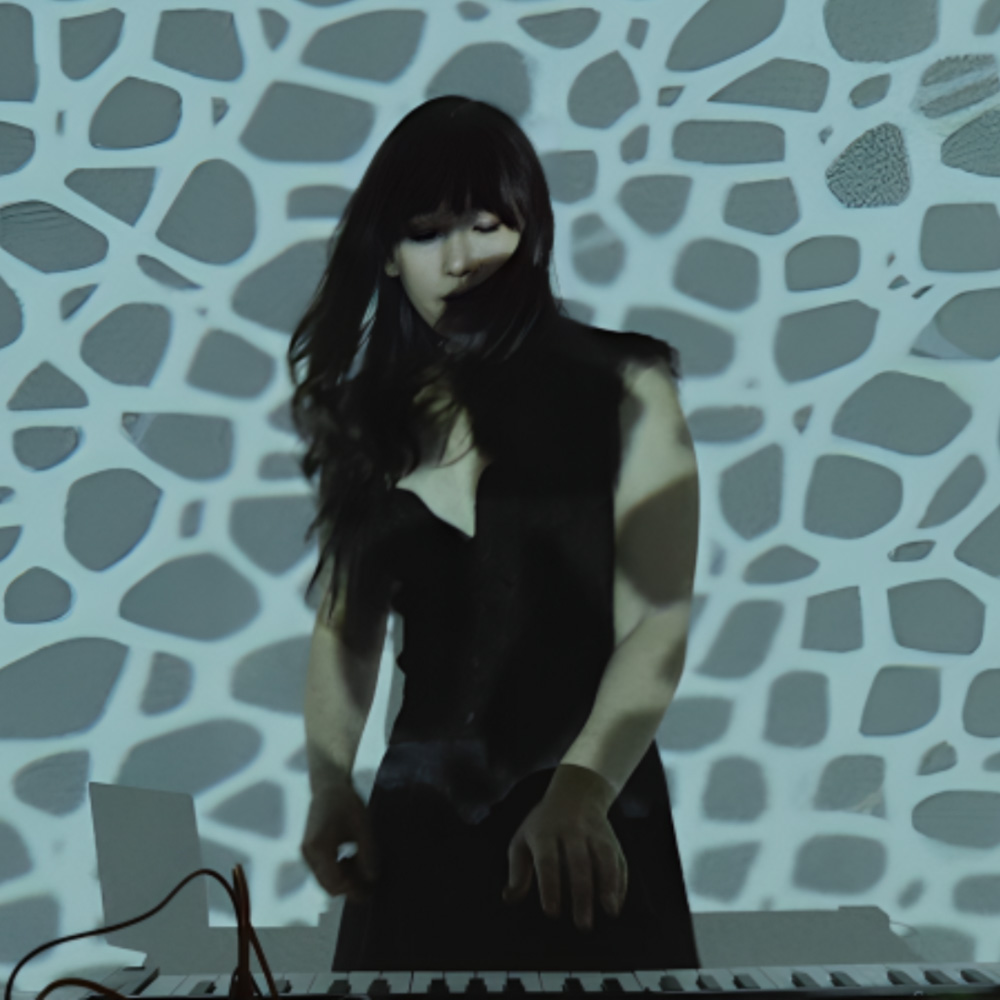
An-Ting
Lead artist
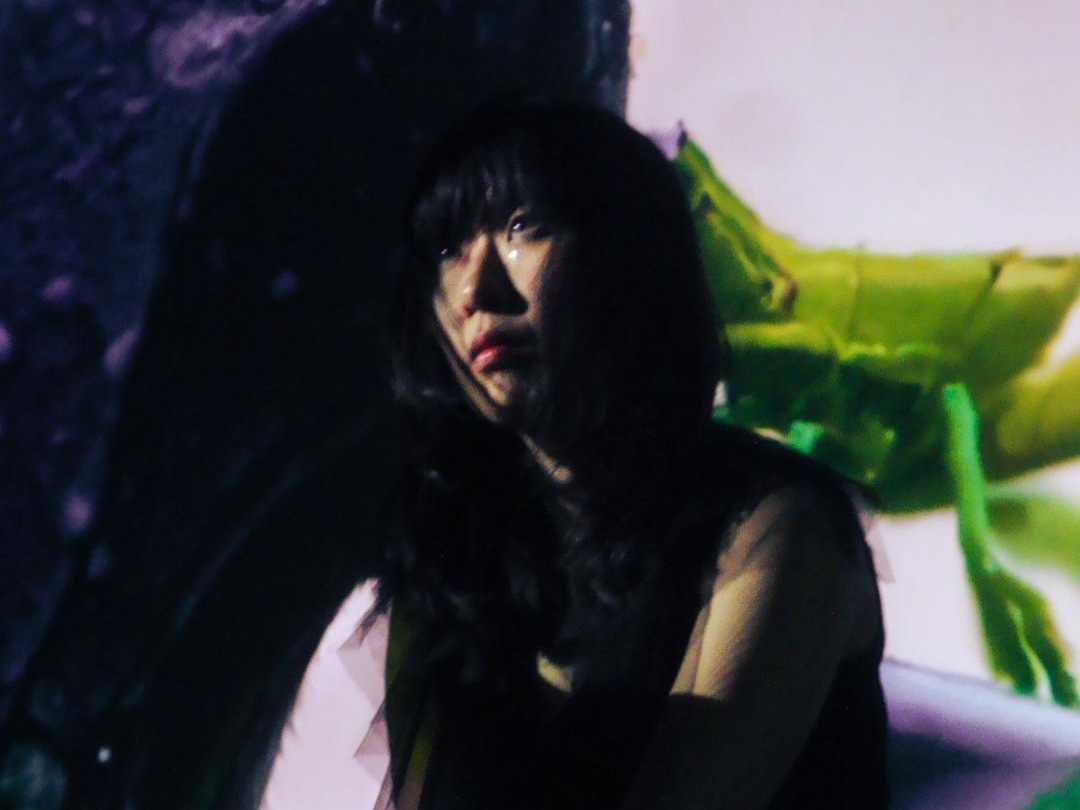
An-Ting 安婷 is a versatile artist who thrives in piano, electronic compositions, and various other forms of artistic expression. Her works have been presented at and commissioned by renowned arts institutions, including the Barbican, V&A, LSO St Luke’s, Southbank Centre, National Theater Taiwan, and Shanghai International Pingpong Festival.
Between 2018 and 2023, she led the National Portfolio Organisation Kakilang, placing emphasis on establishing an artist-led structure, generating new narratives by Southeast and East Asian artists, and encouraging cross-artform collaborations. Her background presents a unique fusion of science and art, holding a degree in Chemistry from National Taiwan University, alongside a MMus and PhD in performance from the Royal Academy of Music.
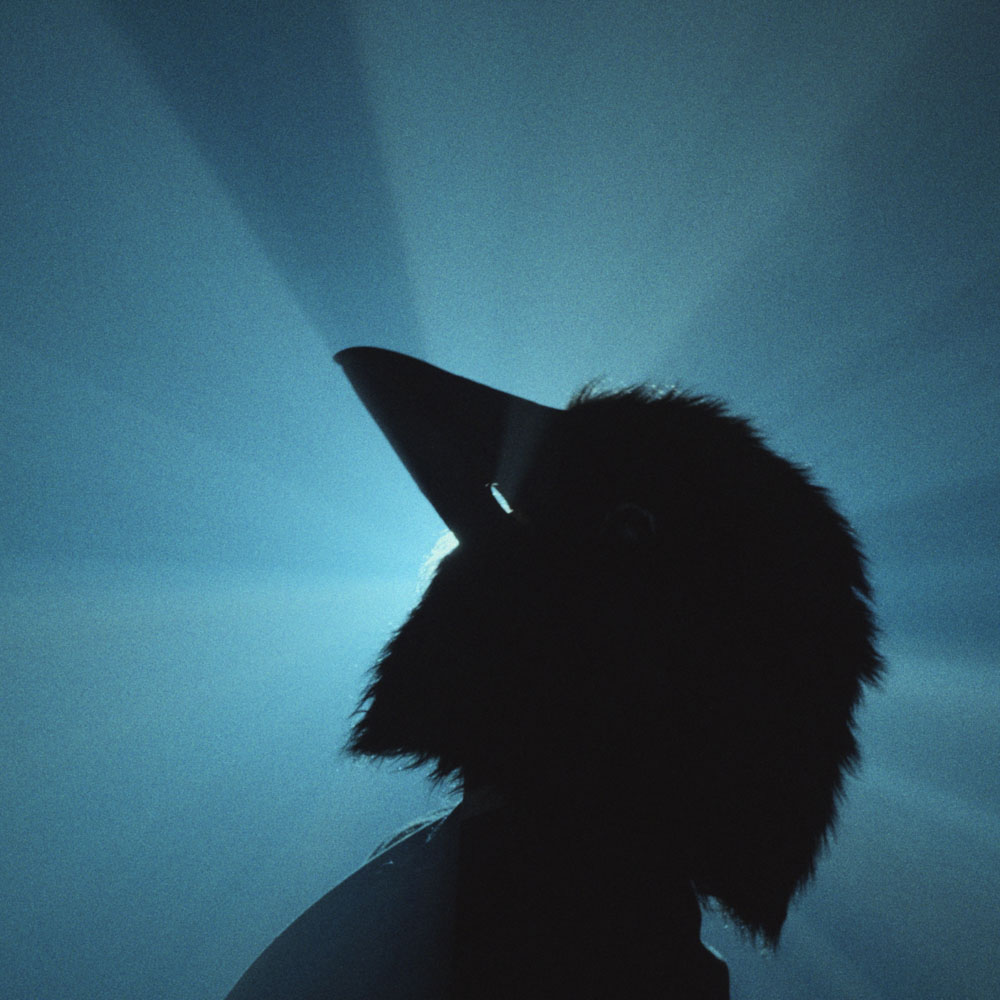
Ian Gallagher
Lead artist
Ian Gallagher studied Theoretical Physics at Edinburgh before completing a PhD in Complex Systems at Manchester University. He helped found a digital agency – OH Digital – before moving to London and becoming an independent app developer and entrepreneur. He has helped to create high-profile apps for Christie’s, Formula One and the Olympics among many others, and co-founded a startup, Myriada, focused on the harnessing of collective intelligence. He has a keen interest in the exploration of consciousness and the emergence of collective thought and behaviour.
More recently he has had great success in bringing digital technology to live performance, online and in the Barbican. His creative technology works have won Arts Council England’s Digital Culture Award (Storytelling) and have been nominated for the UK Theatre Awards (Digital Innovation). More recently his work has been presented at the East Kowloon Cultural Centre, Hong Kong’s flagship Arts-Tech venue and he has become a core contributor and researcher to the generative AI open source arts community.
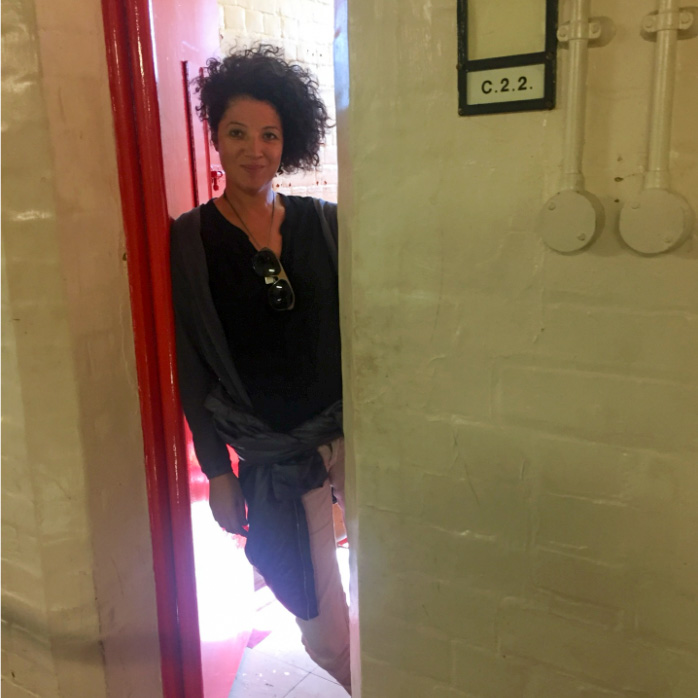
Laura Ducceschi
Creative Producer
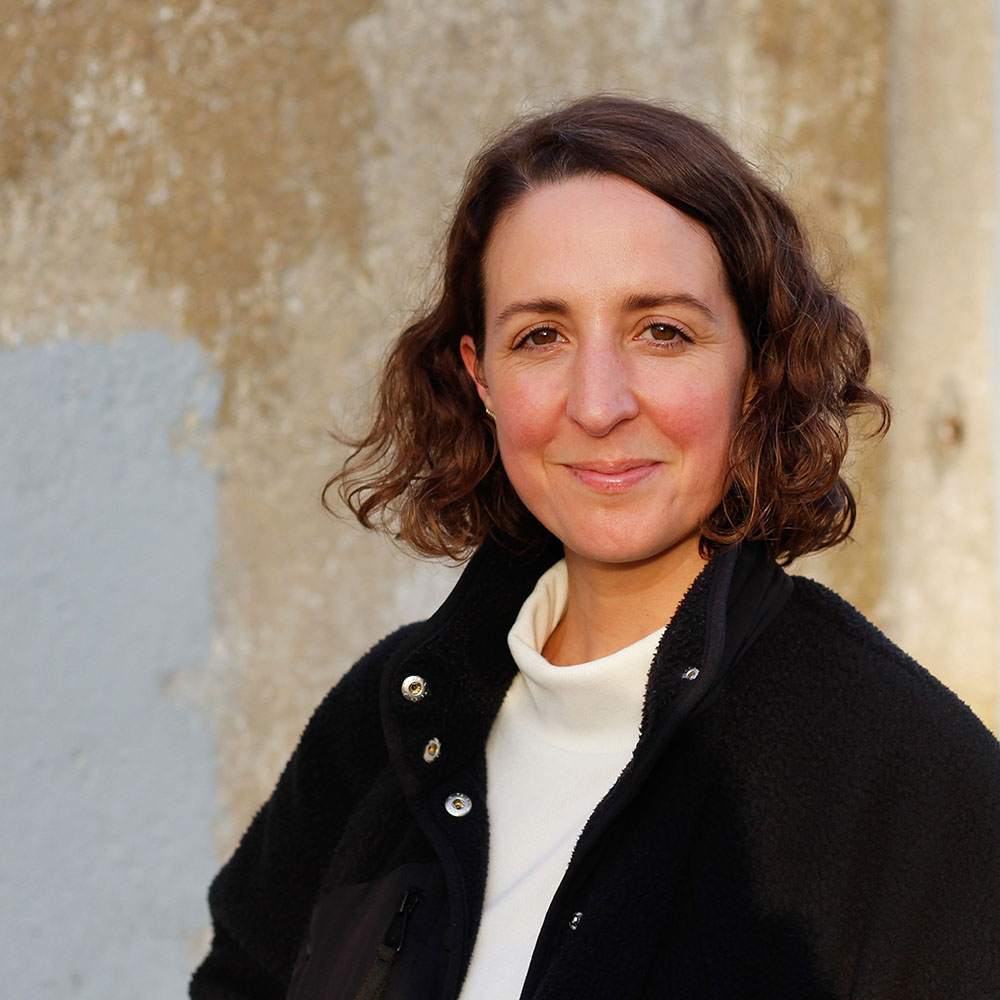
Laura works independently and has produced leading projects and programmes in the AV world for Barbican (UK), Holland Festival, Rewire Festival (NL), Sydney Opera House (AUS), Musikfest (DE), Sonica (SCT), Le Lieu Unique (FR), Outlands Network (UK), Music Beyond Mainstream (UK), amongst others.
She has held three Head of Music roles for arts organisations, where she has establish new audio visual programmes. These include De La Warr Pavilion (2007-11), Brighton Dome and Festival (2011-16), Attenborough Centre for the Contemporary Arts, Brighton (2017-25).
In these roles she has initiated new audio-visual programmes – earsthetic festival, Outlands Network, Music Lead for Brighton Digital Festival and Cinecity Film Festival.