Projects
On the Other Side
On the Other Side
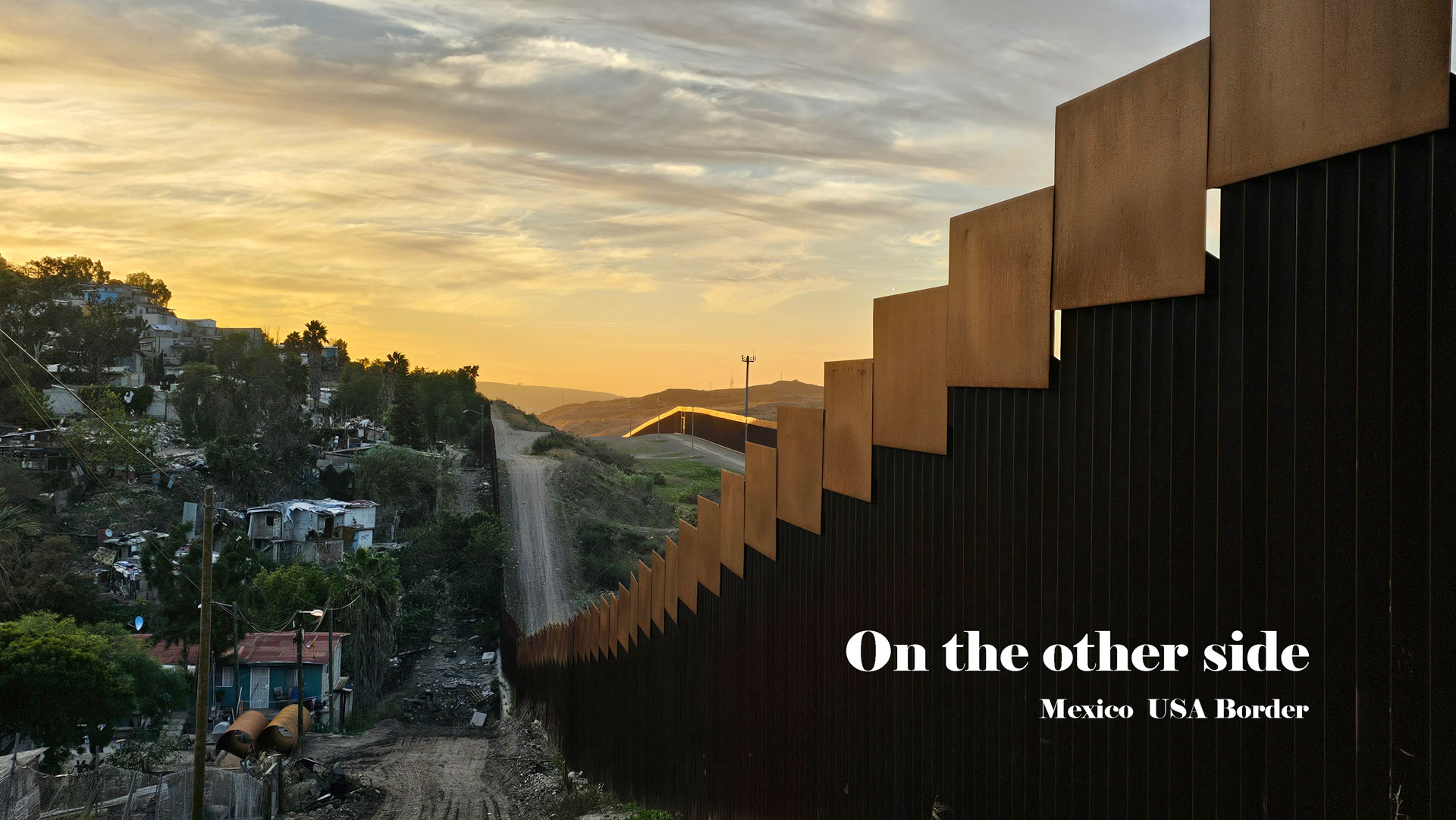
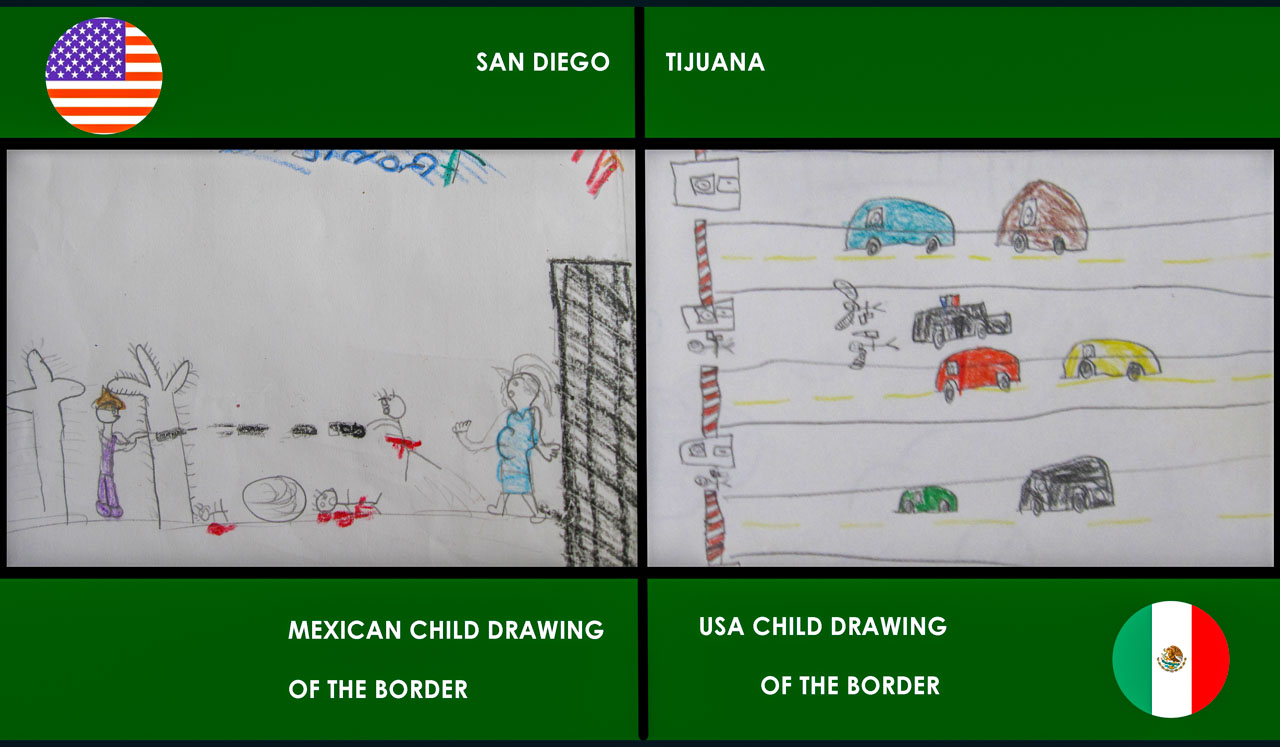
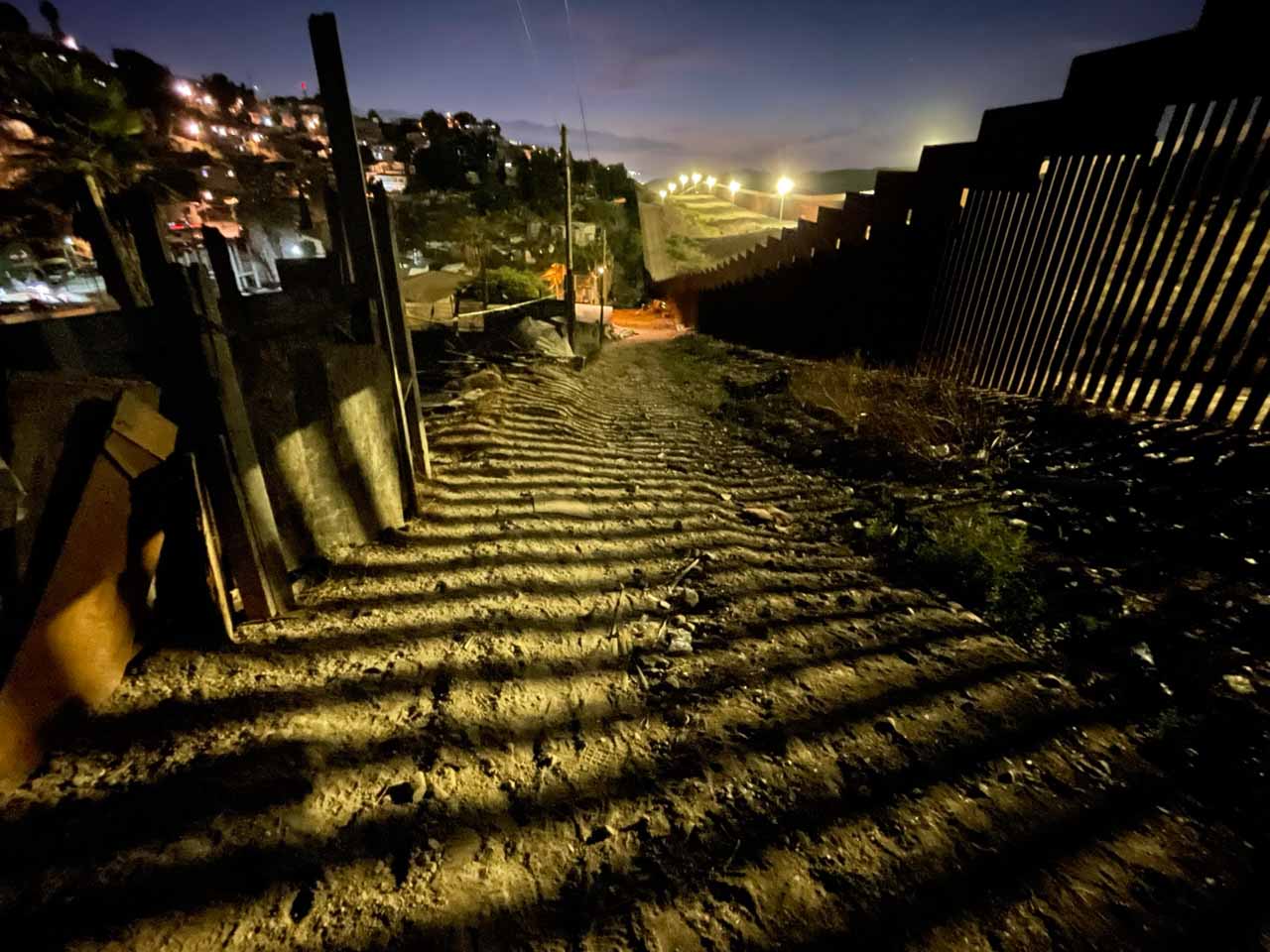
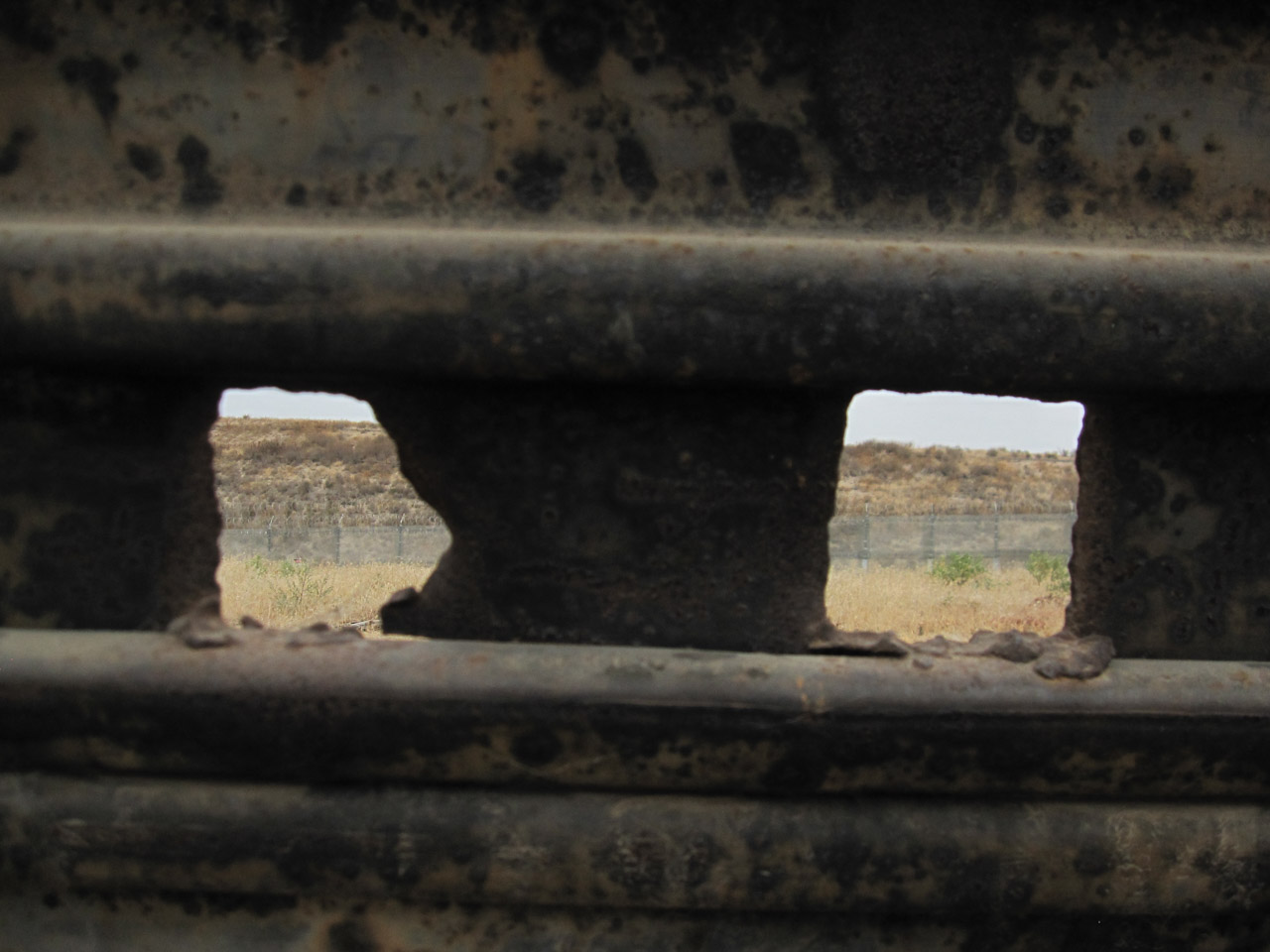
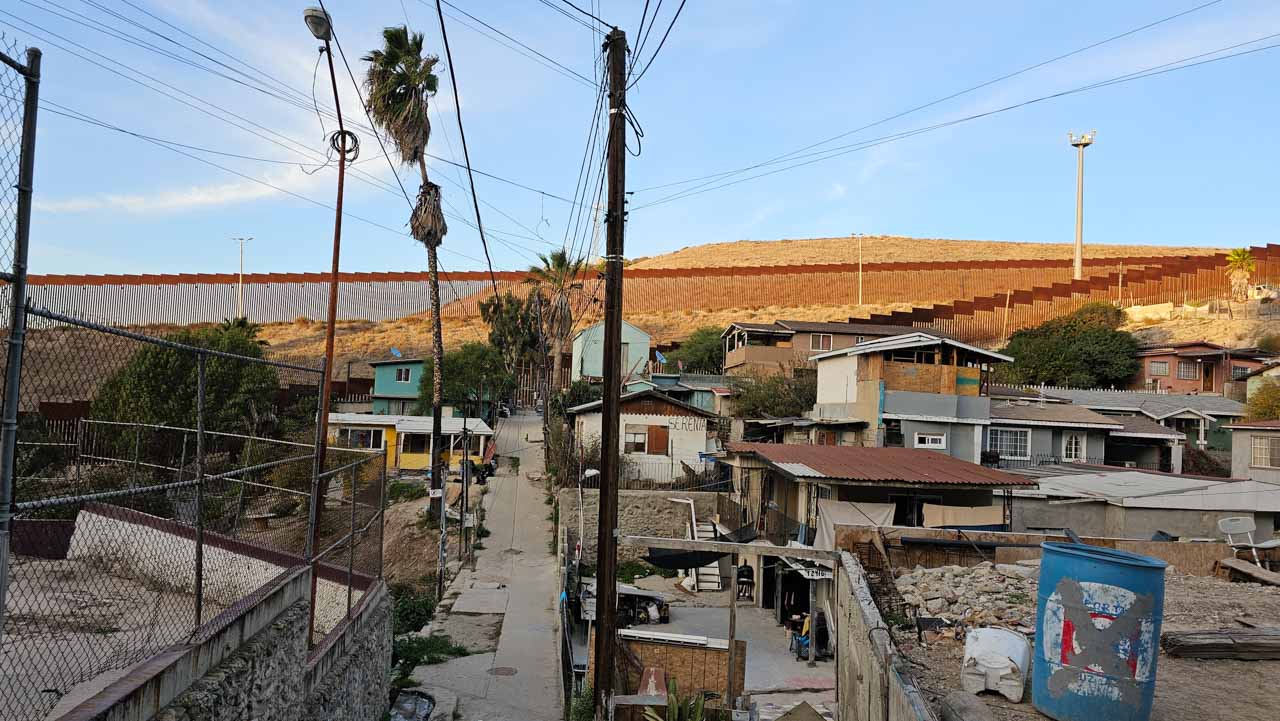
“On the Other Side” is an augmented and mixed-reality experience that explores the Mexico-USA border from the perspective of children as they grow into adulthood through interviews and drawings taken 14 years apart, offering a rare glimpse into the lasting impact of growing up in a divided landscape.
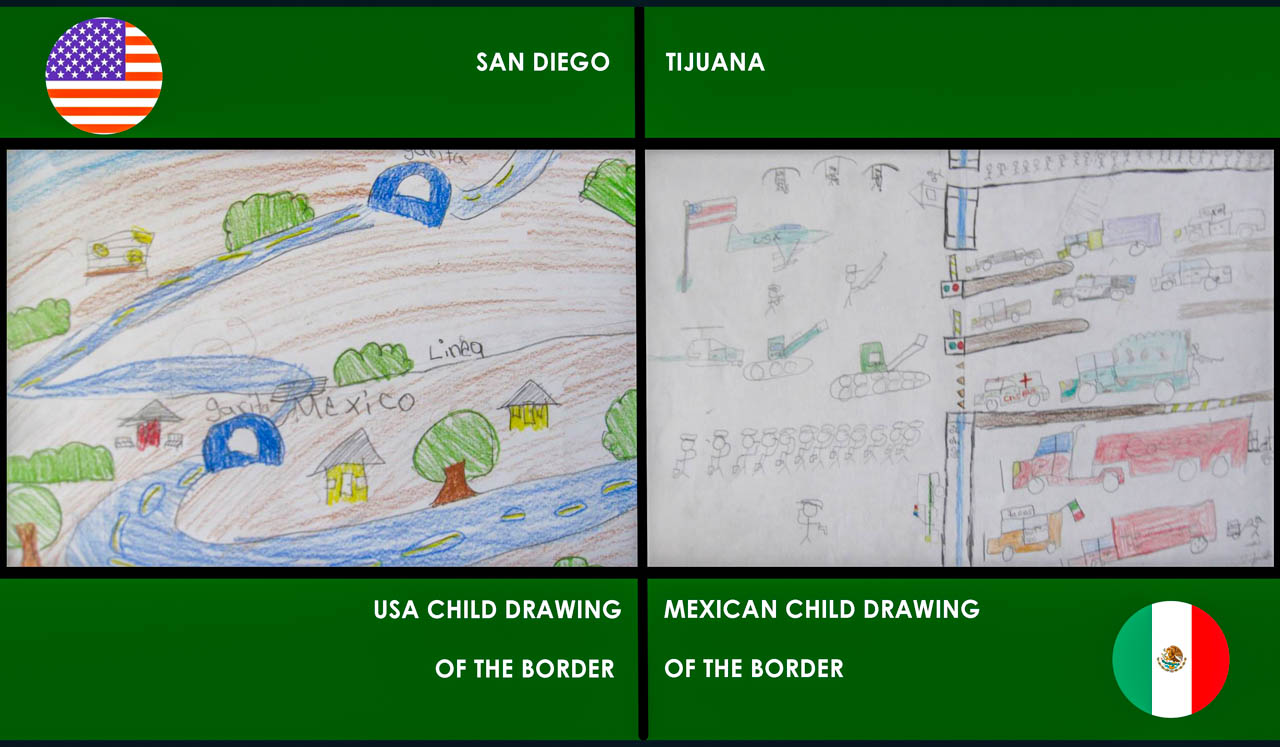
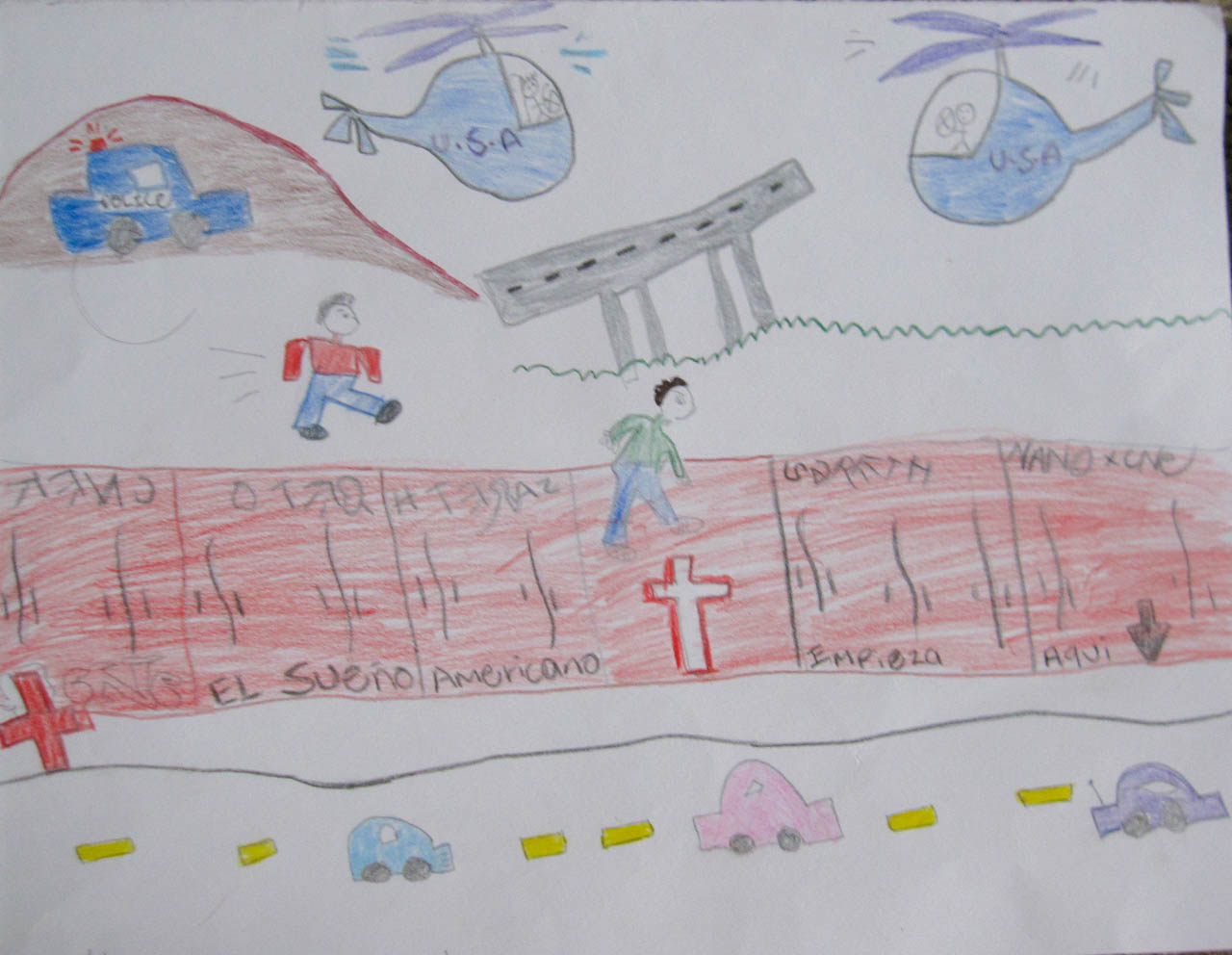
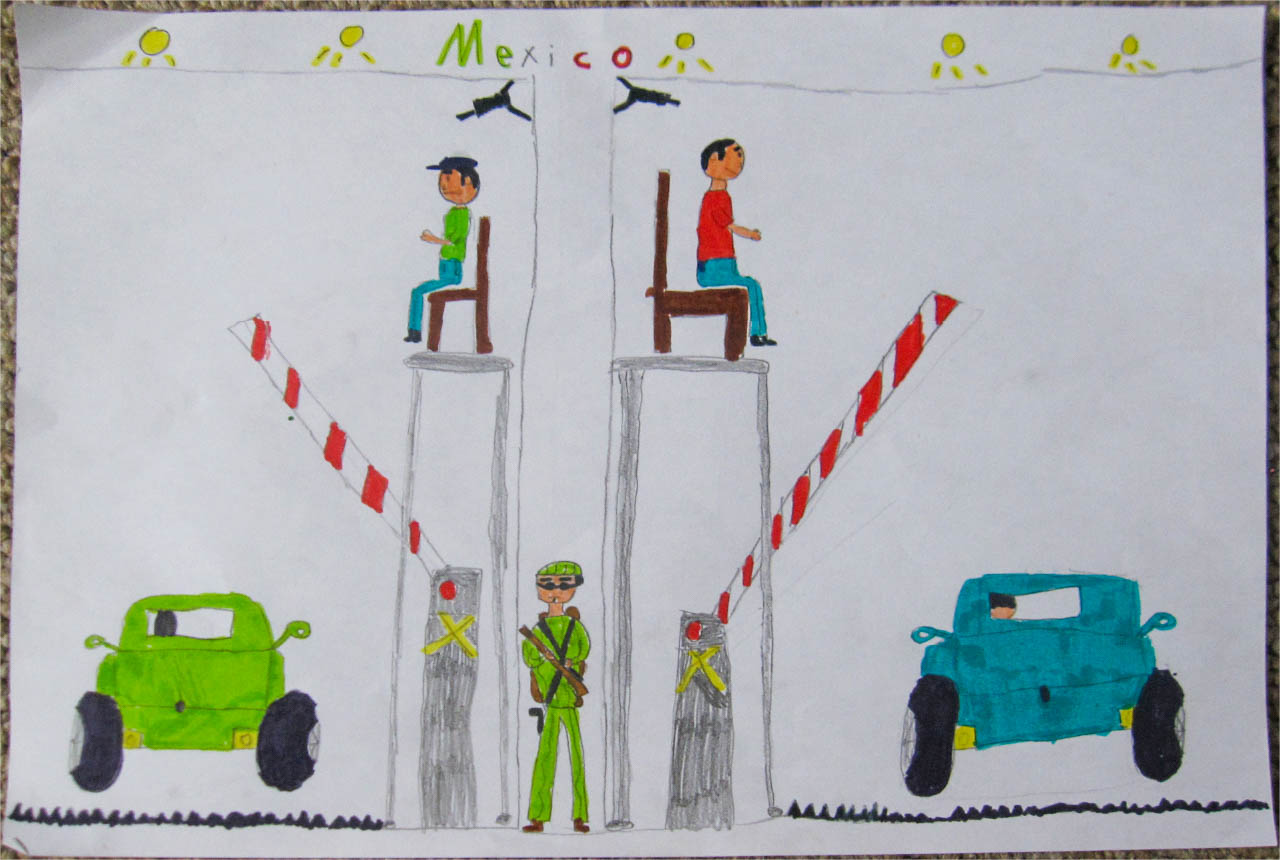
Through personal interviews and drawings, the project explores their views on the wall, their perceptions of one another, and their hopes for the future.
Fourteen years later, Eva returned to these communities for follow-up interviews with the same children, providing a unique perspective on the long-term impact of growing up near the border.
Explore
£5,000

Aims of the Project
The prototype refines key aspects of the project’s artistic vision while fully developing its technical components through a clear production methodology.
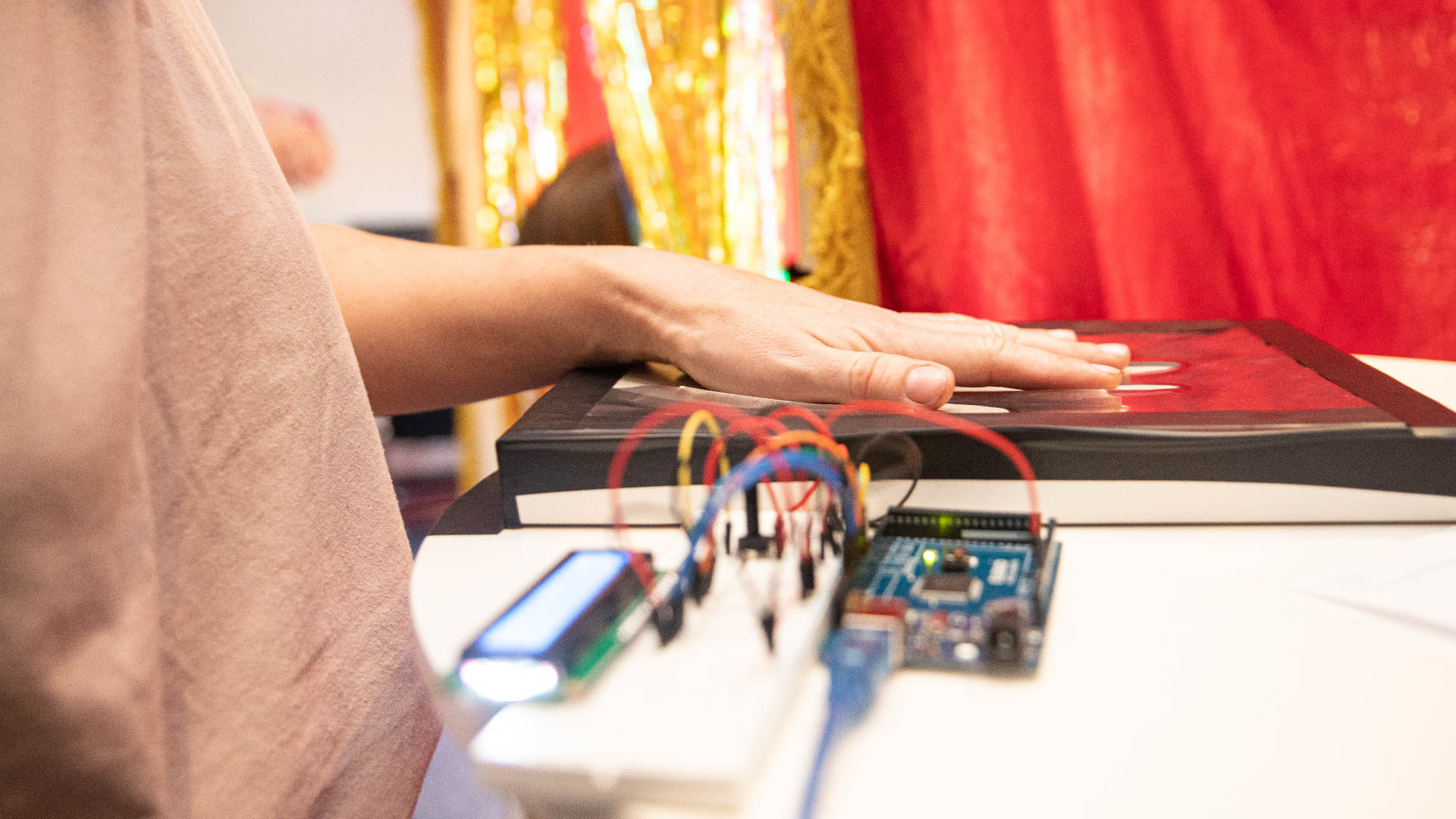
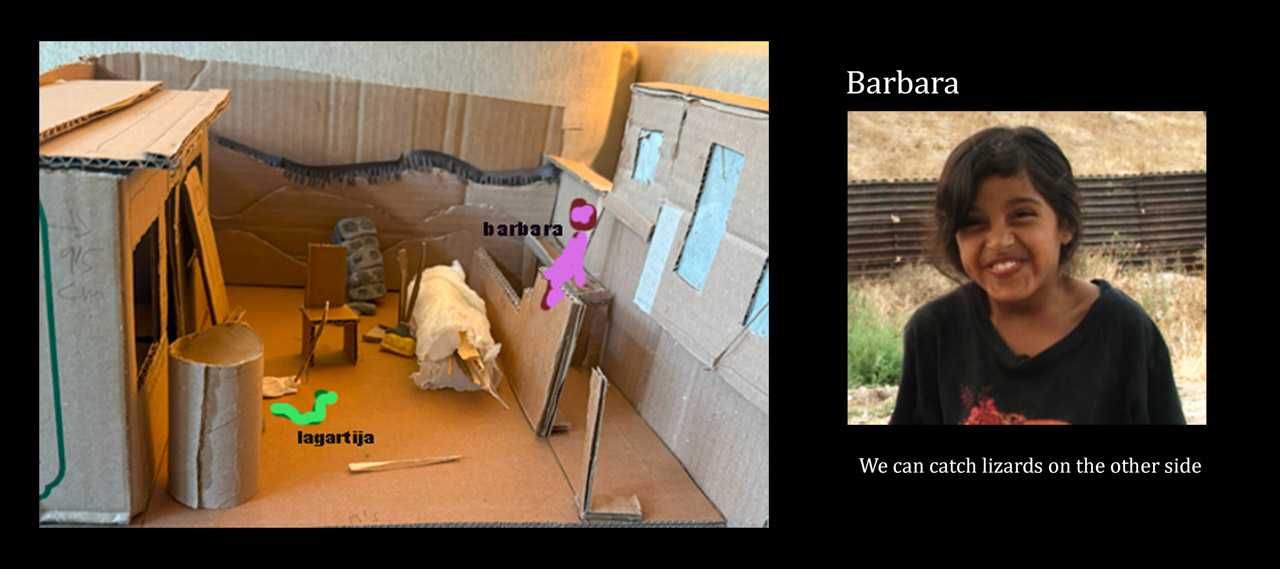
This approach allows audiences to interact with a 3D character and transition seamlessly from a physical 3D model to a Virtual Reality (VR) environment. When users touch a room in the physical model—where the 3D character of a child interviewed in Tijuana in 2010 is located—they are instantly transported to that same room in VR, revealing a 360-degree recording of the real person 14 years later.
Additionally, Eva tracks the 3D character within the shanty town’s physical setting and explores ways to integrate 2D animation, particularly the children’s drawings, into the physical model. This helps convey their fantasies and perceptions of “the other side.”
The prototype provides a practical understanding of the unique artistic and technical challenges associated with mixed and augmented reality experiences, which are essential for the project’s success. These technical factors influence the project’s timeline, scheduling, and budget.
Furthermore, the prototype enables Eva to connect and collaborate with animators, technical directors, developers, and producers, assisting in seeking additional funding and mentorship within the industry.
Prototype 1: Animatic
Animatic for Oculus in AR transition to 360VR.
Prototype 2: Mobile
Mobile app with Animatic transition to 360 – this is the iphone demo with the realistic set
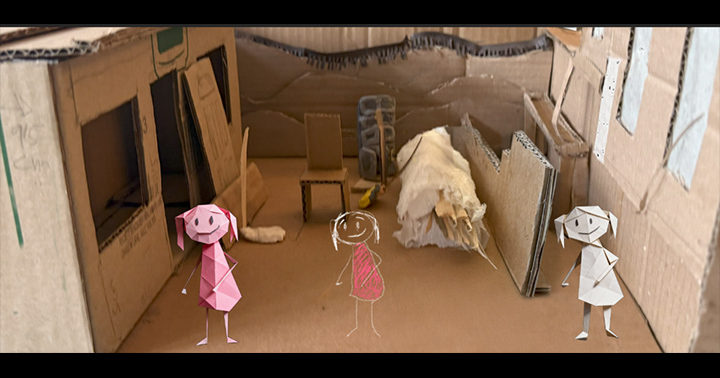
After presenting an animatic with a recycled cardboard box set and getting feedback, we realised that the cheap recycle model and rough animation most effectively captured children's perceptions of the border and reflected their earlier drawings from 2009, while also reducing production costs.
Animation test
Animation test with the cardboard set.

How did they do that?
What we did:
- Team – collaborators in place – agreed
- Narrative for the prototype
- Animatic
- Art direction for house doll set
- Character design
- Model set
- Interaction design
- Subtitles
- 360 editing
- Prototype 1 : Animatic for Oculus in AR transition to 360 VR
- Prototype 2 : Mobile app with Animatic transition to 360 VR


What is next?
By developing this project, we built a team—producer, executive producer, creative technologist/developer, modelers, and animators—to take it to the next stage.
- Animate the animatic and bring it into the 2 prototypes
- Further the character design
- Test the 2 prototypes at Portsmouth University
- Edit all the children’s stories and create 2 games to populate the Mexican and USA wall for reaching further funding
Our goal is to determine which of the two prototypes is more effective in encouraging curiosity and to assess the story's impact on our audiences.
Meet the artists
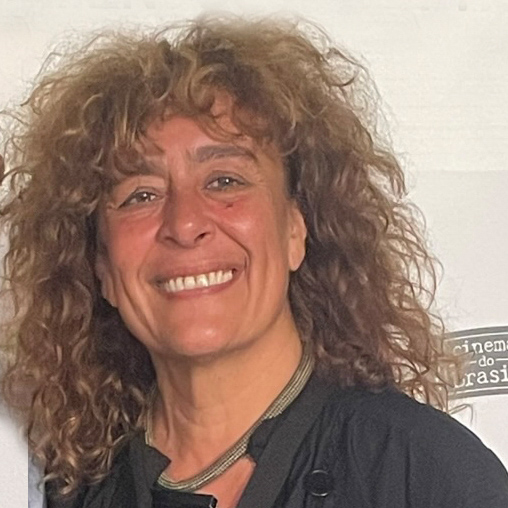
Eva Palacios
Lead artist
In 2020, Eva began directing her own projects, including The Walker, which was showcased at the Venice Biennale in 2021. She is currently developing On the Other Side, an augmented and mixed-reality experience that captures children’s perspectives on the Mexico-USA border through interviews and drawings. This project offers a rare and powerful insight into the lasting impact of growing up in a divided landscape fourteen years later
Eva has built an independent career in animation across theatre, documentaries, advertising, and news. Her collaborations have been featured at the Peacock Theatre, the Edinburgh Festival, the BBC, and Channel 4. As the creative director of Toyfund Ltd., she worked with major clients, including Armand Penguin/Warner and Arcadia.

Lou Doye
Executive Producer
Founder of LD Presents Lou has been instrumental in carving out new frontiers in immersive media with IP from film and television.
In immersive media, she has collaborated with major companies like Apple, Dolby, and Meta to create innovative storytelling experiences. Her work, which includes Emmy-nominated projects and award-winning titles such as TITANIC | THE DIGITAL RESURRECTION and Sir David Attenborough’s GALAPAGOS, has received recognition at prestigious events like Venice La Biennale and SXSW.
Lou excels as an Executive Producer in both immersive IP and the performing arts, blending multi-platform storytelling with cross-disciplinary collaboration.
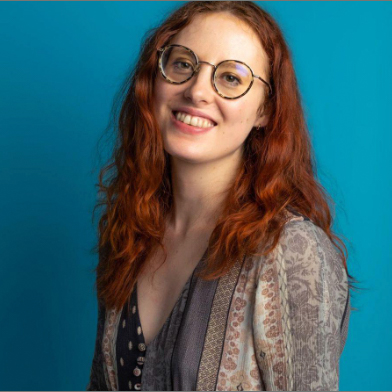
Iona McEwan
Producer
Iona works as a lead or director for Atlantic Productions in their immersive department, leading projects across a range of platforms including Quest, Applevision Pro and 8th Wall. Notable productions as lead include ‘Galapagos’ with David Attenborough (Meta Quest TV) and Emmy-nominated ‘Kingdom of Plants with David Attenborough (Meta Quest TV).
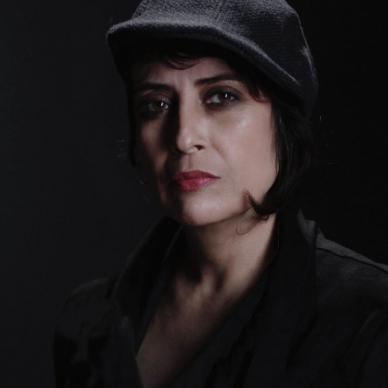
Rita Basulto
Model maker
Her work as a director has won five Ariel Awards, which are Mexico’s most prestigious film honours, awarded by the Mexican Academy of Cinematographic Arts and Sciences (AMACC). Her short animated film *Humo* was pre-selected for the 2024 Oscars.
She has collaborated as a photographer, puppet designer, and director on short films, art films, and feature films such as ‘Desierto Adentro’, ‘Jaulas’, ‘Mutatio’, ‘Los Aeronautas’, and ‘Tío’. Additionally, she worked with Guillermo del Toro on ‘Pinocchio’.
Her work has been recognized at more than 50 international festivals. She has also collaborated with studios such as Mackinnon & Saunders and Warner Bros. Animation and she is a member of the Academy of Motion Picture Arts and Sciences (AMPAS) in the USA.

Emi Mitchell
Developer
Emi Mitchell is a multidisciplinary creative technologist working in the areas of software, hardware and design to create innovative products, installations and experiences.
Focusing on rapid prototyping with cutting edge technologies, leveraging a wide variety of components in the process of creating tangible outcomes from abstract ideas. Emi’s projects are generally directed towards human interaction with technology, exploring presence and immersion in digital spaces. Their main areas of specialisation are XR, graphics, interaction & physical computing.
Their work has been featured in Goldsmiths Computing Expo 2013/2014, The Science Museum (London), The Victoria and Albert Museum (London), BBC Click, The Guardian and EMF 2022.