Projects
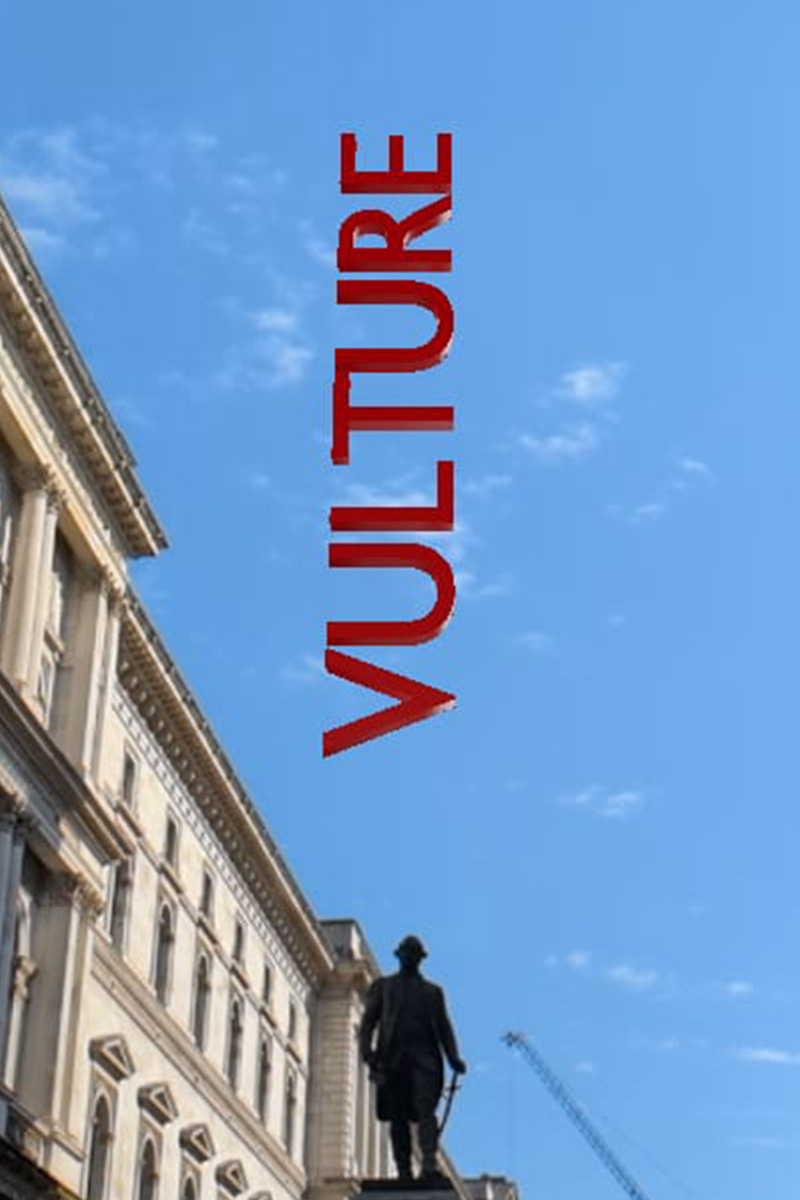
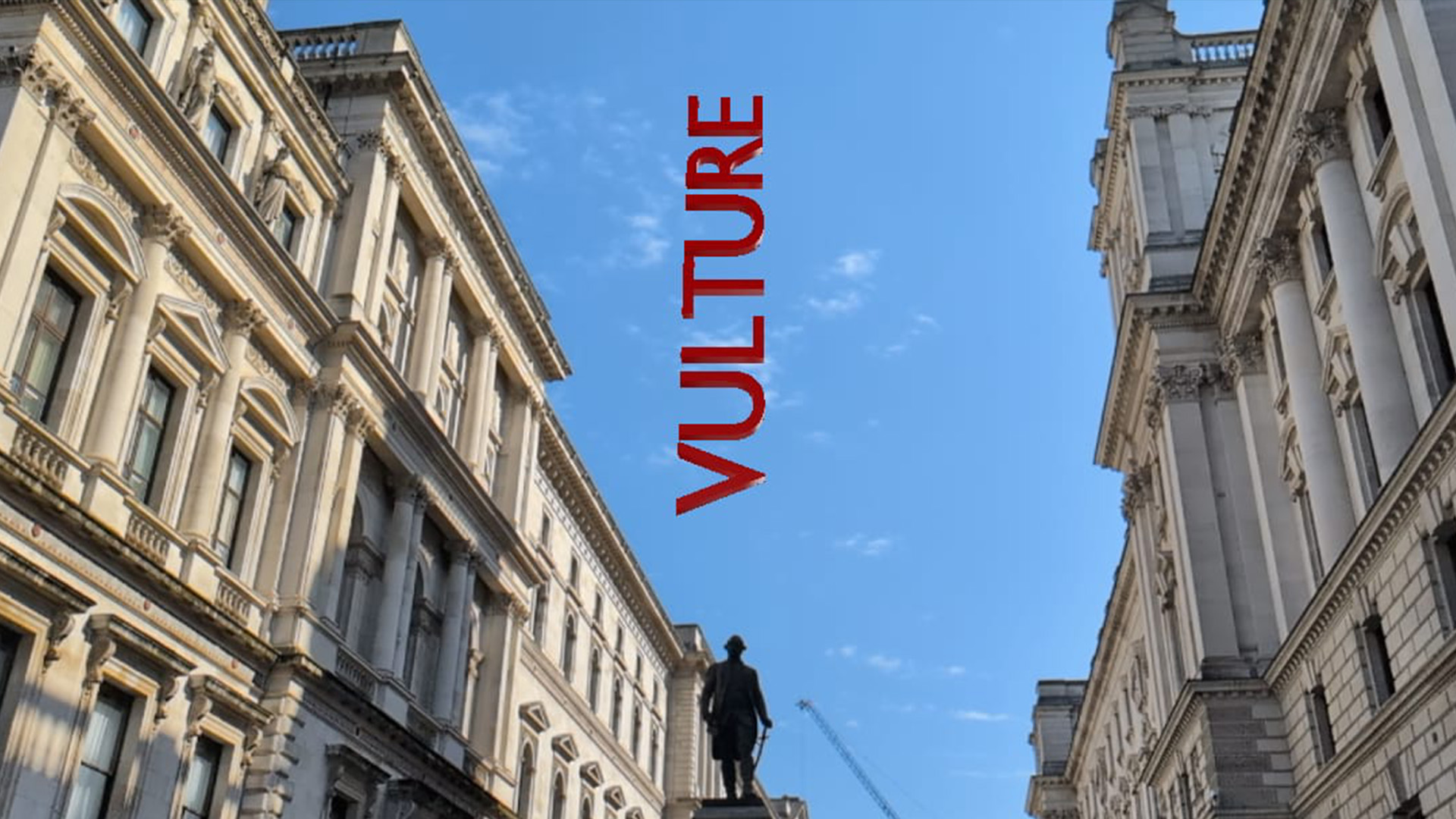
Release – unlocking the silences relating to contested statuary
Release – unlocking the silences relating to contested statuary
My intention throughout Explore was to address the silences surrounding contested statues. In particular, I focused on the statue of Robert Clive (also known as Clive of India) in Whitehall, London.
As a key architect in the early colonisation of India, I sought to integrate often-overlooked factual and biographical information about Robert Clive's life with personal reflection and an understanding of his legacy. I explored how immersive technologies might be used to tell this story.
Explore
£5,000
Aims of the project
The project aims to unlock the stories related to contested statues using the creative options made possible through AR. The project aligns with the artist’s practice which is centred on fostering connection and belonging through art. The artist is interested in the democratisation of our public space, and how AR might offer a radical form of place-based storytelling.
The project will allow an exploration of AR technologies and how they can be used as a radical form of storytelling relating to contested statuary. The project will draw together heritage and technology research in an iterative creative process. The anticipated outcome(s) will be a site specific digital intervention, the exact format of which will develop through the course of the project.
As a multidisciplinary artist, the project will help the artist explore an emerging form of technology through which they can communicate their practice and engage audiences in original and accessible ways. A key focus of the research would be to establish the most user-friendly and accessible methods to create new layers of AR interpretation. The thematic focus revolves around connection, belonging, and social cohesion. The project aims to democratise and decolonise the narrative relating to contested statues.
How did they do that?
The project started in earnest with a visit to the Robert Clive statue in London, exploring how it might be brought to life through augmented reality. Working with a technology partner (Domingos Studios) we tested how words associated with Robert Clive might be positioned in relation to the statue.
Several challenges arose when considering the numerous ways the statue might be interpreted through AR. Firstly, the statue is positioned on steps which posed some challenges for positioning AR assets relative to it. There were also additional technical challenges. e.g. what were the limits of the technology (Adobe Aero), what would the trigger be, would there be sound and how would it be incorporated, what type of experience would it be (active/passive)? There were also artistic challenges, such as what information to include, what format to use, whether to include narration, who would narrate, who the audience was, and which AR assets to use.
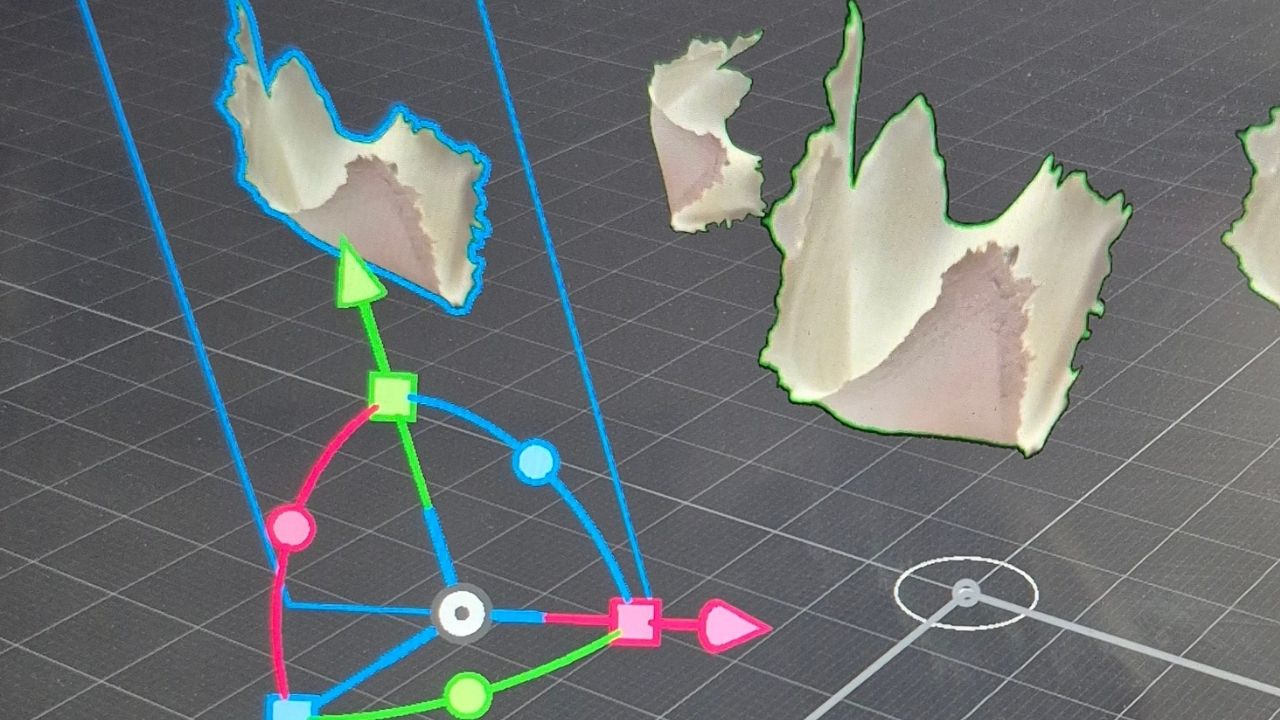
The intention was to use Adobe Aero for its Geospatial capacities. However, as the project progressed, it was revealed that Adobe Aero would be discontinued. Given the limited information about whether a successor would be available, it was decided that, for now, a VR experience would be created. I sought to create a VR experience that could be translated into an AR experience once a replacement for Adobe Aero was identified. I revisited London to capture the Robert Clive statue using photogrammetry. This posed its own complications, given that the statue is 7 metres tall.
Ultimately, I decided to create a narrated story about Robert Clive. I positioned it from a personal perspective while integrating factual and biographical information about Robert Clive’s life. The research, development, and distillation of the story for a VR experience were unexpectedly time-consuming, particularly the condensation of an entire biography into 9 minutes.
Outcomes
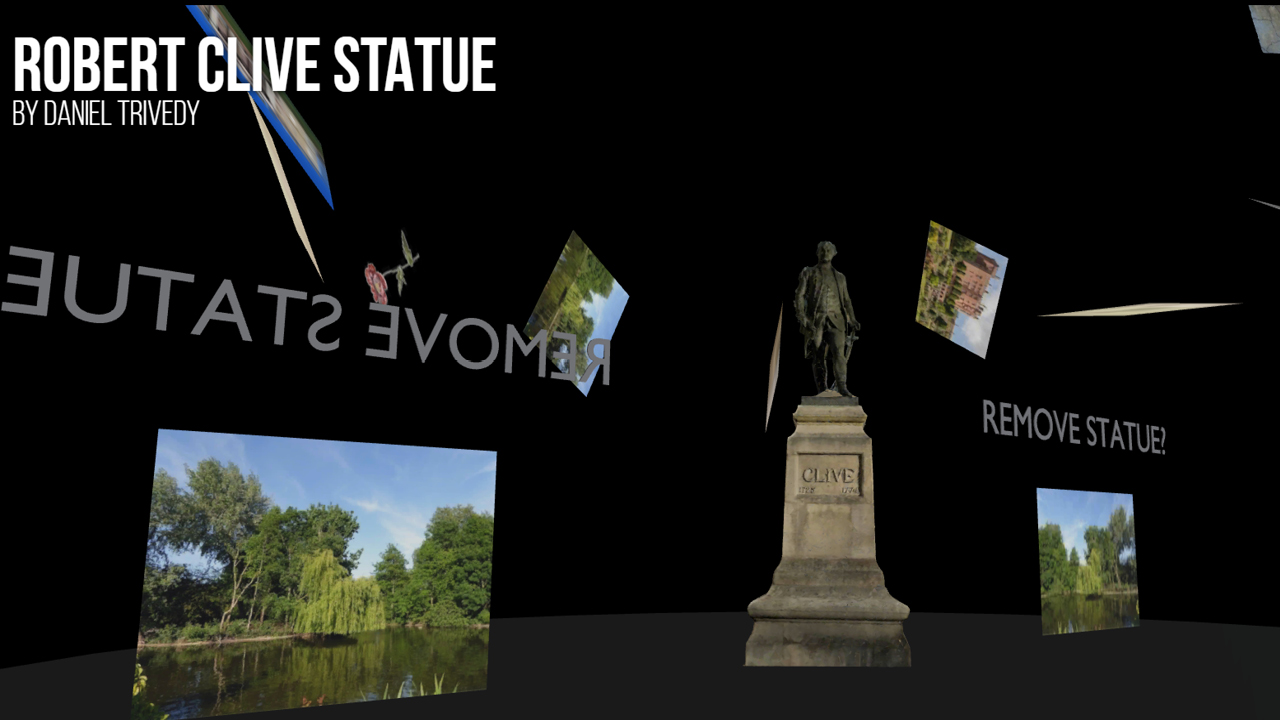
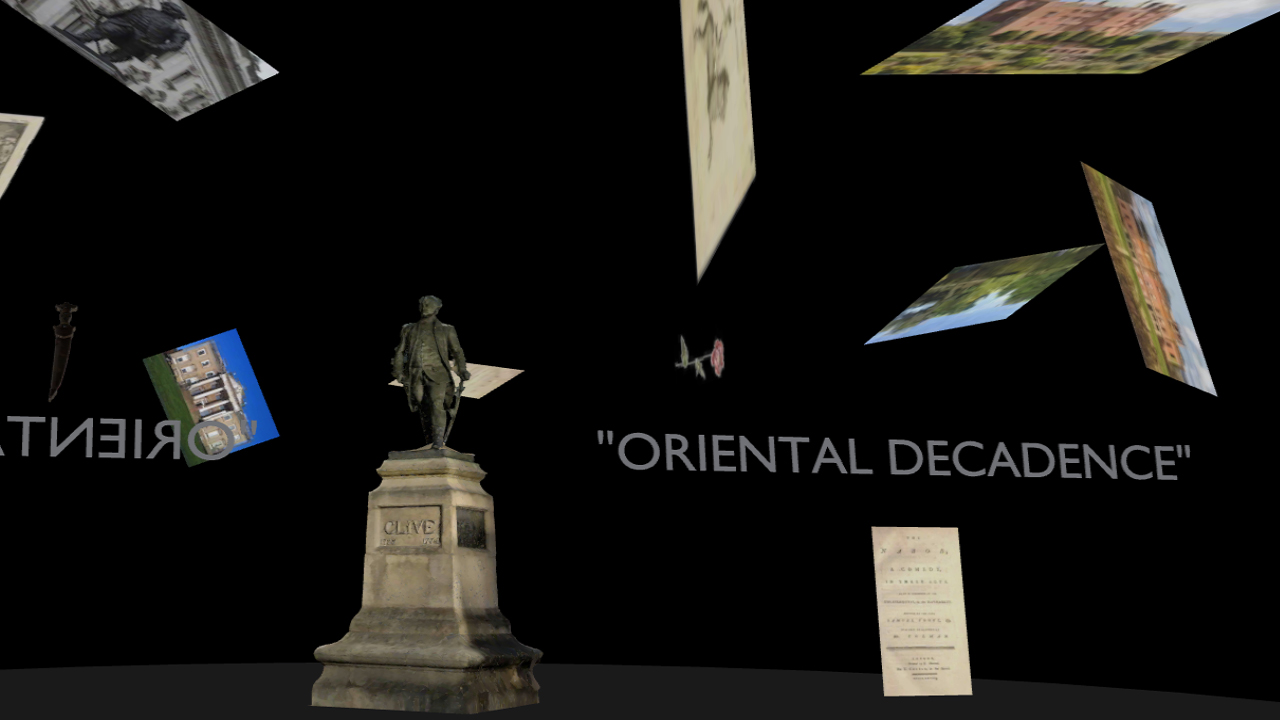
The final outcome was a VR experience that takes the form of a 9-minute narrated story.
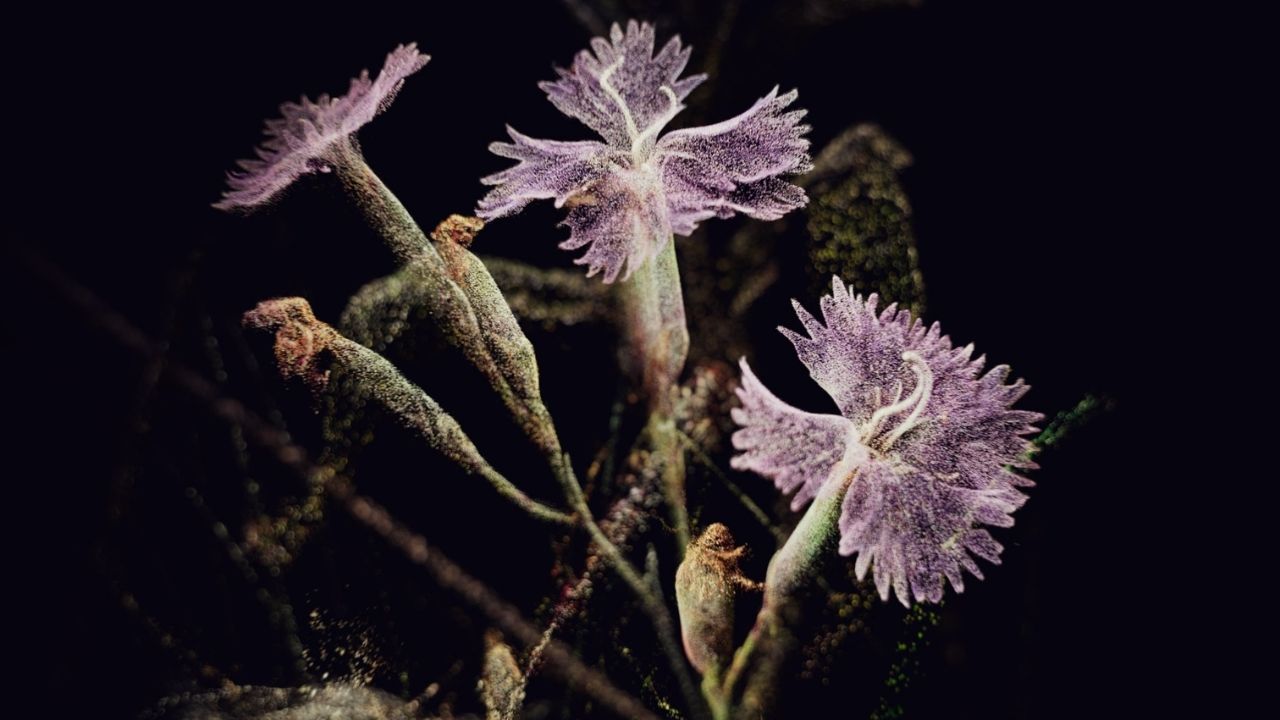
Within the experience, images and 3D assets orbit the statue of Robert Clive, with visual text punctuating the story at relevant points. To enhance and complete the experience, I created an accompanying soundscape that is best listened to with headphones.
Try the work in progress experience
"The making experience was highly iterative. The technology imposed creative constraints that, in part, shaped the project's direction. Blending the individual elements together, story, imagery and sound into a whole experience was the most exciting part of the process".
Meet the artist
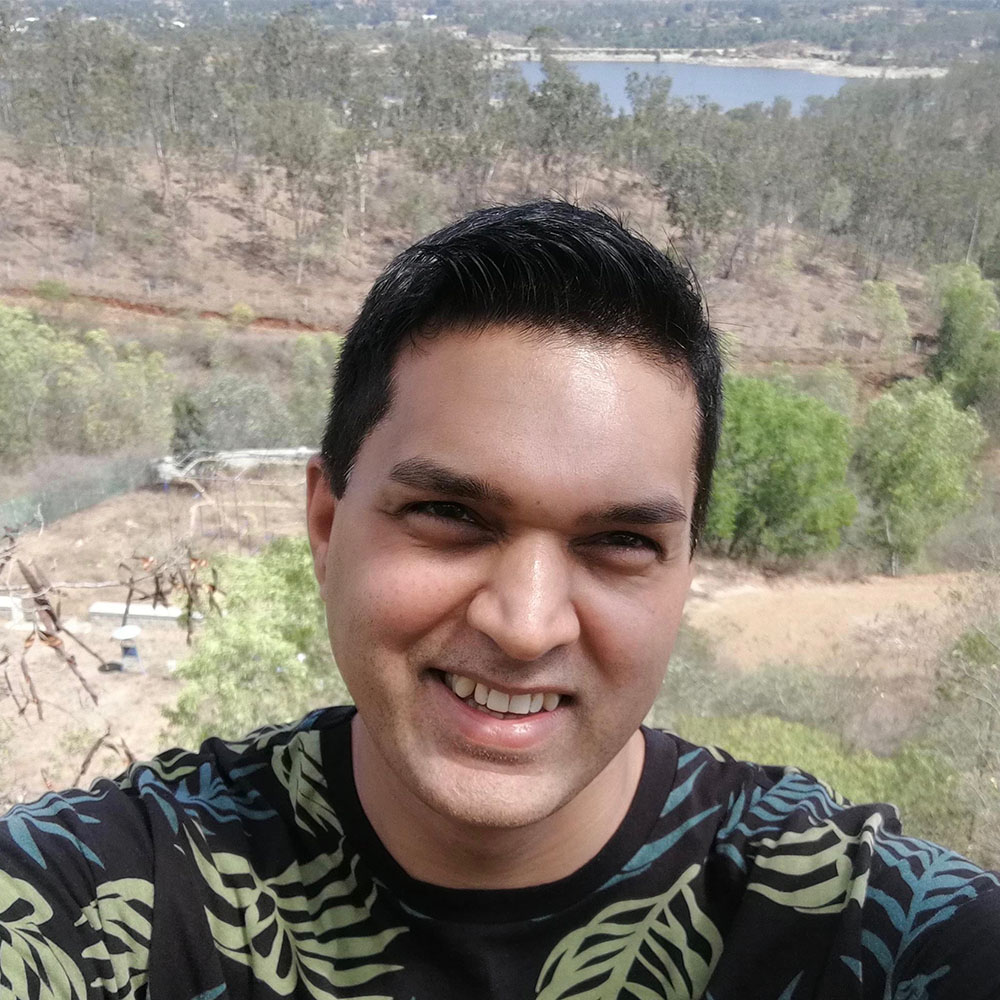
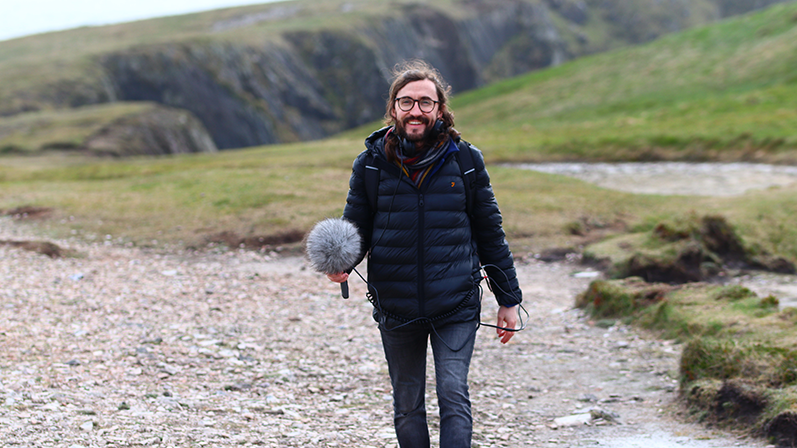
Daniel Trivedy
Lead artist
he/him
Daniel Trivedy is an multidisciplinary artist of Indian descent based in South Wales. His practice explores themes of identity, connection, and belonging. He is interested in our psychological relationship to each other, and the glue that holds us together.
His recent work ‘A Tiger in the Castle’ responded to the Clive Museum collection, a colonial collection of Indian objects held at Powis Castle. As a multidisciplinary artist, he is constantly seeking to find a balance between materials, ideas, and processes.

Domingos Studios
Creative Technologist
At Domingos Studios, we embrace everything that can be envisioned, constructed, and brought to life through the power of 3D technology. From virtual reconstructions to interactive digital tours, we pour our dedication into every project, ensuring that each creation captures attention and leaves a lasting impact.