Projects
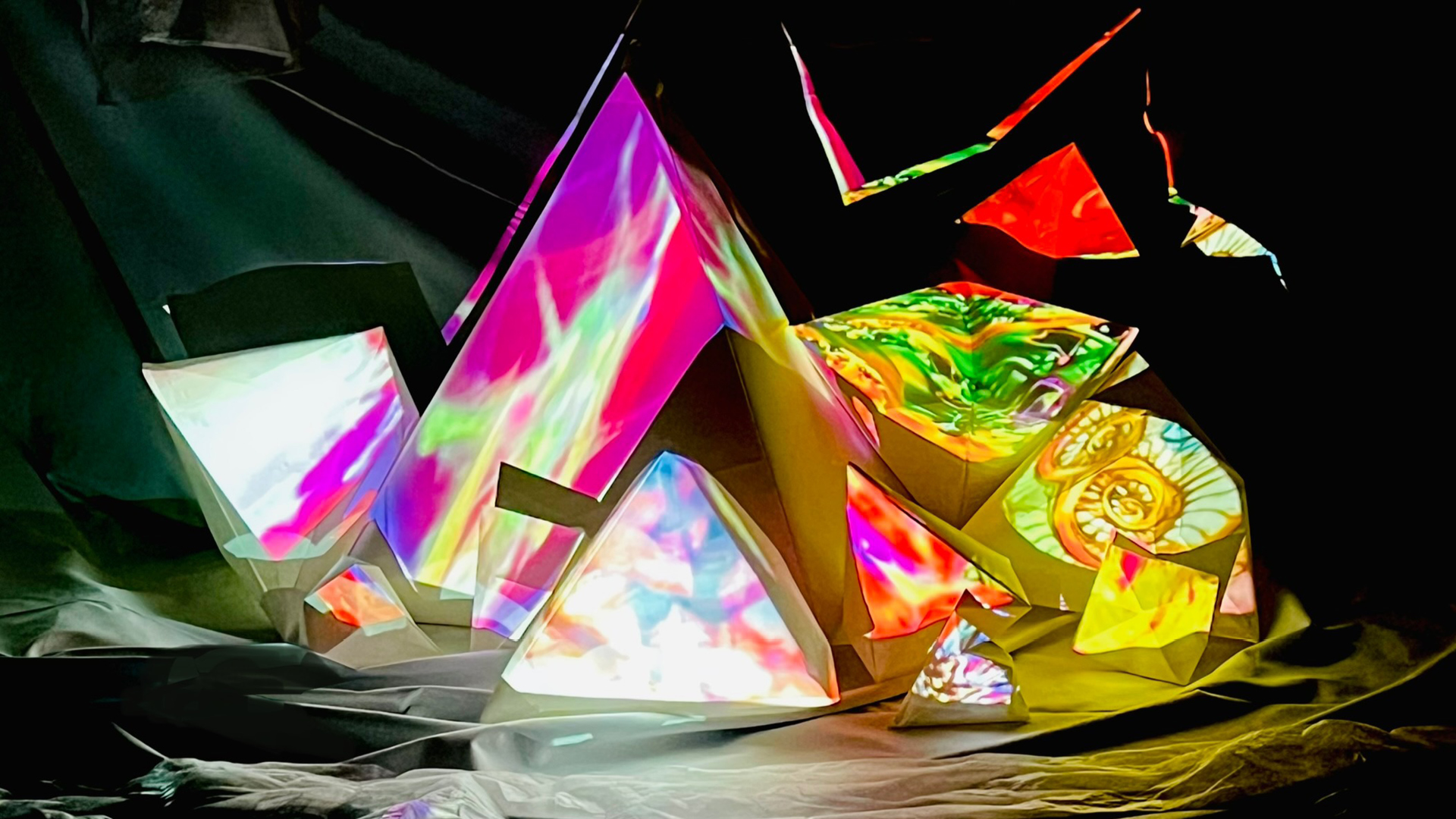
Sensory Symphony: Embracing Neurodiverse sensory perception through Immersive Art
Sensory Symphony: Embracing Neurodiverse sensory perception through Immersive Art
As a neurodivergent artist, I'm constantly exploring how my unique cognitive, sensory and perceptual experiences shape my world.
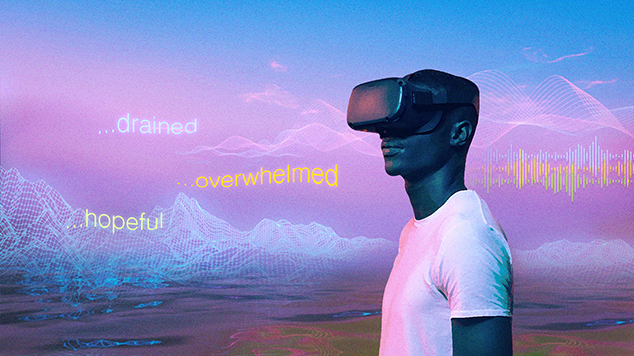
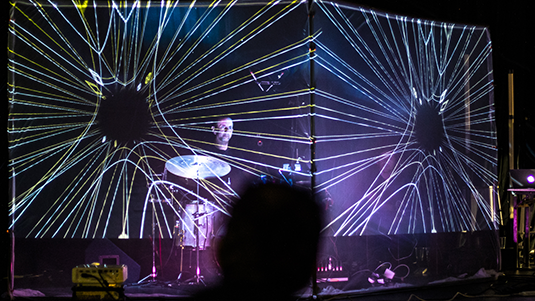
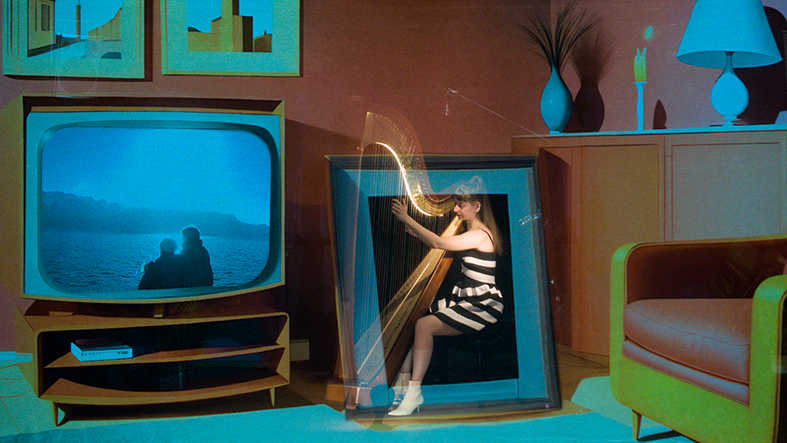
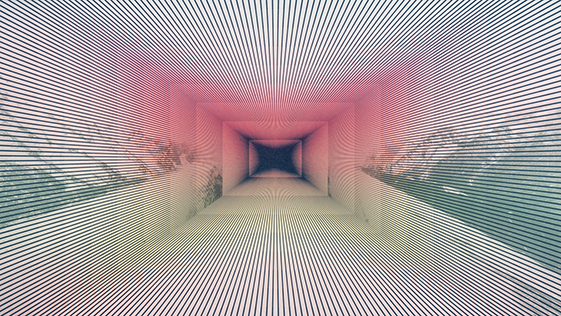
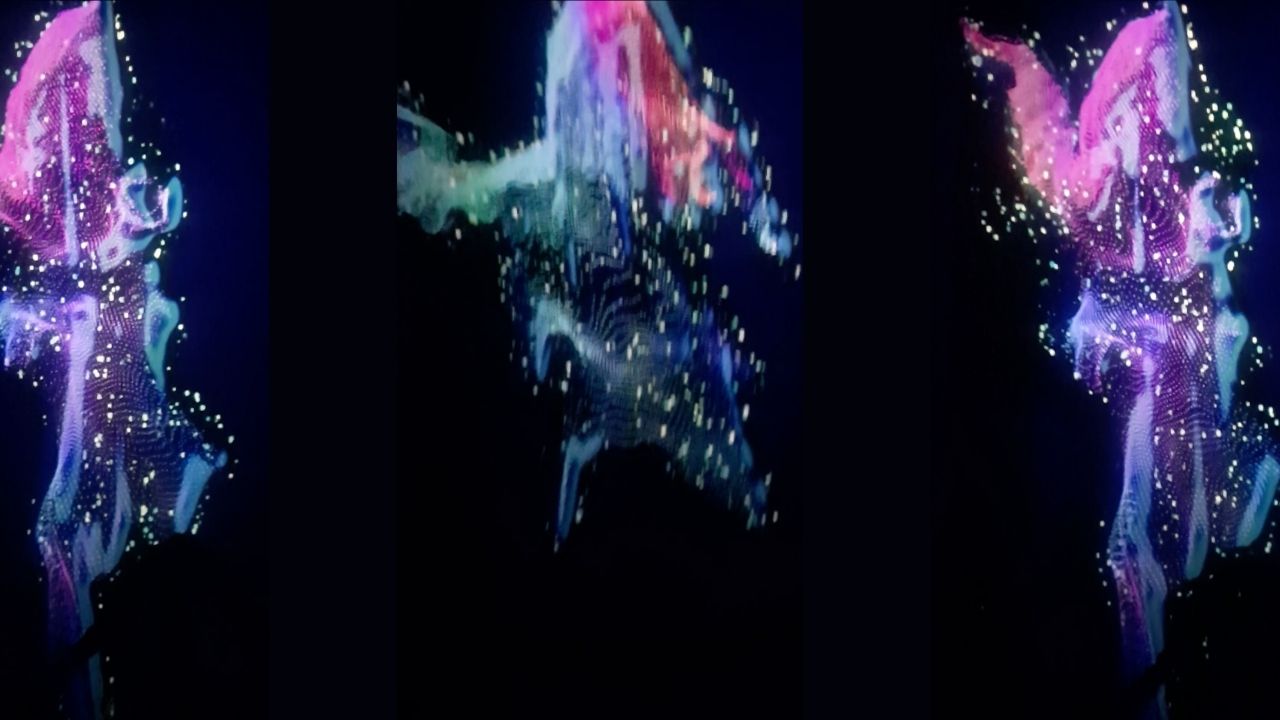
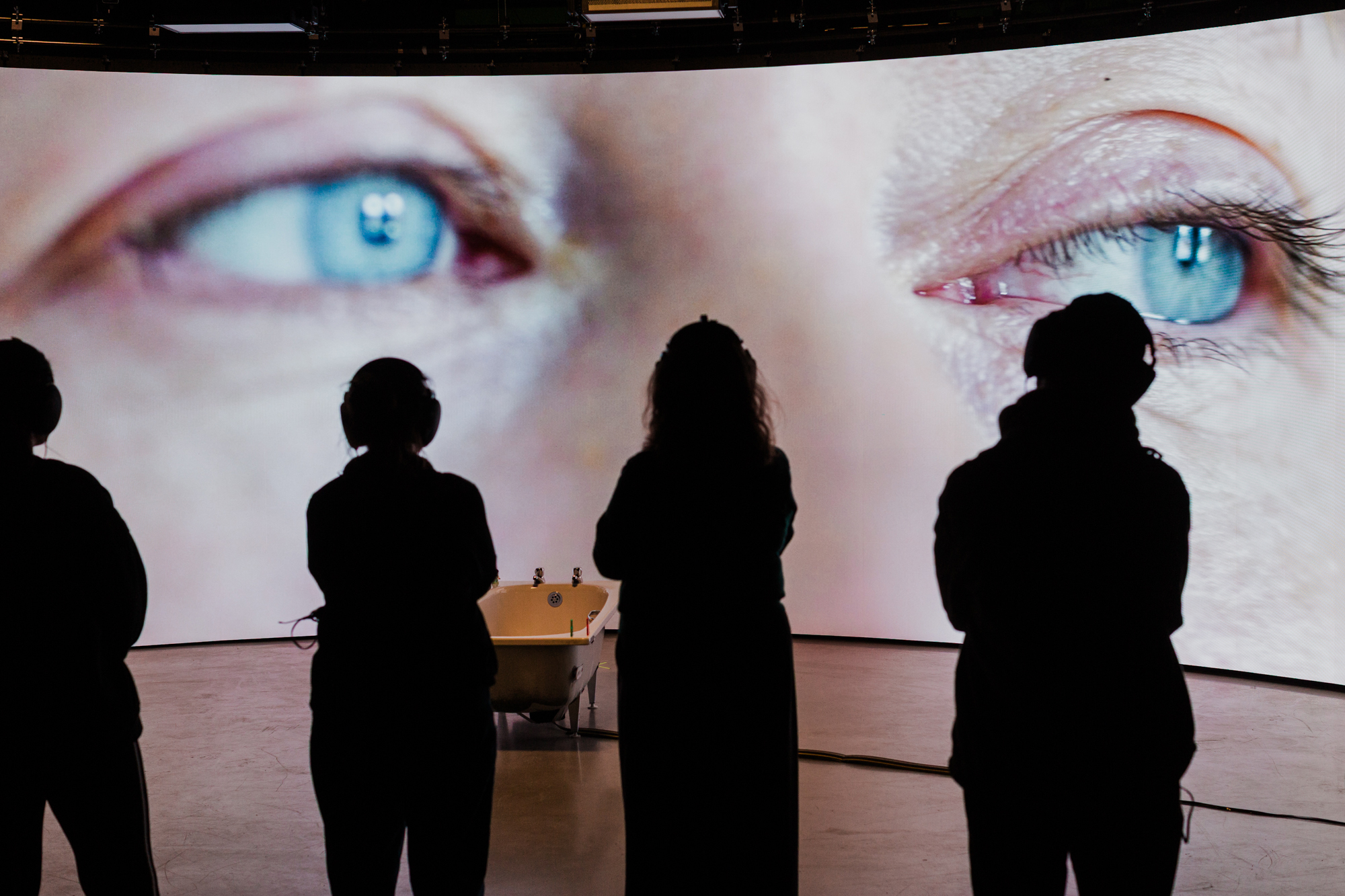
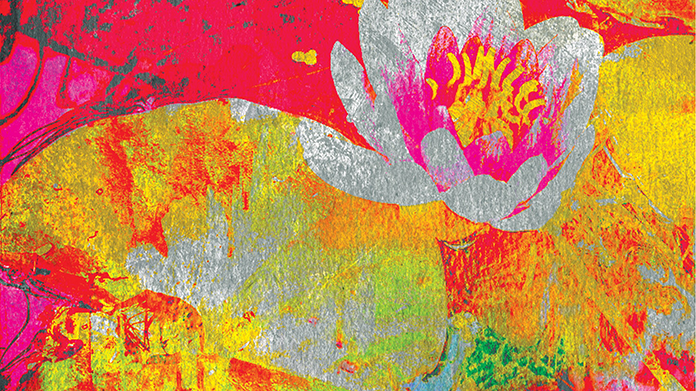
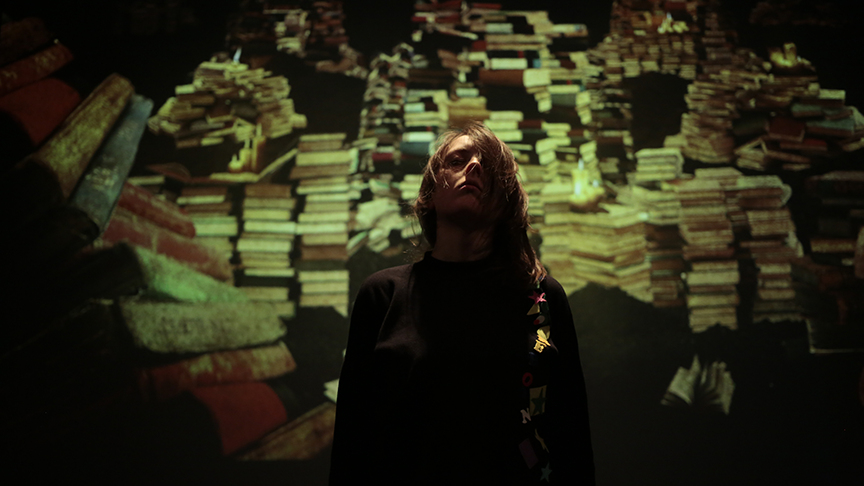
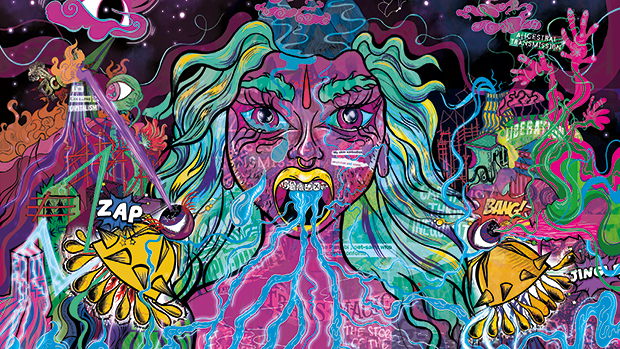
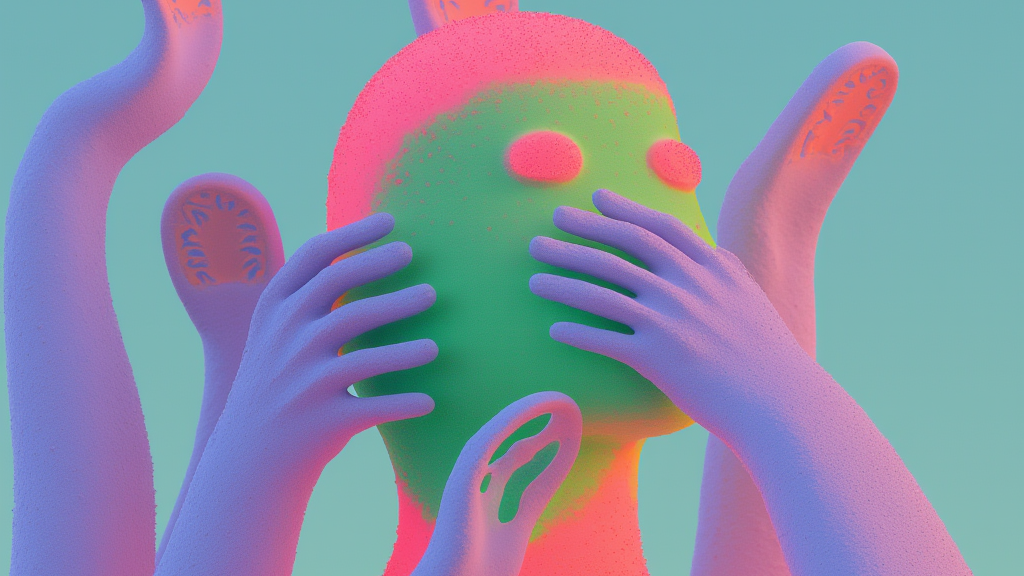
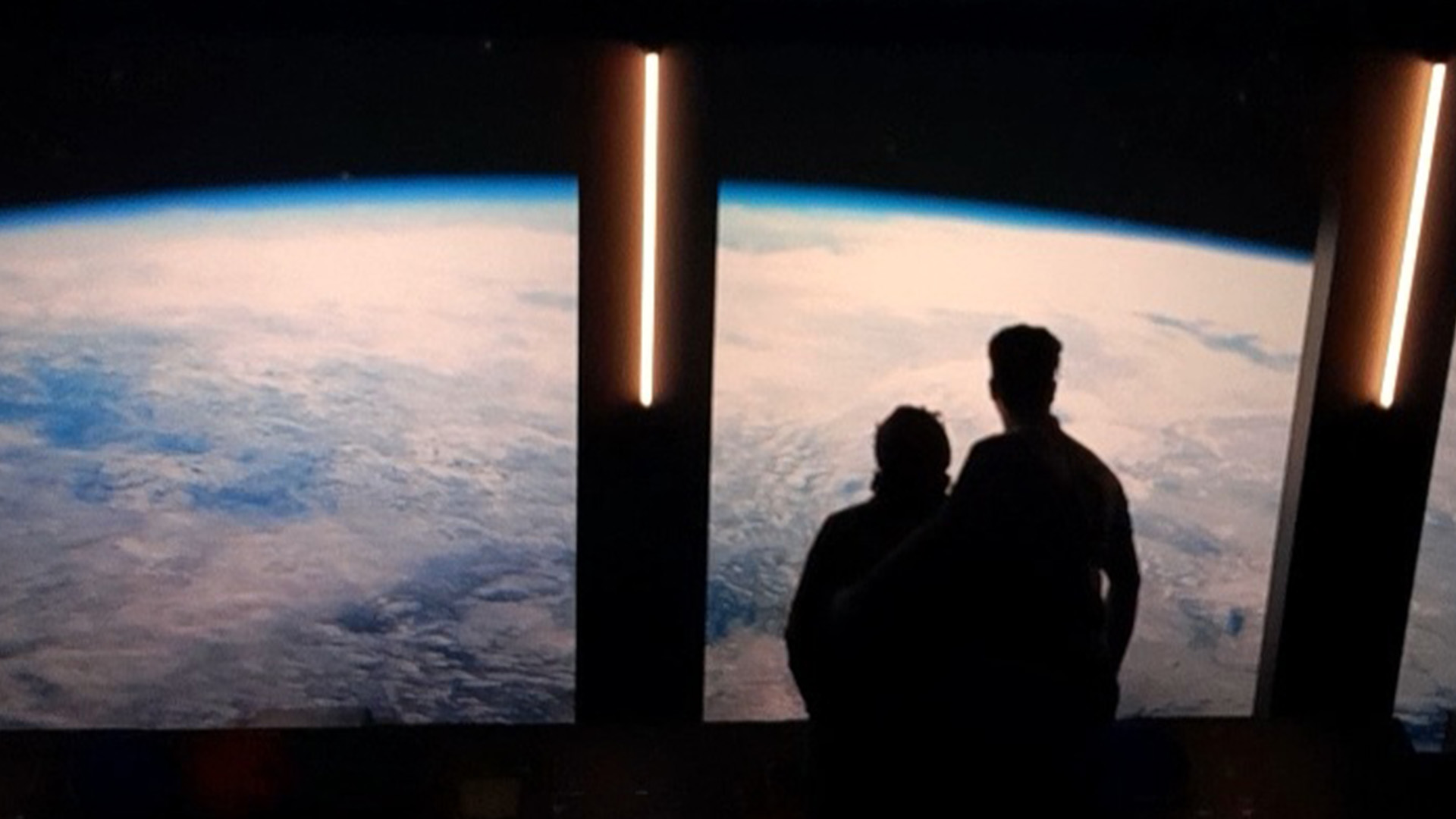
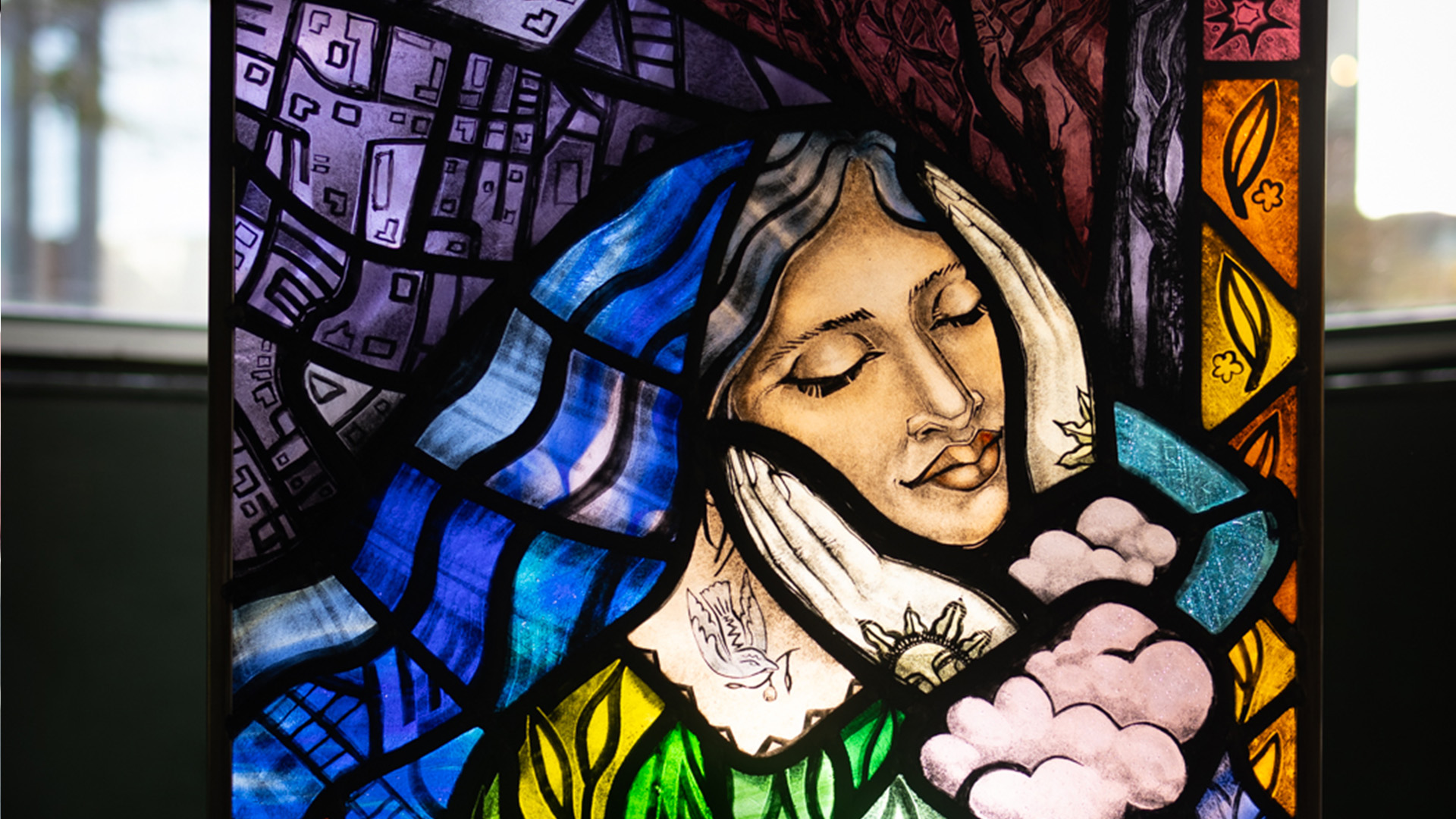
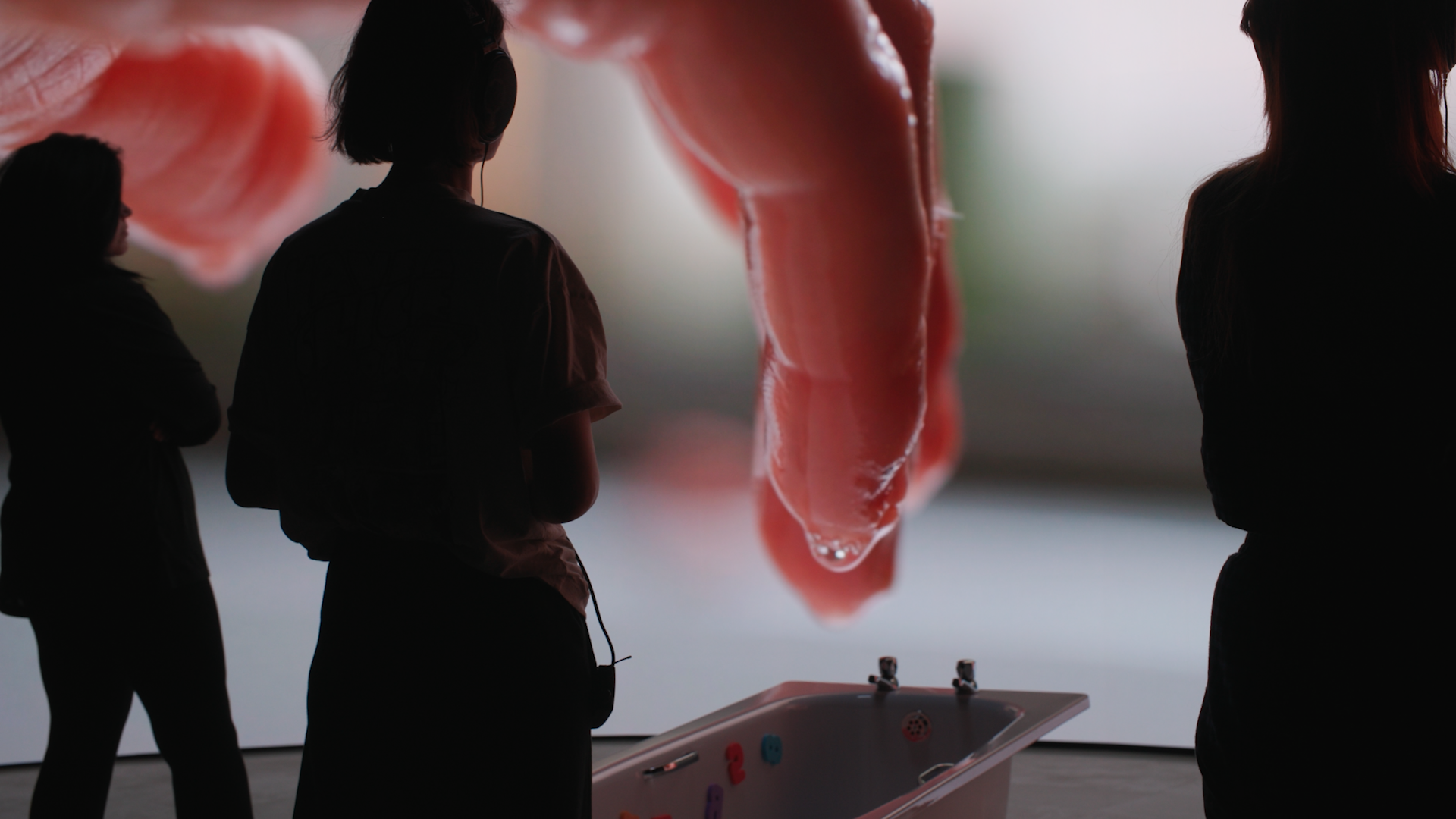
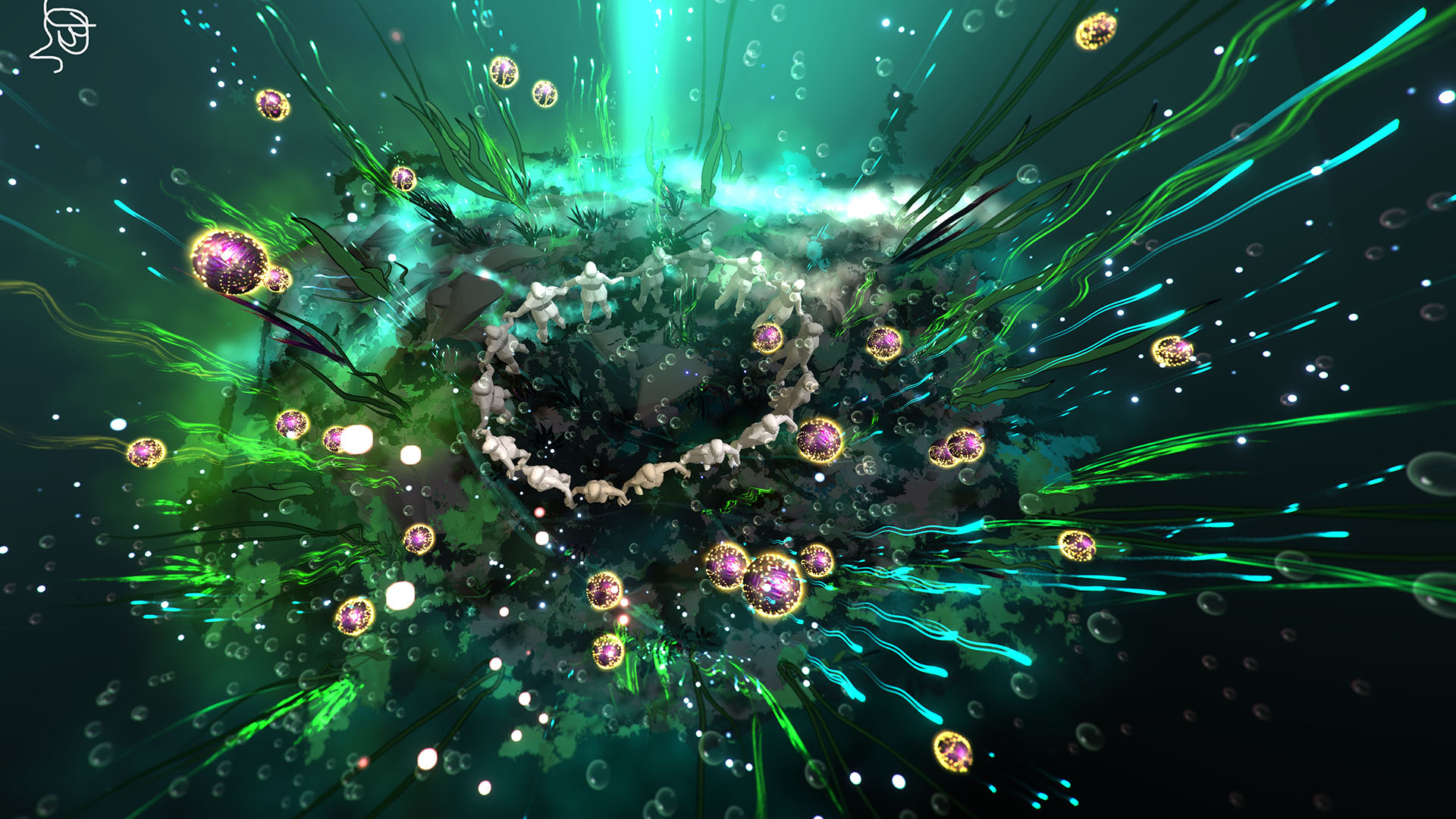
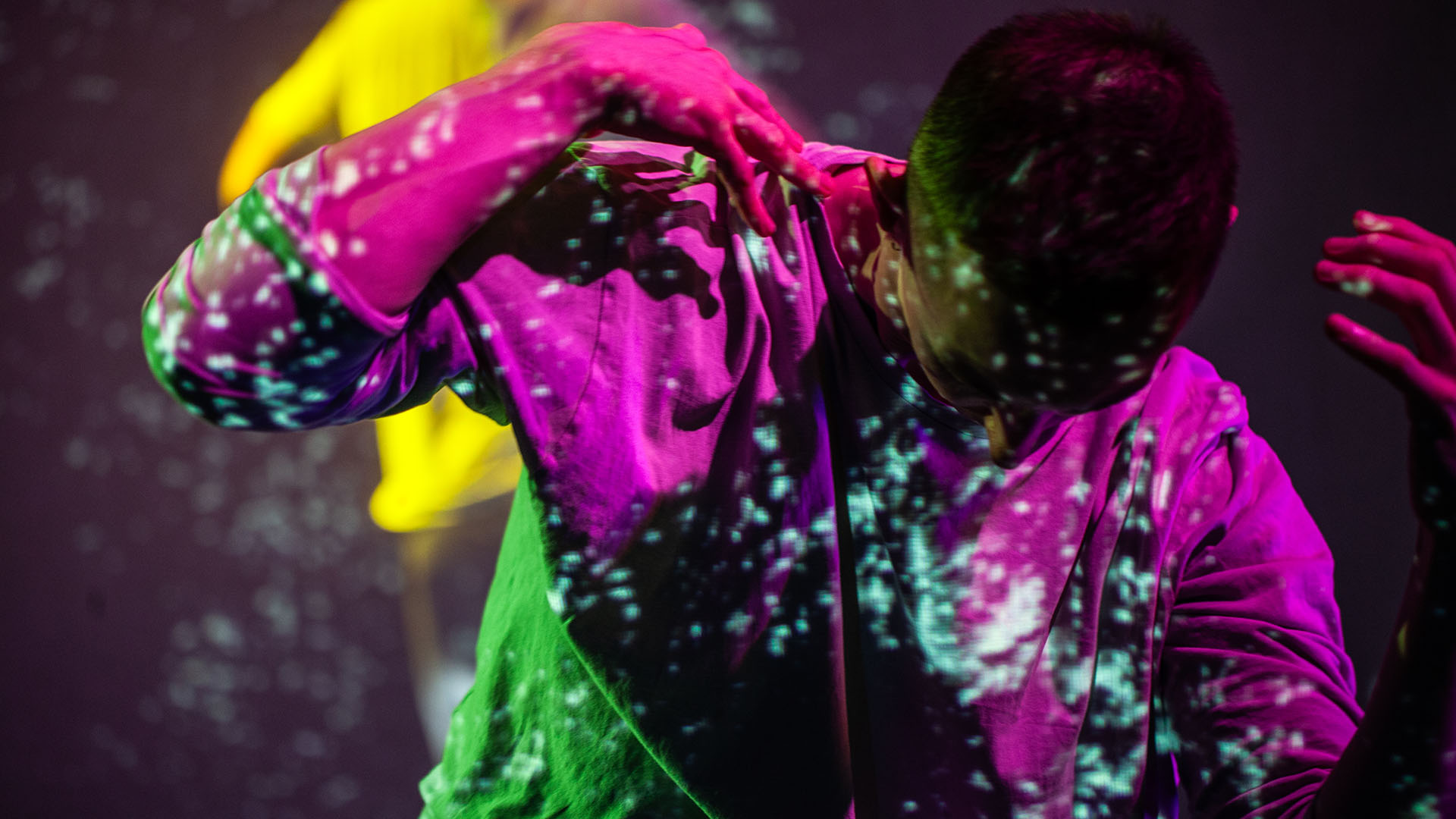
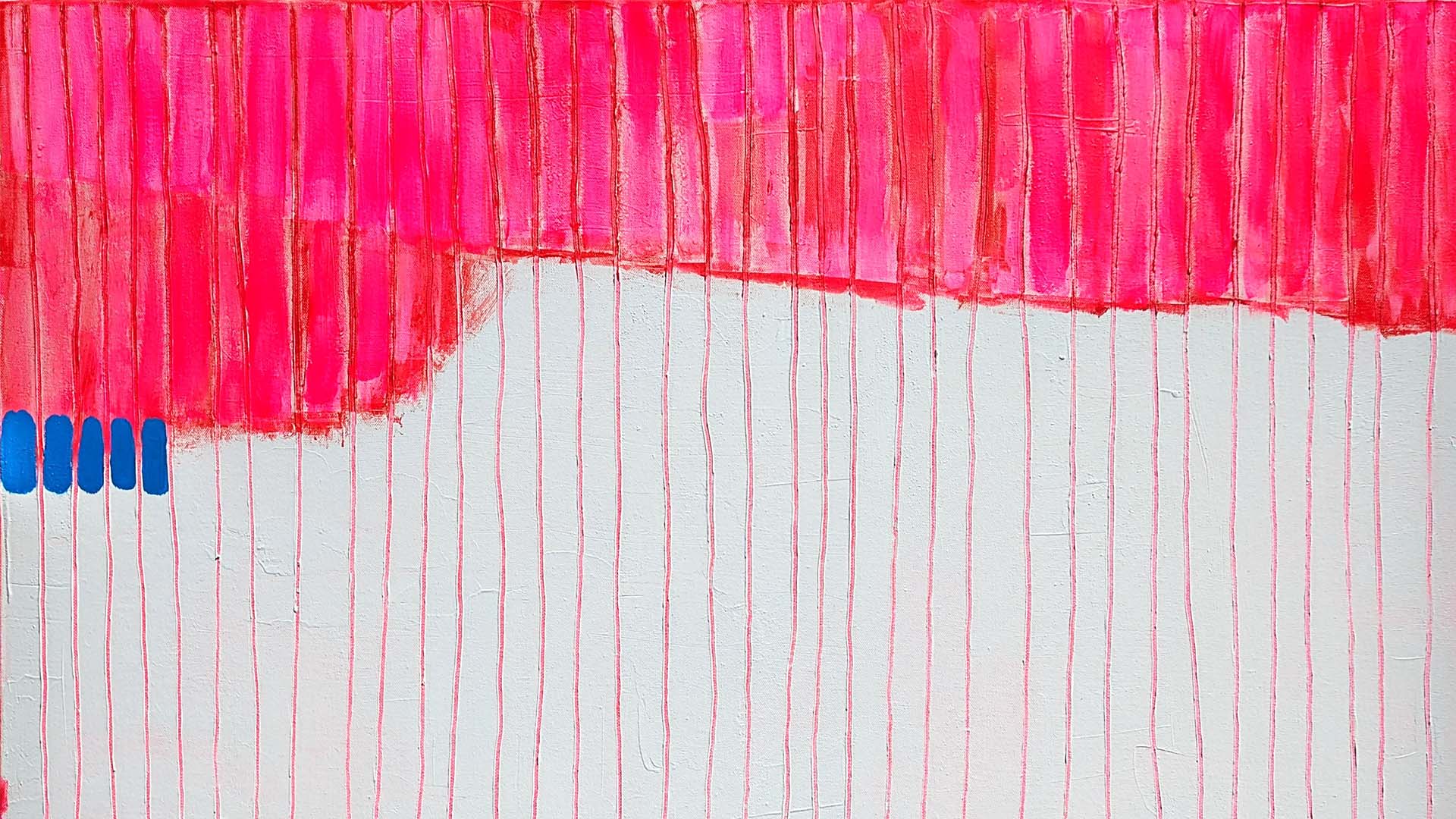
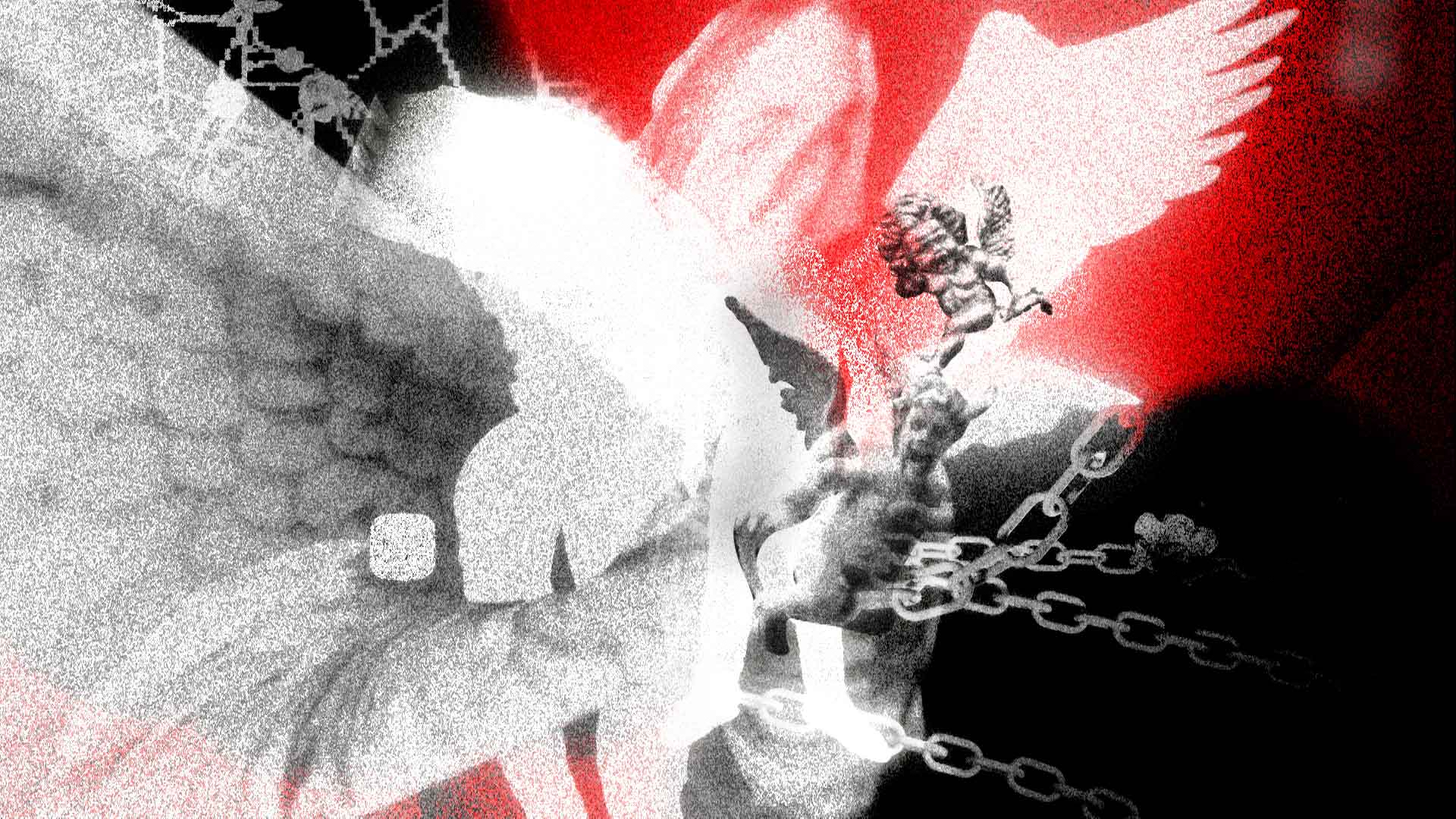
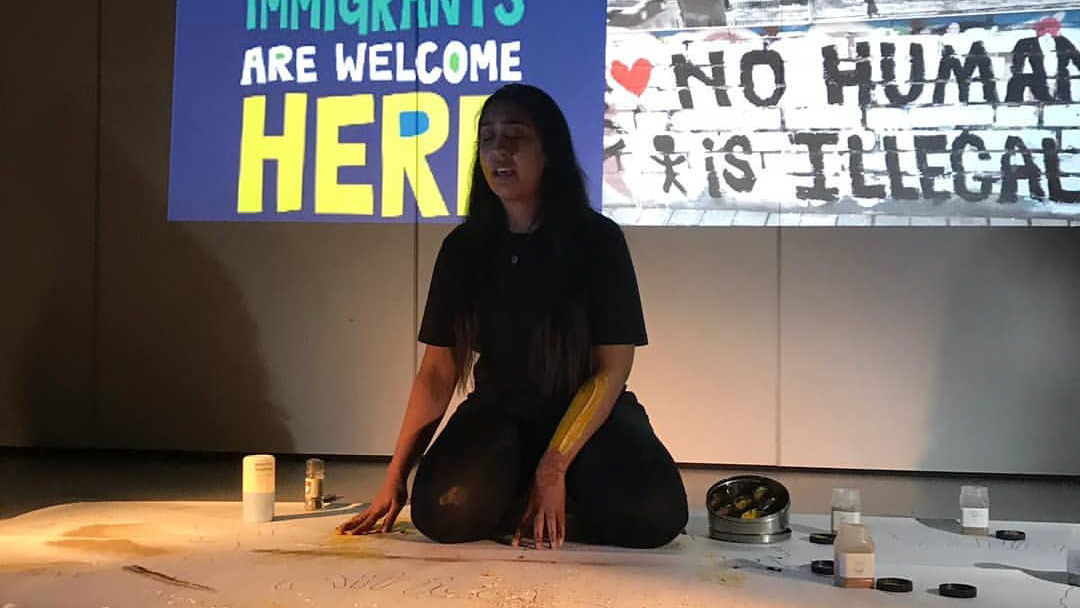
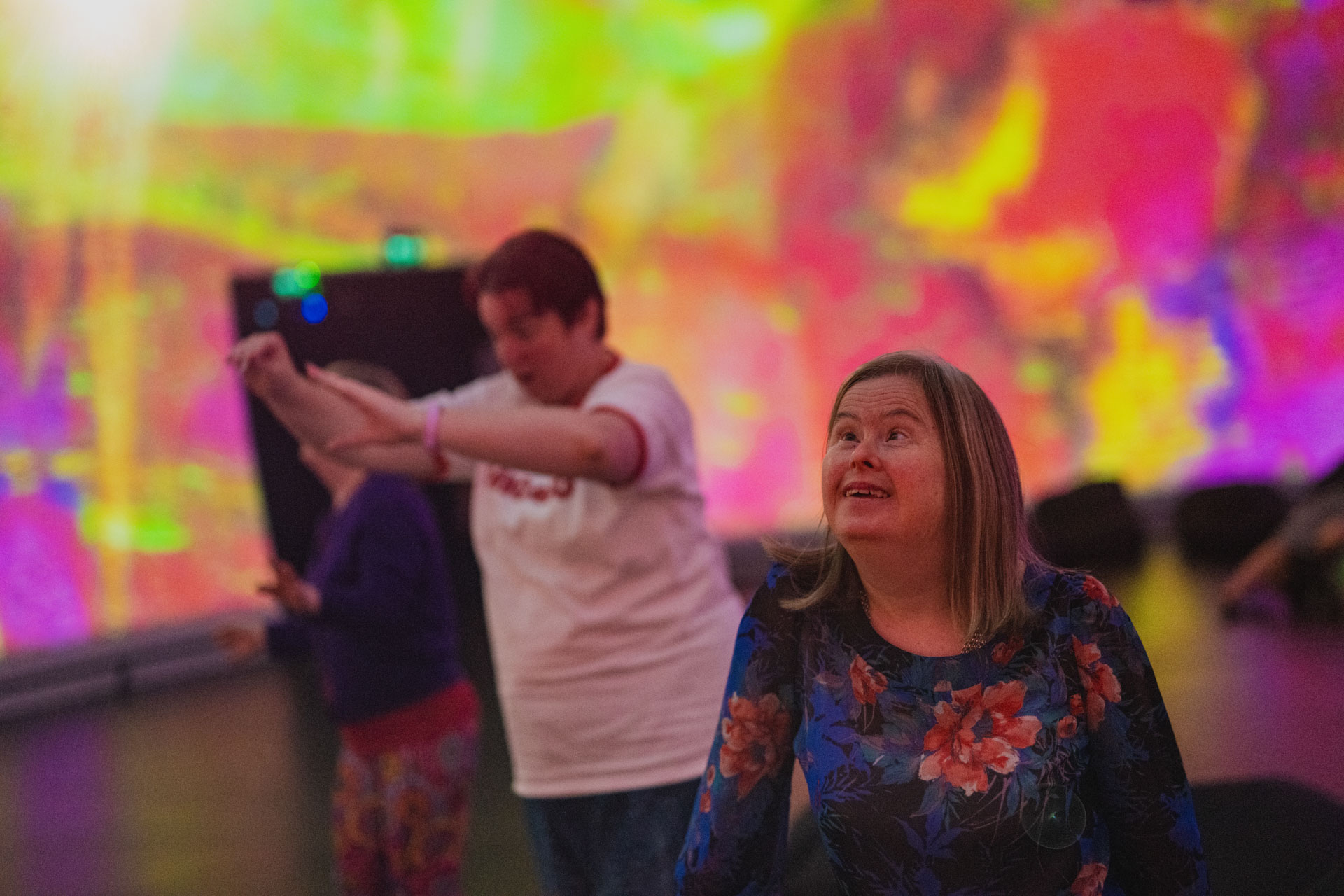
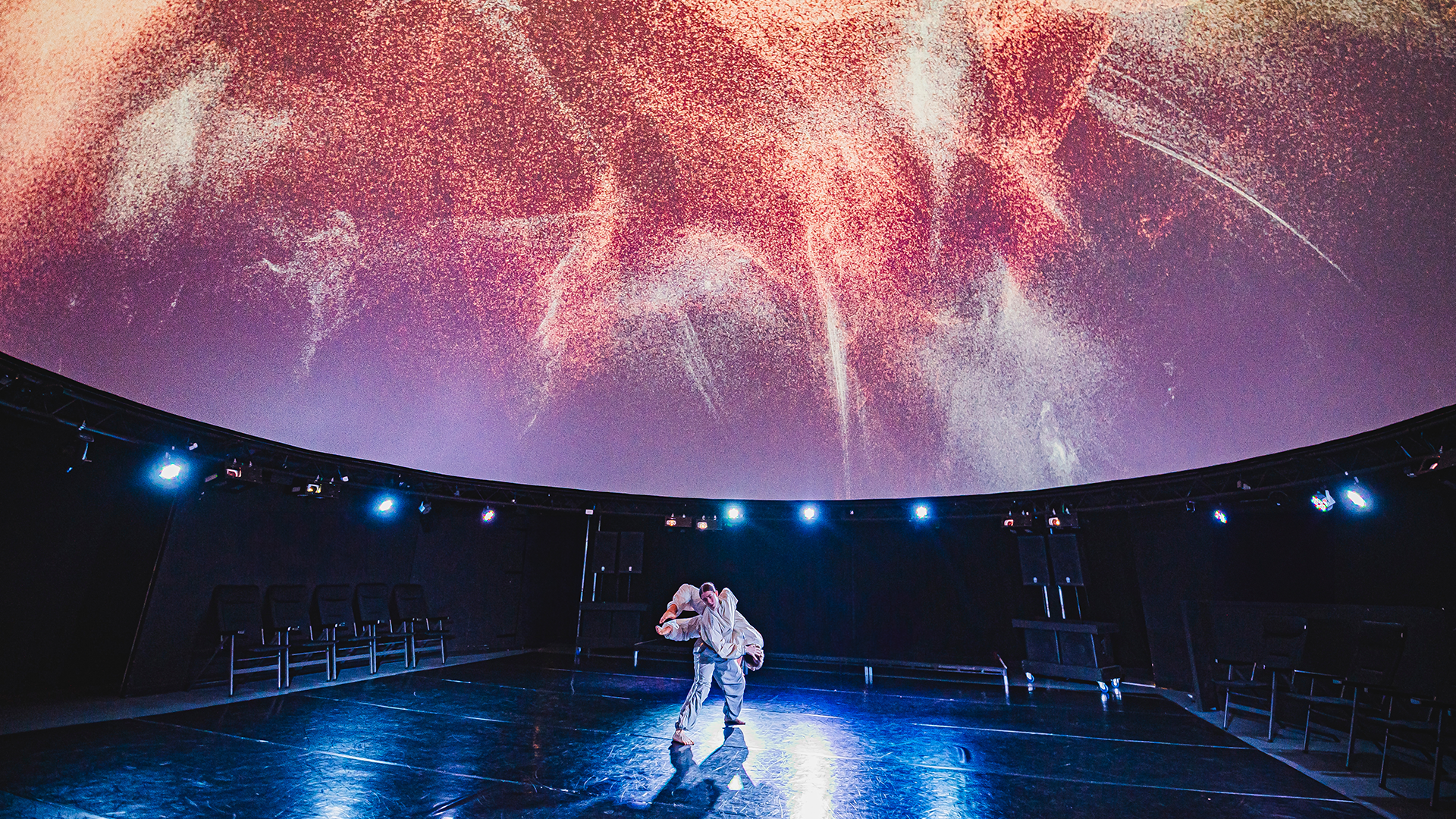
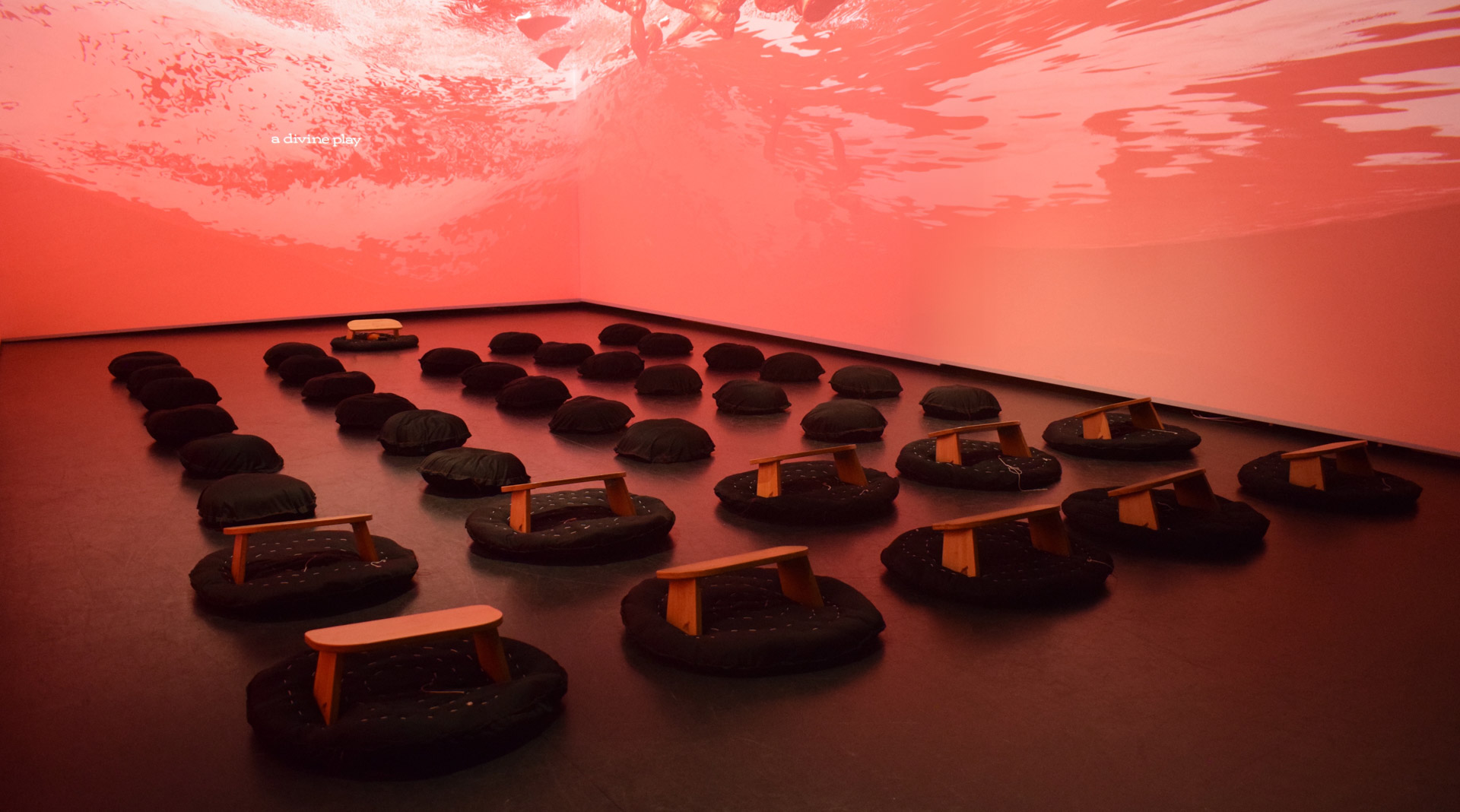
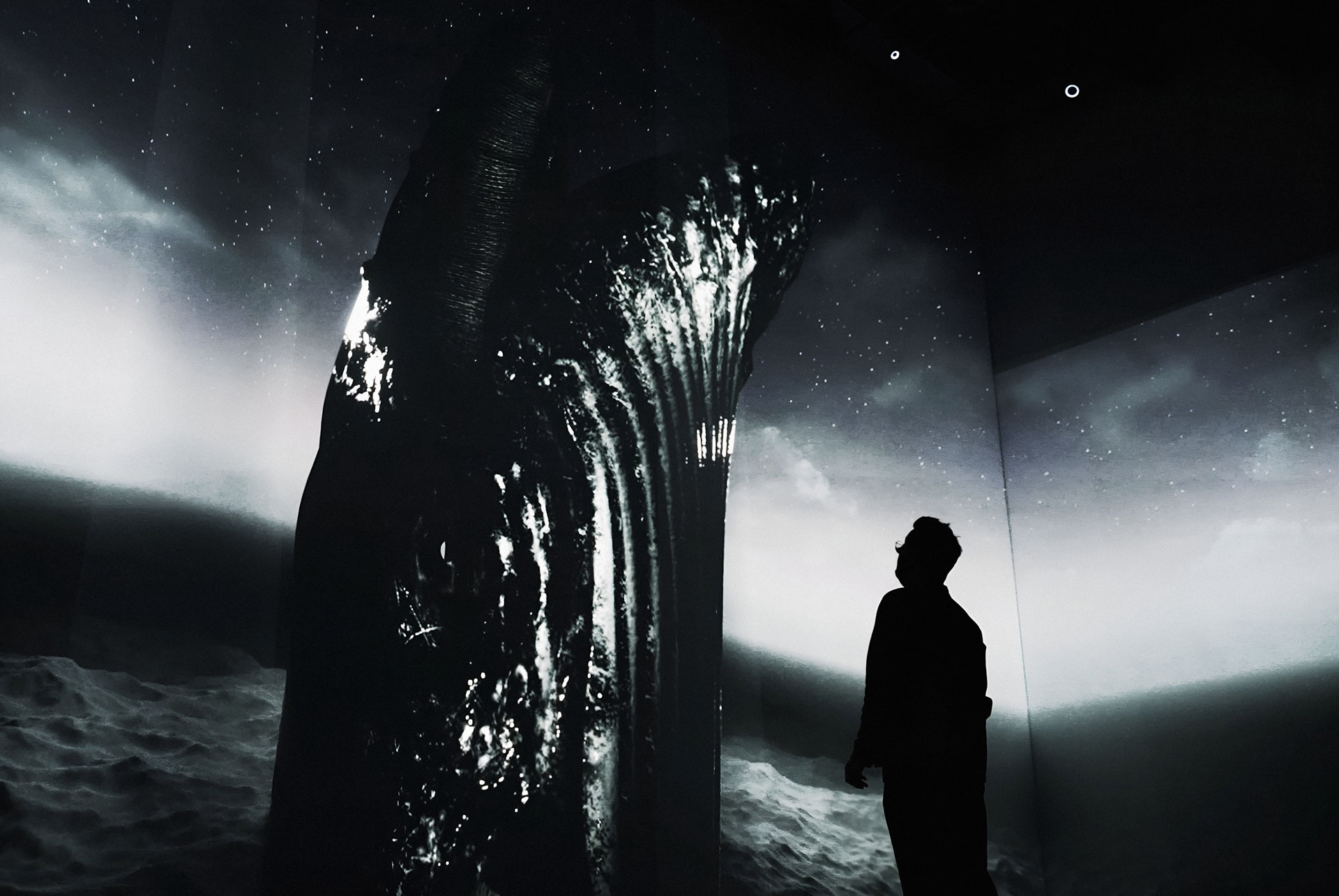
My abstract and immersive art is a way of giving those experiences a voice. It transforms moments of cognitive overload into something beautiful, creating sensory-rich environments where audiences can connect with their own perceptions. Using light, sound and projection to create immersive experiences, I aim to evoke emotion and invite reflection, encouraging audiences to explore sensory perception in new ways. My goal is to spark conversation and foster a more inclusive understanding of how we all experience the world differently.
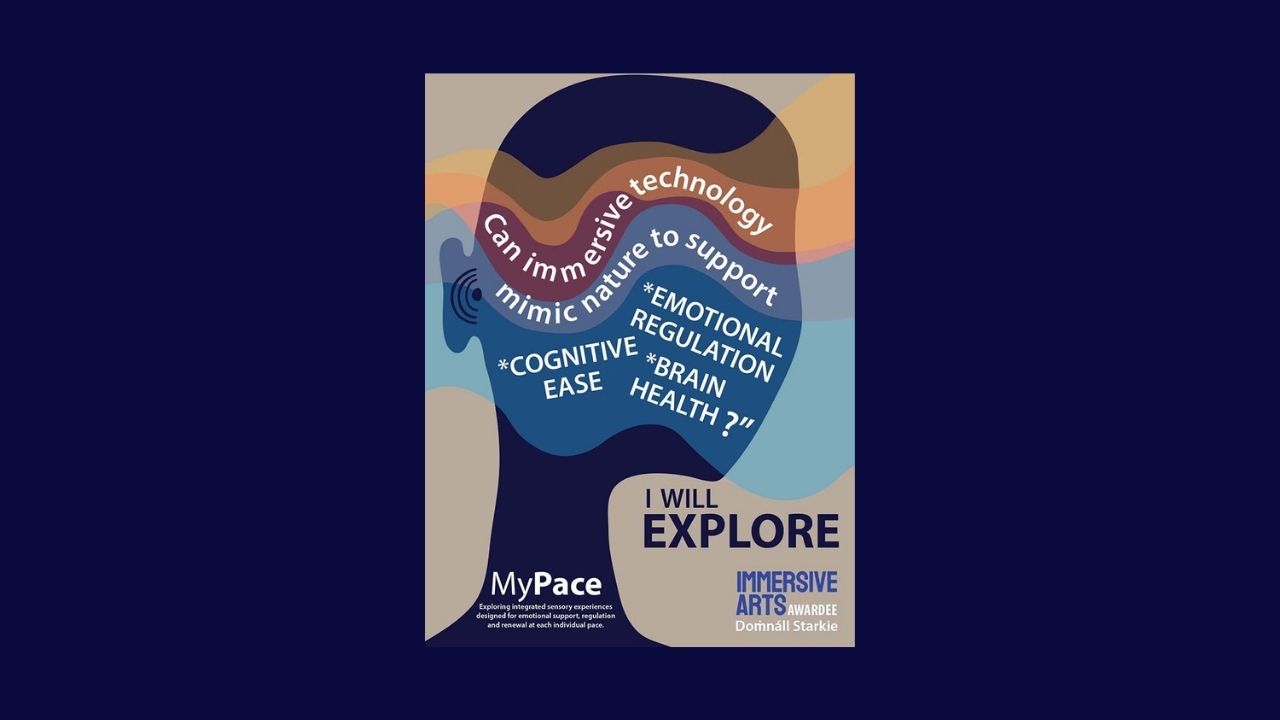
Explore
£5000
Aims of the project
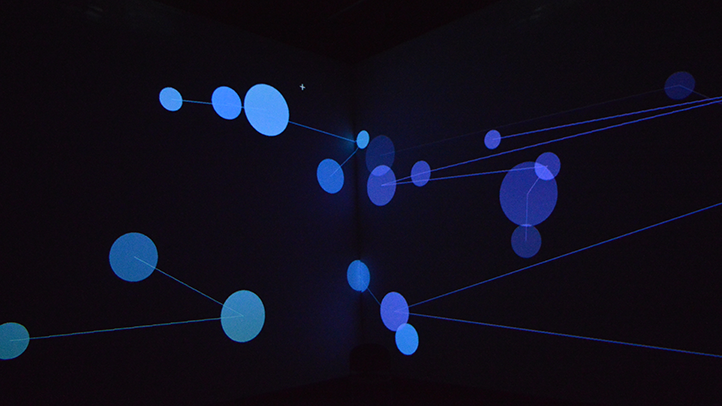
This project builds on research and experimentation carried out during recent funded R&D, where I explored projection mapping, spatial audio and early tests of responsive environments. The funding supported a significant development in my practice and helped me move from initial uncertainty with technology to confident and playful experimentation.
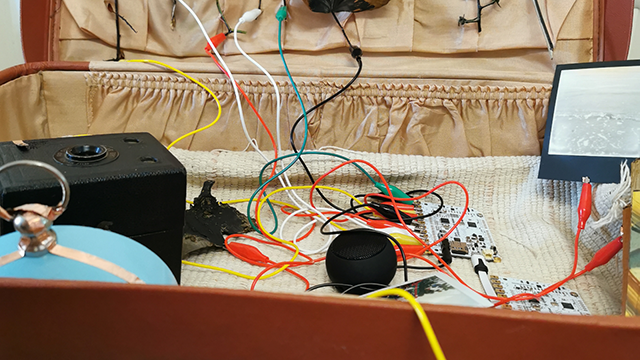
I want to continue this progression by developing more interactive and multi-sensory elements for a future immersive installation that centres neurodiverse sensory experience. Small-scale prototypes will explore how light, sound and projection can respond to movement and environmental changes, helping me refine the sensory language of the work and understand how it can support wellbeing and emotional connection.
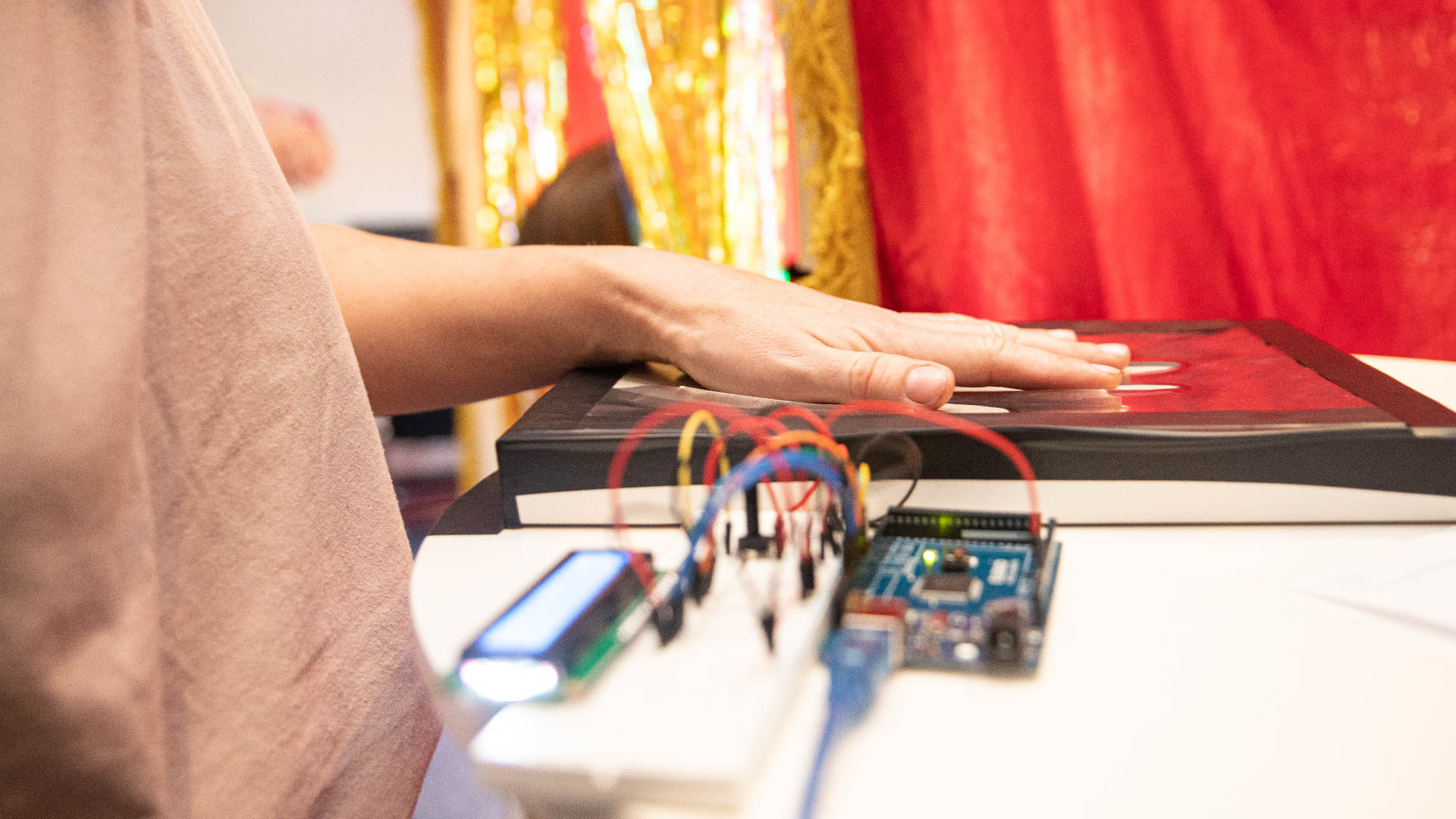
The next stage will focus on touch-responsive and haptic systems. Researching these technologies and potential collaborations will help create an immersive environment where audiences can experience shifts in light, sound, texture and form that reflect neurodiverse sensory perception.
How did they do that?
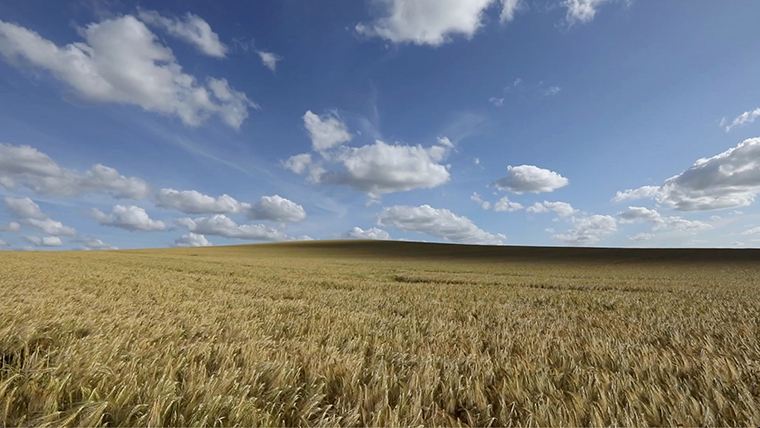
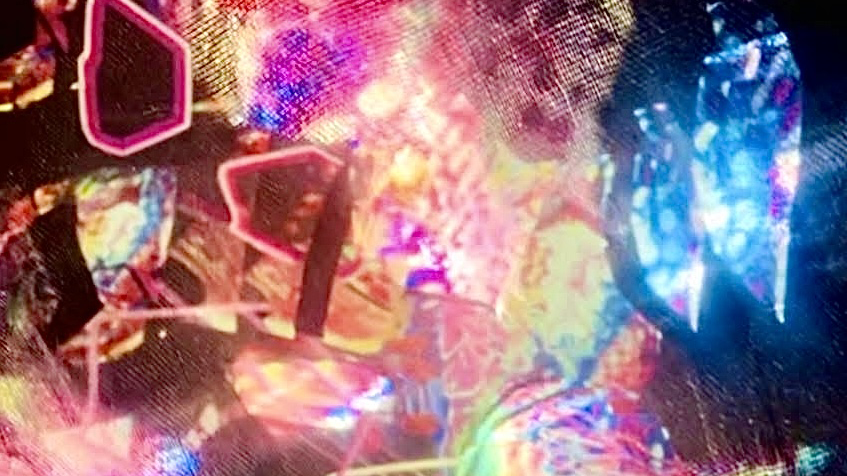
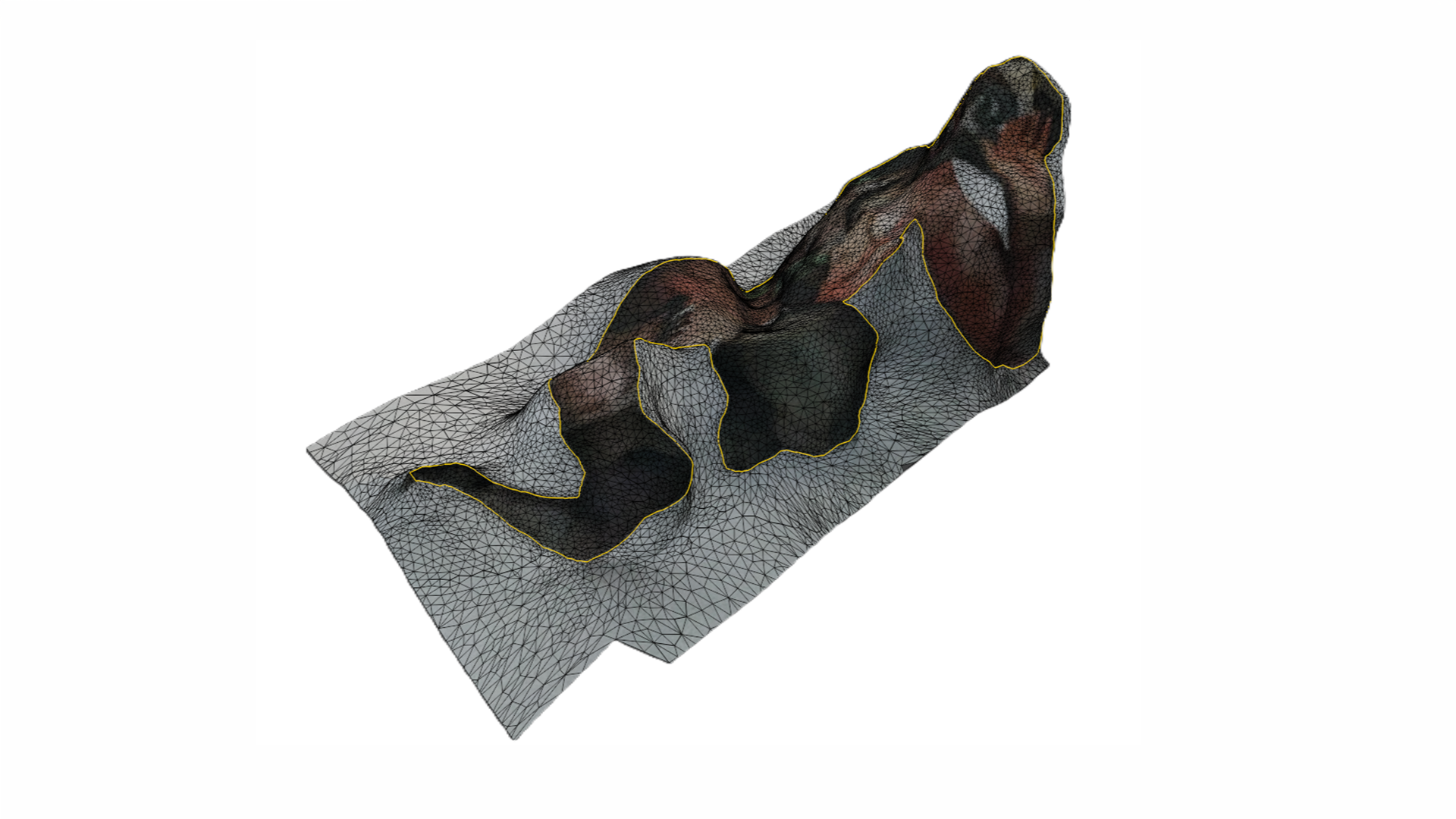
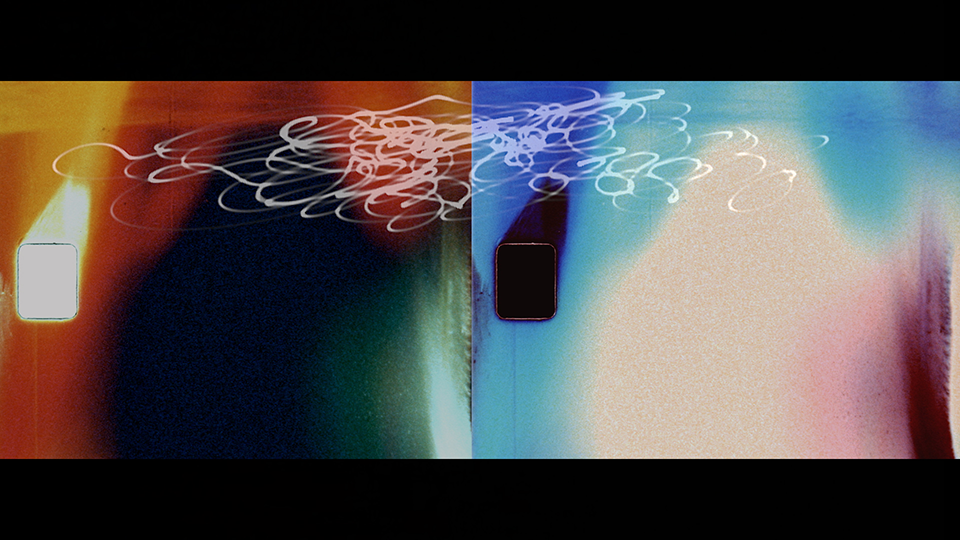
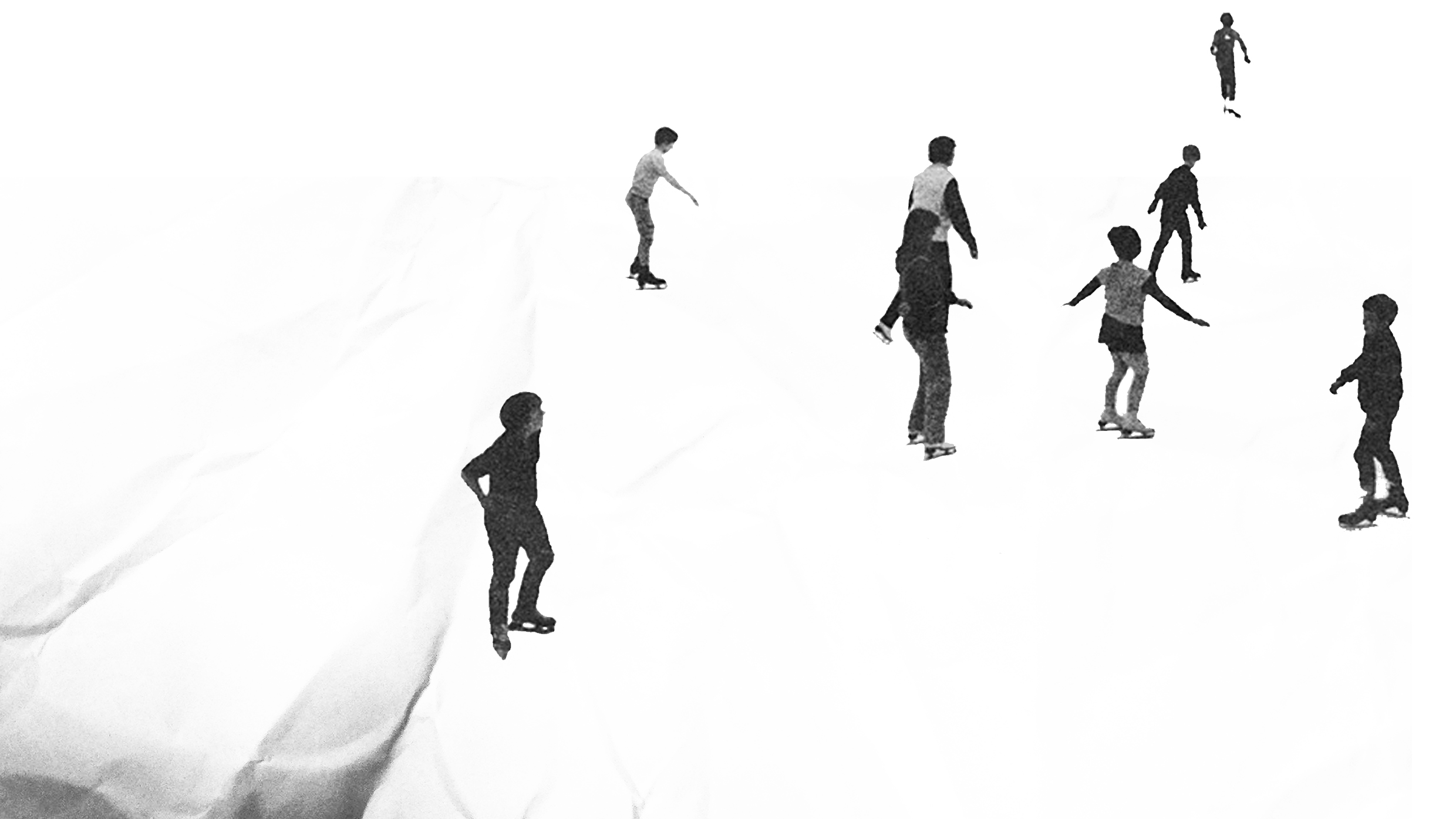
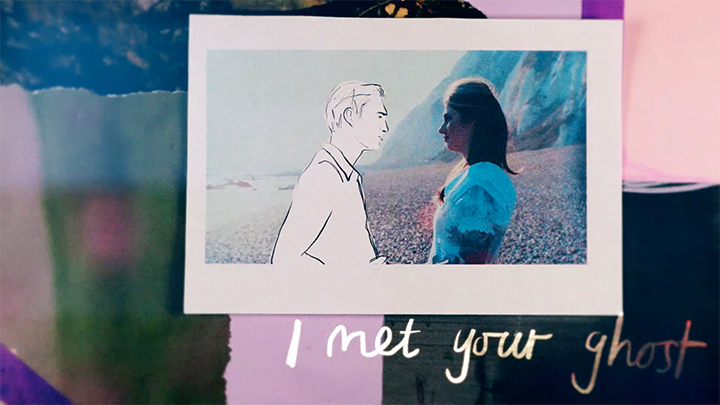
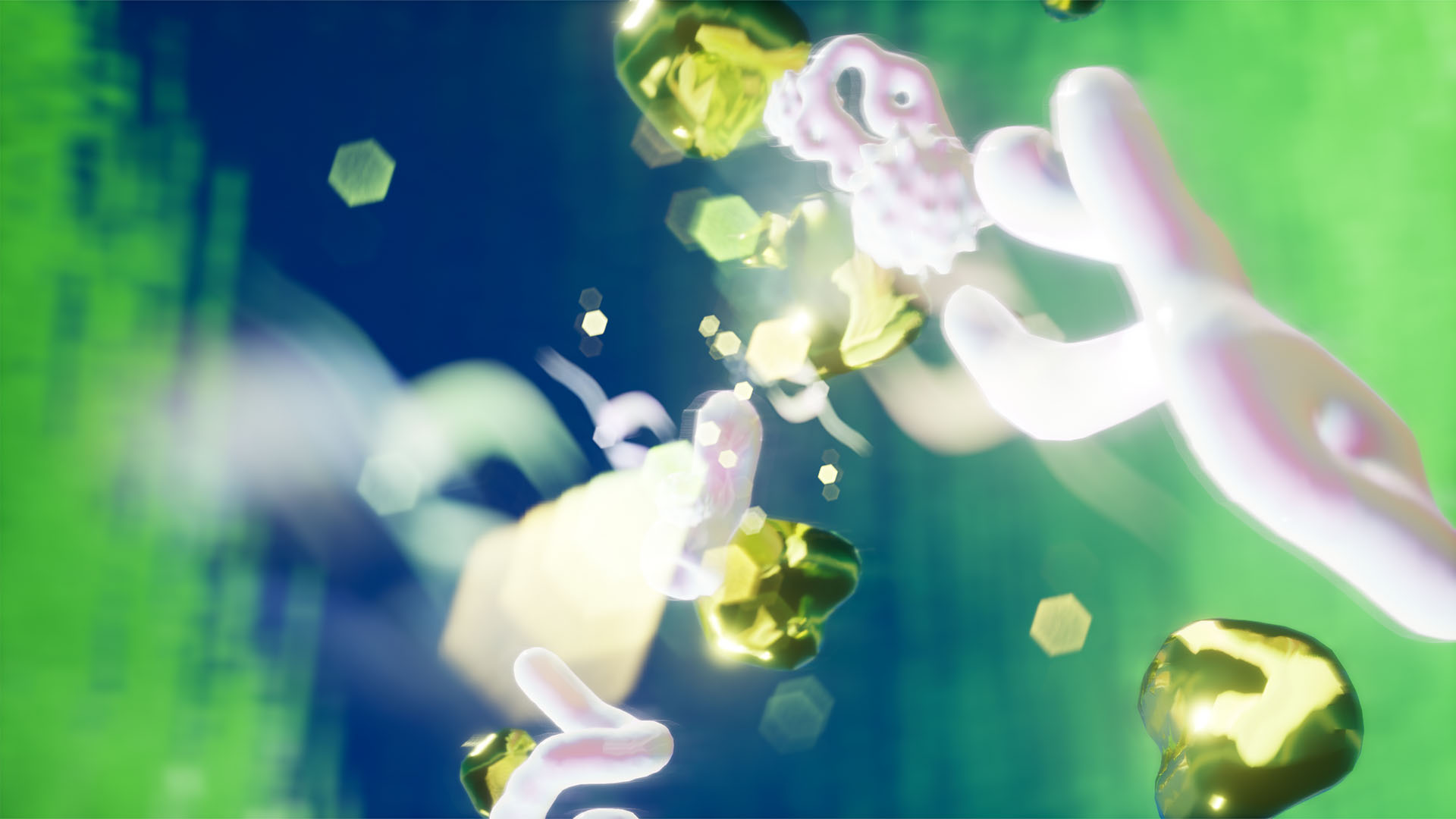
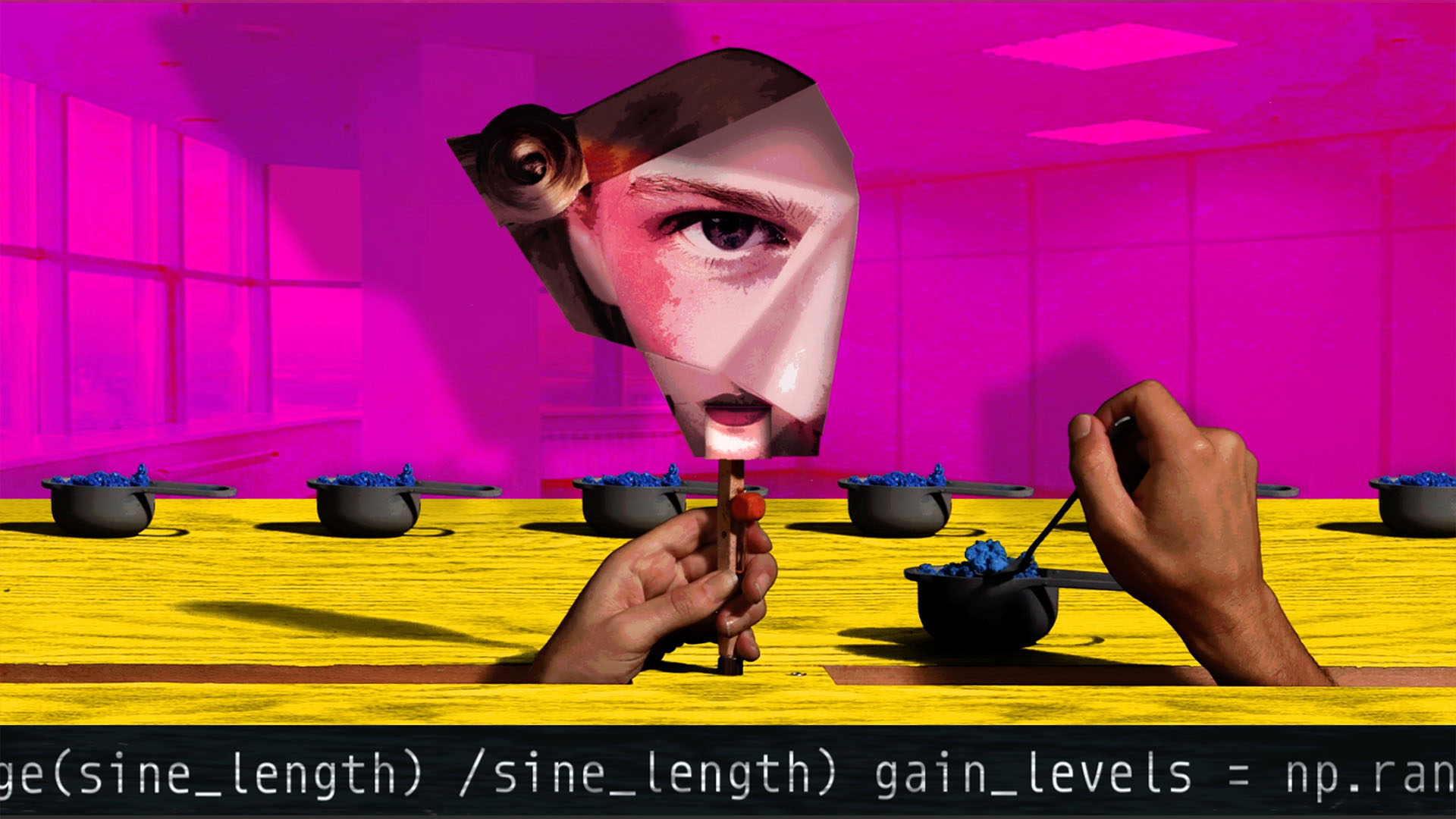
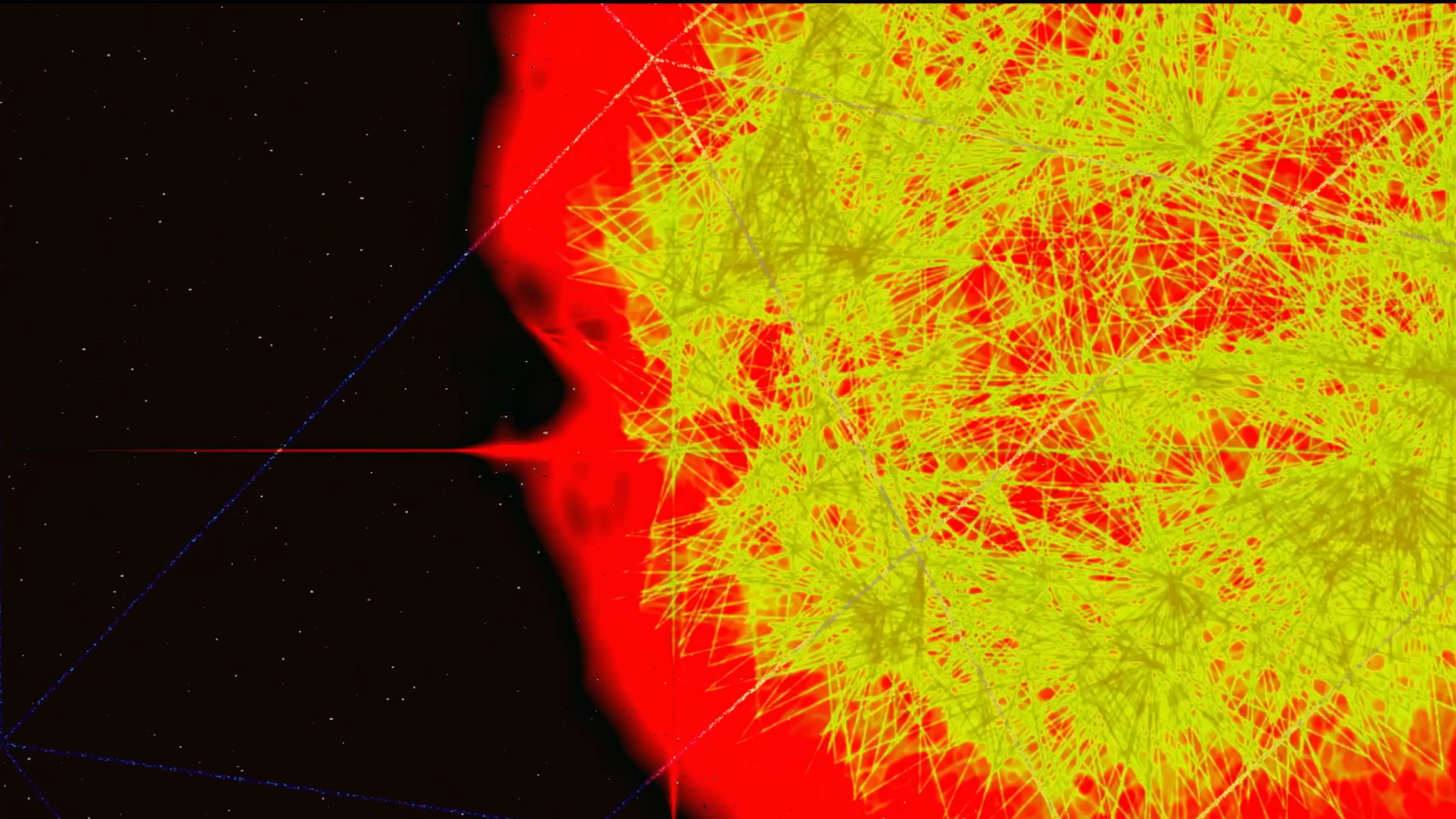
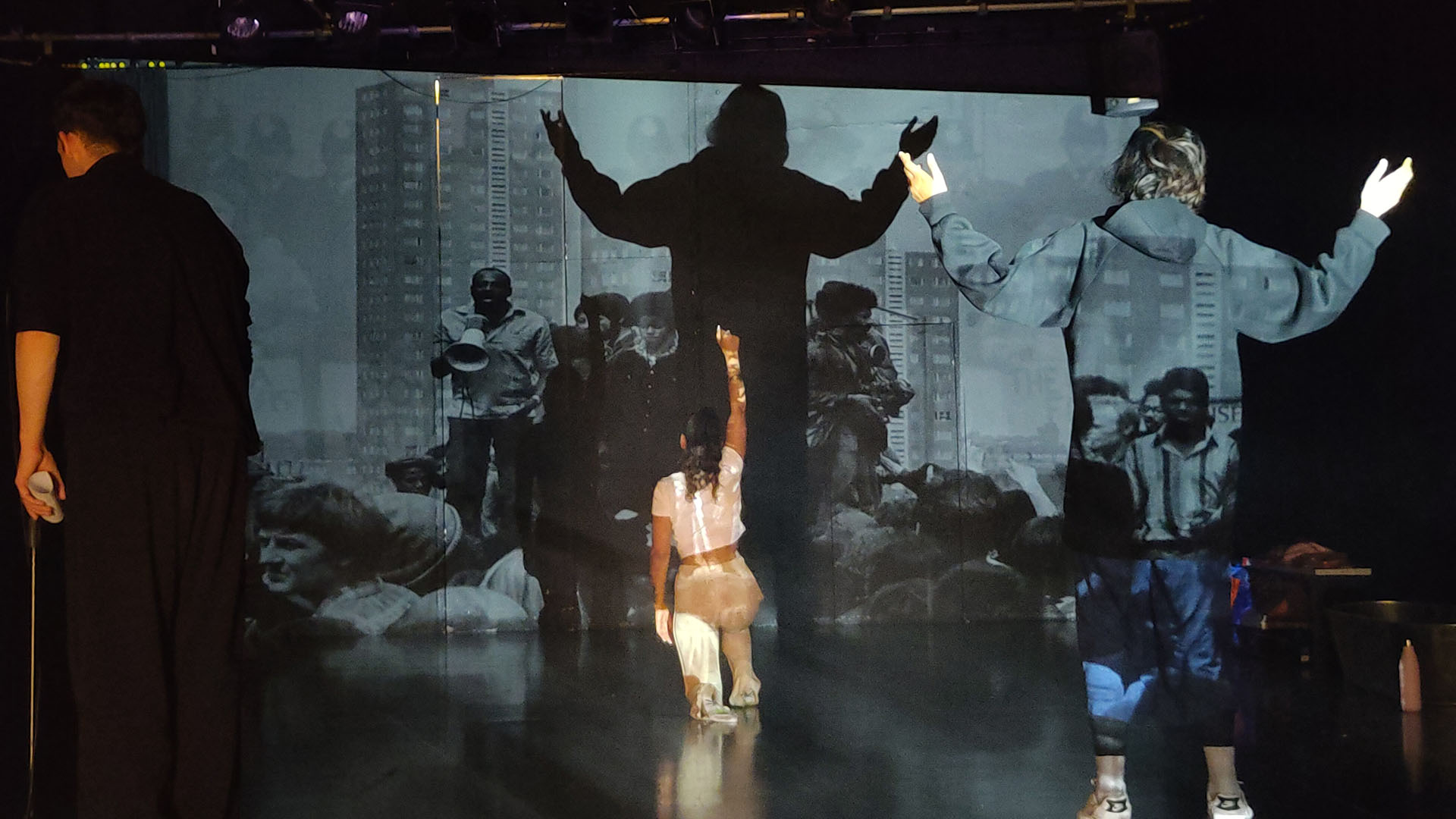
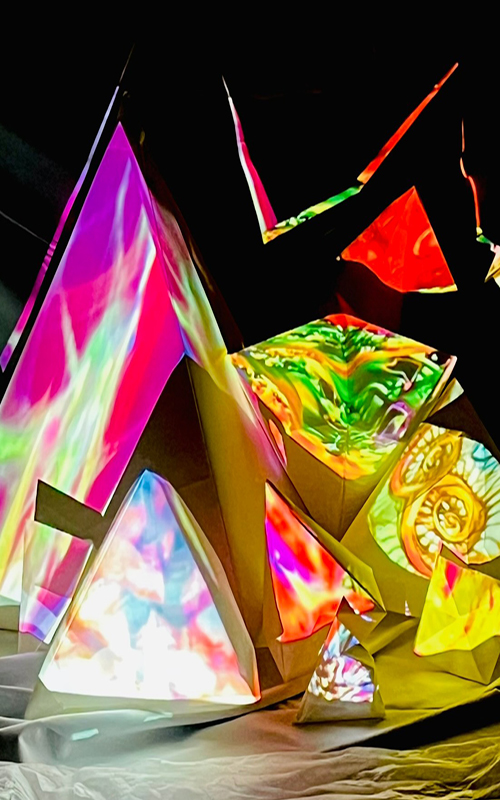
I explored creative technology through a series of small experiments that helped me understand how my sensory ideas could take shape in an immersive form. Learning projection mapping in MadMapper opened up new ways of working with movement and light, and creating simple animations and rotoscoping studies allowed me to test how hand-drawn illustrations and field recordings could shift into digital space. Early on, animation journaling helped me capture sensory moments and shape a visual language that felt true to my practice.
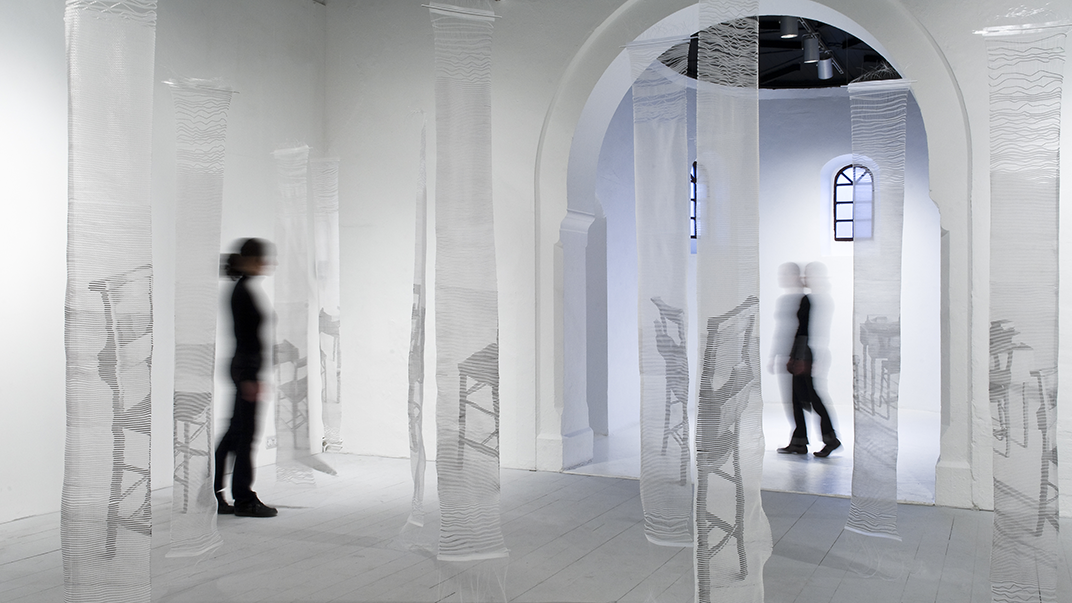
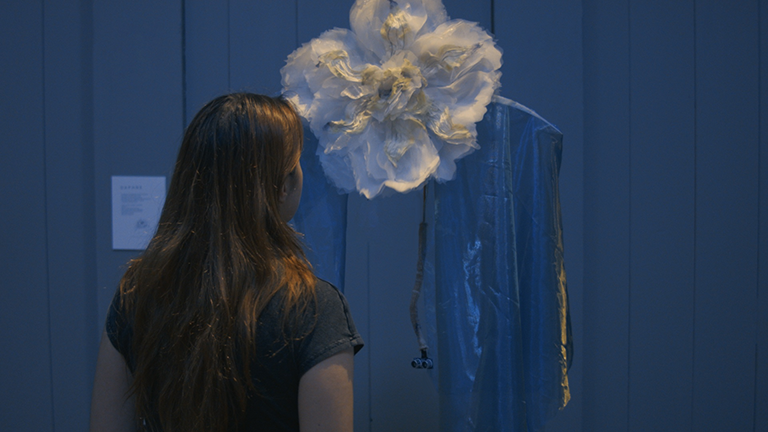
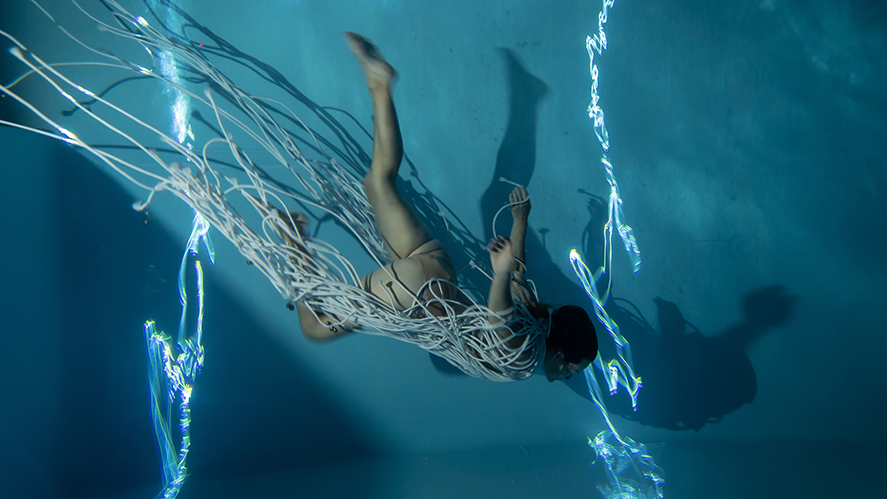
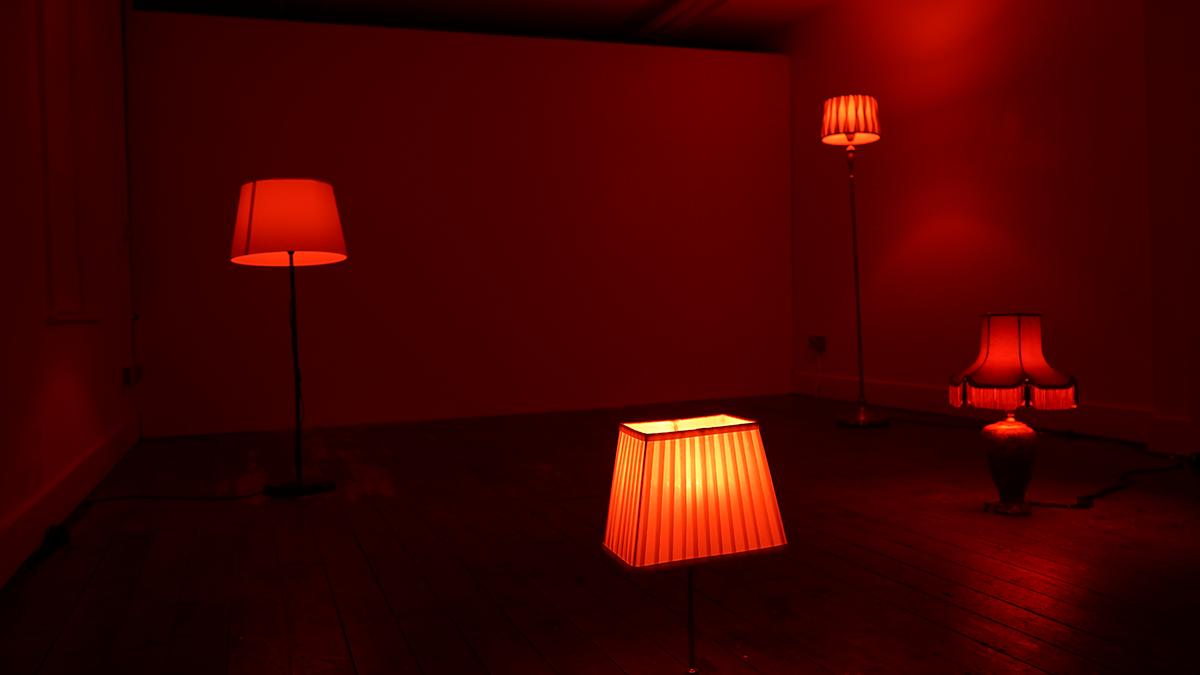
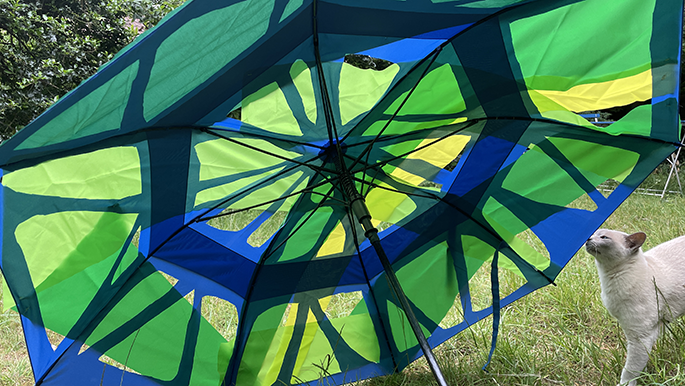
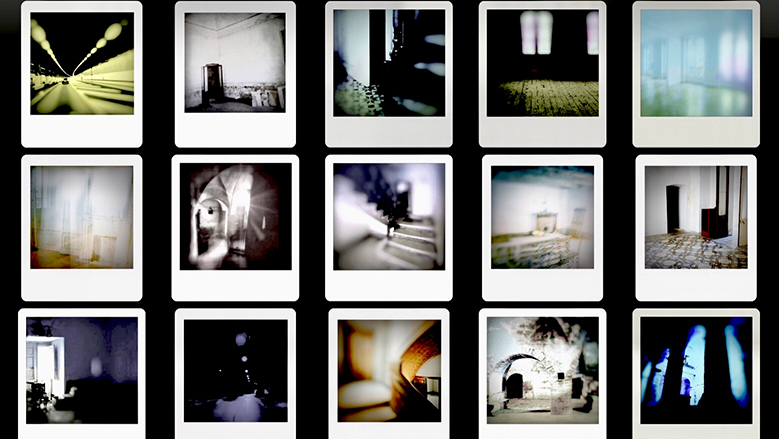
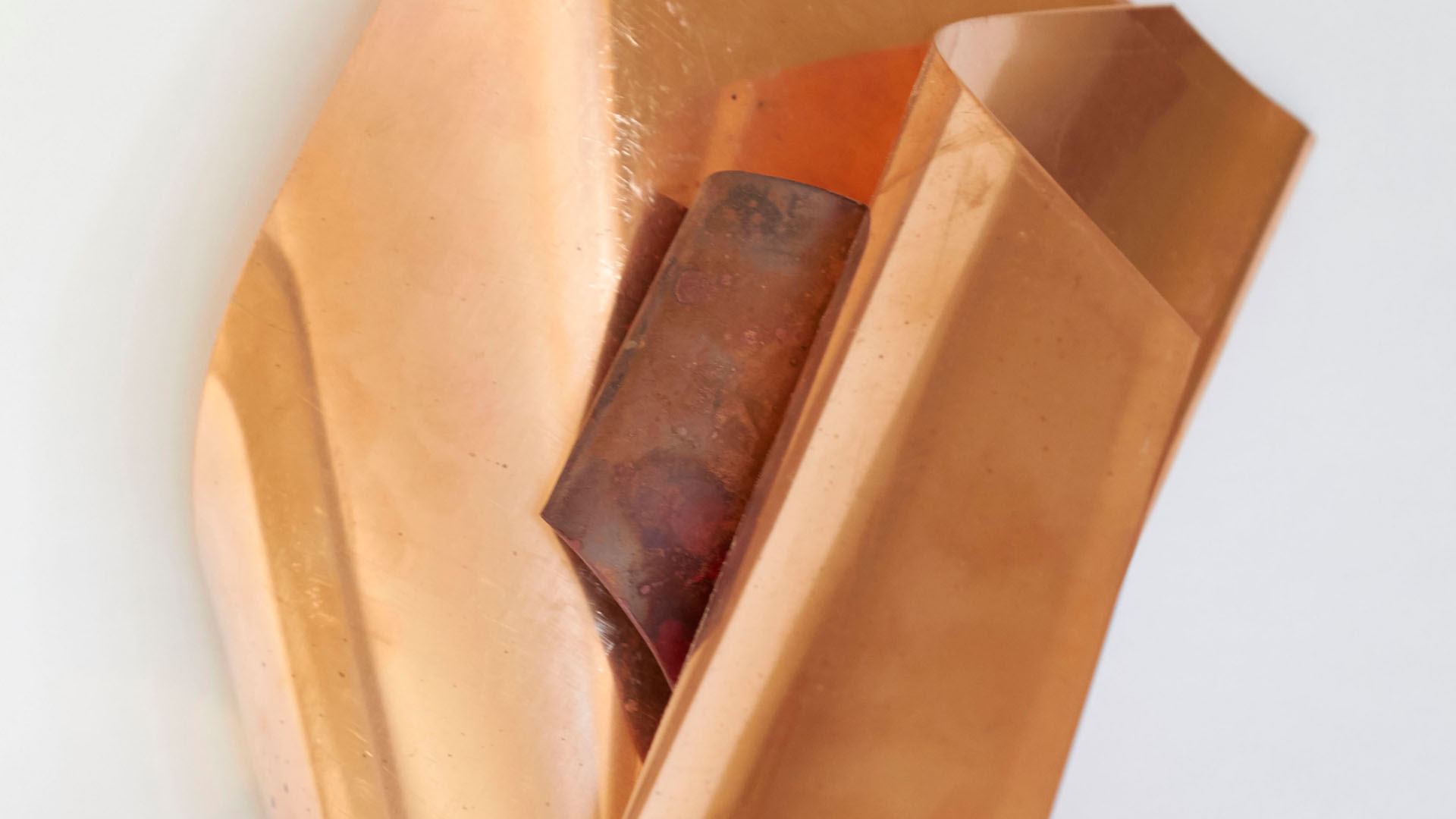
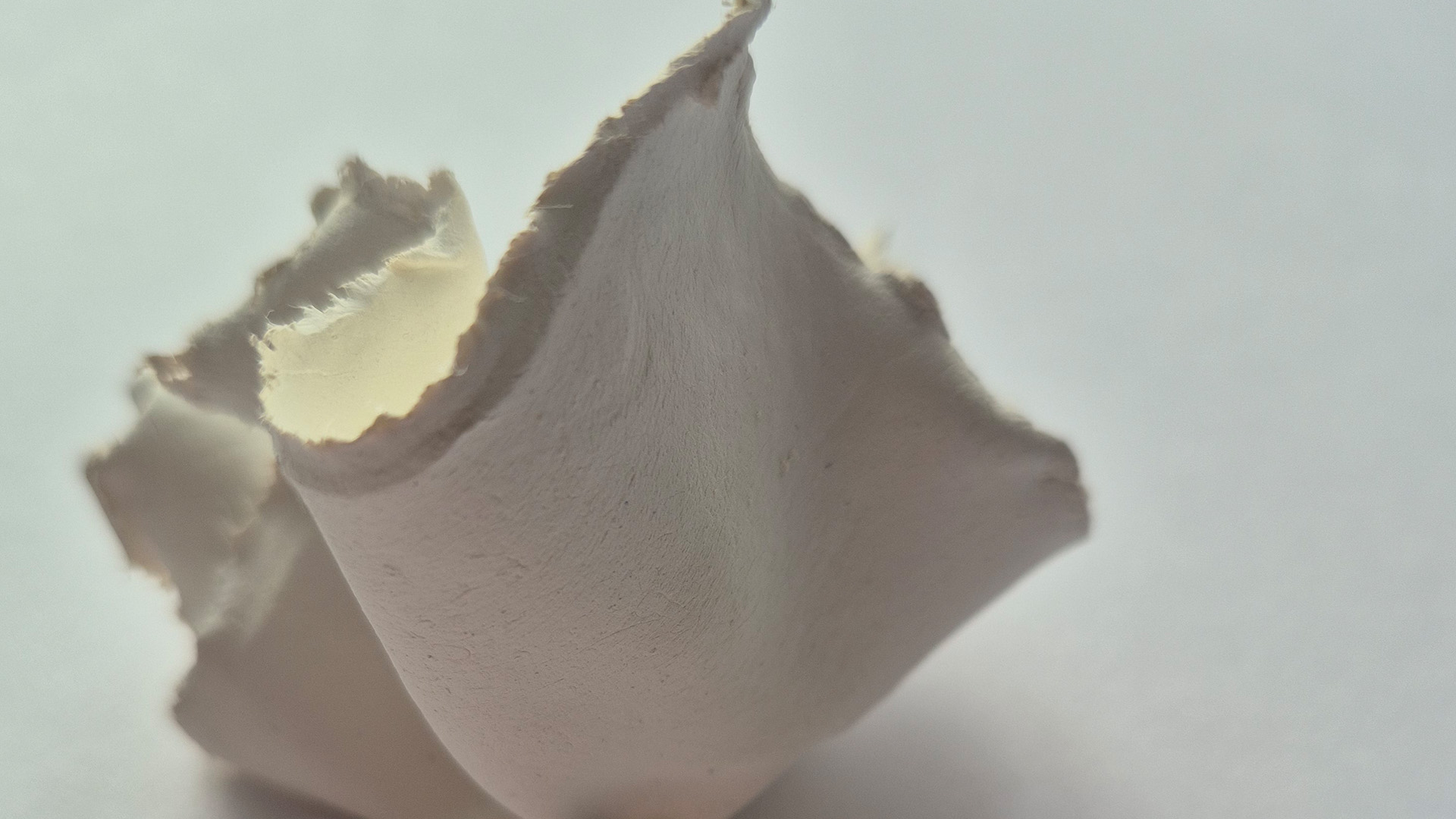
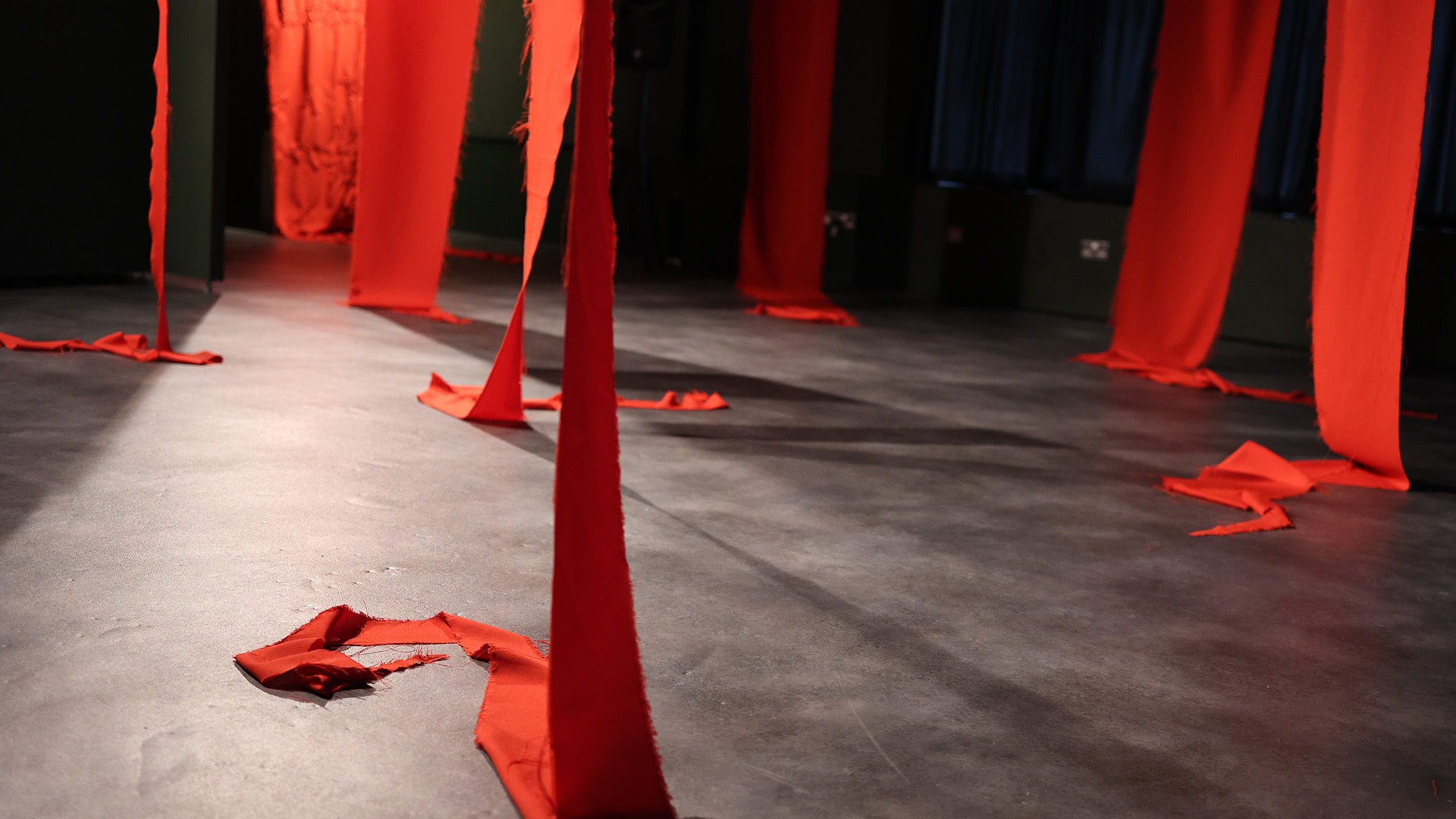
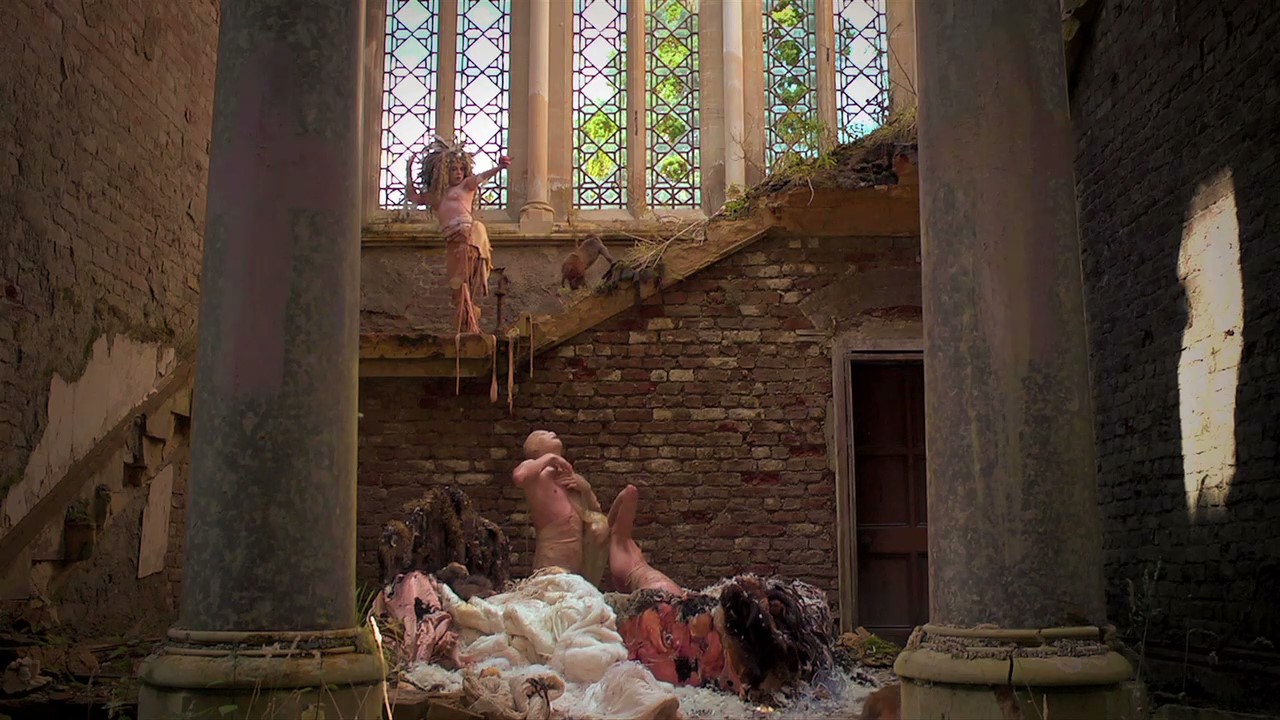
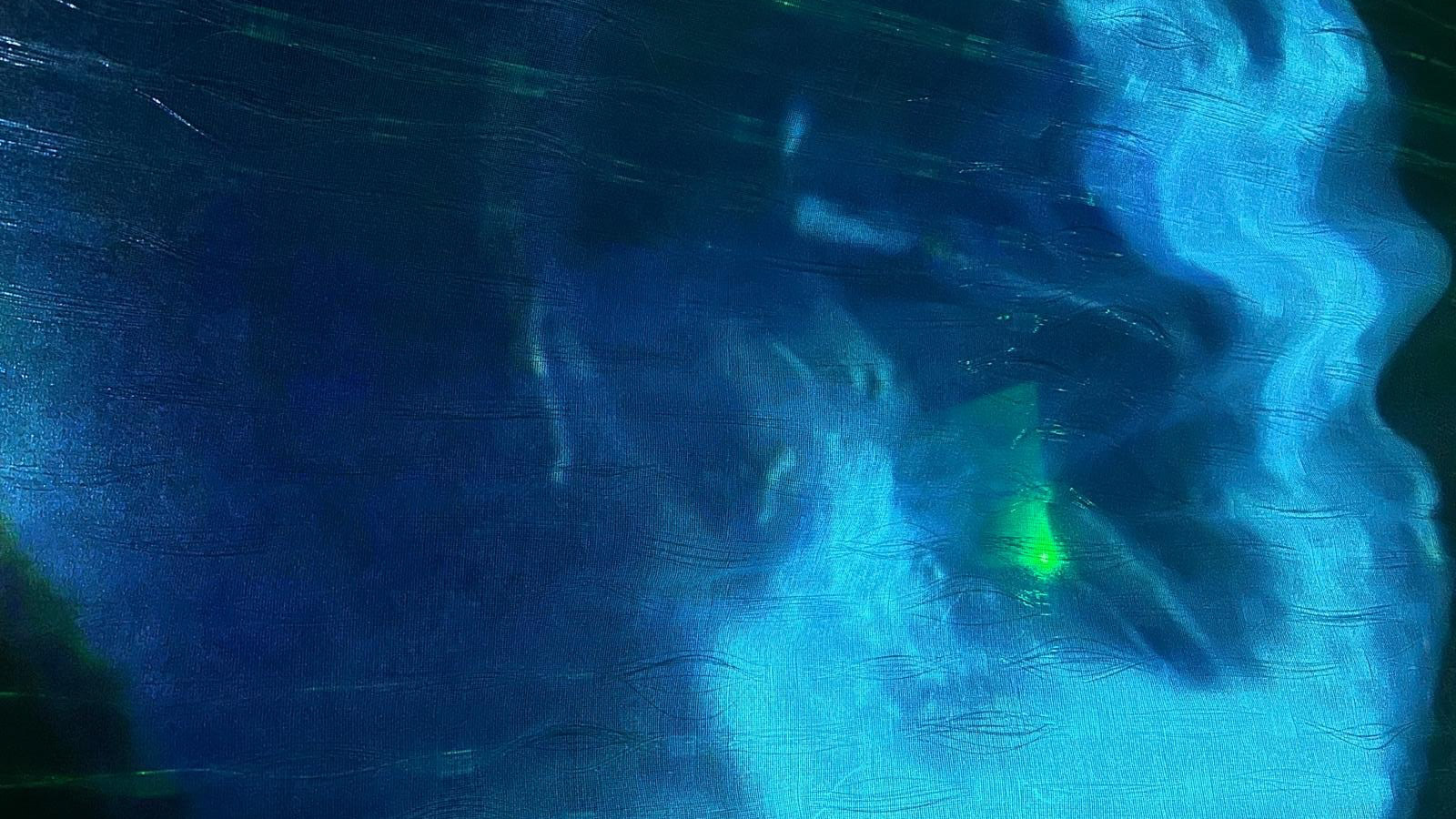
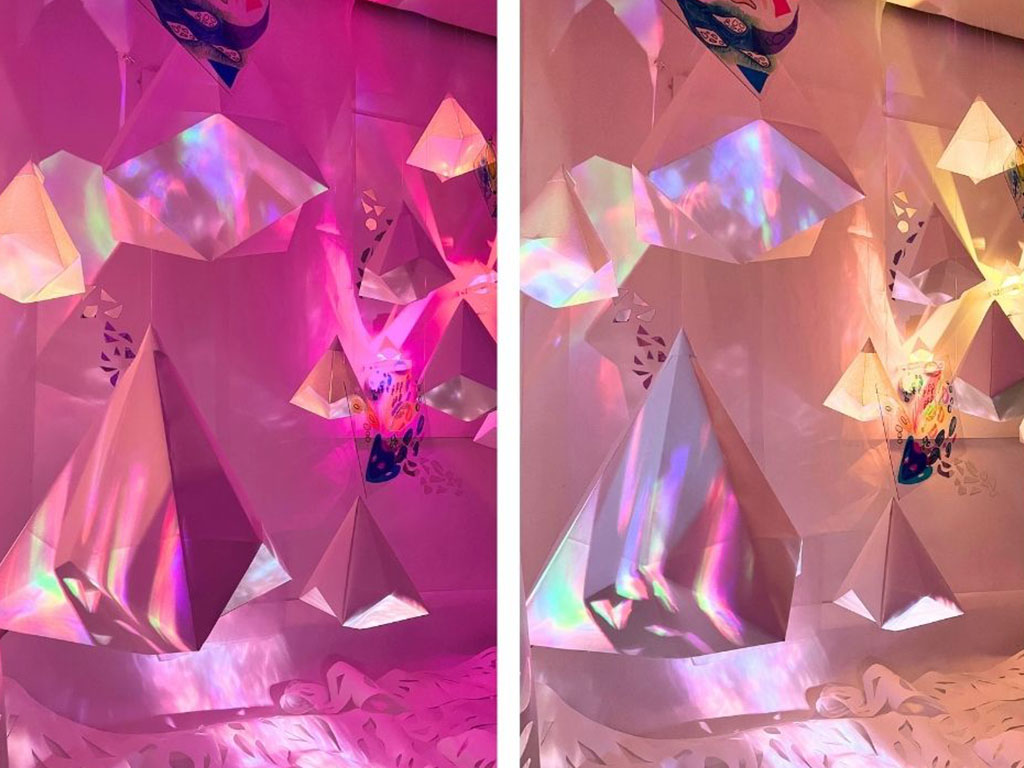
I built a small prototype environment using layered fabrics, voile, cellophane and semi-transparent surfaces to observe how light moved and refracted across different textures. Many results were unexpected yet these surprises became important points of discovery and revealed how light, material and space could interact in subtle and expressive ways.
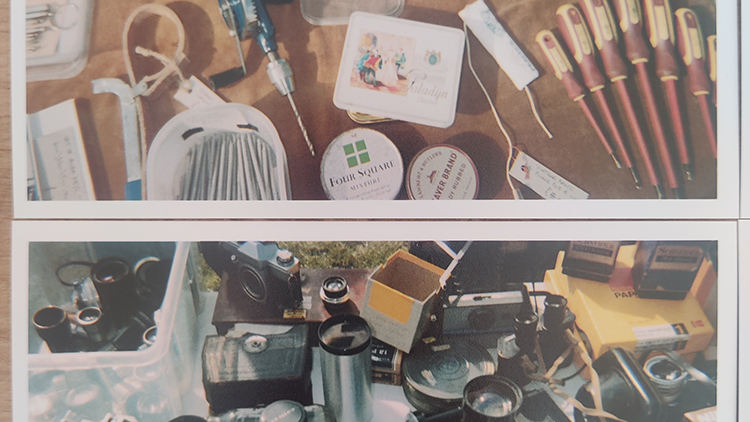
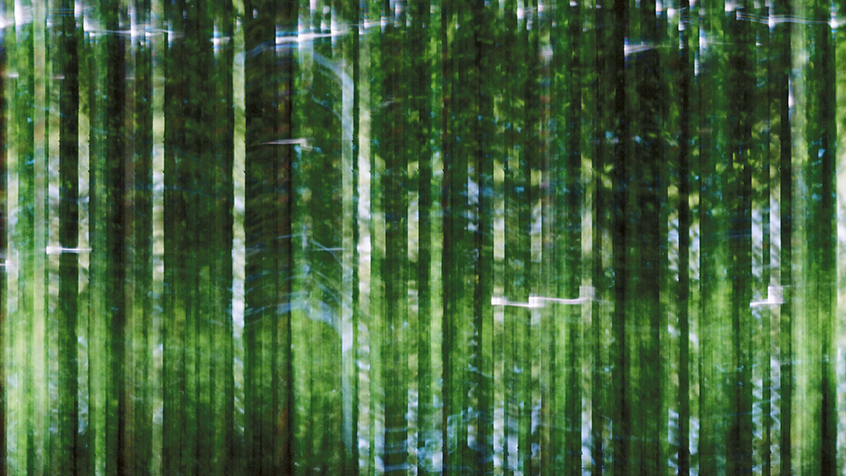
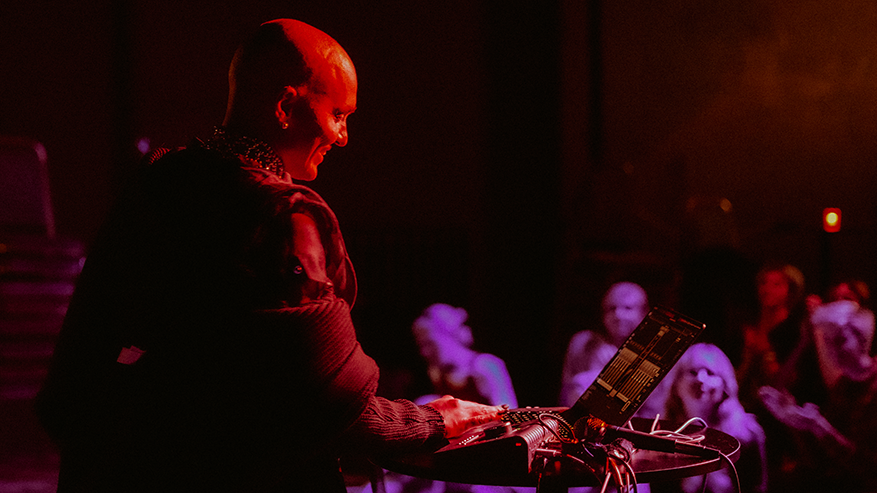
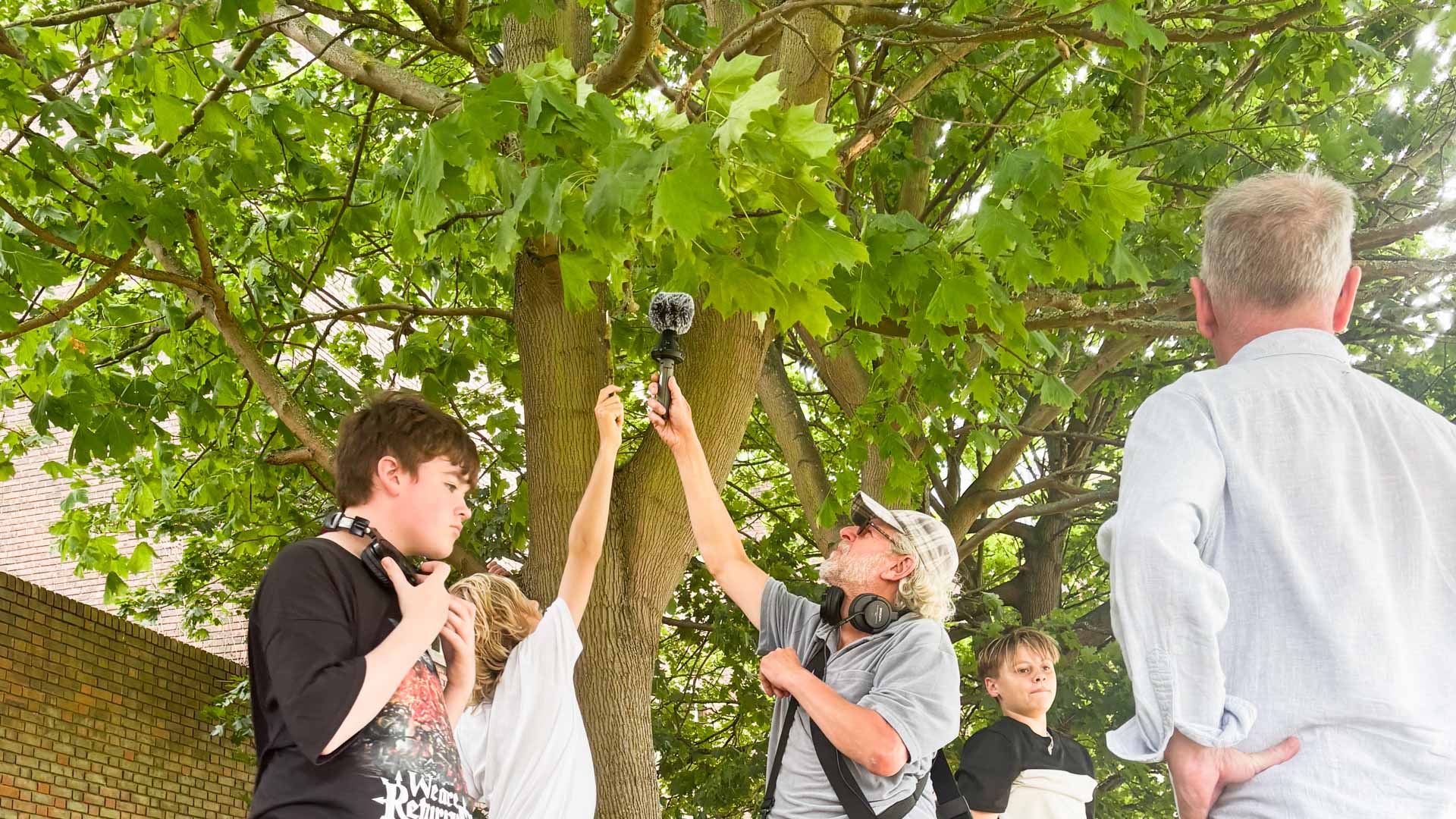
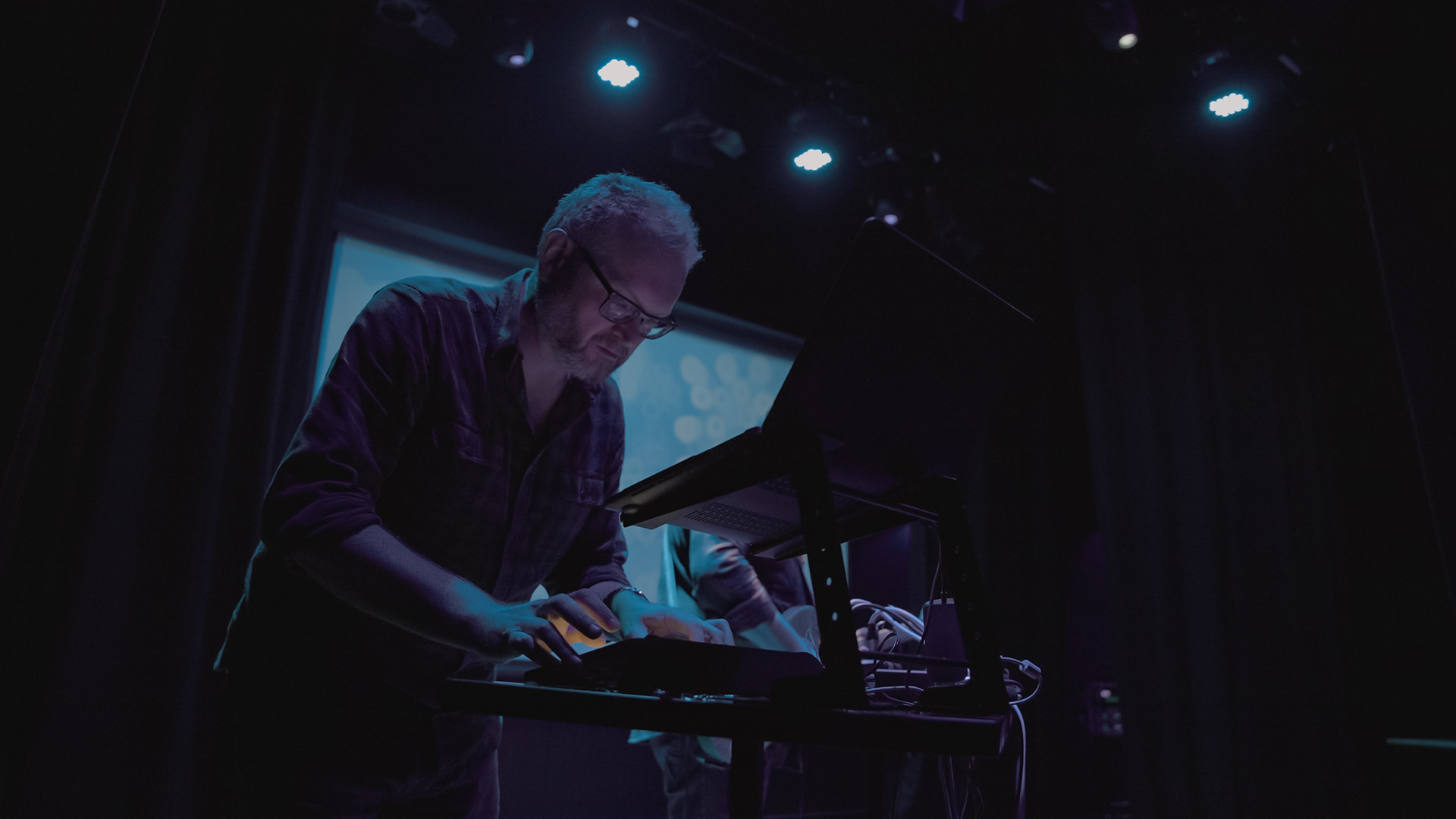
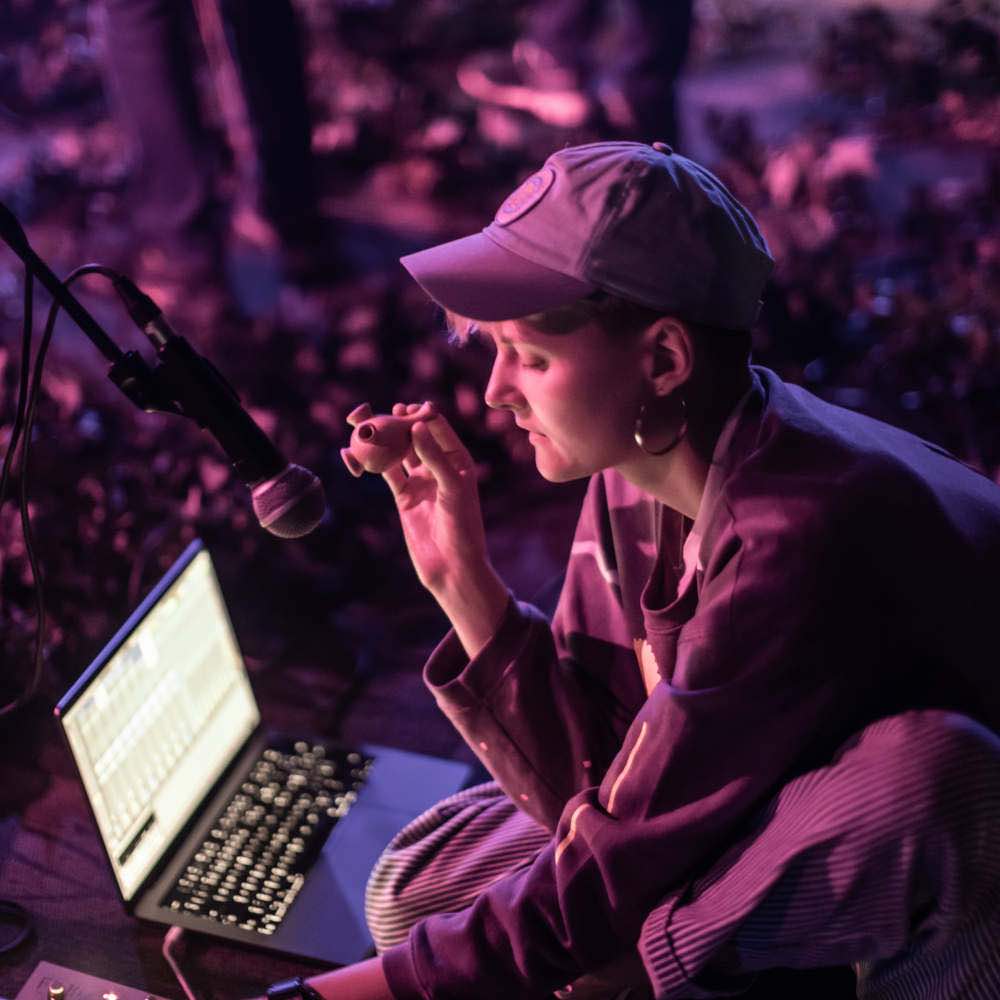
Sound became a central part of the process. Working in Ableton, I layered ambient field recordings and began learning how to shape them into gentle sensory atmospheres that could guide emotion within a space.
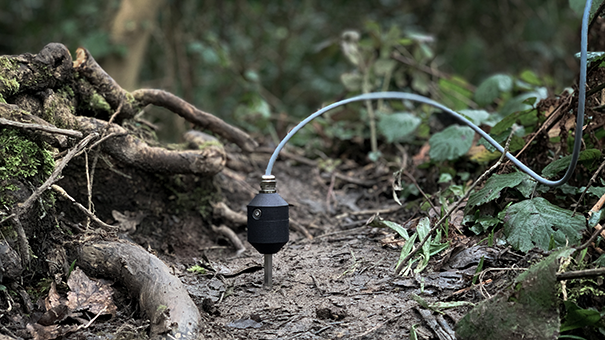
I also began exploring the potential of interactive elements through small tests and technical study. Even at this early stage these investigations opened up new possibilities and helped me approach creative technology with a more confident, playful and curious mindset
"Exploring sensory experience through technology has inspired me to find new ways of connecting audiences with their own perception of space".
Meet the artist
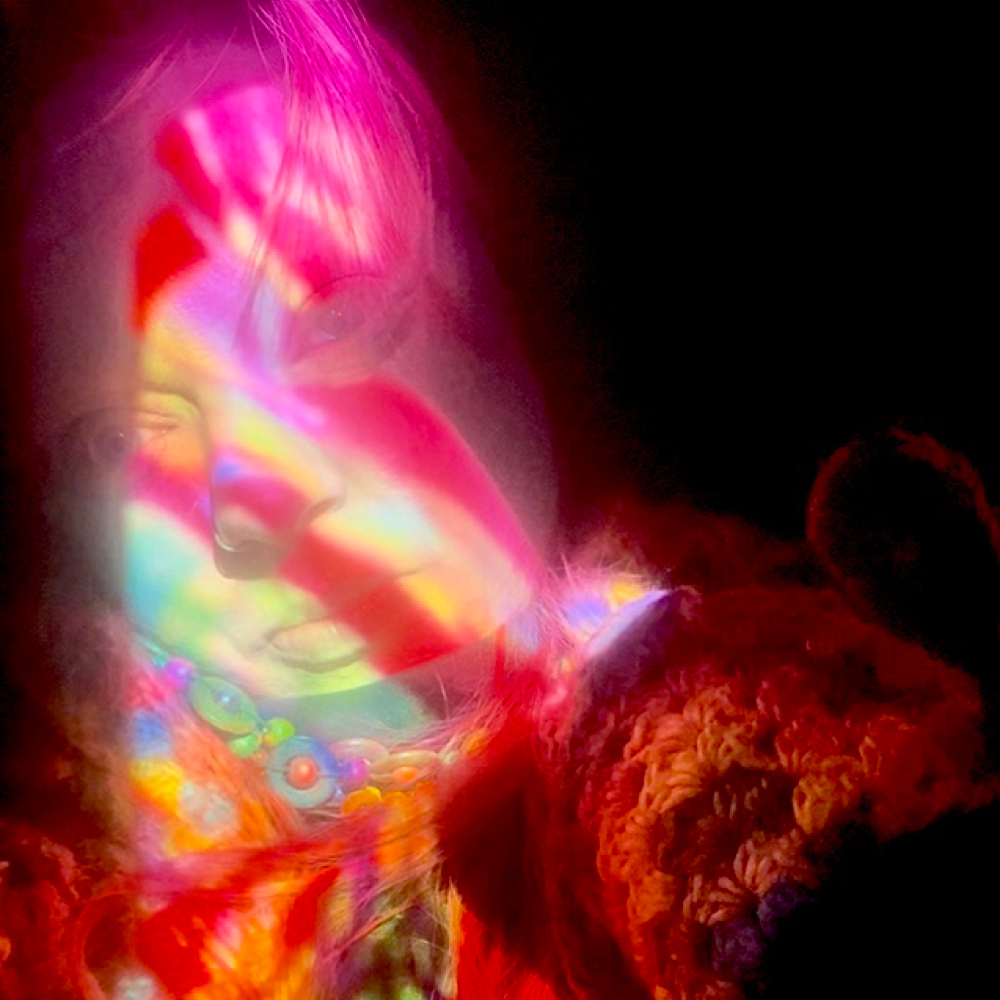
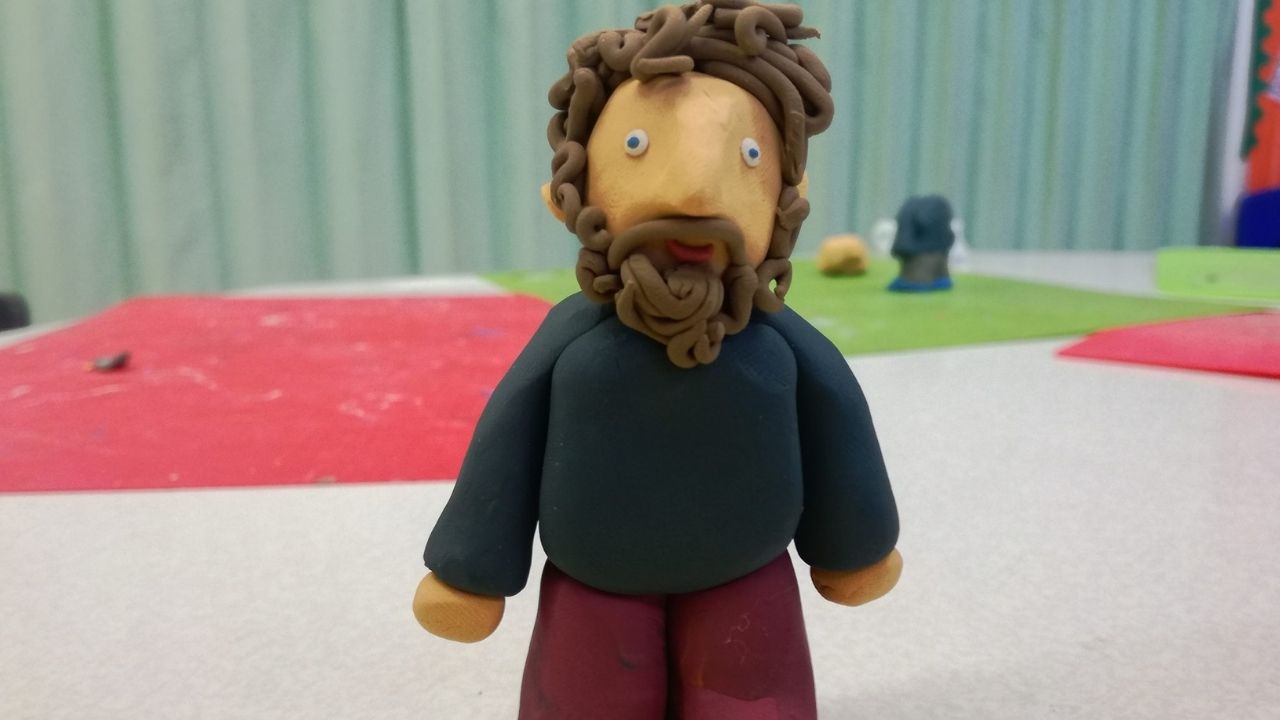
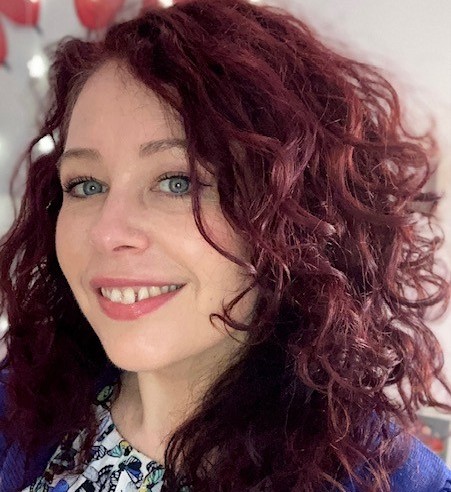
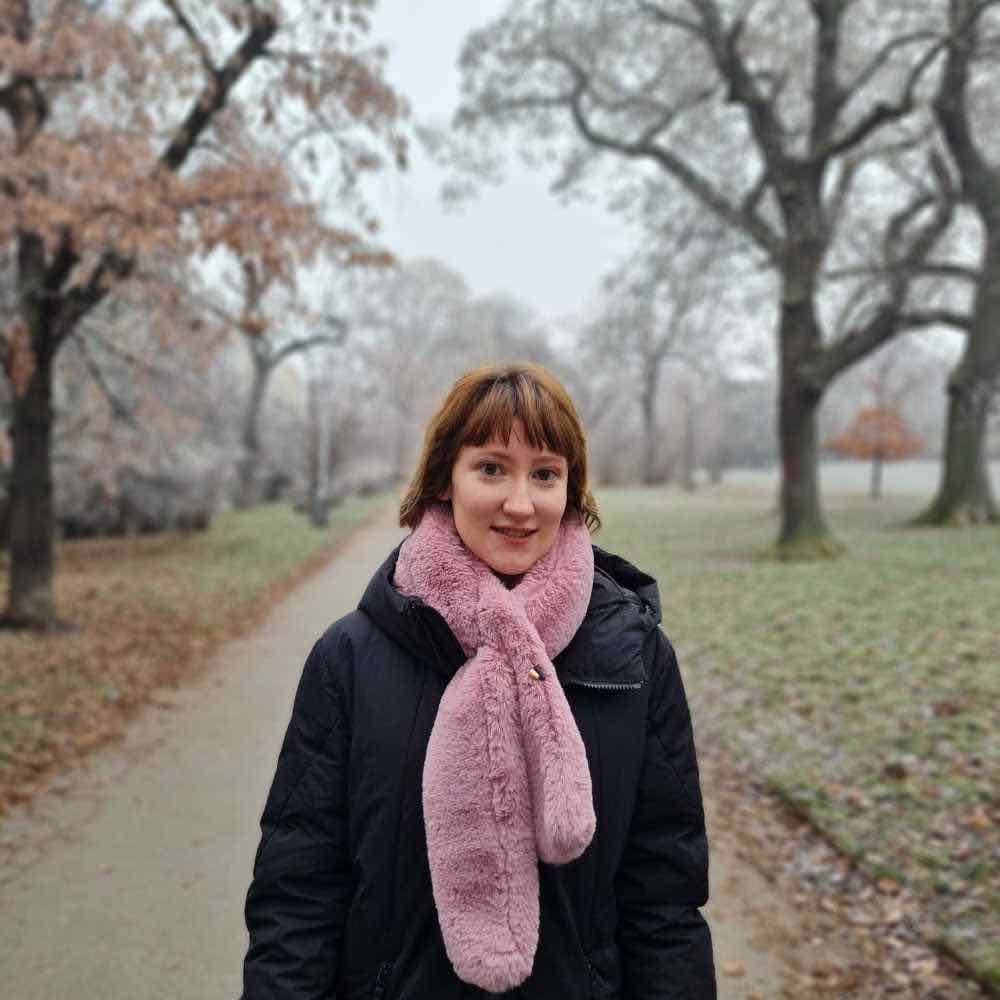
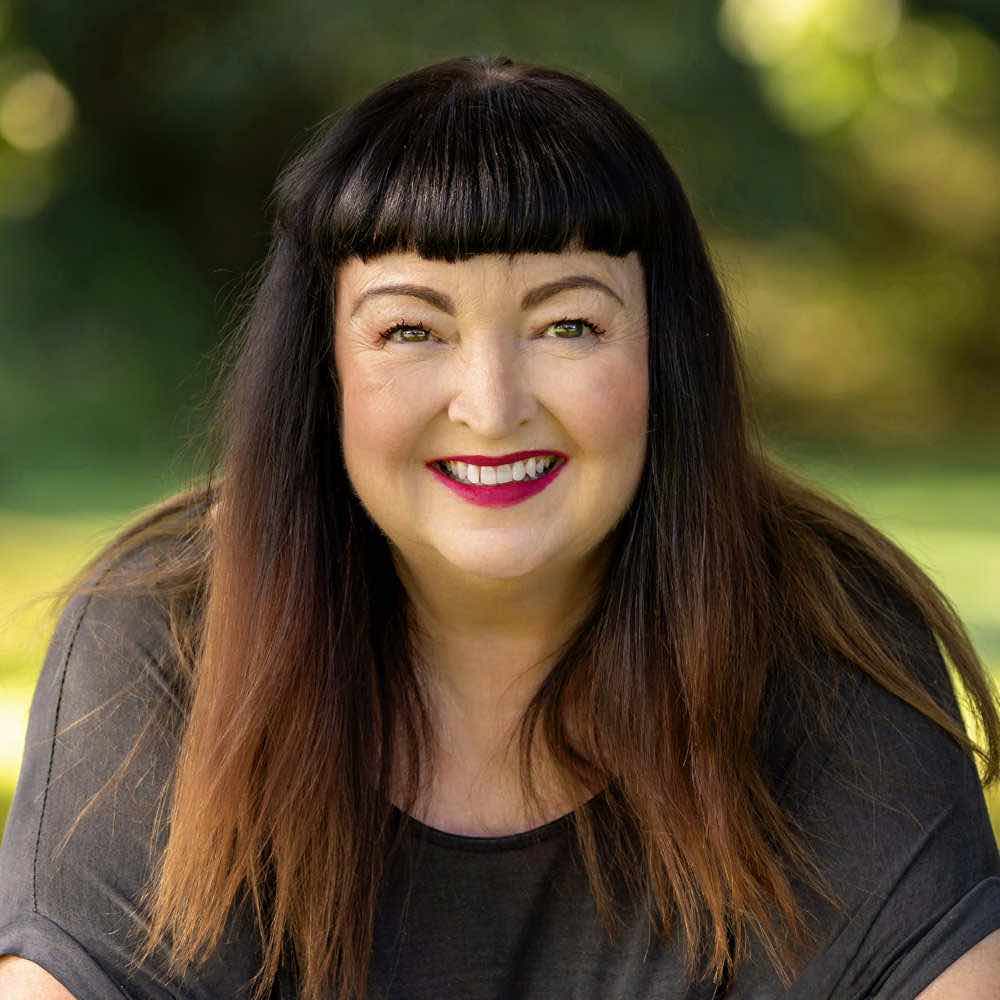
Steph Cormack
Lead artist
she/her
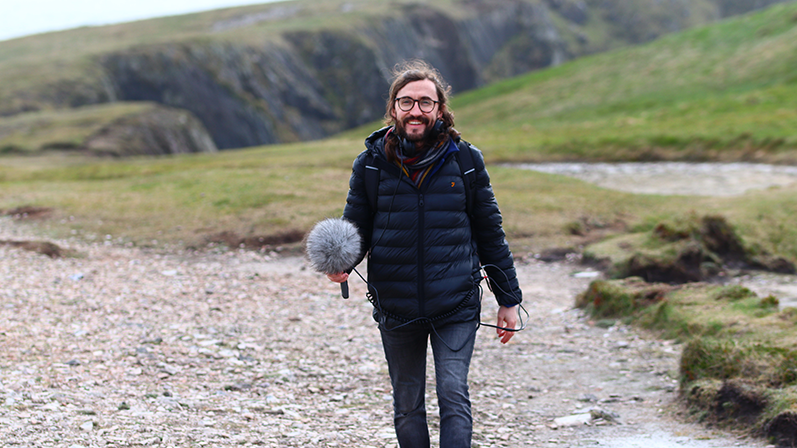
Steph Cormack is an intuitive abstract artist creating immersive art that explores the nuances of sensory perception. Her recent interactive works invite audiences to engage with their unique sensory experiences, encouraging personal reflection and celebrating diverse perspectives.
Over the past year she has extended her practice into immersive arts, experimenting with projection mapping, spatial sound, tactile materials and responsive environments. These experiments have allowed her to translate moments of sensory intensity into multi-sensory installations that invite curiosity, emotional connection and a deeper understanding of neurodiverse perception.