Projects
We Live In An Old Chaos Of The Sun
We Live In An Old Chaos Of The Sun
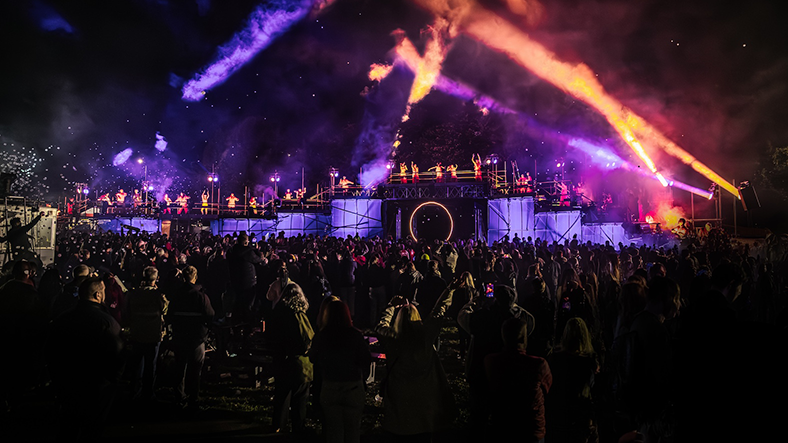
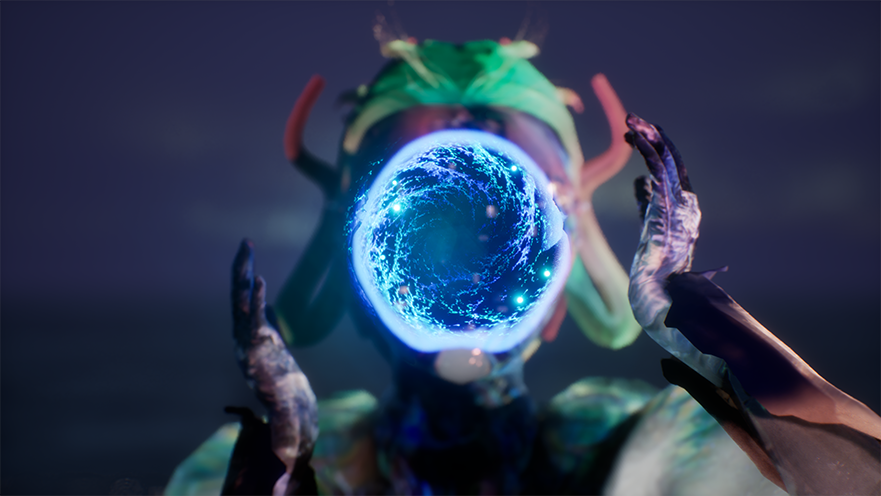
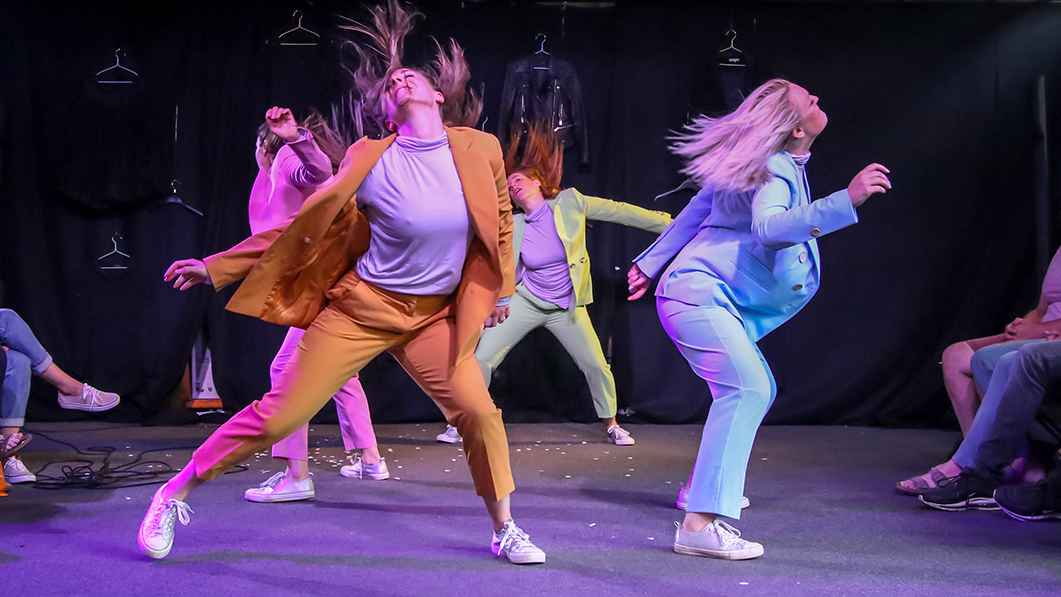
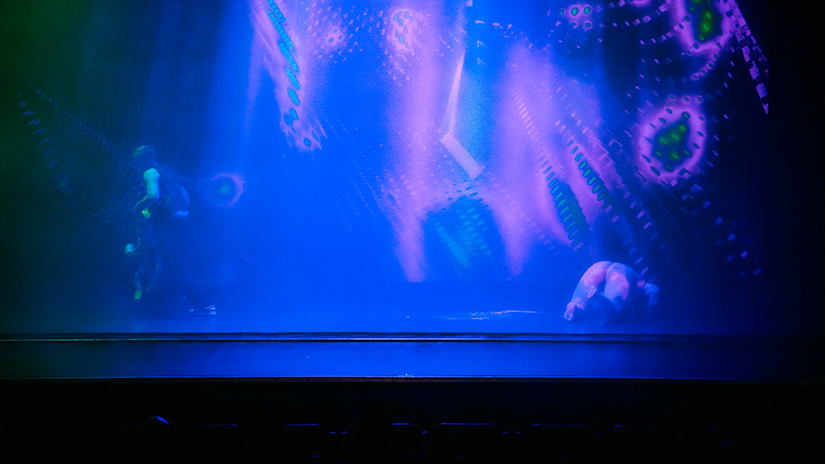
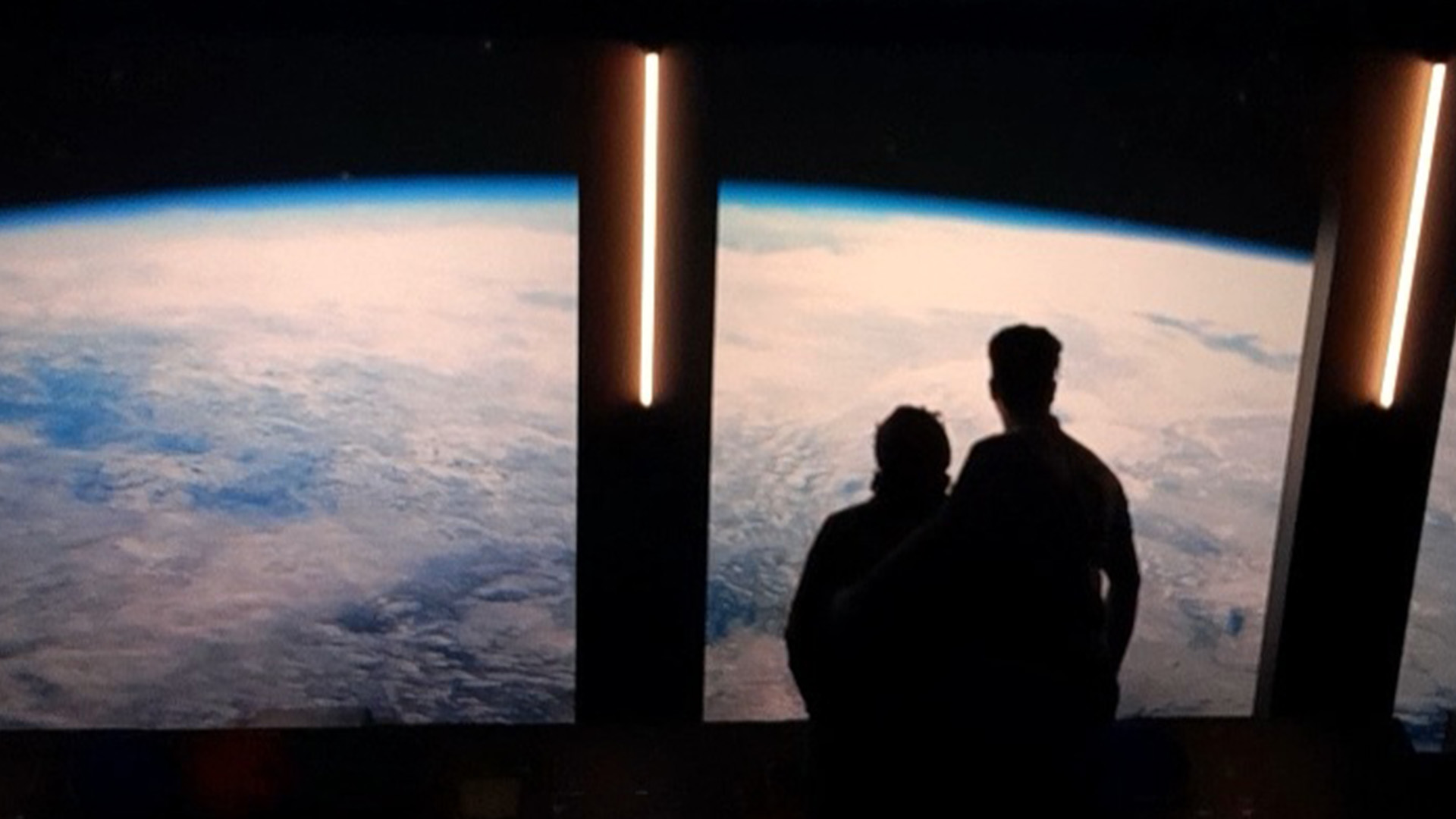
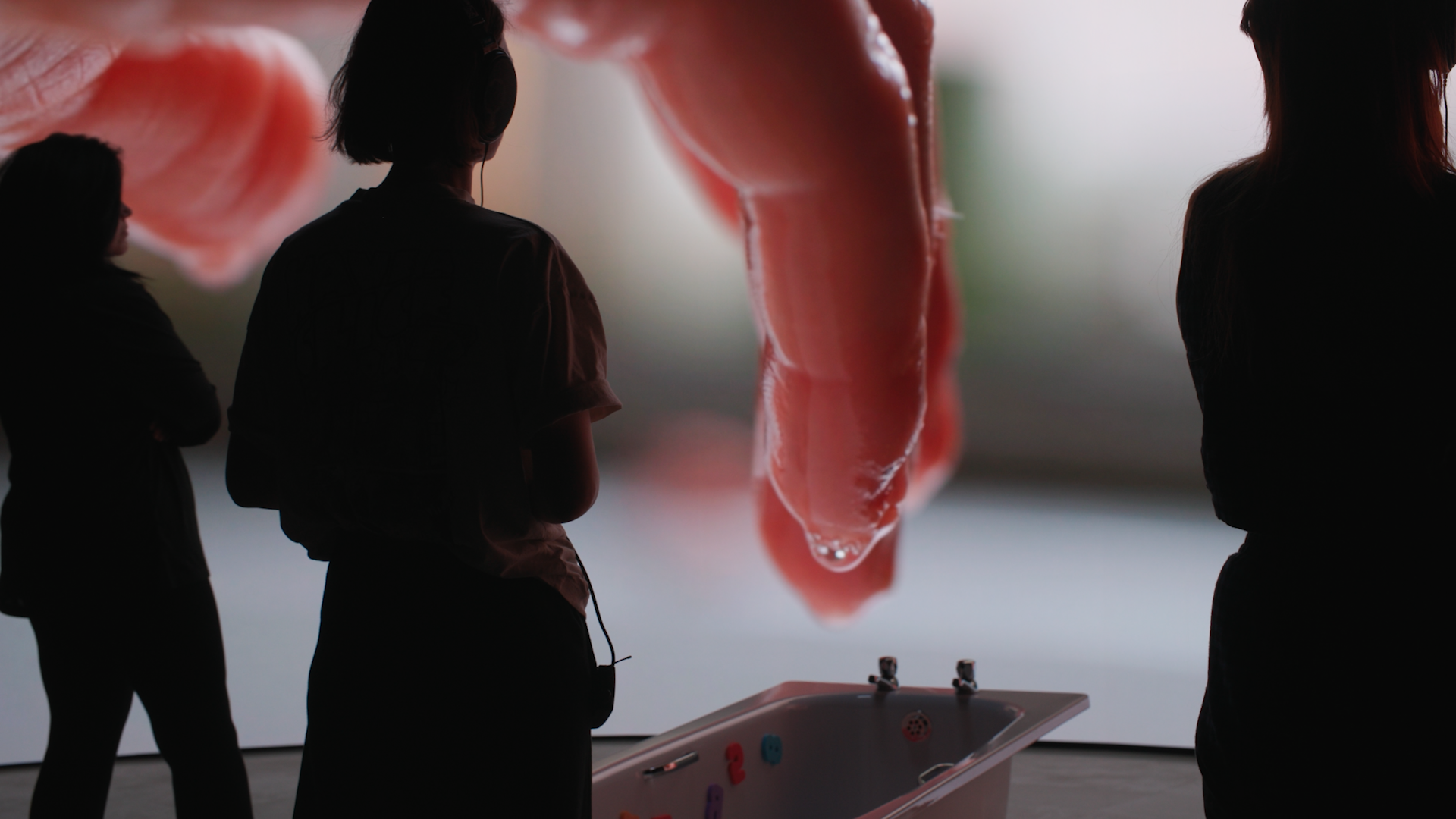
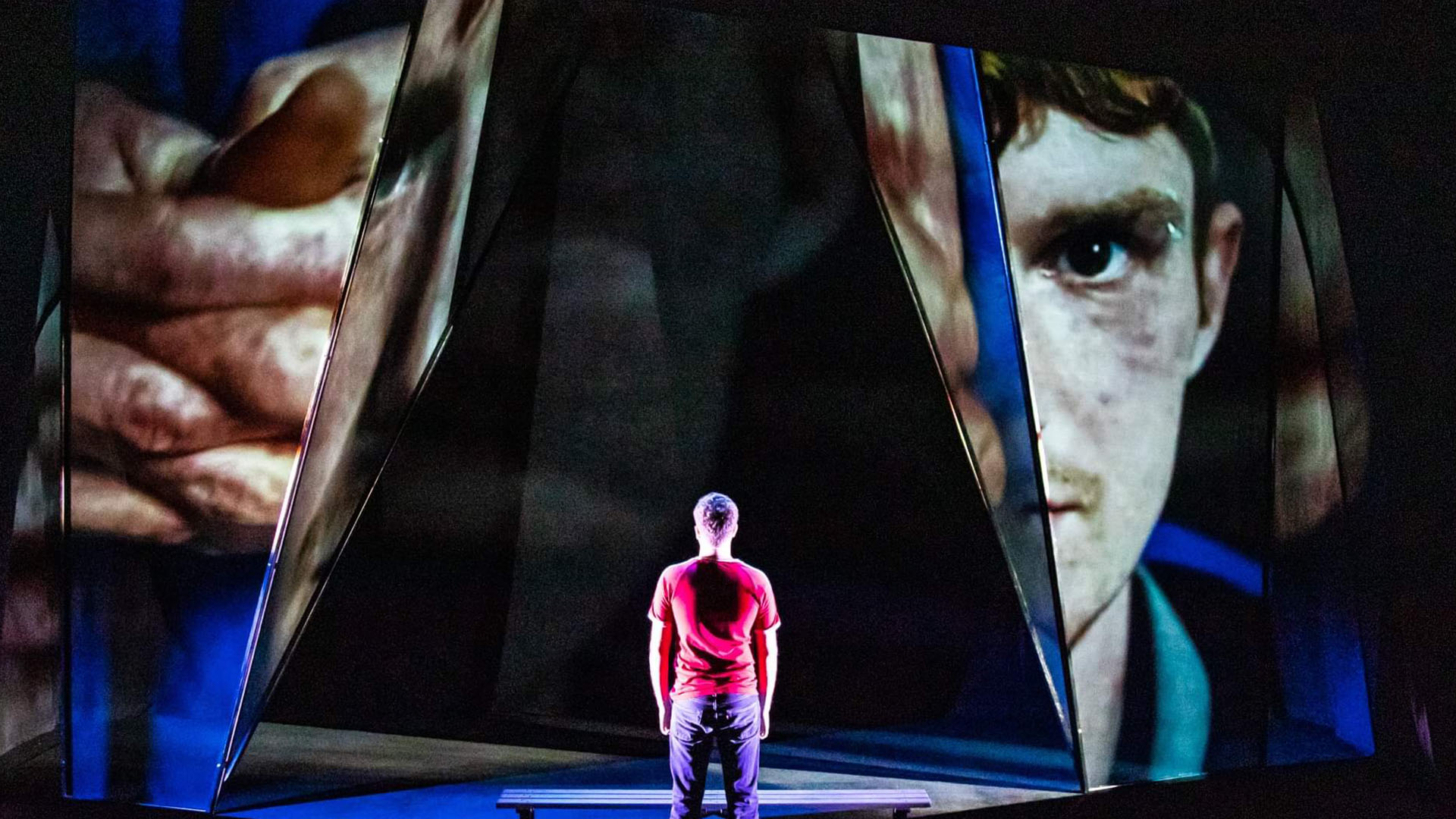
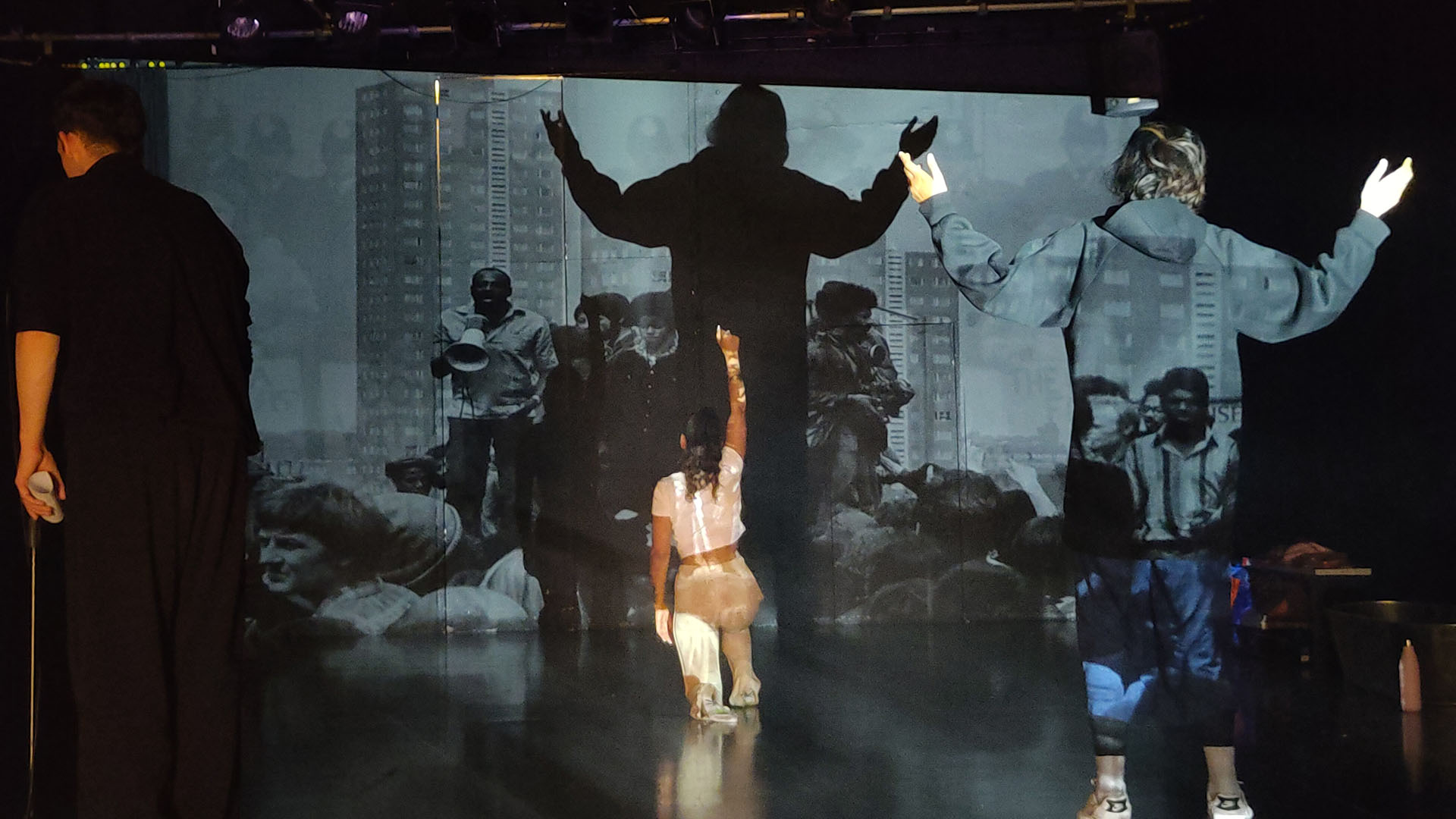
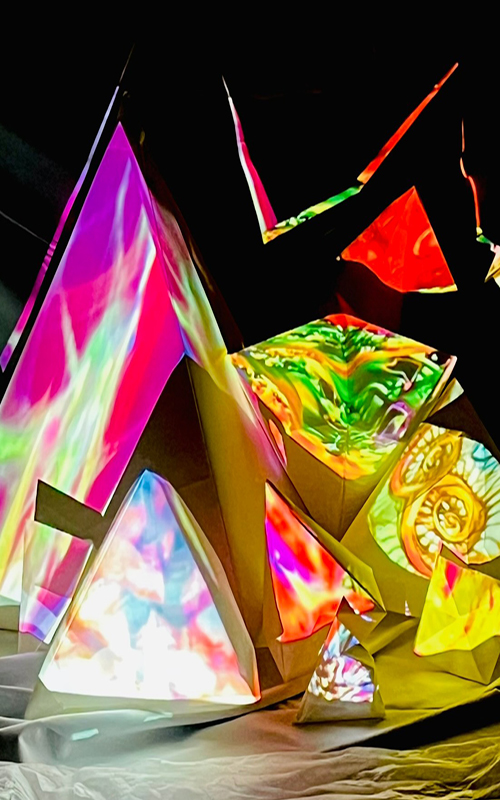
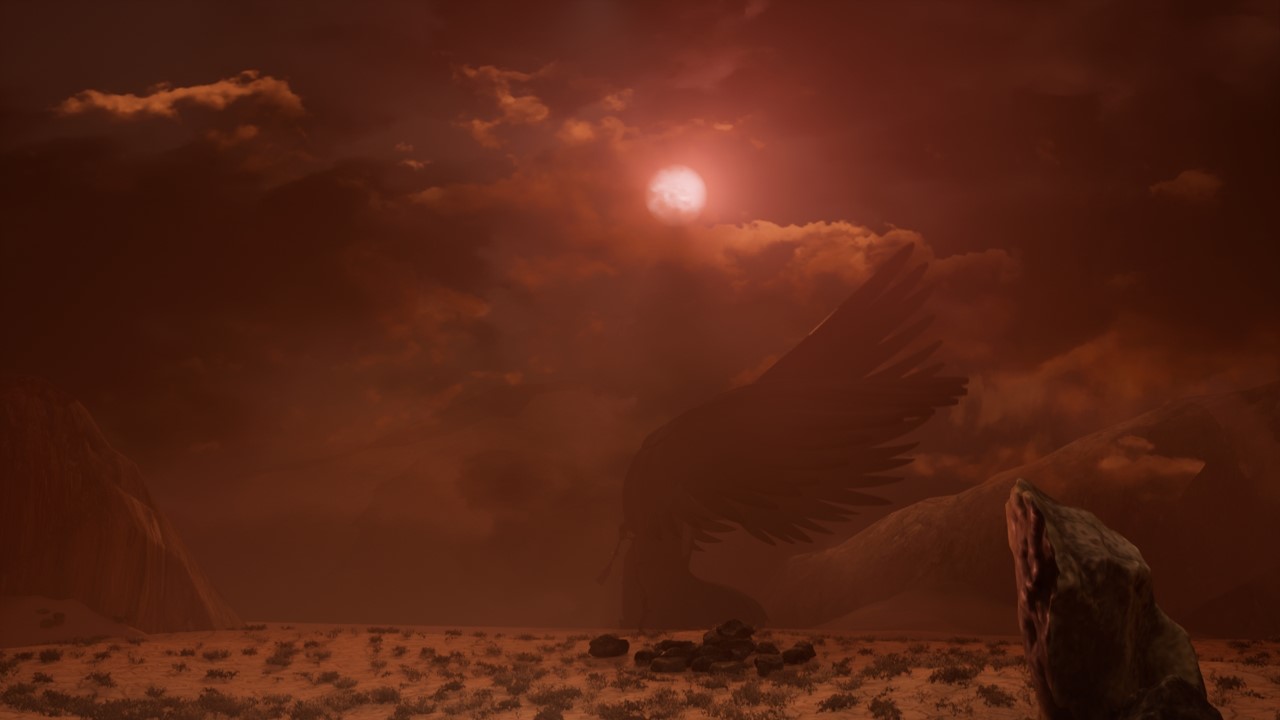
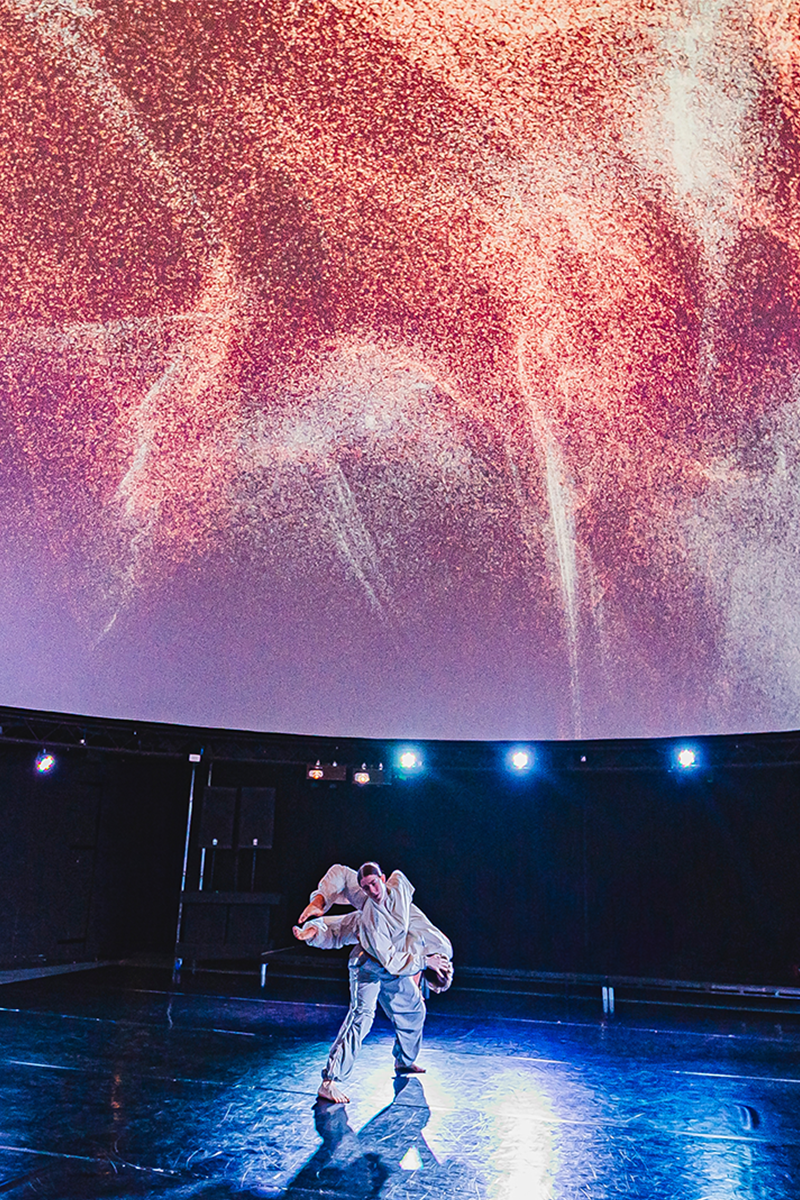
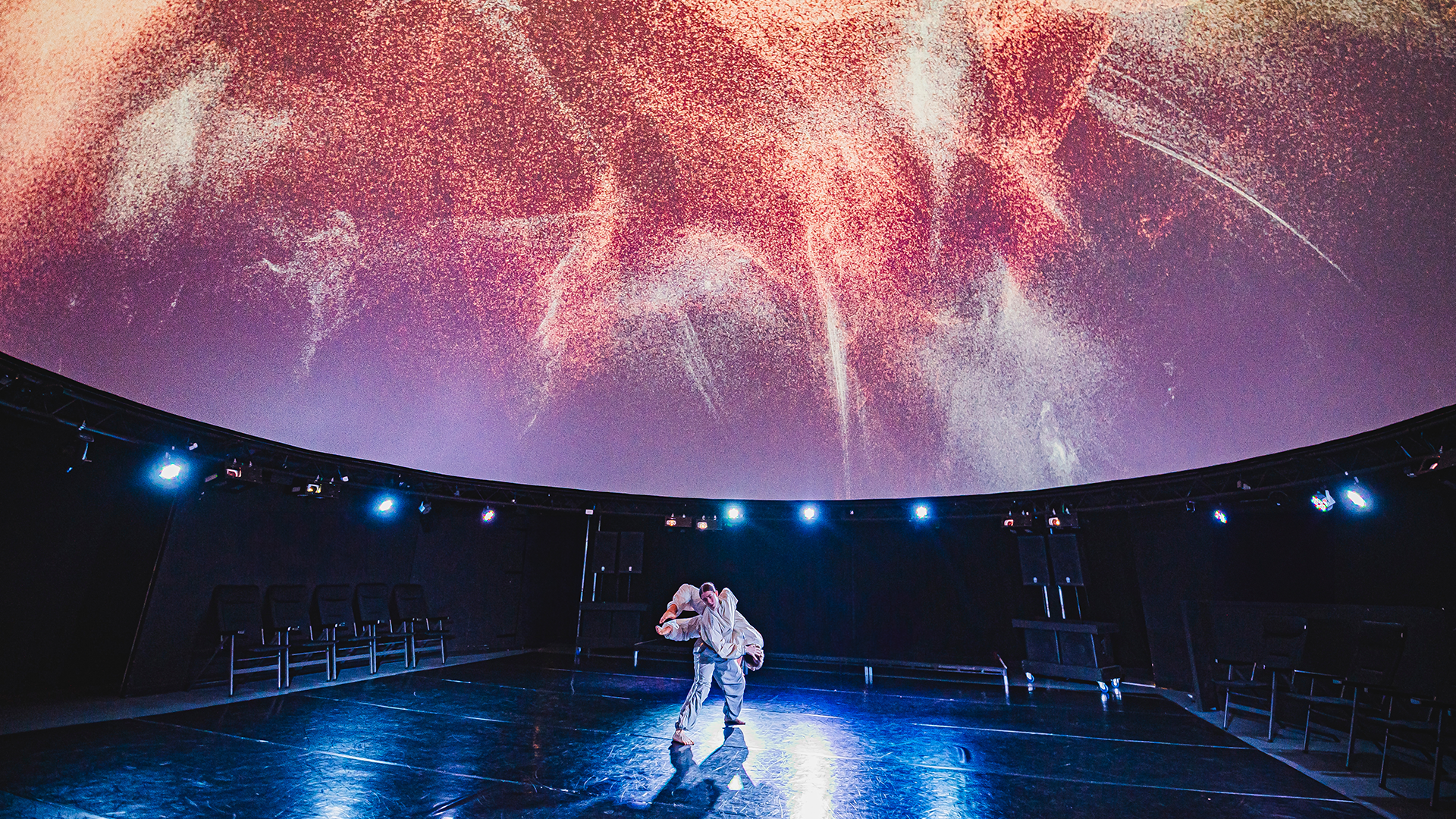
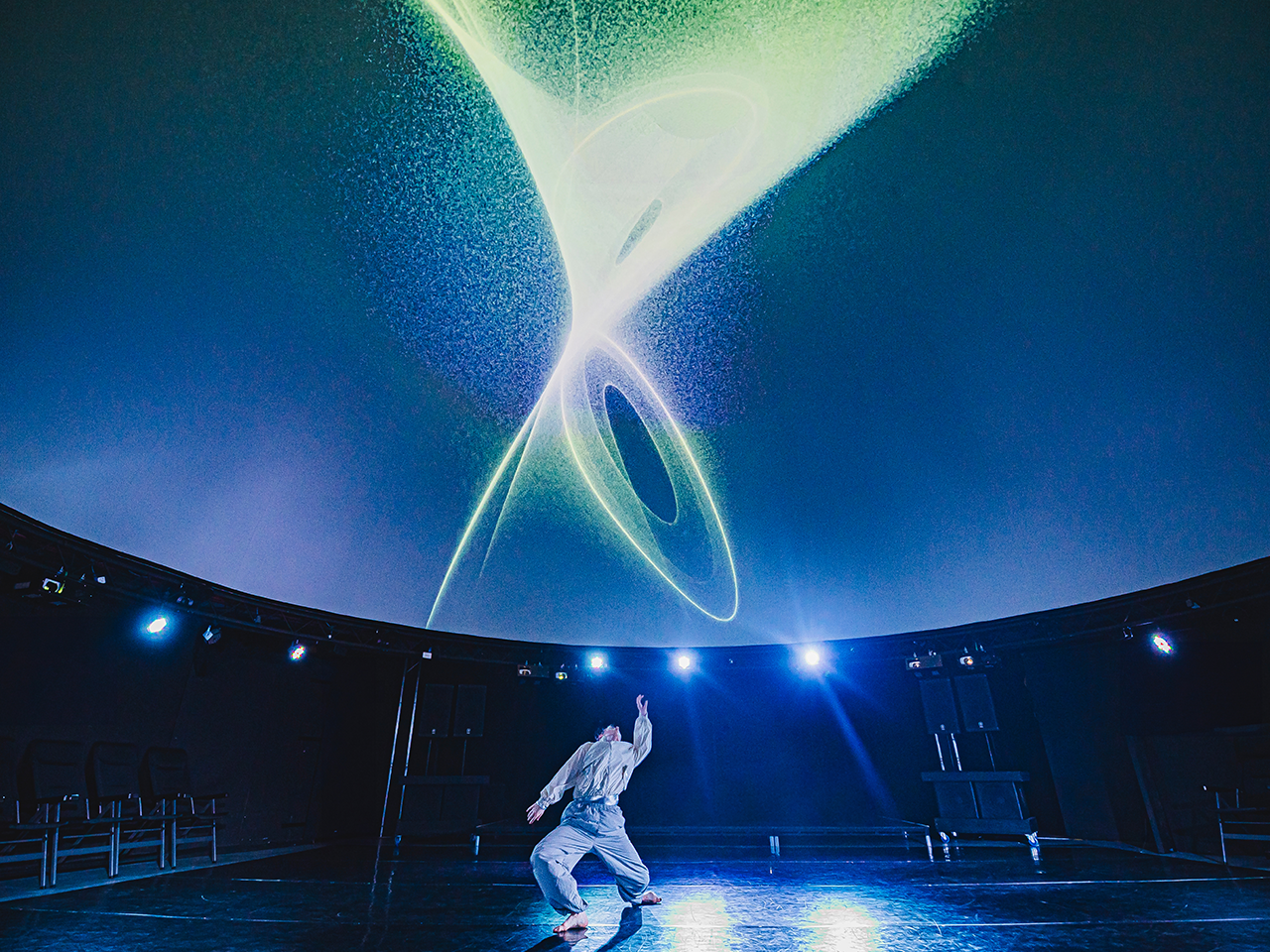
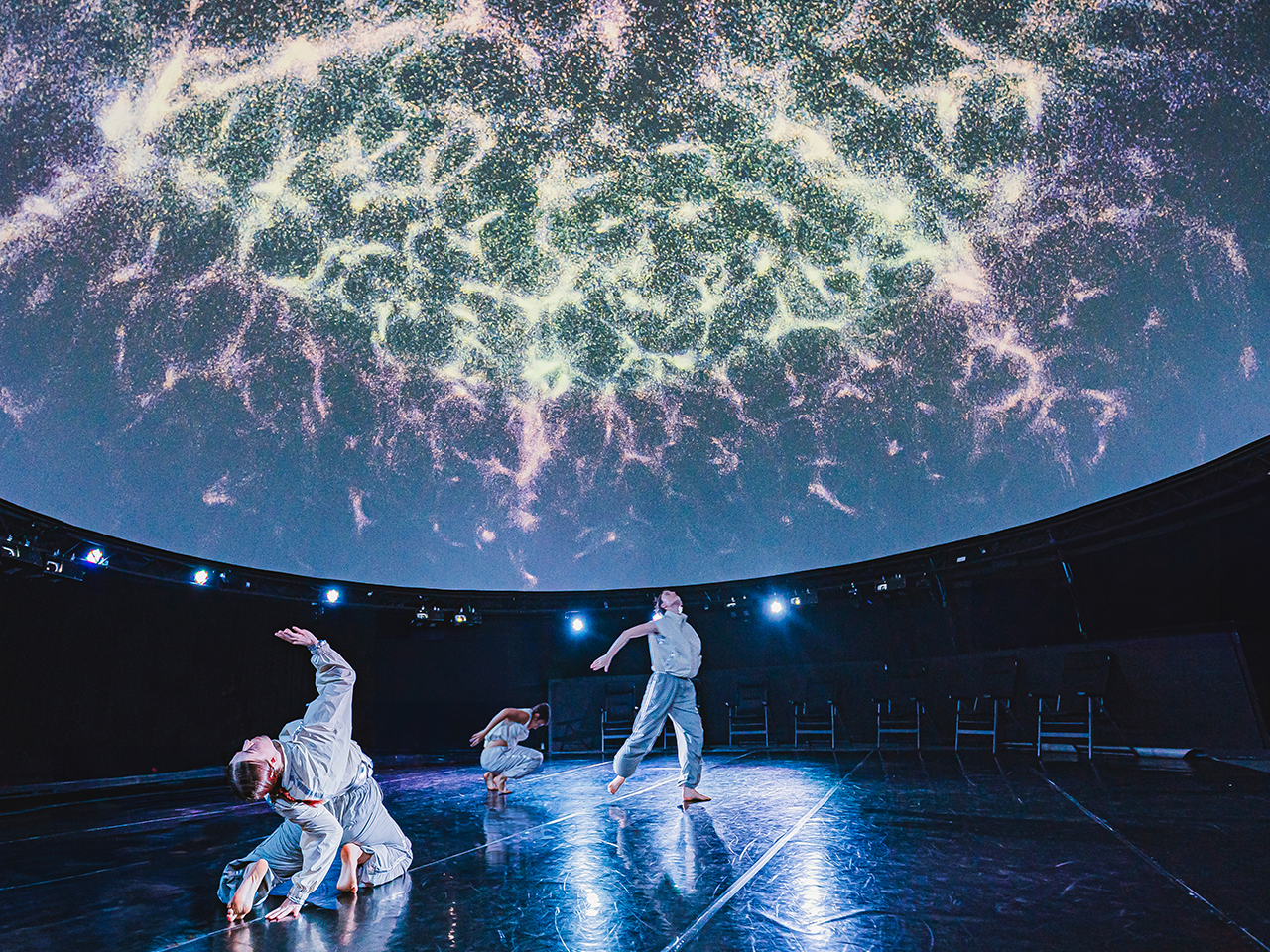
We Live In An Old Chaos of the Sun is a new contemporary dance work bringing together worlds of choreography with immersive, realtime digital technology. It’s a moment to ponder our relationship with what’s to come.
An entire universe set in motion by a single human body.
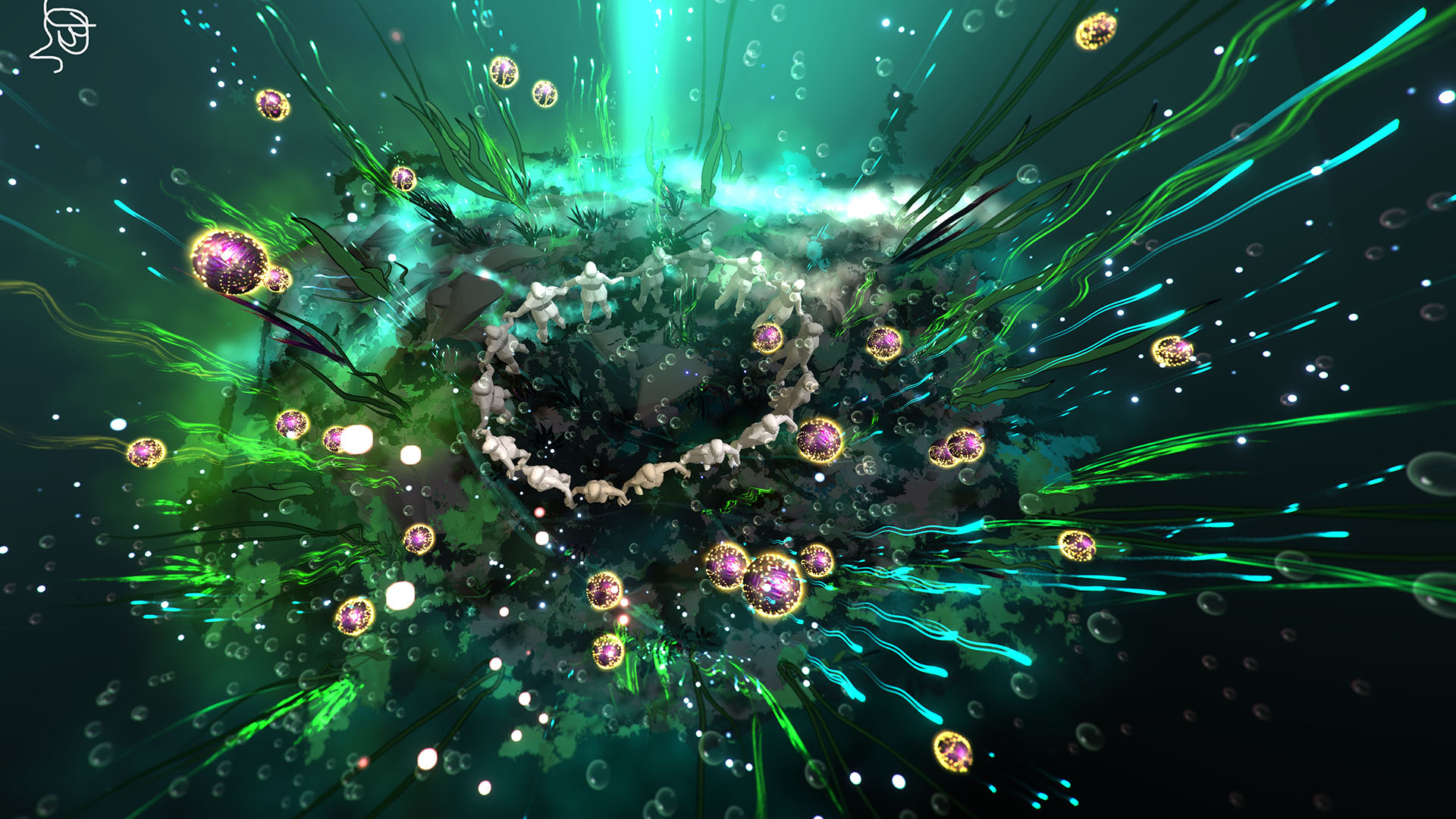
In a world where technology and creativity collide, they're creating an experience where the human body becomes the catalyst for an evolving, responsive digital ecosystem.
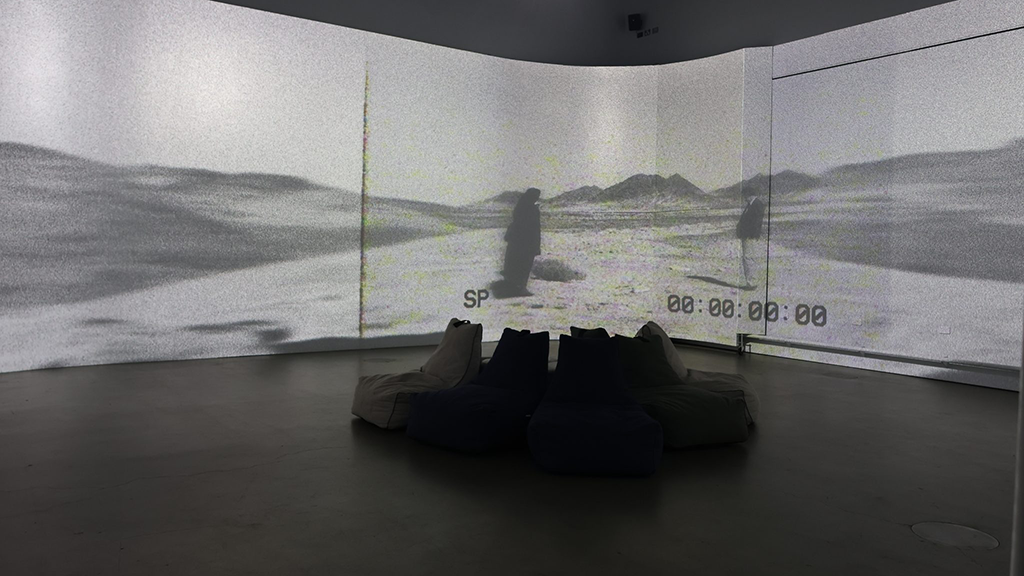
A collaboration with the artists of Uncharted Limbo Collective, ’We live in an old chaos of the sun’ is a new creation that blends dance and digital technology in the 360, pushing the boundaries of performance innovation.
Pioneering and avant-garde, the project brings together a diverse array of talents at the forefront of their respective fields, uniting award-winning and critically acclaimed creatives with long-standing connections to communities, audiences, and venues throughout the UK.
The work invites you into a world where technology is something to embrace; it’s playful, collaborative, and ultimately it’s human. As we step toward the future, this work is powered by the belief that we have a lot to look forward to.
Expand
£50,000
Aims of the project
Throughout this project, they want to shift the narrative from alienation to connection, showing that the future can be something exciting, accessible, and filled with limitless possibility. The support from Immersive Arts UK allows us to take our work to the next level, deepening and scaling our research with responsive tech.
Across immersive residency weeks they aim to develop our work using motion capture alongside offering a range of public engagement initiatives across the UK.
This project builds upon two years of their work in this area and will help to bring their ideas to life. It is a bold, exciting step into the future of live performance and whether it be with artists, audiences or participants in workshops, this project is not just about technology or dance; it’s about rethinking how we connect with our world, with each other, and with the possibilities of the future.
How did they do that?
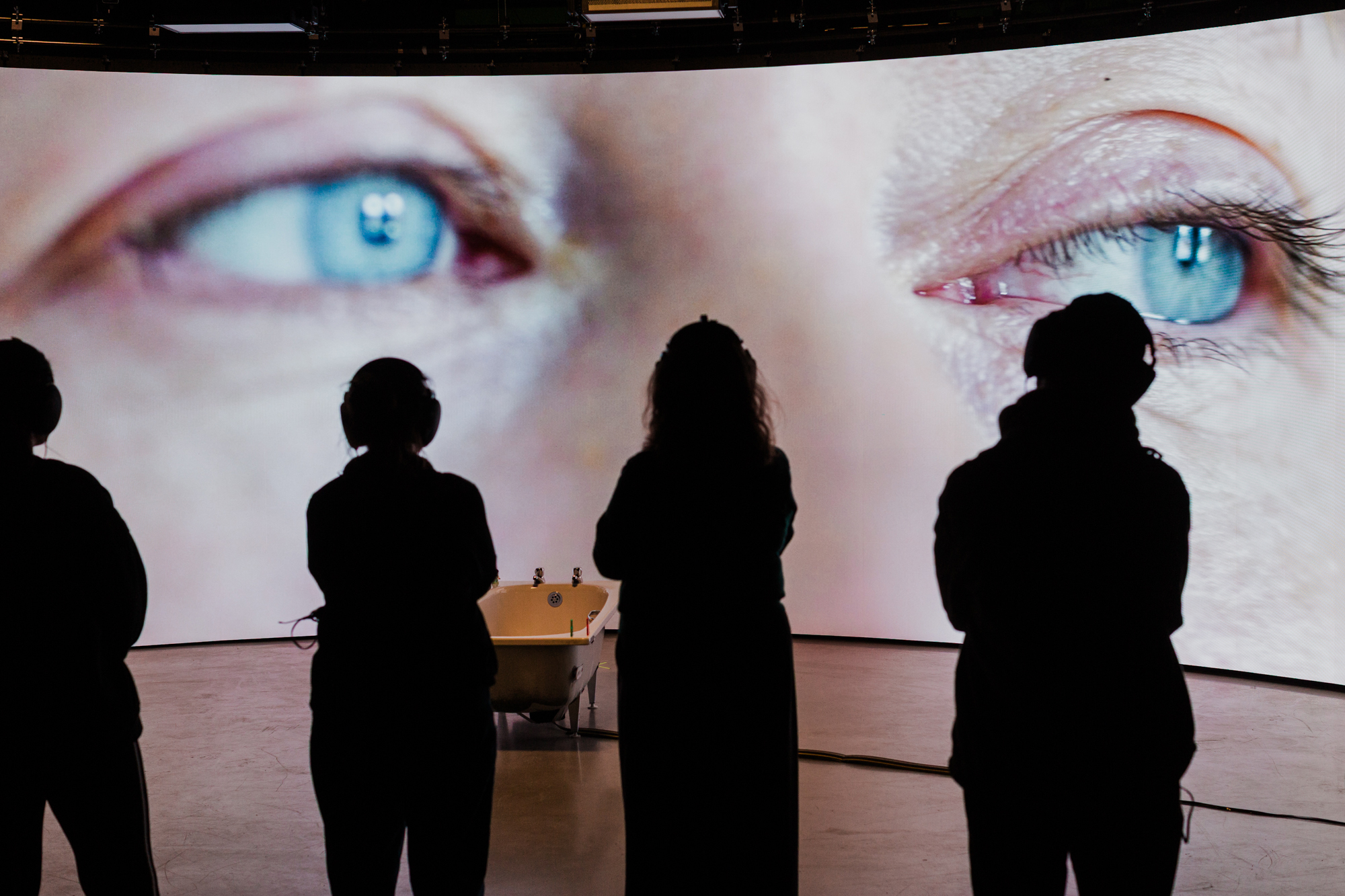
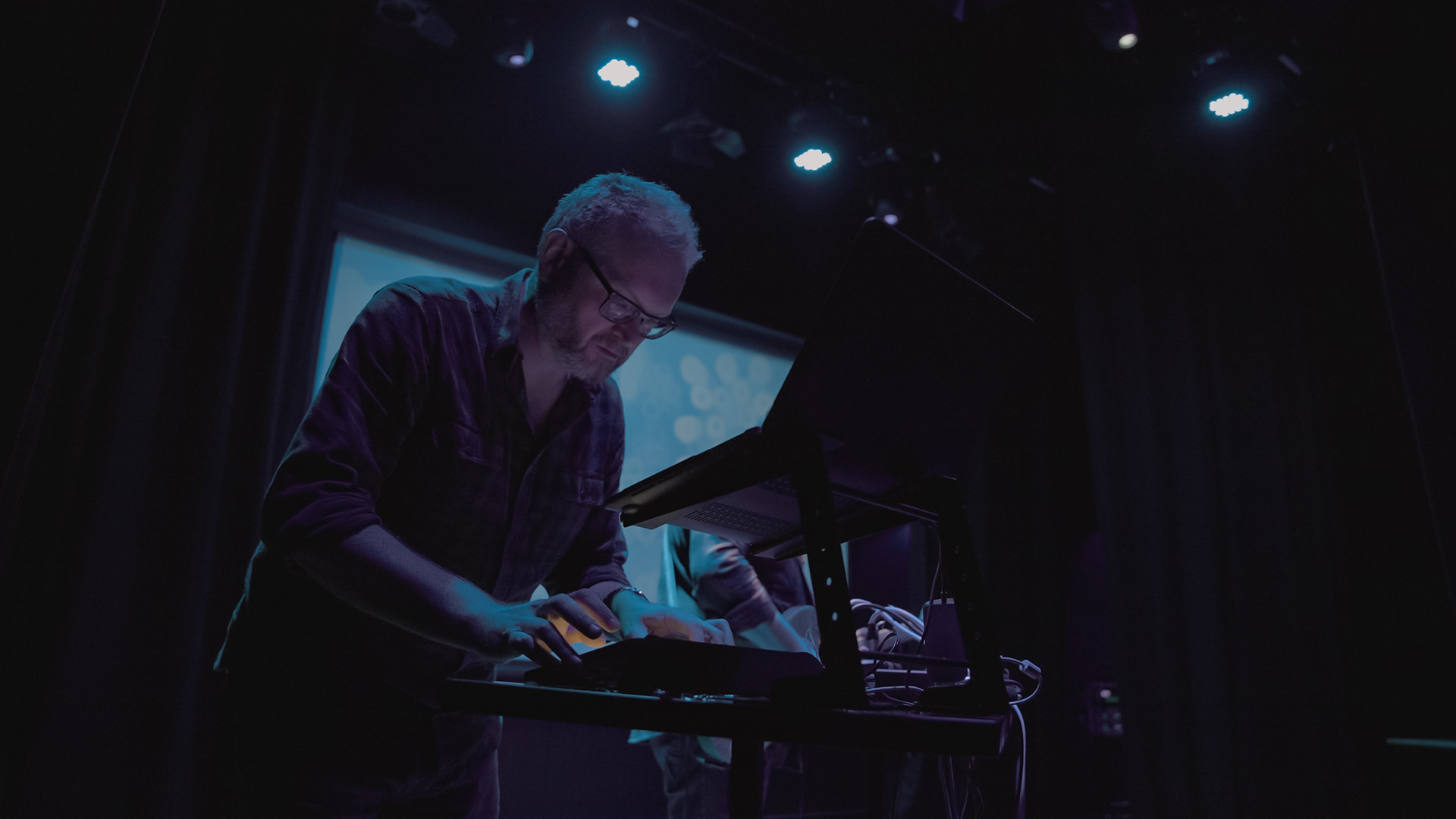
At the heart of We Live In An Old Chaos of the Sun was a simple but demanding technical ambition; to allow live human movement to generate and reshape an immersive digital world in real time.
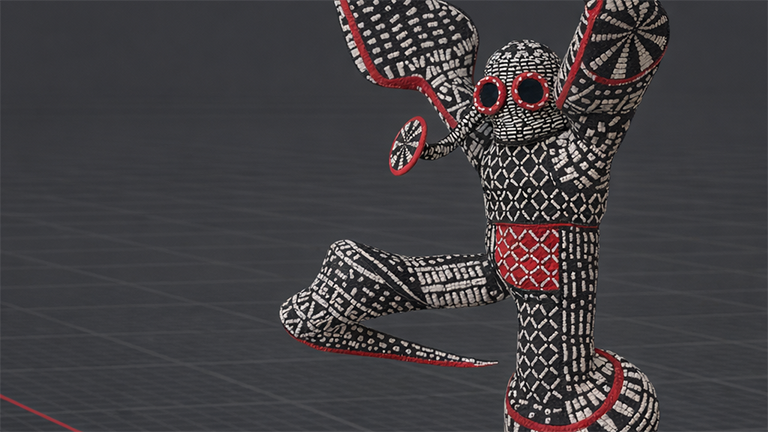
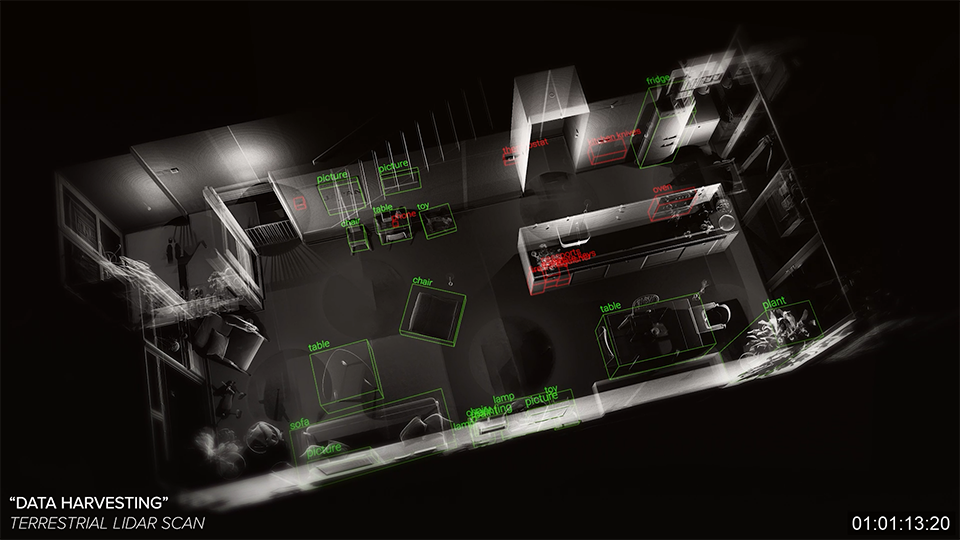
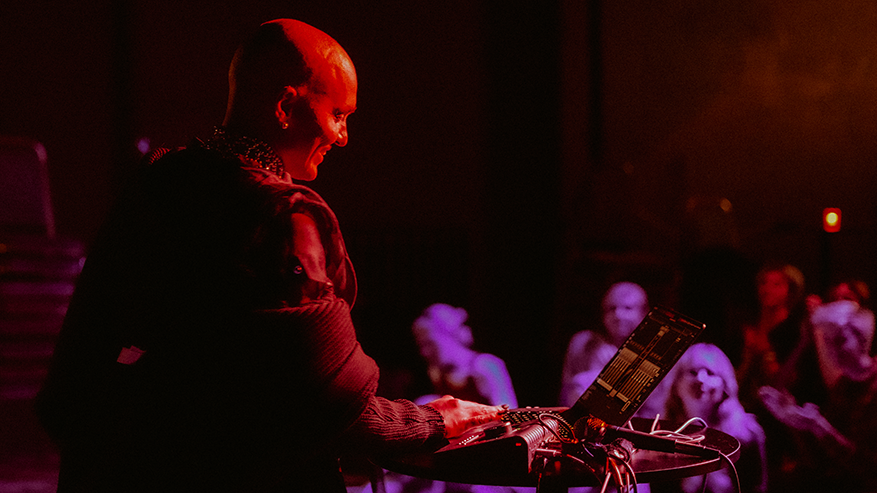
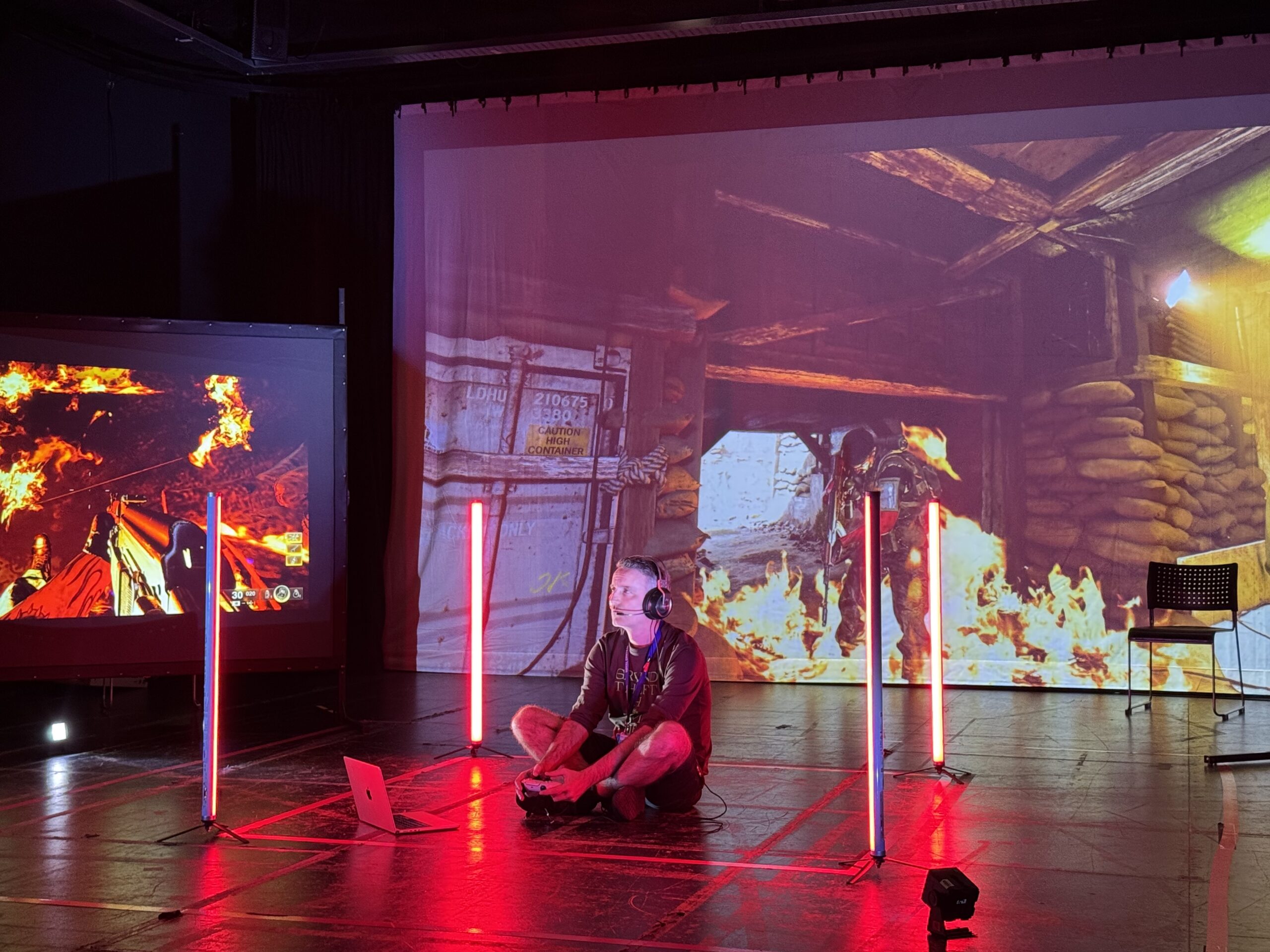
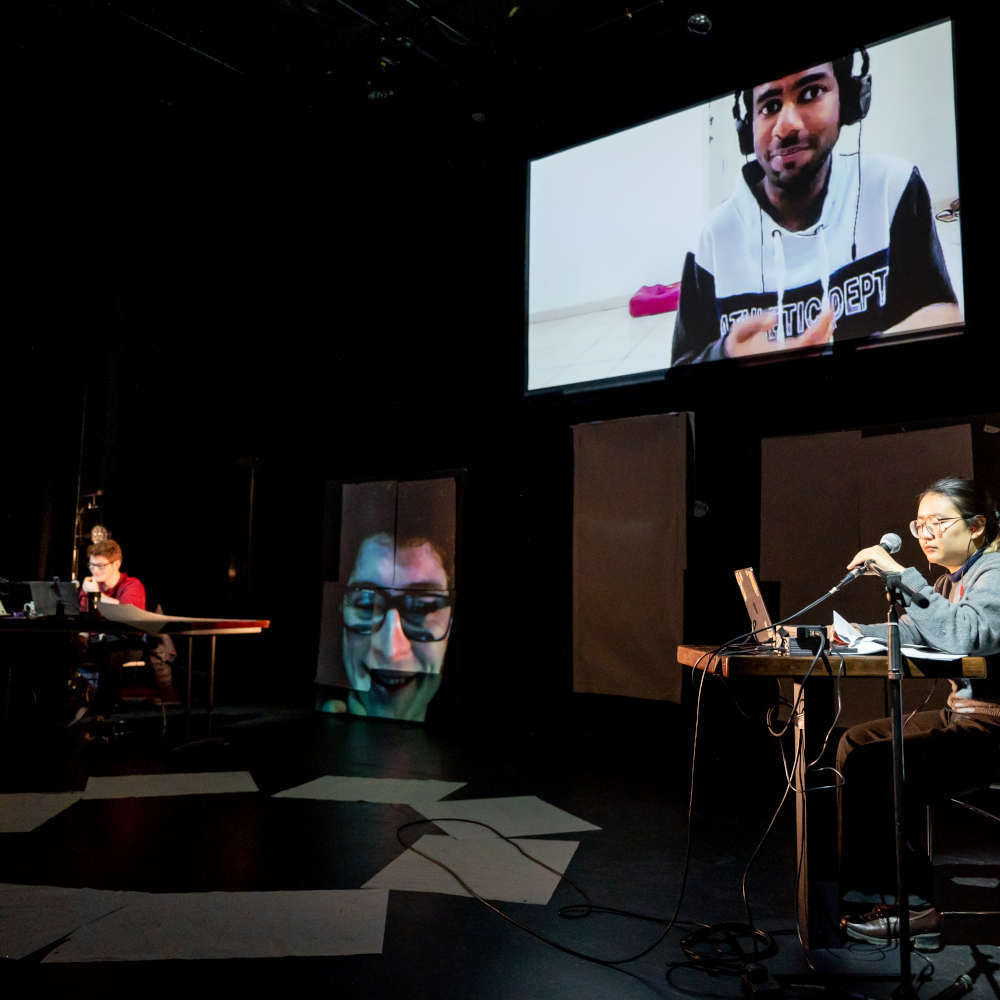
We worked with motion capture and camera-based tracking systems to translate dancers’ movement data into responsive visual behaviours inside a 360° environment. Rather than treating choreography as something illustrated by technology, we designed the system so movement drives the environment; pace, scale, density and rhythm in the visuals all emerge from physical presence.
One of the biggest challenges was reliability. Early tests revealed that complex or expansive choreography could overwhelm tracking systems, leading to visual dropouts or unintended behaviours. A key turning point came when we simplified and prioritised the movement data itself, designing clearer relationships between physical action and digital response. Movement changed how we approached digital, and digital changed how we developed movement. This allowed us to regain artistic control while making the system more robust and repeatable.
Another learning was around restraint. Not every movement needed a visible reaction. Some of the most powerful moments emerged when the system listened quietly; allowing space, delay and accumulation rather than constant reaction. It gave us real artistic width to experiment with the sort of comments we were able to make throughout the work.
Our main advice to other artists would be to expect things to change and crucially to build time for play. That’s where the real joy came for us.
Towards a more human immersive future
The process showed us that immersive experiences are at their most powerful when they begin with us. Dance offered a way to anchor complex systems in something immediate and shared, preventing the work from becoming abstract or detached. As immersive technologies continue to evolve, this project points toward a future where human presence isn’t replaced or obscured, but amplified. That felt truly exciting.
Immersive Arts trusted us to lead with our values, giving us the confidence and resources to experiment without compromising our voice. Being part of the Immersive Arts cohort felt truly energising, it connected us to a community of artists asking similar questions about the world we’re living in, each from very different perspectives.
"Creating this work felt like world-building through movement, where a single body could bend space, time and atmosphere into something expansive and alive".
Meet the artist

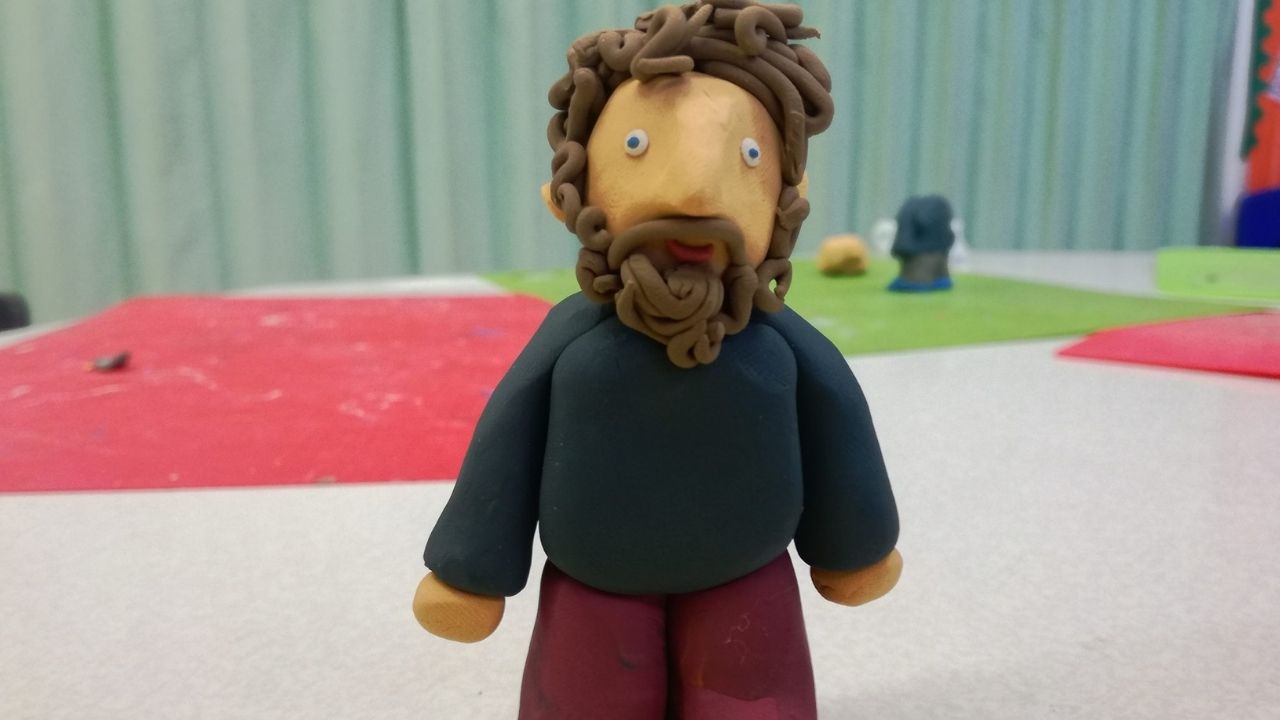
Jack Philp
Lead artist
he/him
Jack is an internationally recognised choreographer, director, and artistic director of his collective, Jack Philp Dance. His work blends live dance, digital technology and science, and has toured and connected to venues and festivals across the UK and Europe.
Recent projects include a UK tour of Into the Novacene and an international collaboration with Planetarium Hamburg exploring immersive technologies. Jack’s practice spans stage, screen, and digital experiences, with collaborations in dance, fashion, sound, AI, and immersive tech. He has created work for Intoto Dance Company, NDCWales, Northern School of Contemporary Dance, and recently collaborated with the National Ballet of Jersey.