Projects


Imprints of River Colne
Imprints of River Colne
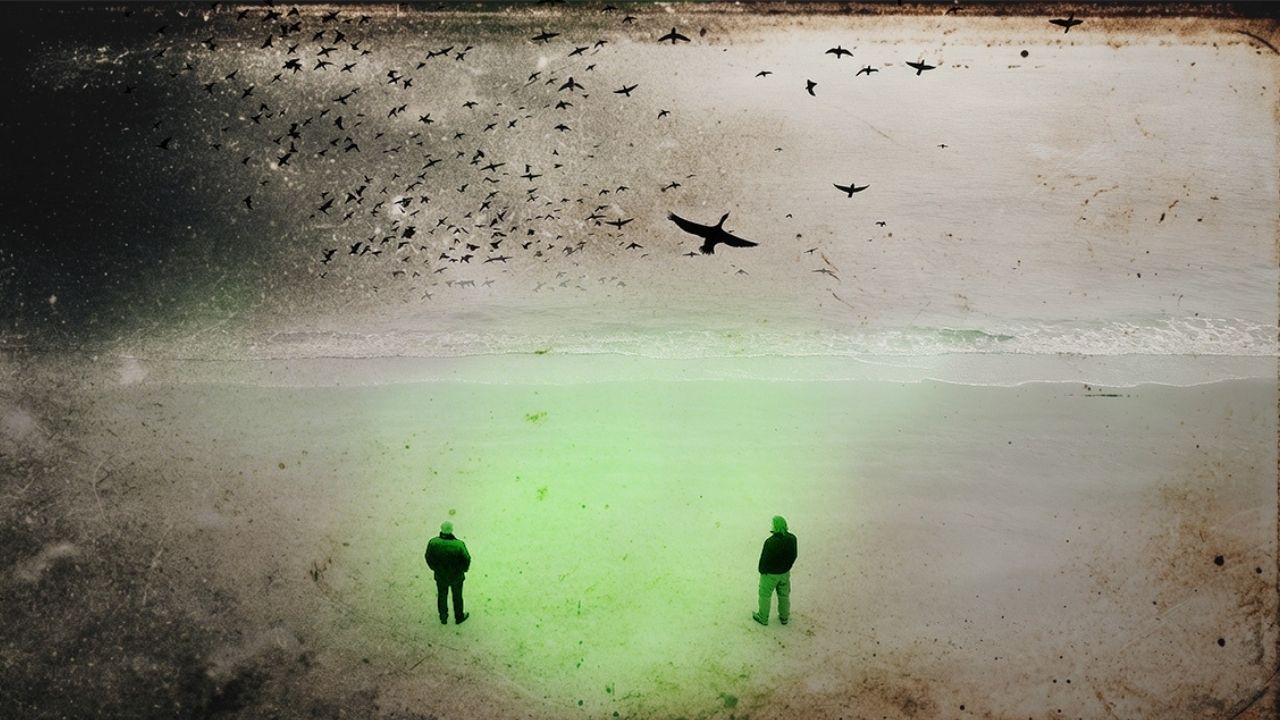
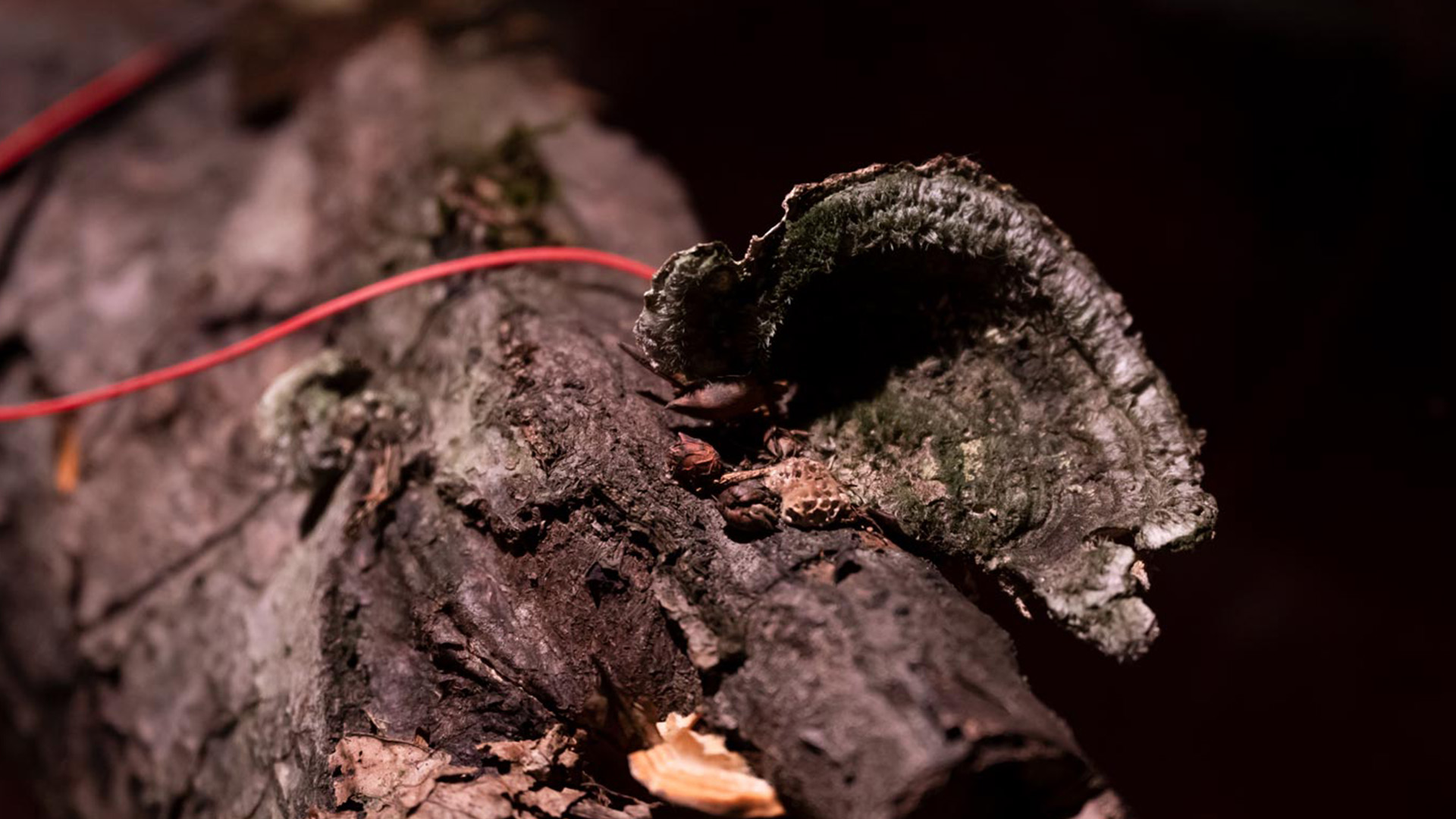
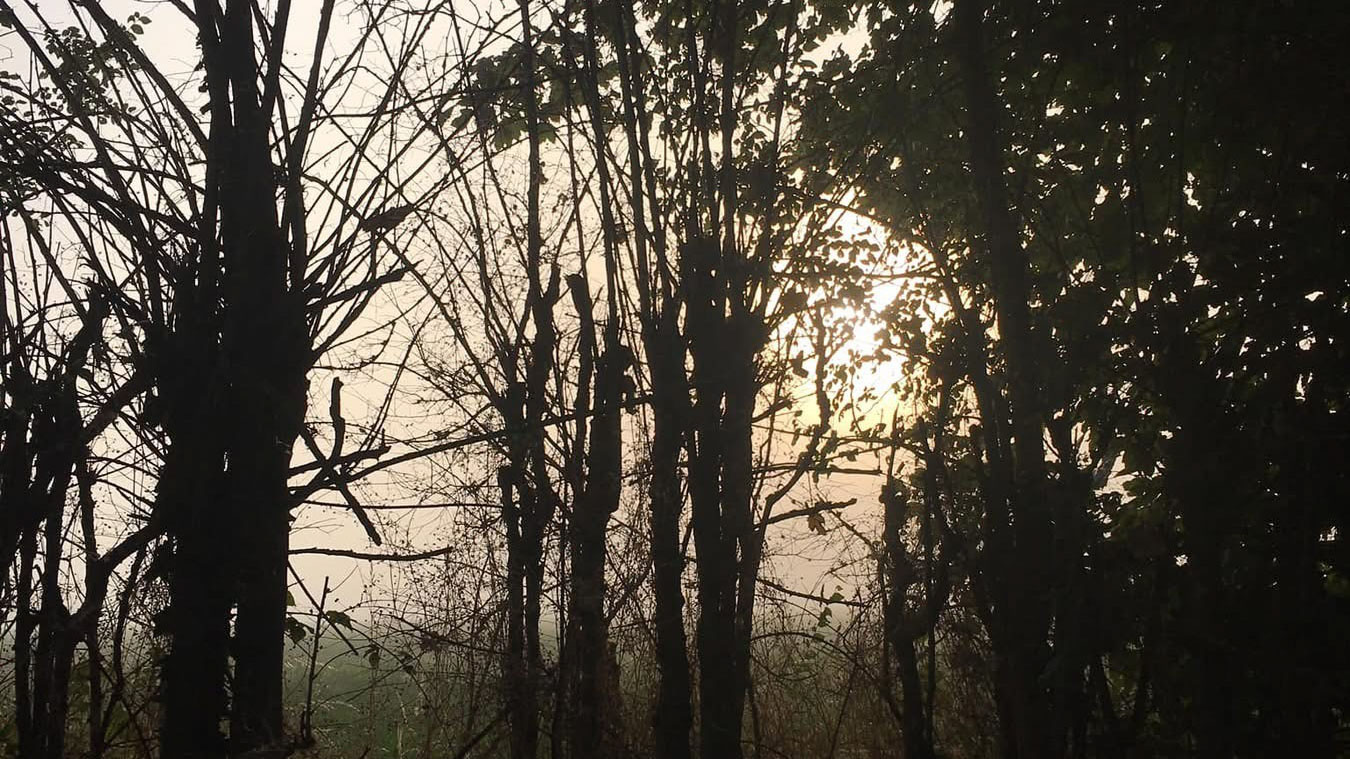
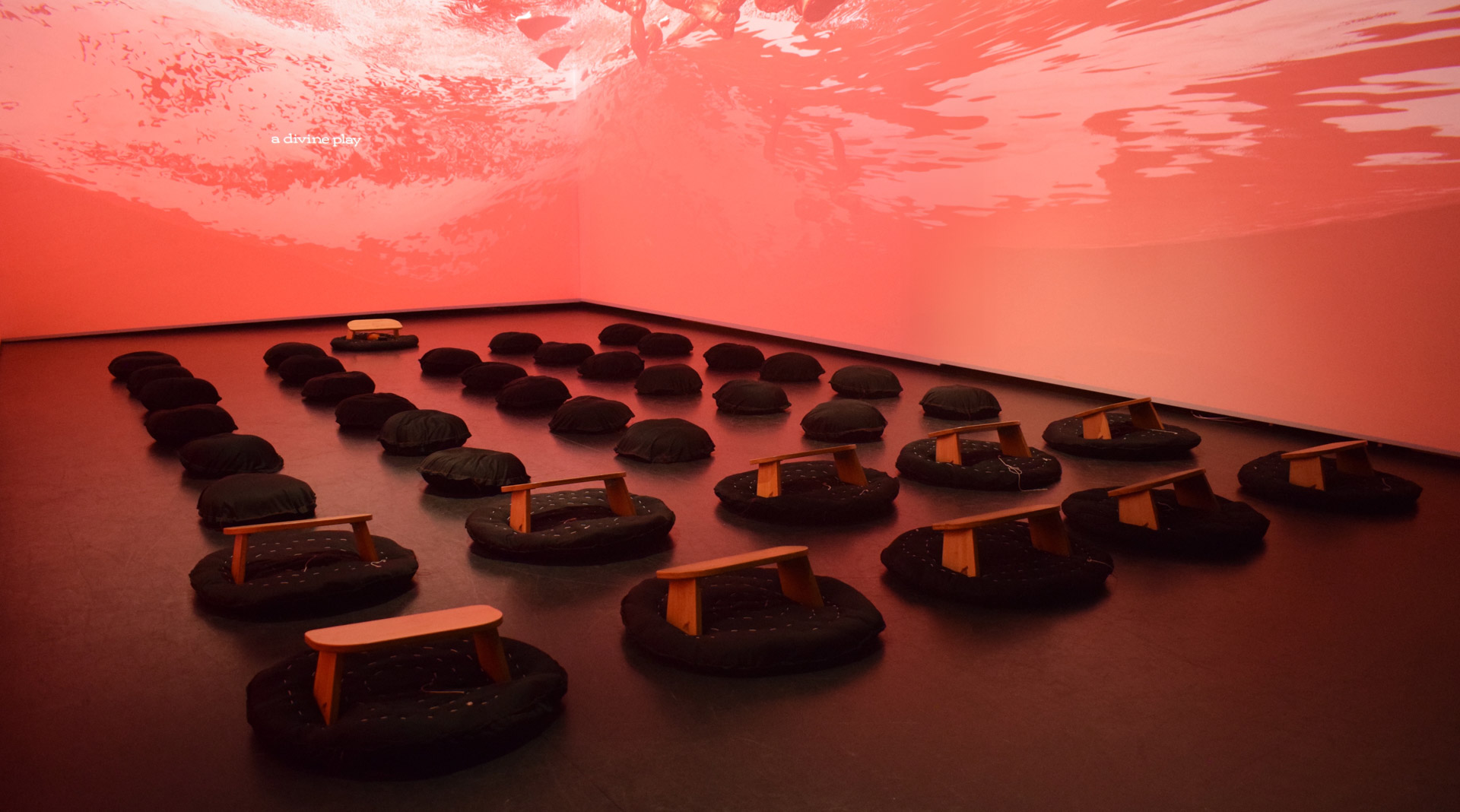
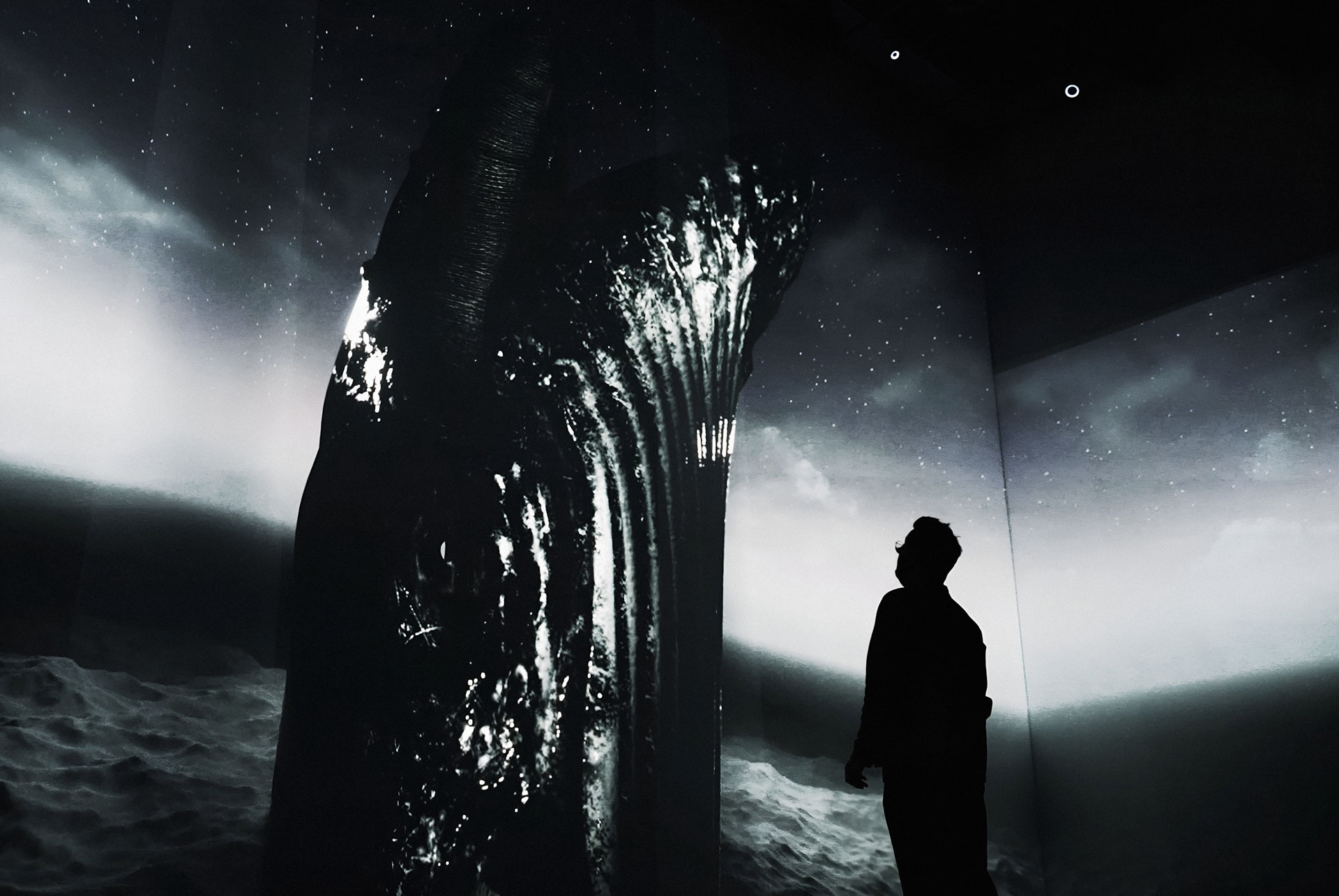
Imprints of River Colne begins with an invitation to encounter the river not as an afterthought but as a source of constant inspiration, a reflection of our emotions, memories, communities and ecology.
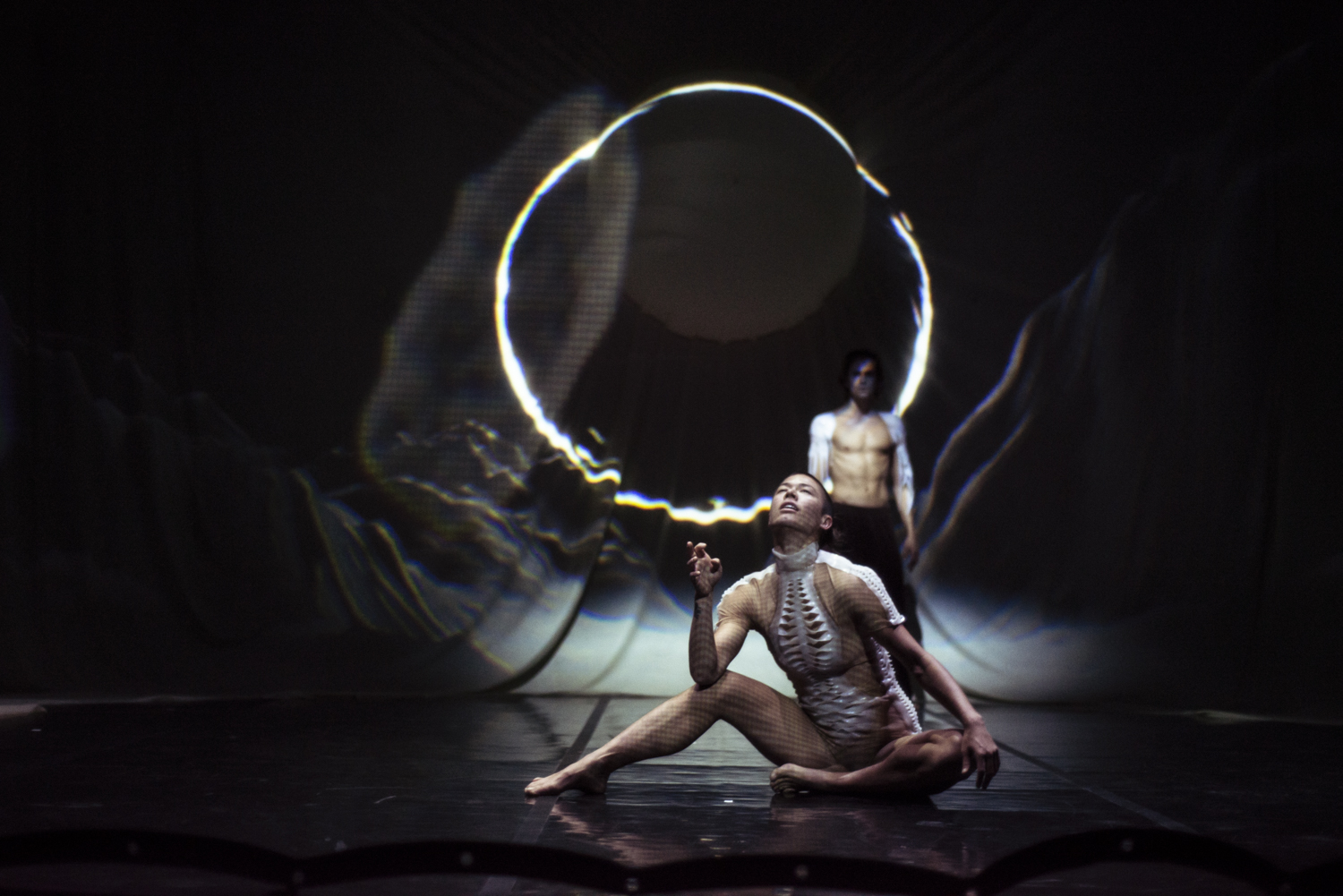
The project investigates how immersive art, through touch, sound, and movement, might cultivate renewed forms of attentiveness and restore embodied relationships with the places we inhabit.
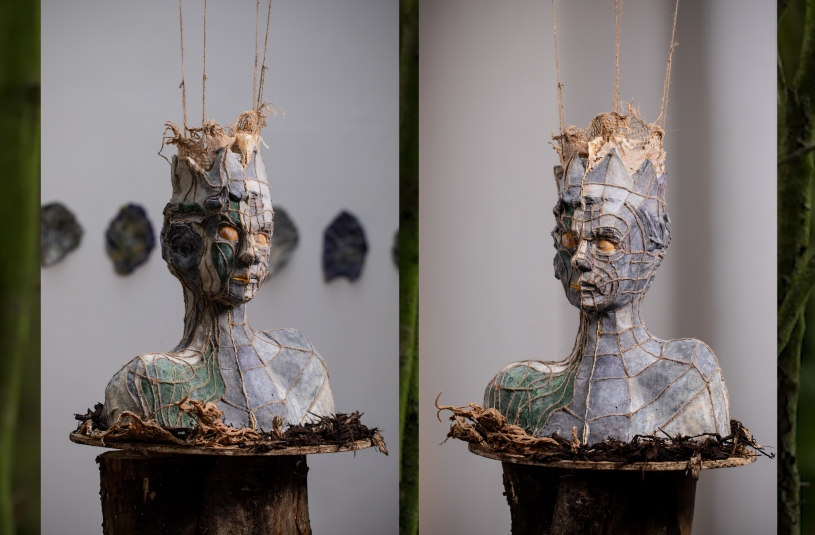
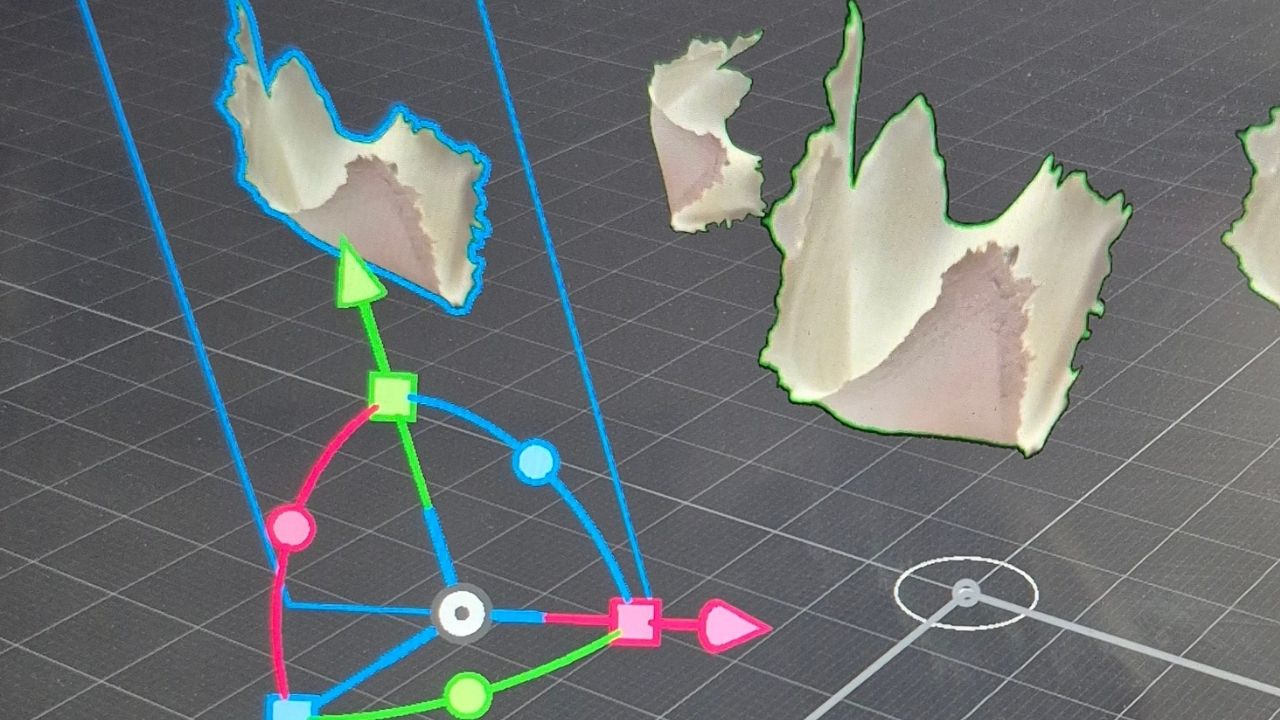
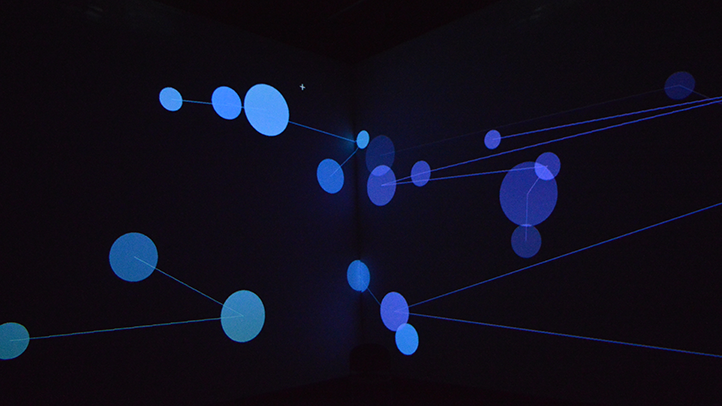
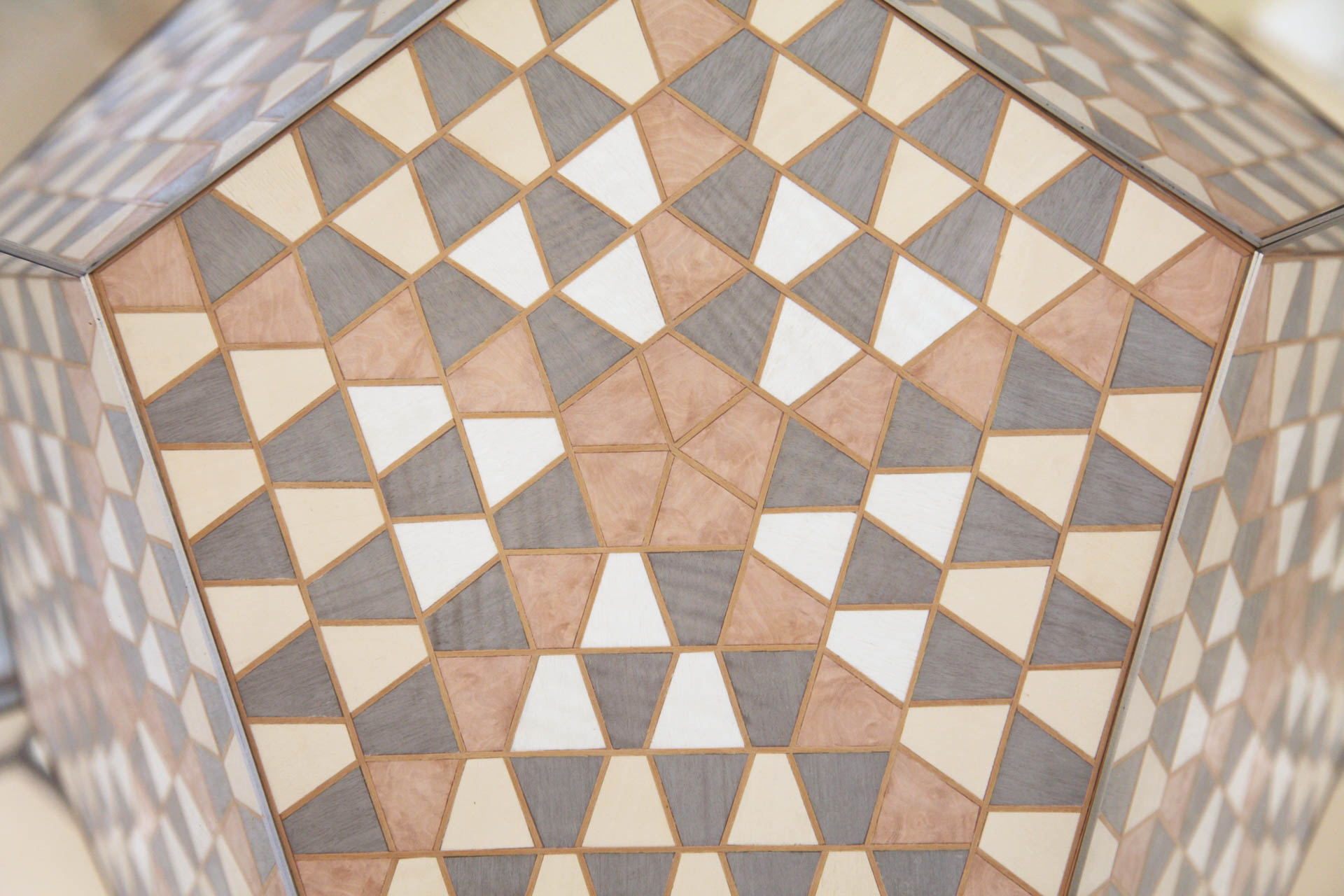
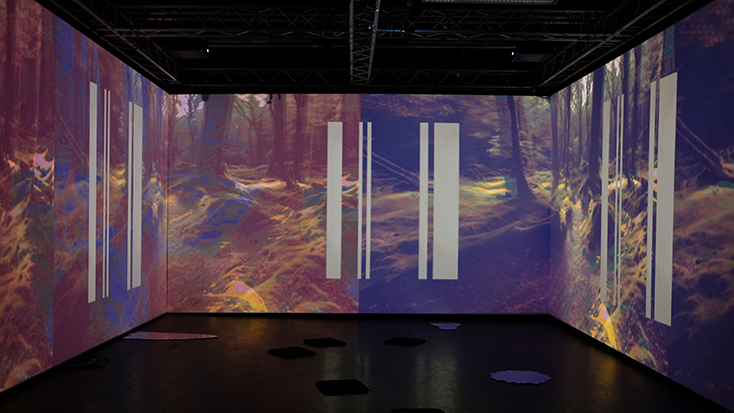
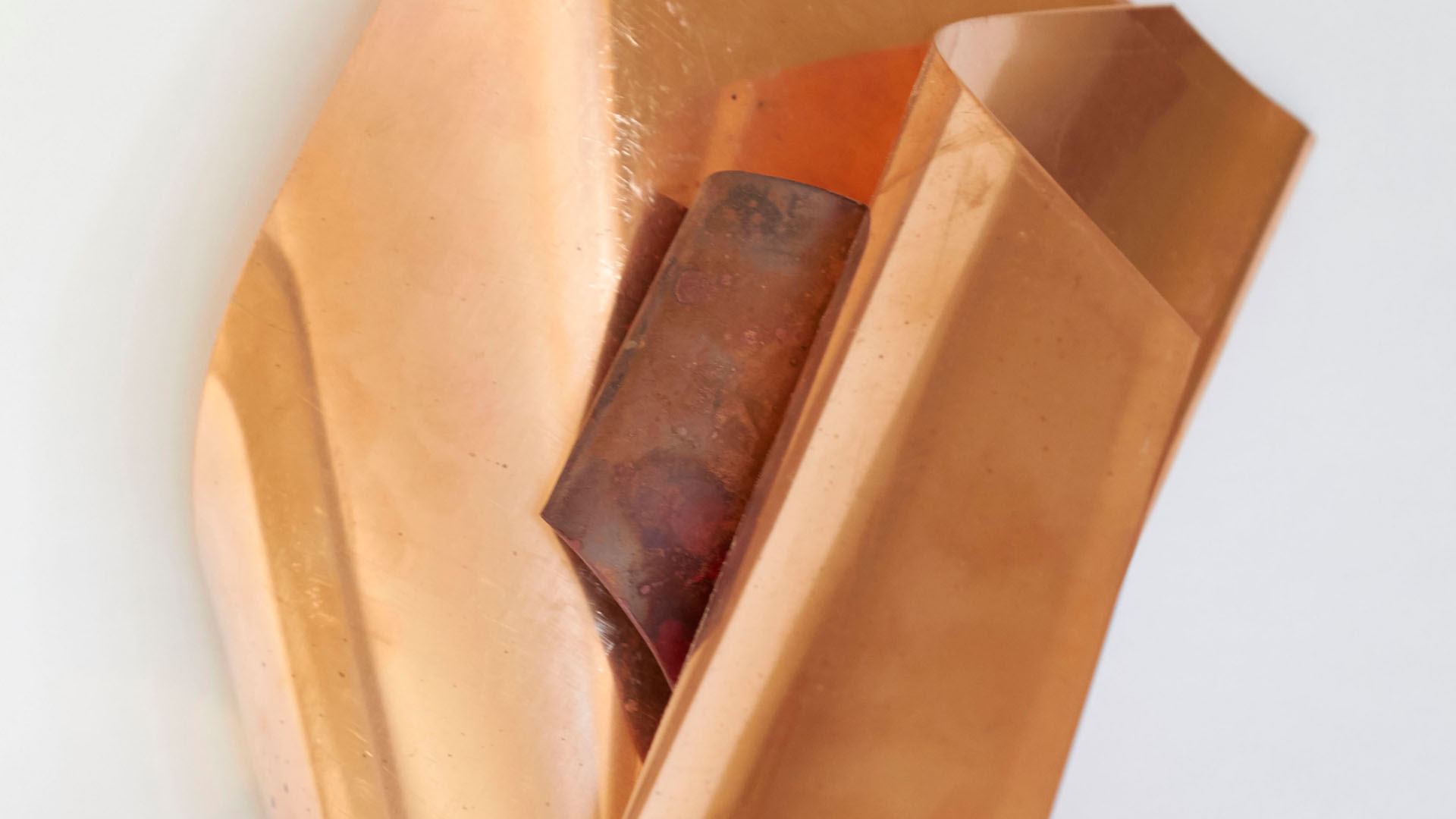
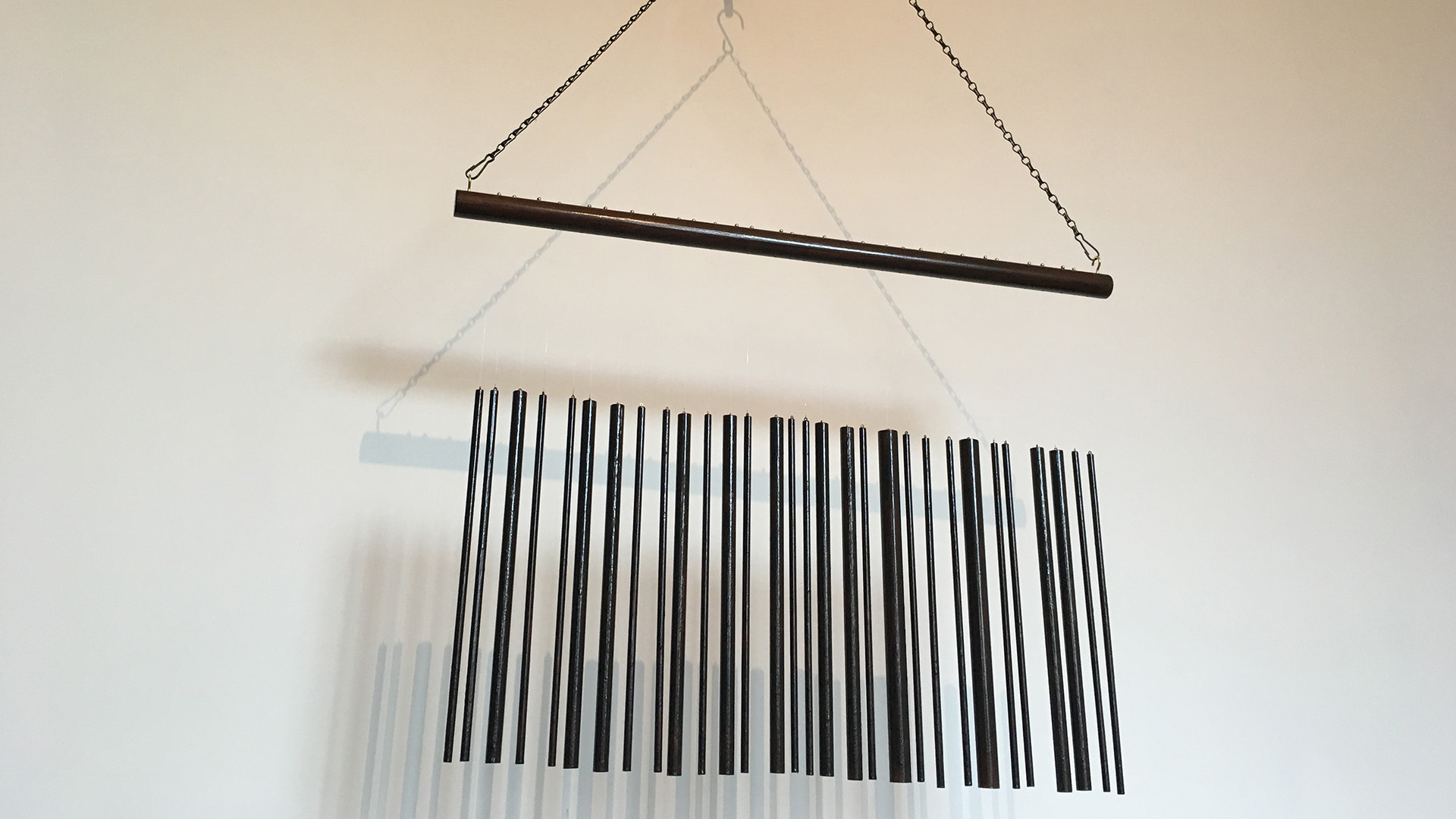
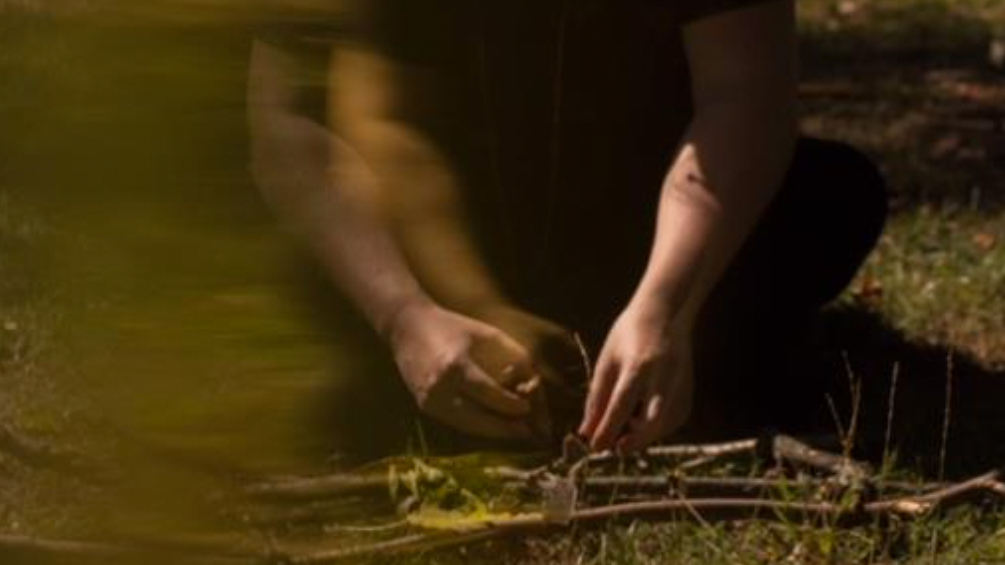
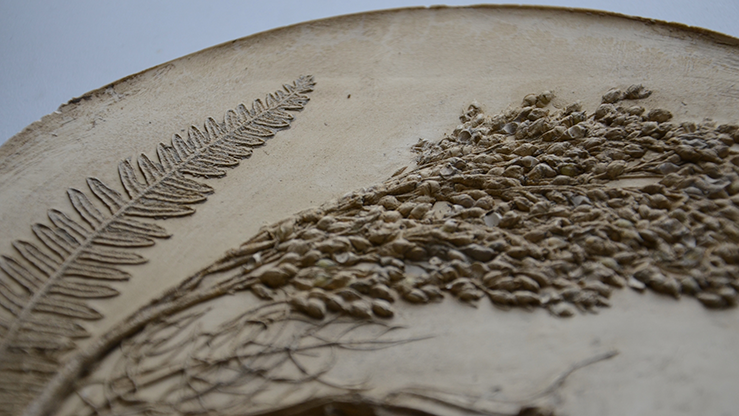
An experimental installation that brings tactile ceramics into dialogue with immersive haptic technologies. Imprints of River Colne proposes a multi-sensory map of the river’s ecosystem. Rather than representing landscape as a fixed image, the work approaches mapping as an embodied, relational act, one that unfolds through touch, resonance, and shared presence.
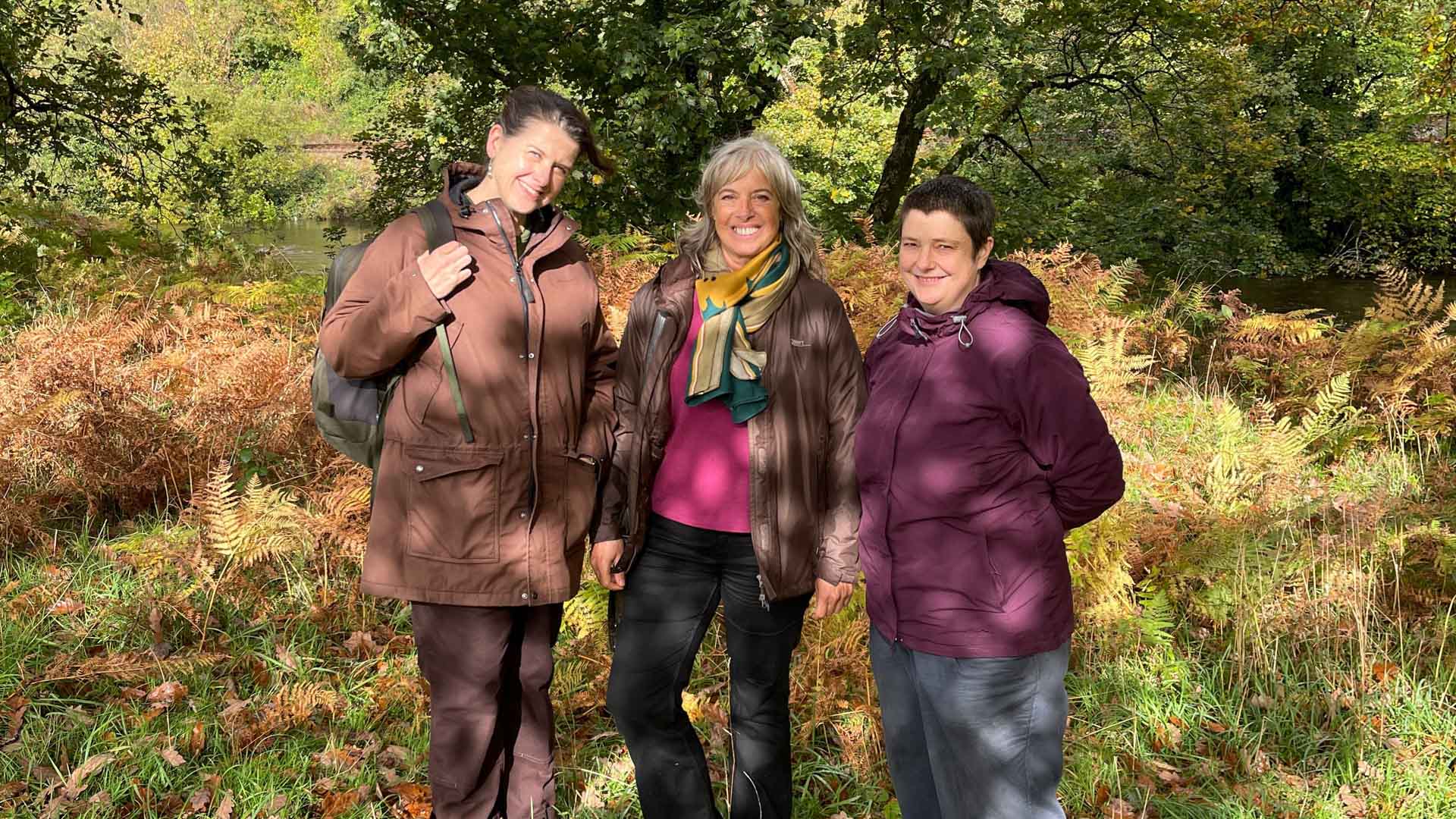
Led by artist Anisha Thampy, the project extends her interdisciplinary practice across ceramics, design, and creative technology in collaboration with Ajaibghar Studio, who bring in their expertise in the responsive systems that attune the work to audience presence and ecological researcher Lora Aziz, who integrates local knowledge and environmental narratives to the installation emerging as a collective inquiry. Together, they explore how subtle haptic feedback and touch-responsive sound might reframe river mapping as a lived, inclusive, and evolving encounter.
Experiment
£20,000
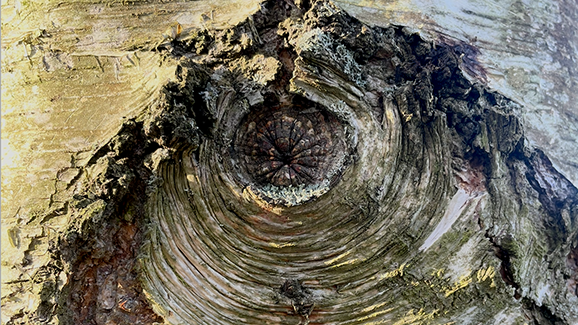
Aims of the project
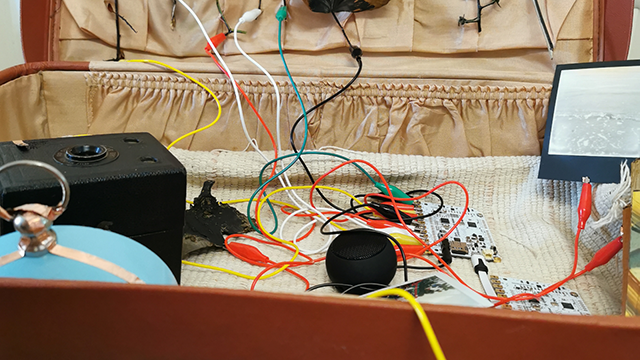
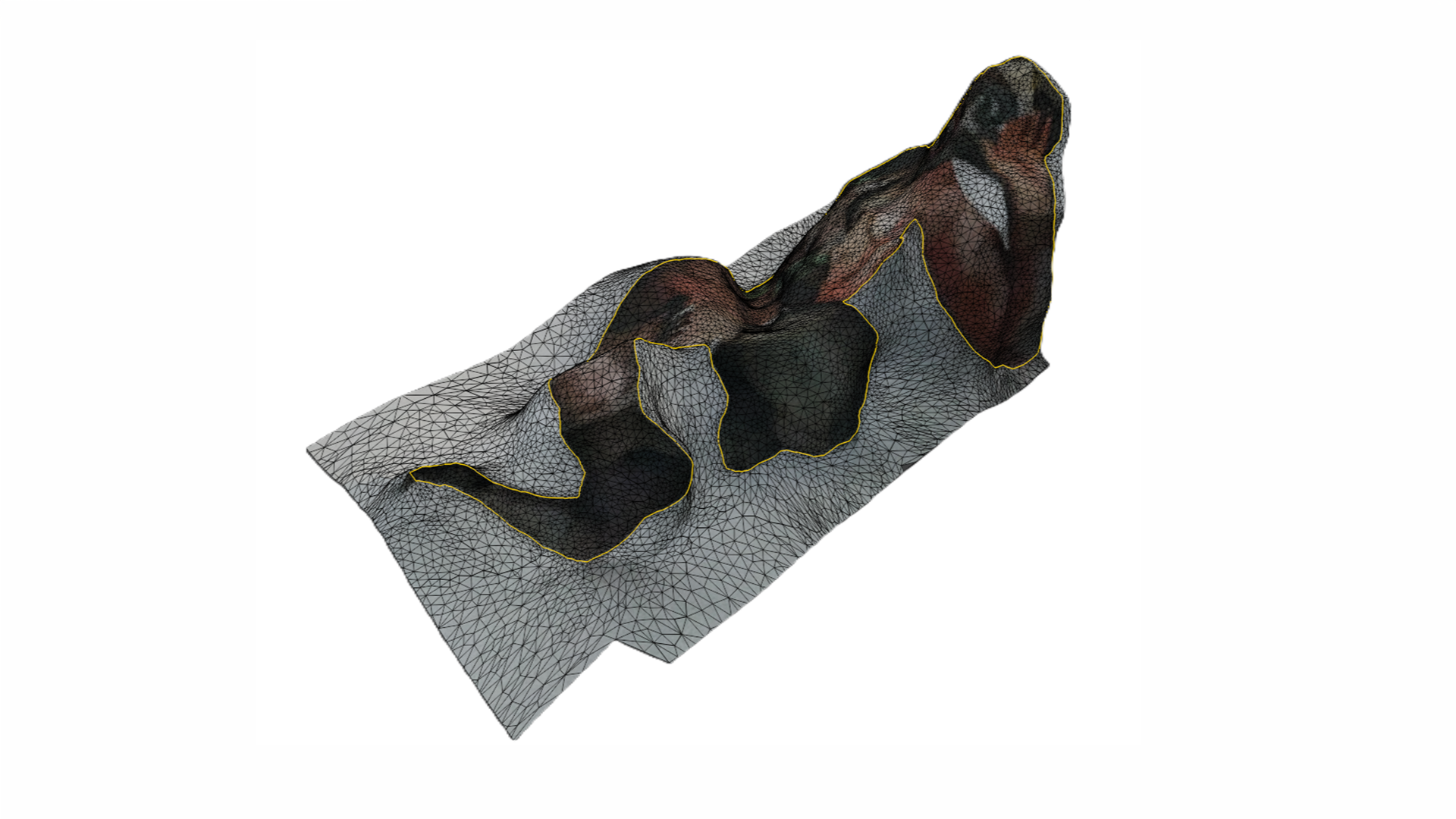
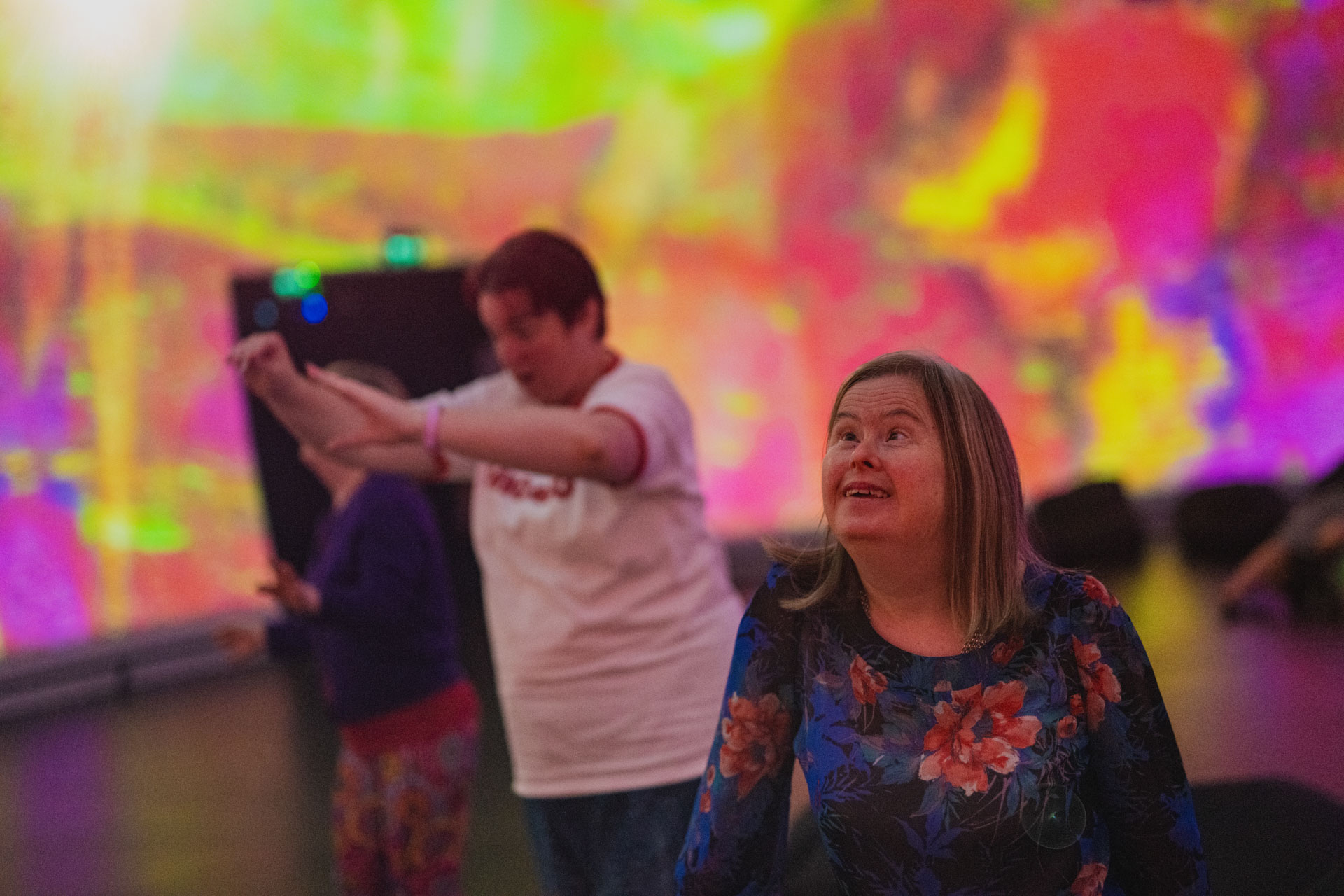
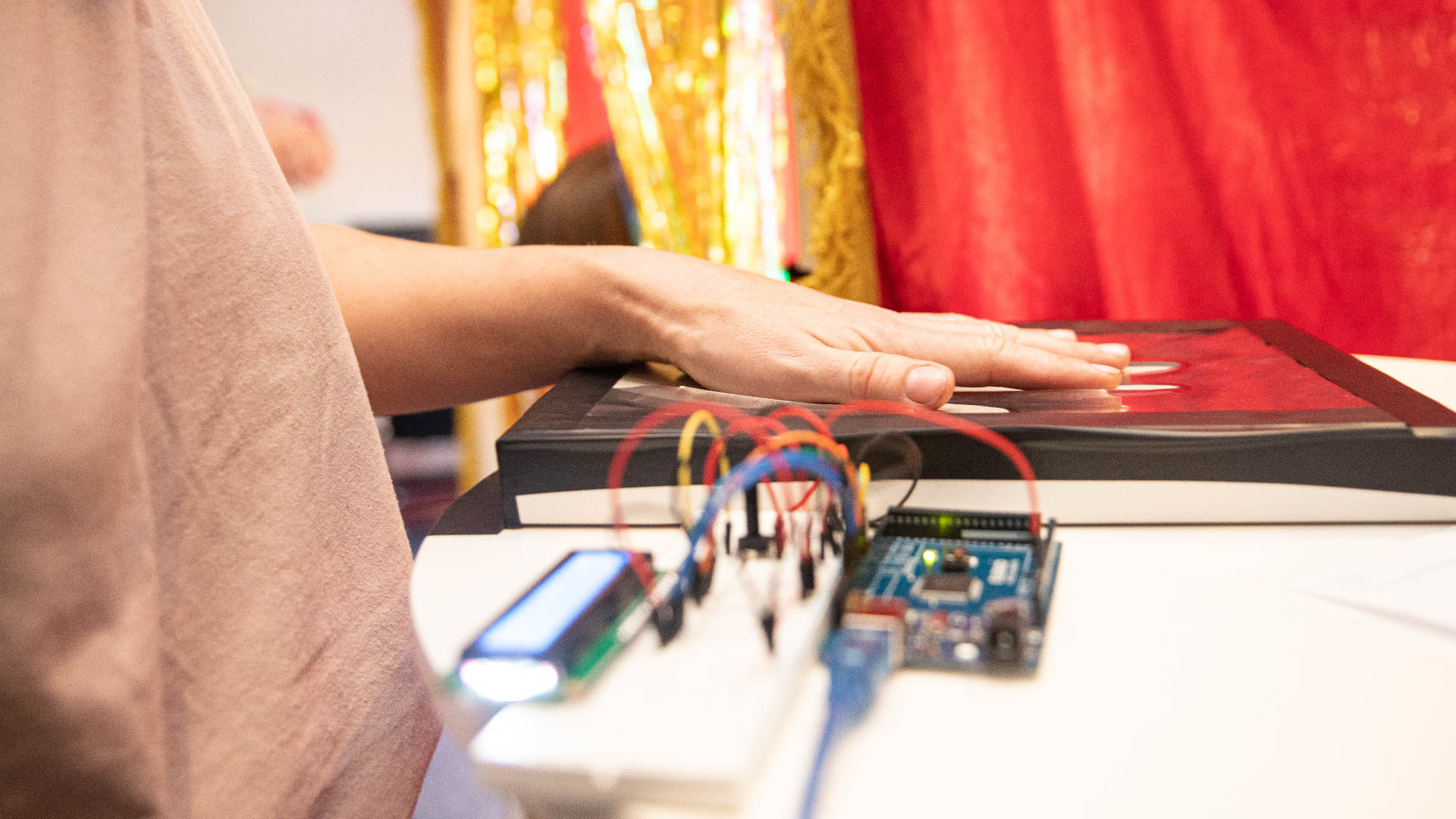
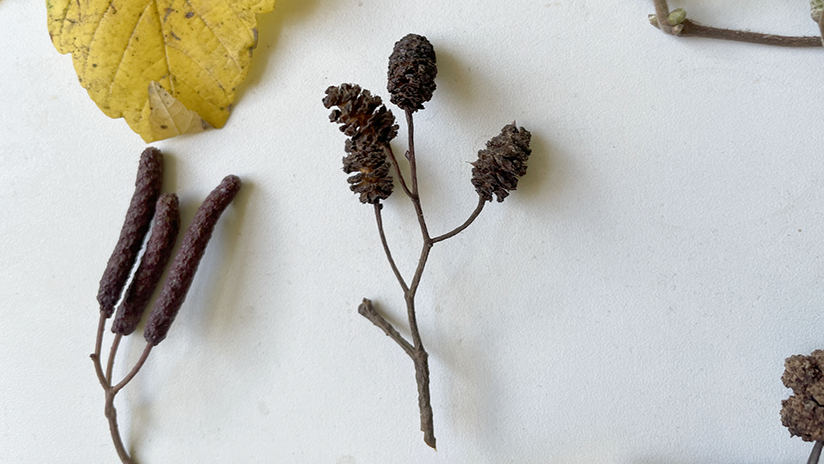
The prototype invites participation through touch, sound, and movement, testing how ceramic surfaces can function as sensitive interfaces.
Conductive glazes, embedded sensing elements, and textured forms become sites of activation. When engaged with, they release layered soundscapes drawn from the river, establishing an immediate sensory bridge between body and environment. Sound operates as a primary layer of access, while tactile responses offer additional entry points, ensuring that ecological storytelling is experienced not solely through vision but through a fuller spectrum of perception. Throughout the project inclusion is approached as an active process, feedback from diverse participants will directly inform design refinements, making the project not only more accessible but also more meaningful to a broader audience.
Meet the artists
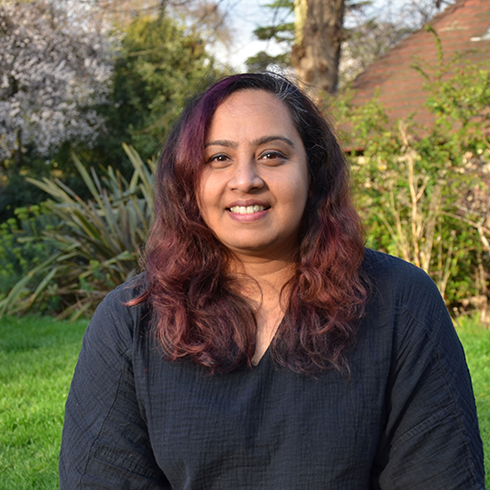
Anisha Thampy
Lead Artist
she/her
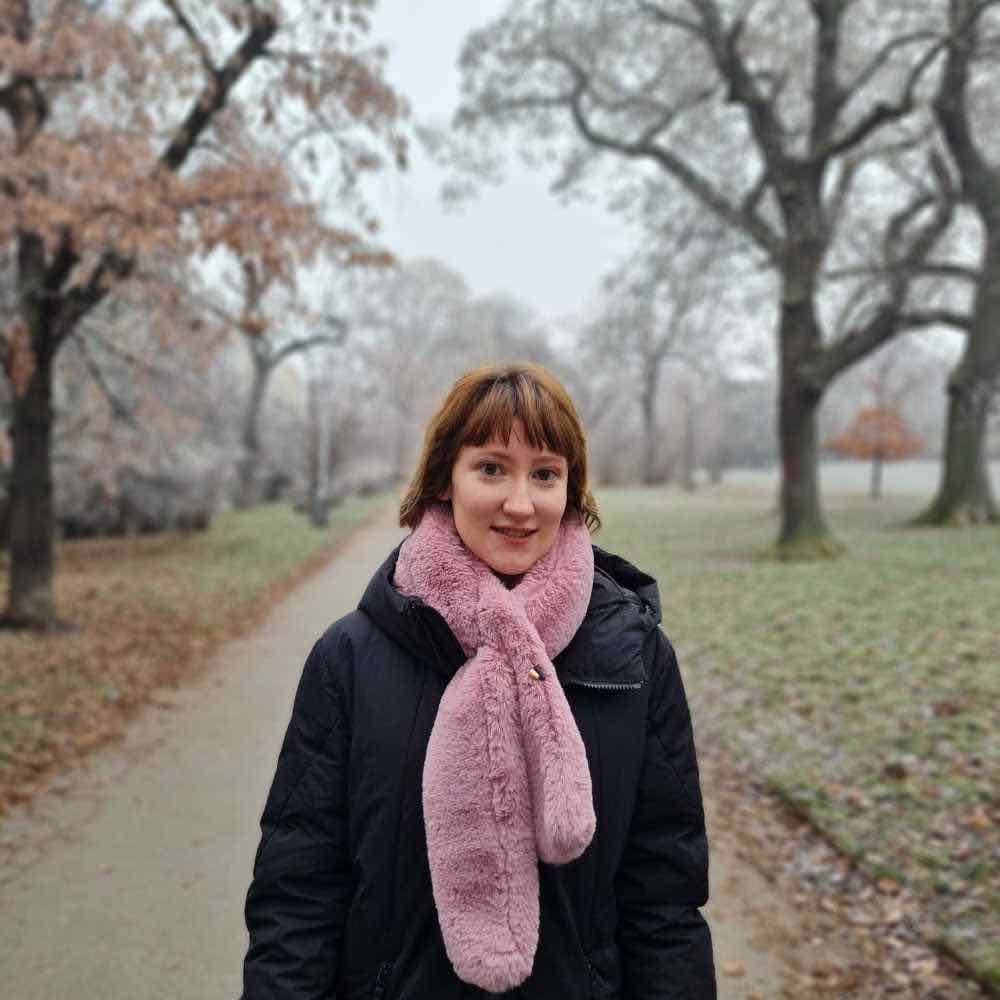
Anisha Thampy is an interdisciplinary designer and artist. Her practice moves fluidly between ceramics, design, and technology, where handmade forms carry narratives and digital thinking reshapes craft-making. With roots in communication design and fine arts, her work has evolved from screen-based systems to tactile and hand-built explorations. She treats both tech and ceramics as a responsive medium, allowing process, play, and research to guide her. Through cross-disciplinary collaborations, she intends to create poetic objects and immersive experiences that reflect on how we learn, connect, and inhabit the world.
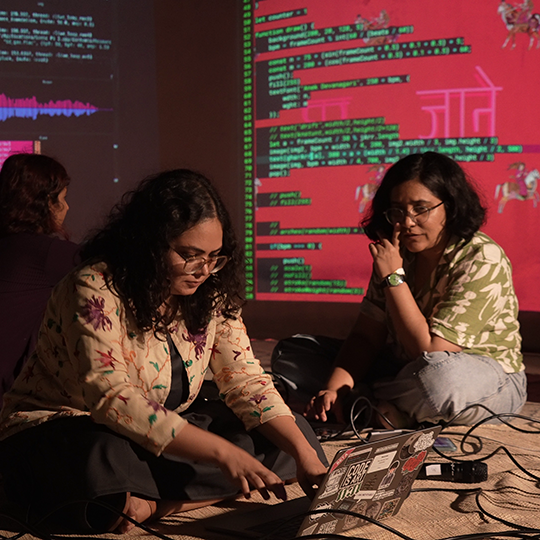
Ajaibghar
Technology Partner
Ajaibghar is a creative technology studio and lab working across art, culture, and emerging technologies. The studio brings together experience design, cultural strategy, and community building to create immersive, research-led projects. Their work has been featured at the India Art Fair, Serendipity Arts Festival, Godrej Design Lab, Singapore Swiss Week, EyeMyth, and Wildcity, with clients including Science Gallery Bengaluru, S.L. Bhatia Medical Museum, and NYU Abu Dhabi. They are 2025 Fellows at Godrej Design Lab. Alongside commissions, Ajaibghar nurtures learning ecosystems through Blob Labs, code.drift, dra.ft, and LAB59, a community studio in Udaipur.
The studio is co-founded by Nanditi Khilnani, a musician, livecoder, and cultural technologist building inclusive spaces at the intersection of sound, code, and culture. Her work blends ambient textures, field recordings, Hindustani classical structures, and algorithmic systems, with presentations at major arts and technology festivals across India and internationally. Co-founder Ambika Joshi, known as Computational Mama, is an artist and creative technologist who approaches code as a practice of care. She builds learning communities, explores motherhood and AI, and develops infrastructures for non-Western feminist datasets. She is a ProHelvetia Research Fellow (2024) and Processing Fellow (2021), with work exhibited internationally.
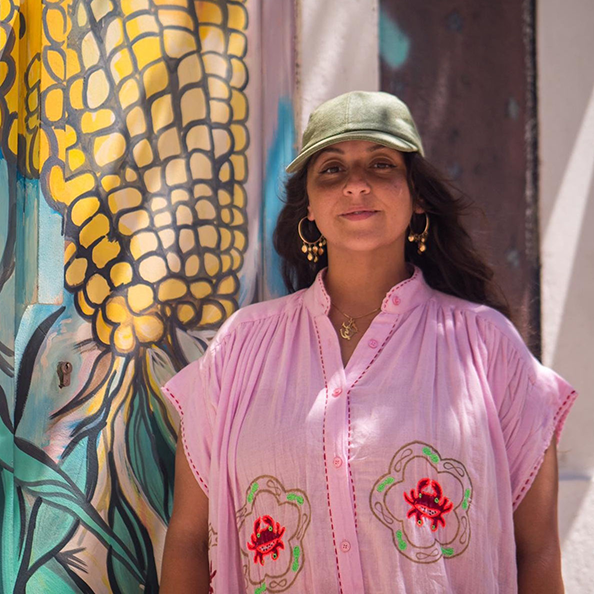
Lora Aziz
Research Co-Lead
she/her
Lora Aziz is a cultural ecologist and project lead exploring relationships between walking, water, ecology, and cultural practice through research-led collaborations with artists, communities, and environmental partners. Rooted in slow, place-based listening, she leads initiatives such as Blue Steps Along the Saffron Trail, using walking, mapping, and storytelling to build ecological narratives grounded in equity, climate justice, and shared cultural value.