Projects
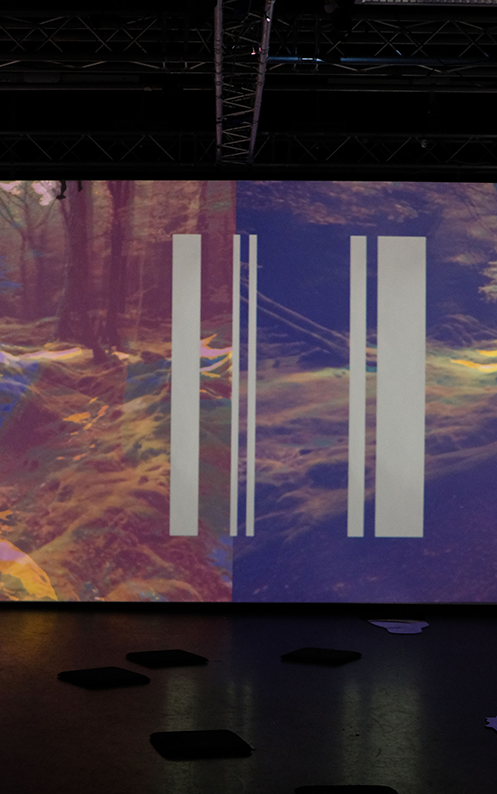
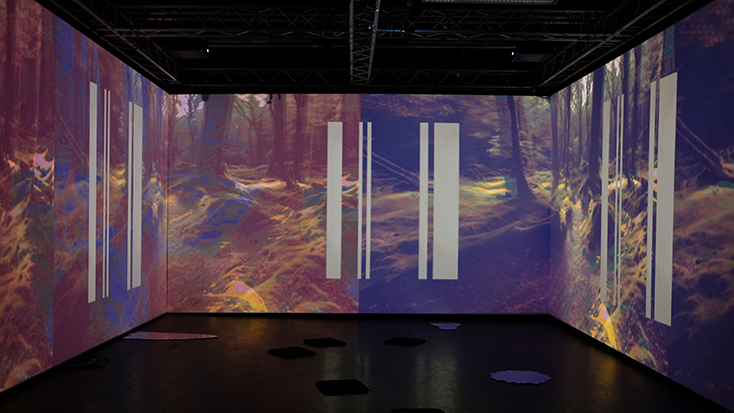
Limehouse Déjà Vu
Limehouse Déjà Vu
A site-specific mixed reality work that returns forms from Limehouse’s cosmopolitan past to the streets of a regenerating East London.
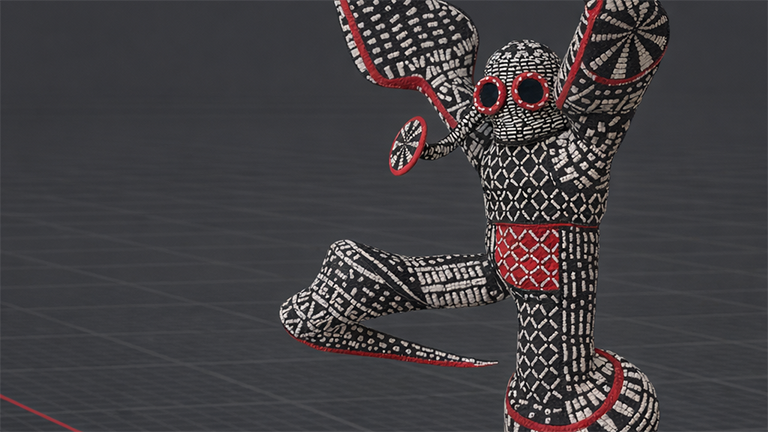
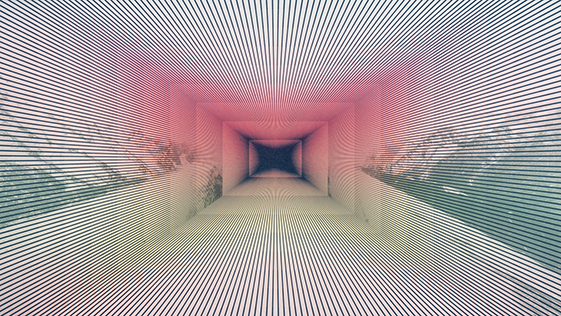
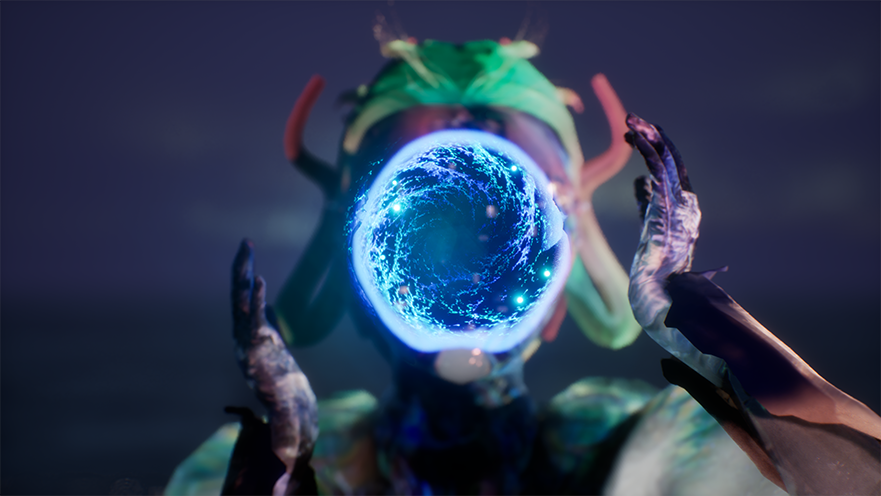
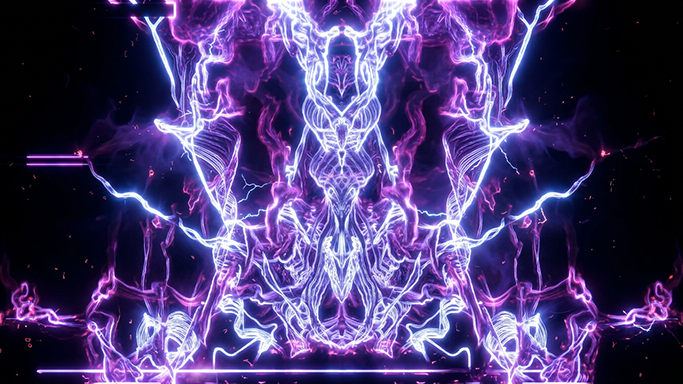
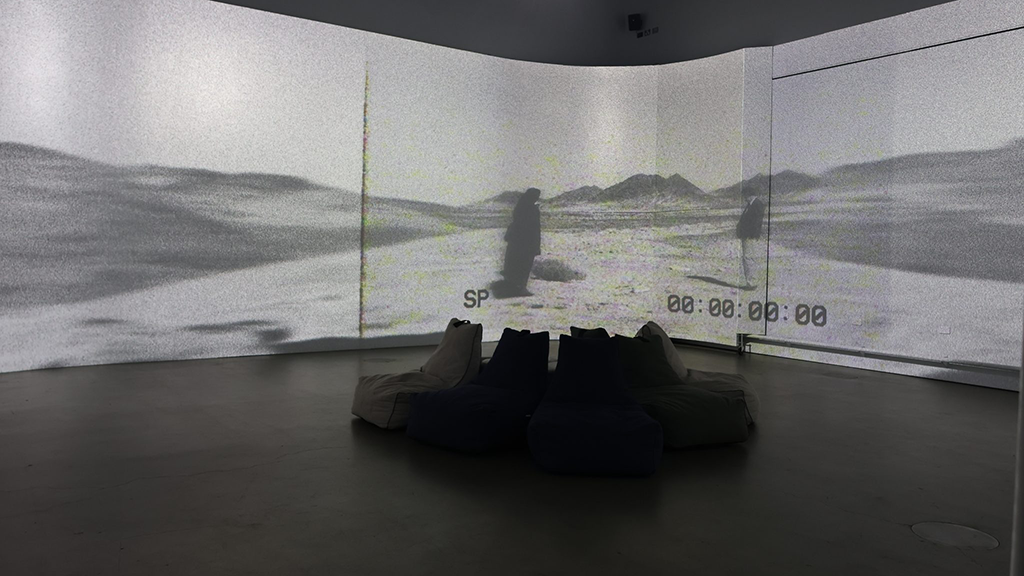
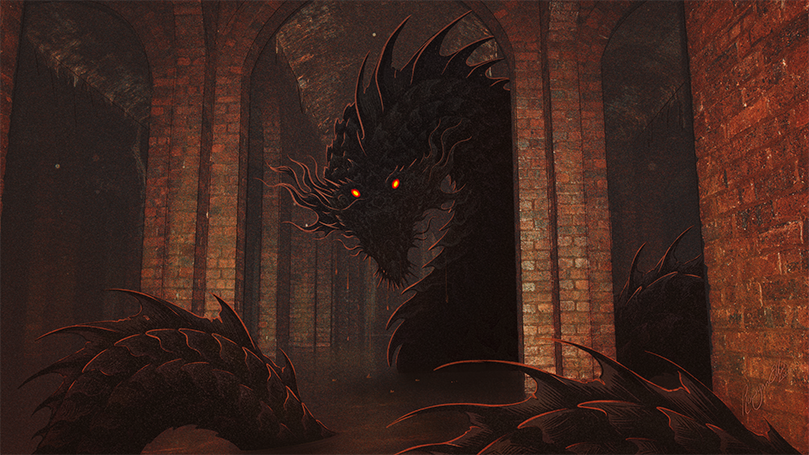
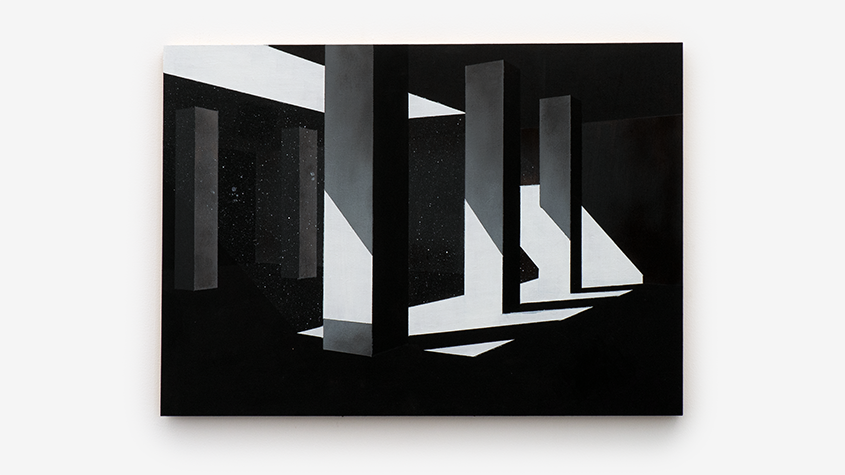
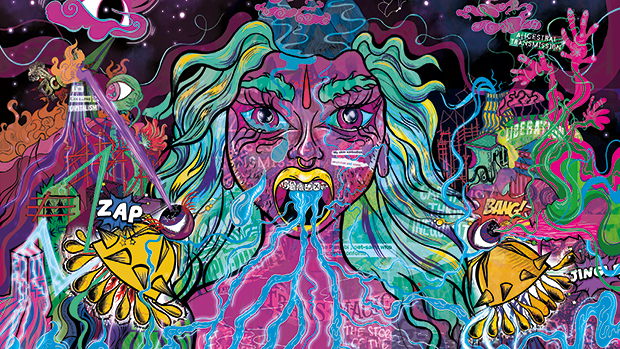
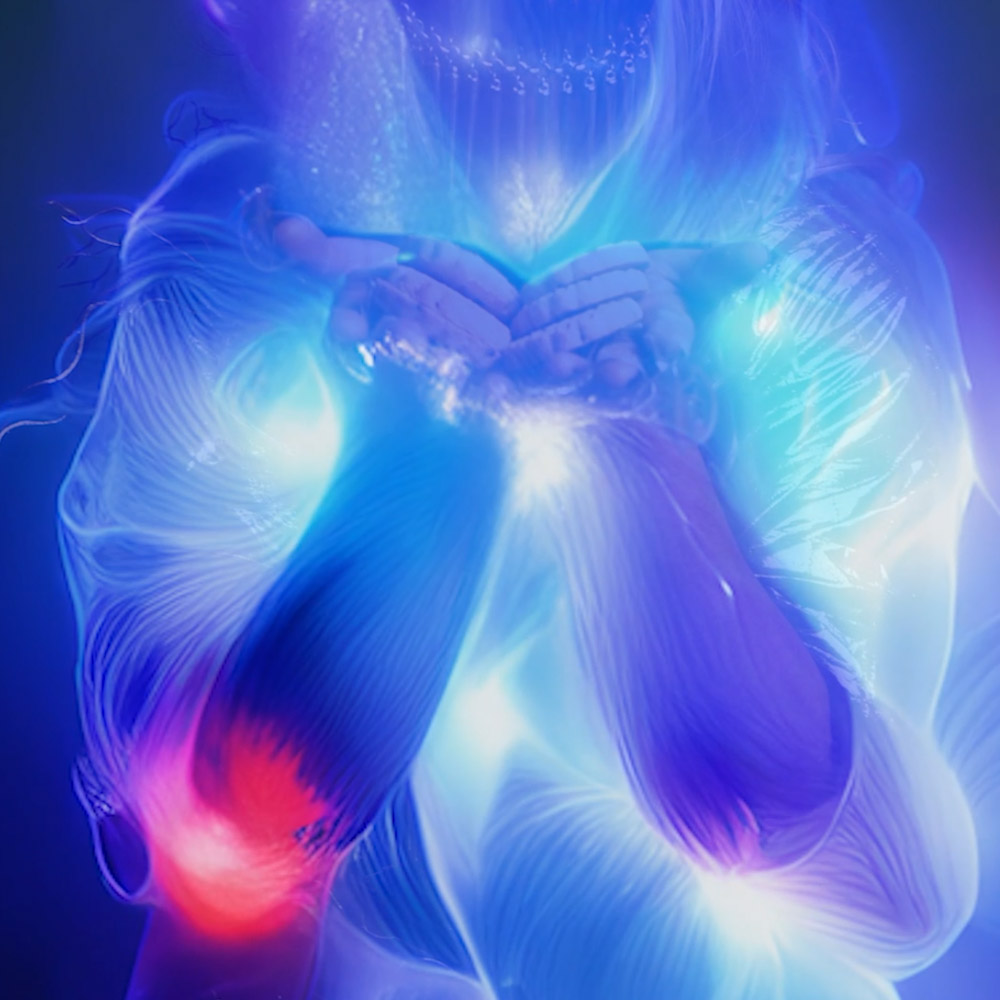
Limehouse Déjà Vu experiments with generative AI, 3D rendering and spatial audio to build speculative forms from the vanished architecture of Limehouse and place them back on the streets where the buildings and their stories once stood. Rendered as drifting structures, they hover between architecture and memory — anchored by GPS and encountered against a skyline now defined by an expanding Canary Wharf.
The buildings belonged to Limehouse’s early twentieth-century multicultural communities, most of whom left no trace, or reach us only in fragments, through the accounts of others — official, sensational, or hostile. The project is developed through the artist’s research assembling myriad archival clues but aims to take them further into speculative and propositional realms. It sees Limehouse as one node in a maritime world whose routes ran further than any state could govern, a port that improvised forms of living together ahead of any framework that could recognise them. What these lost buildings hold are not only dormant histories of a bygone community but futures that were already being practised.
Experiment
£20,000
Aims of the project
This is not a heritage project in the traditional sense, despite the archival work behind it. It carries something of the improvisational energy that once ran through these streets into a present being planned without it.
Building on the artist’s 2025 residency exhibition, Archives of Weird Memories, at Tower Hamlets Local History Library and Archives, the project aims to:
Meet the artists
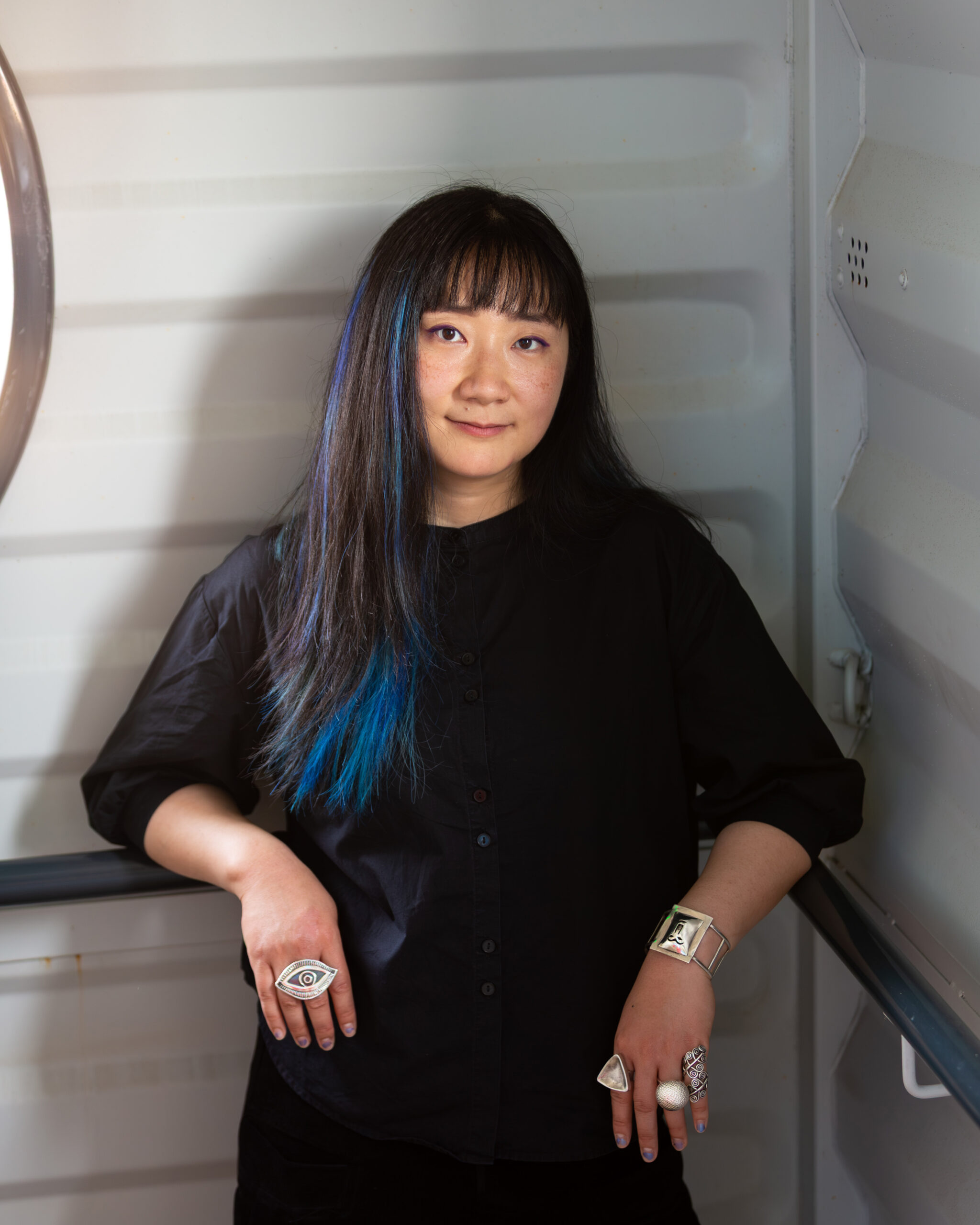
Tan Wang-Ward
Lead Artist
she/her
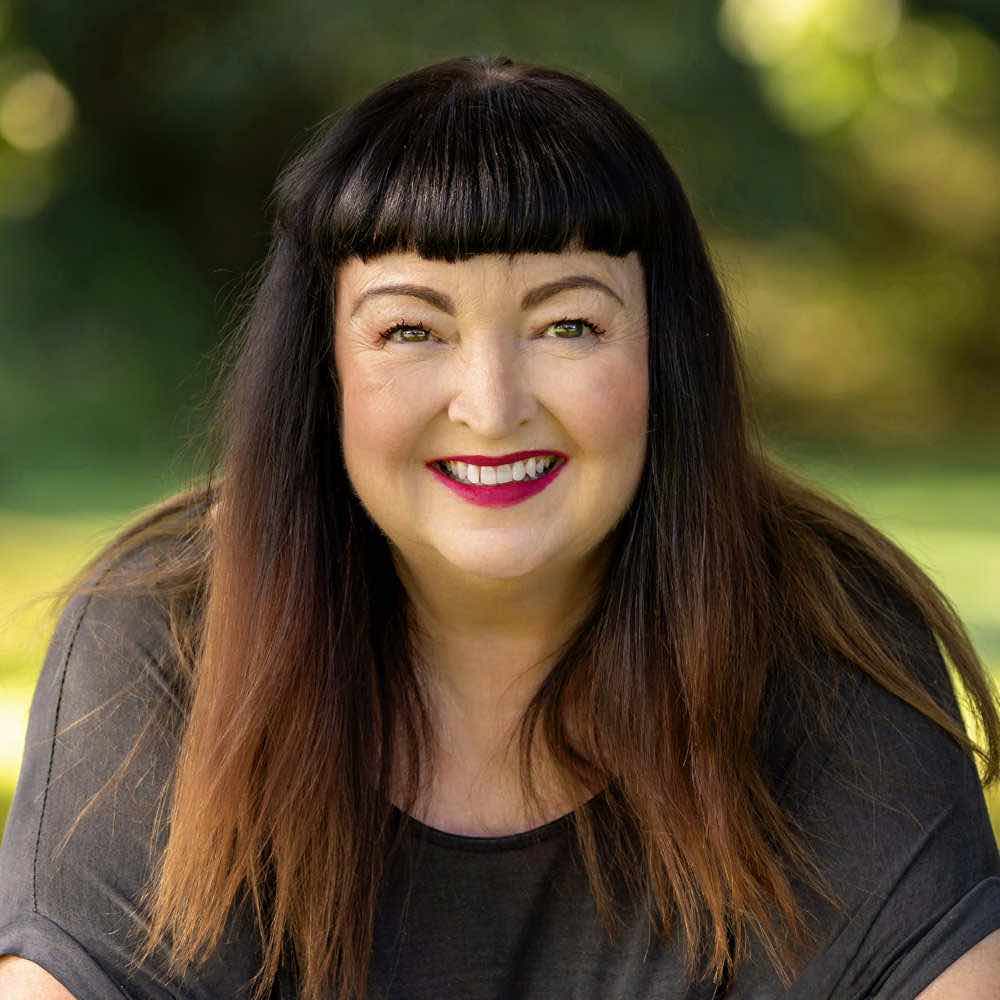
Tan Wang-Ward is an artist and creative technologist based in London. Her practice centres on retrieving time, texture and experience from the flattening forces of urbanisation and technological change. Through interactive and immersive works, she creates spaces for subtle expression — rooted in the present yet deeply connected to archival and ancestral pasts. Approaching technology in a deliberately nuanced way, moving both with and against it, she embraces AI and immersive technologies to generate creative and critical insights that only emerge through sustained, hands-on experimentation.