Projects
Tudo Está Queimando (Everything is Burning)
Tudo Está Queimando (Everything is Burning)
A live game for three complete strangers caught in unrelenting storms
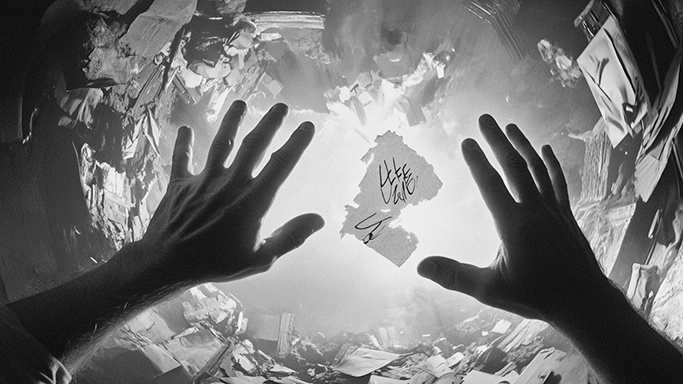
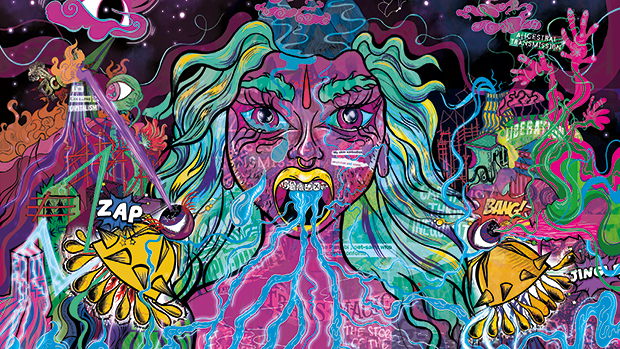
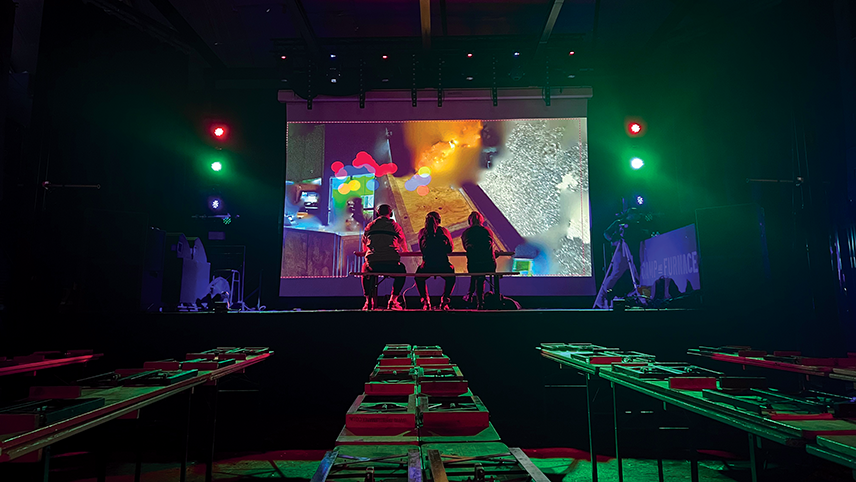
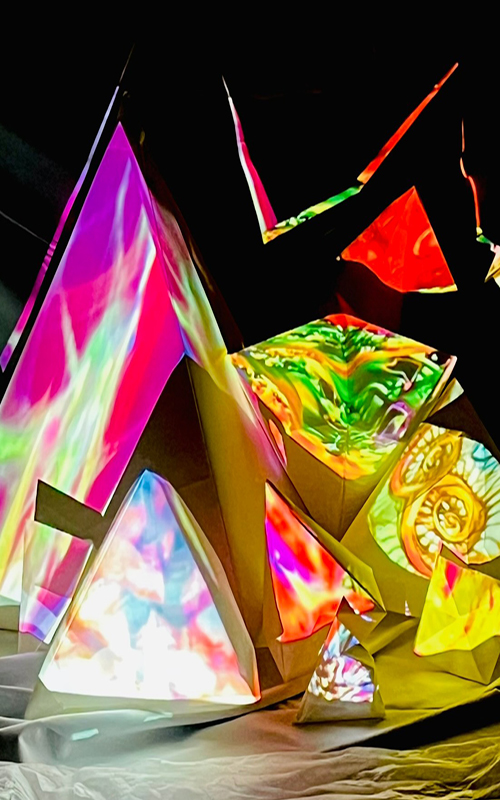
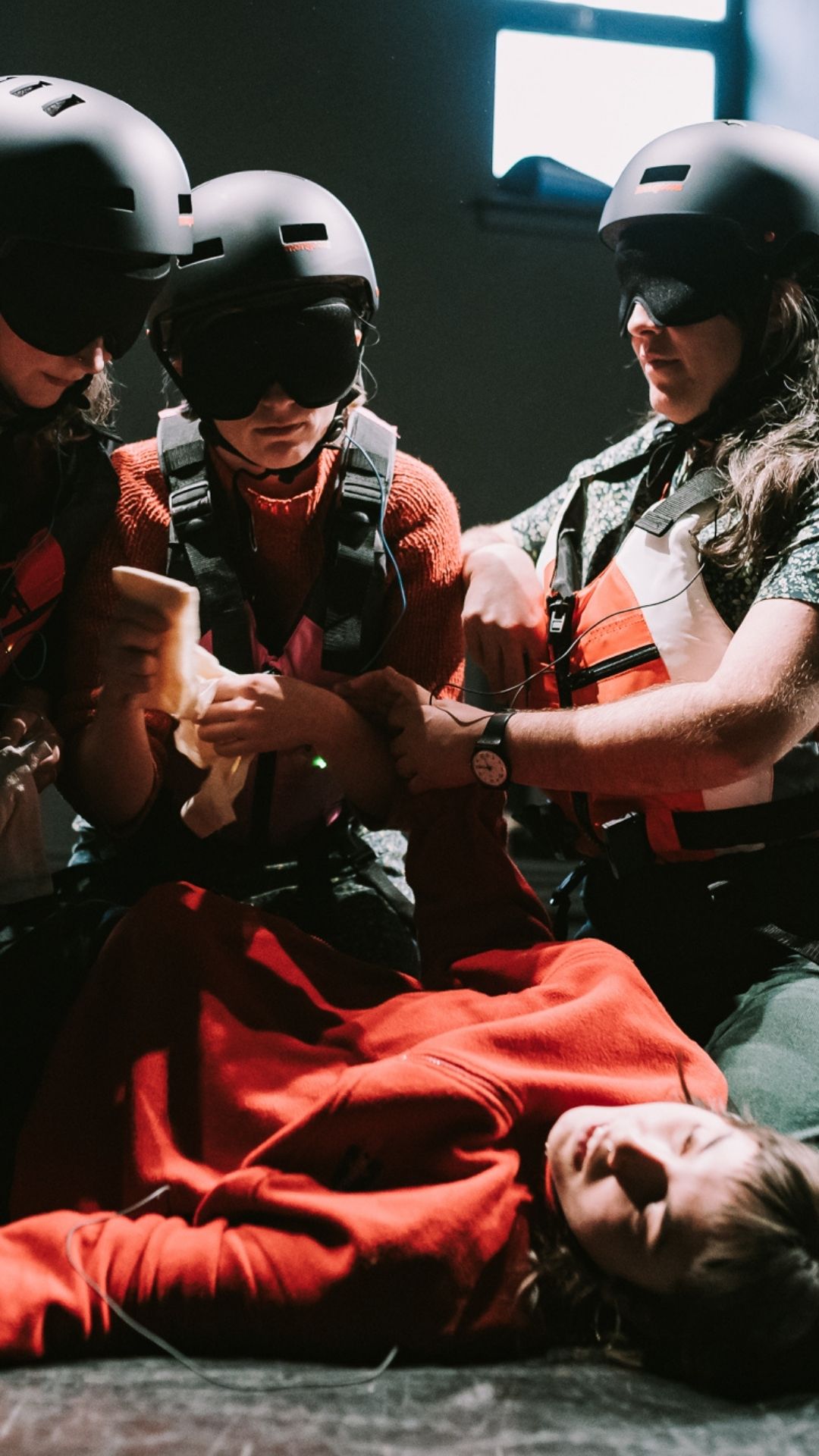
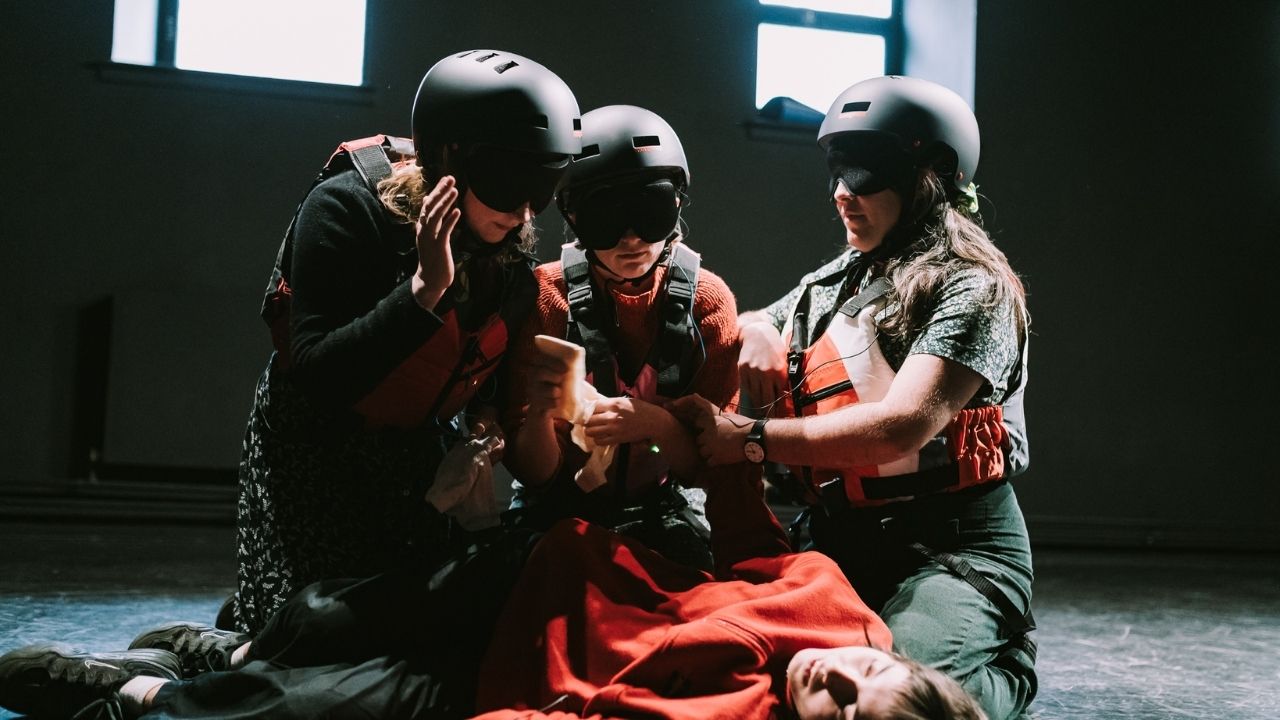
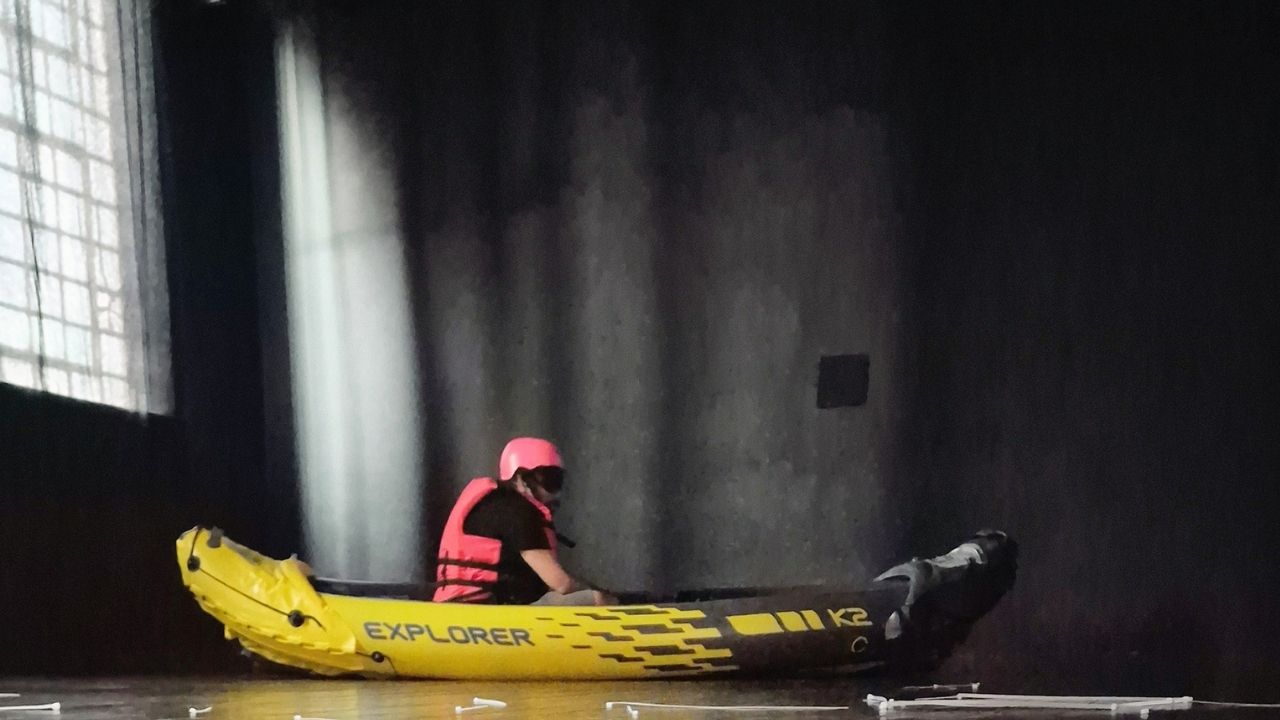
Tudo Está Queimando (Everything is Burning) is a live game for three complete strangers, set inside a storm. They meet in total darkness and it's not as a theatrical effect, but as a design decision. The storm operates as a sound installation in its own right, built from environmental sub-sonic woofers that are felt through the body rather than simply heard. Layered onto this, neck-worn transmitters and bone-conducting headphones deliver sound directly to the players through their own individual channel. The experience unfolds across three spheres of sound: the storm as an environmental force, the shared sonic world negotiated between three strangers, and an intimate inner voice that lives inside the psyche.
Expand
£50,000
The game is structured around the triad - the smallest possible society. Three people is just enough for power to shift, alliances to form, and difficult decisions to become unavoidable. This is not about simulating the end of the world; it is about placing people together under pressure and seeing what happens when the storm doesn’t stop.
Aims of the project
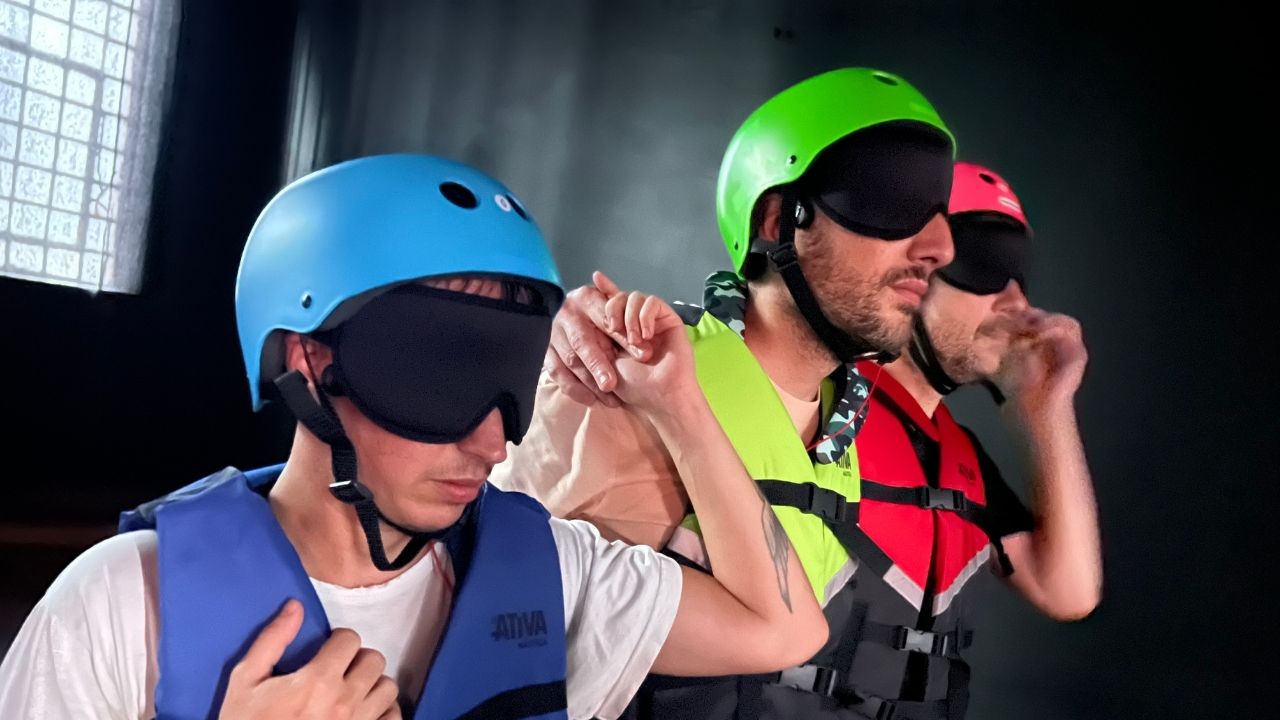
The starting point was to make a game that advantaged blind/visually impaired people. Blind perception structures this world. Blindness is not accommodated here – it is assumed as a way of orienting. In a culture that repeatedly designs for a supposedly neutral participant – a figure who often resembles an able-bodied, Western, white, middle-class, educated and literate man – we want to begin elsewhere. We try to resist the abstraction of the “everyman” by choosing specificity. Sighted participants may attend, but they enter a world that is not designed around them….and their access needs will be accommodated.
Tudo Está Queimando has been developed through the UK-Brazil Season of Culture, produced by ZU-UK in partnership with the University of Greenwich and the Federal University of Pará (UFPA), and commissioned through the Unlimited International Award, delivered by Unlimited with support from British Council.
Meet ZU-UK
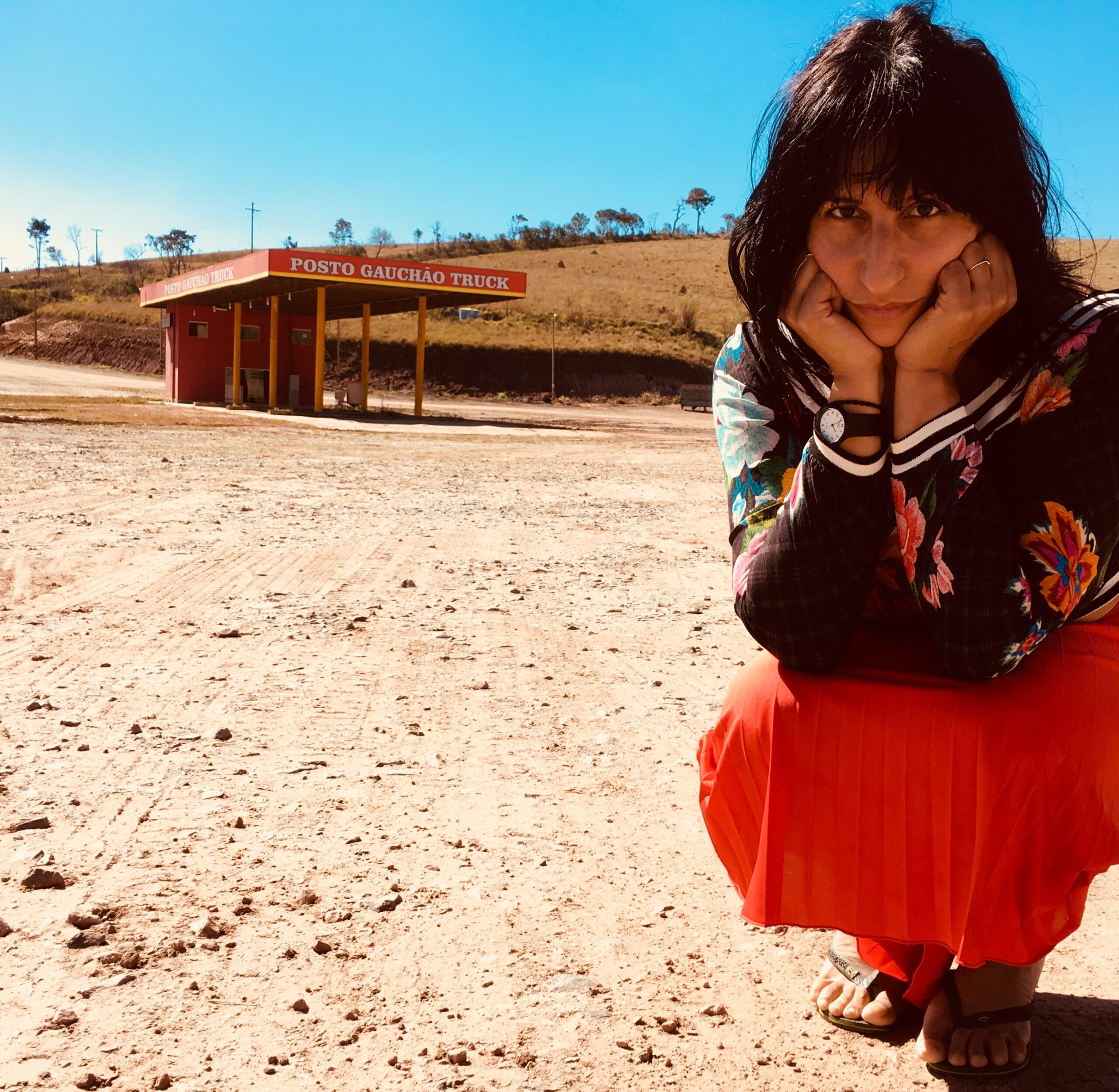
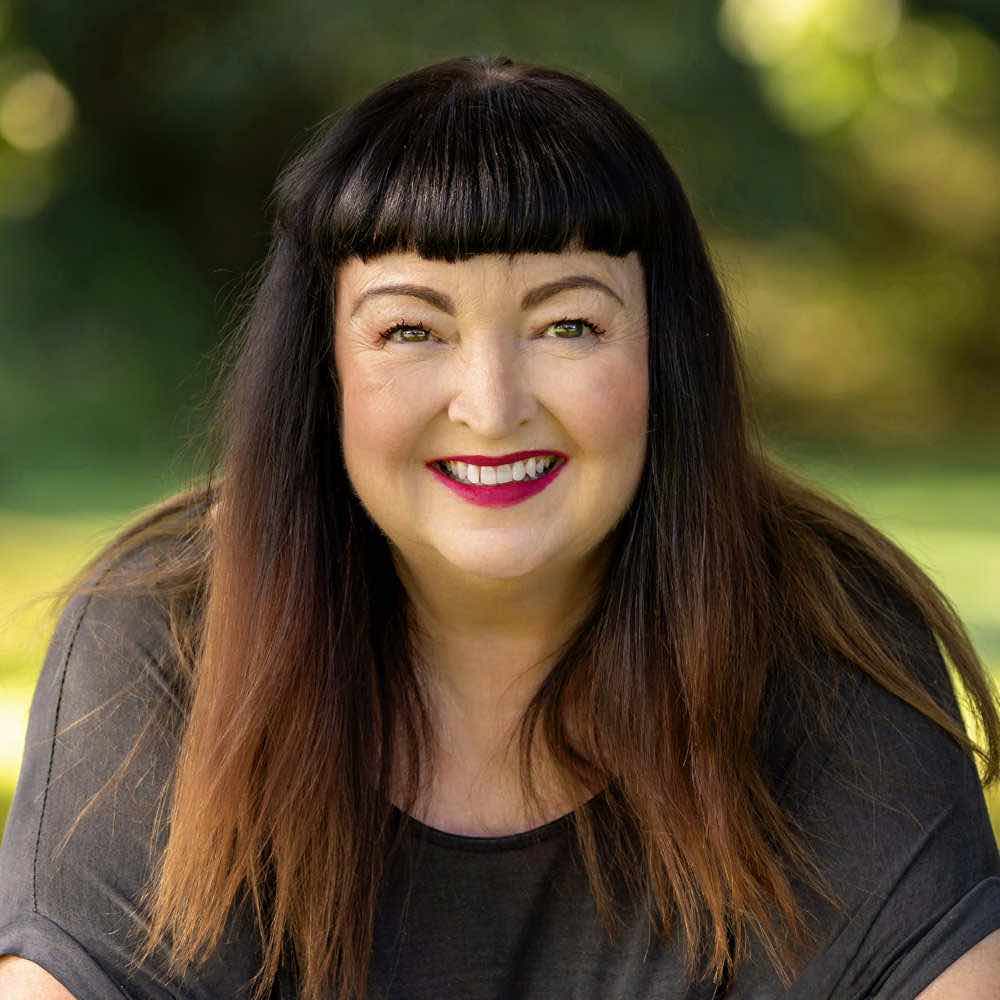
Persis Jadzé Maravala
Artistic Director
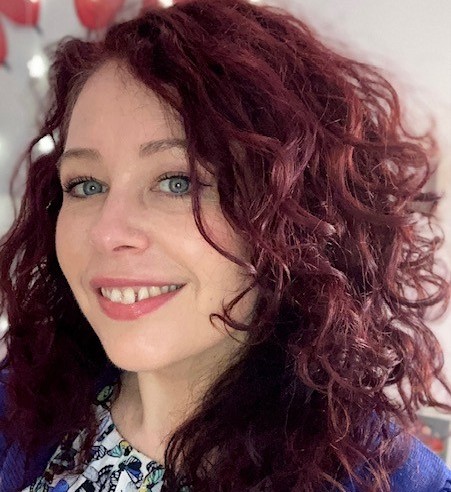
Persis Jadzé Maravala is an award-winning artist and director working across live games, sound-led environments and participatory performance. Her work focuses on what happens between people — how relationships form, shift and fracture when participants are placed together. She often creates intimate structures where audiences and players can bring their whole selves into the experience and see themselves differently in the presence of others. Informed by her lived experience of long-term invisible disabilities, she shifts the centre of design away from the imagined everyman and toward specificity.
As co-founder of ZU-UK, her work has been presented internationally and is known for pushing the boundaries between theatre, games and embodied sound. Her projects include the overnight ritual-led performance Hotel Medea, the nationwide public phone booth intervention Pick Me Up (and Hold Me Tight), the sonic work Radio Ghost made for shopping malls, and Within Touching Distance, a VR experience exploring perception through touch.
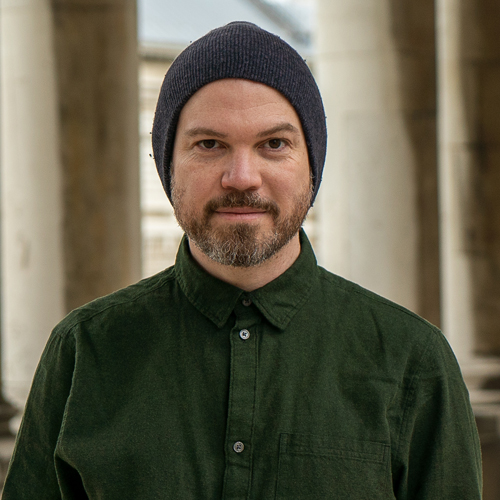
Jorge Lopes Ramos
Executive Producer
Jorge Lopes Ramos is Professor of Interactive Theatre and Performance at the University of Greenwich, Executive Director of ZU-UK, and co-founder of SIMFONIK. His work sits at the intersection of immersive arts, simulation and social impact, with a particular focus on communication, empathy and behaviour change. He has led large-scale international research and innovation projects across the UK, Europe and Brazil, developing accessible, audio-driven immersive systems used in healthcare, education and workforce training. His practice combines artistic direction, research leadership and product development, advancing new models for participatory and scalable immersive experiences.
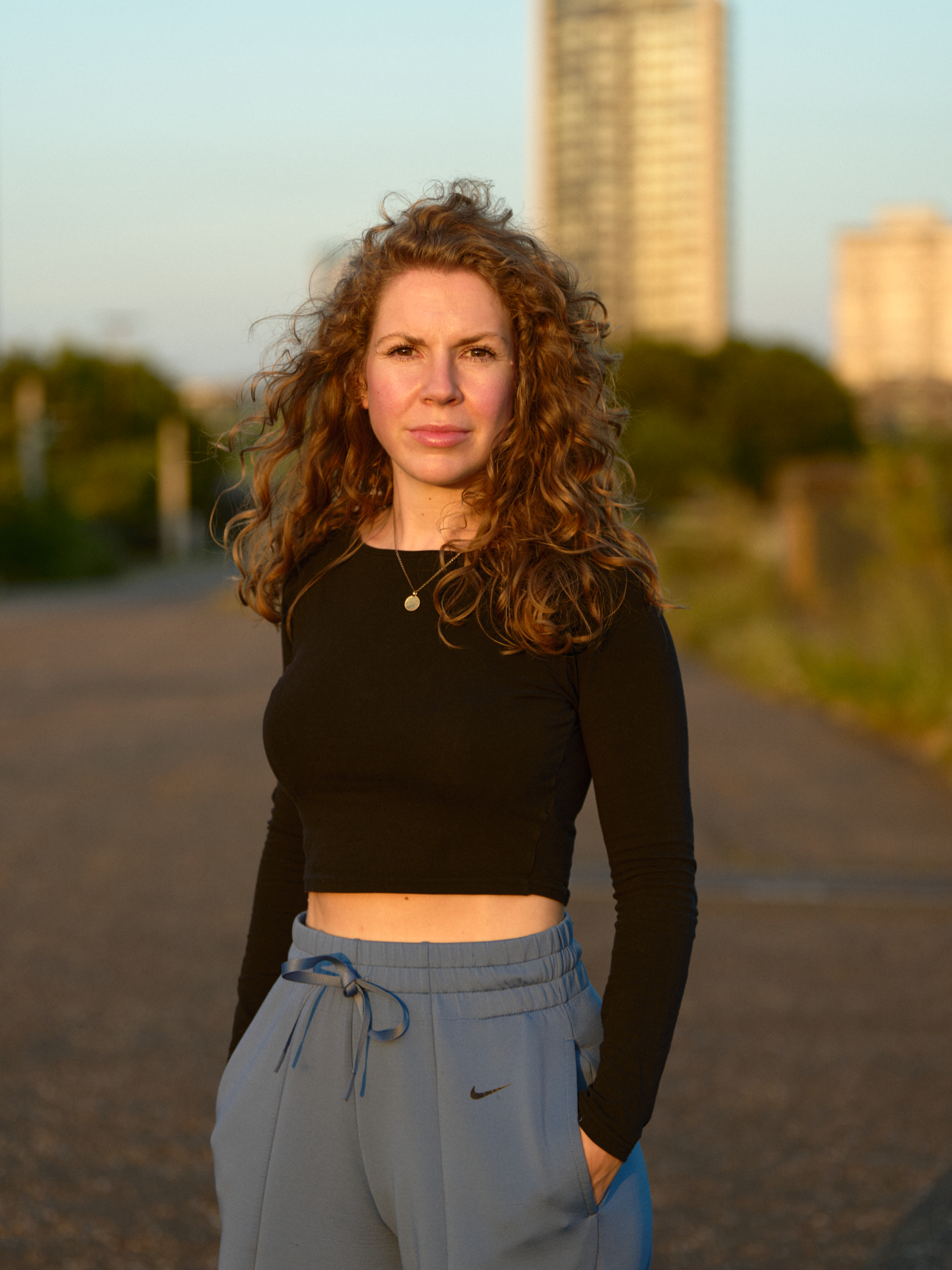
Hayley Hill
Assistant Director
Hayley Hill is a director, facilitator, performer, creative support & physical practitioner. Since graduating from European Theatre Arts at Rose Bruford College in 2011, she has worked professionally within the contemporary arts scene. As Performer and Assistant Director of ZU-UK projects include: Tudo Está Queimando (Everything is Burning), Hotel Medea; Humble Market; Within Touching Distance; Binaural Dinner Date and Radio Ghost. She has also acted as Live Performance Manager/Director of BOOMTOWN Fair.
Hayley is a huge advocate for disability arts with a determination for inclusivity. Working as Associate Director, Creative Support and Facilitator at ACCESS ALL AREAS, projects include: MADHOUSE re:exit; Unreal City; The Interrogation, as well as leading workshops on Departure Lounge, Black Cab and on the Performance Making Diploma at The Royal Central School of Speech and Drama.
Hayley also acts as a Creative Support, logistically and creatively supporting learning disabled and autistic actors across professional projects on stage and screen.
She has also been Movement Director for a number of music videos and adverts.
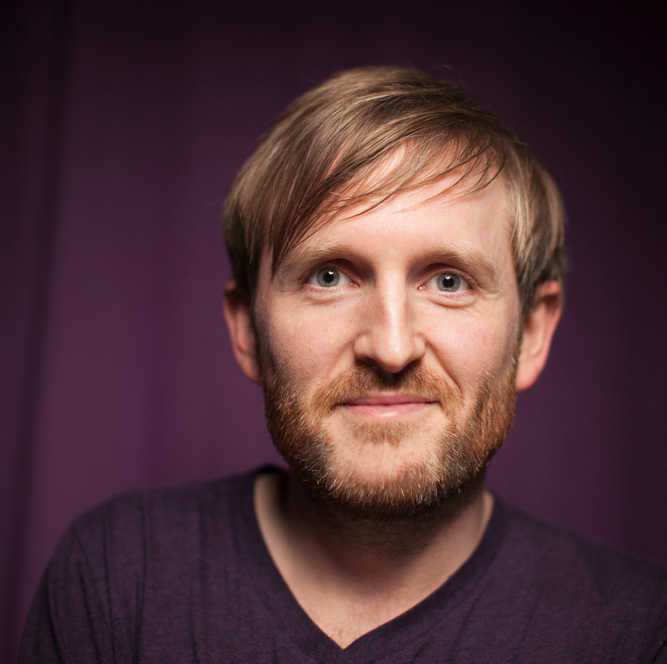
Ross Flight
Sound Designer/Technologist
Ross Flight is a sound and interactive system designer working in theatre, dance , live art and installation work for over ten years. Ross works in a collaborative manner, often from a project’s inception, to help use sound and music to drive the devising process. Often building bespoke hardware and software systems tailored for each project, Ross is interested in using audio visual system design to facilitate improvisation and interaction that can be fluid, flexible and can develop alongside the creation of a new piece. Notable credits include DreamThinkSpeak’s ‘One Day Maybe’, Abigail Conway’s ‘An Evening with Primrose’, ZU-UK’s ‘Binaural Dinner Date’ and Complicite Theatre’s ‘Drive Your Plow over the Bones of the Dead.’
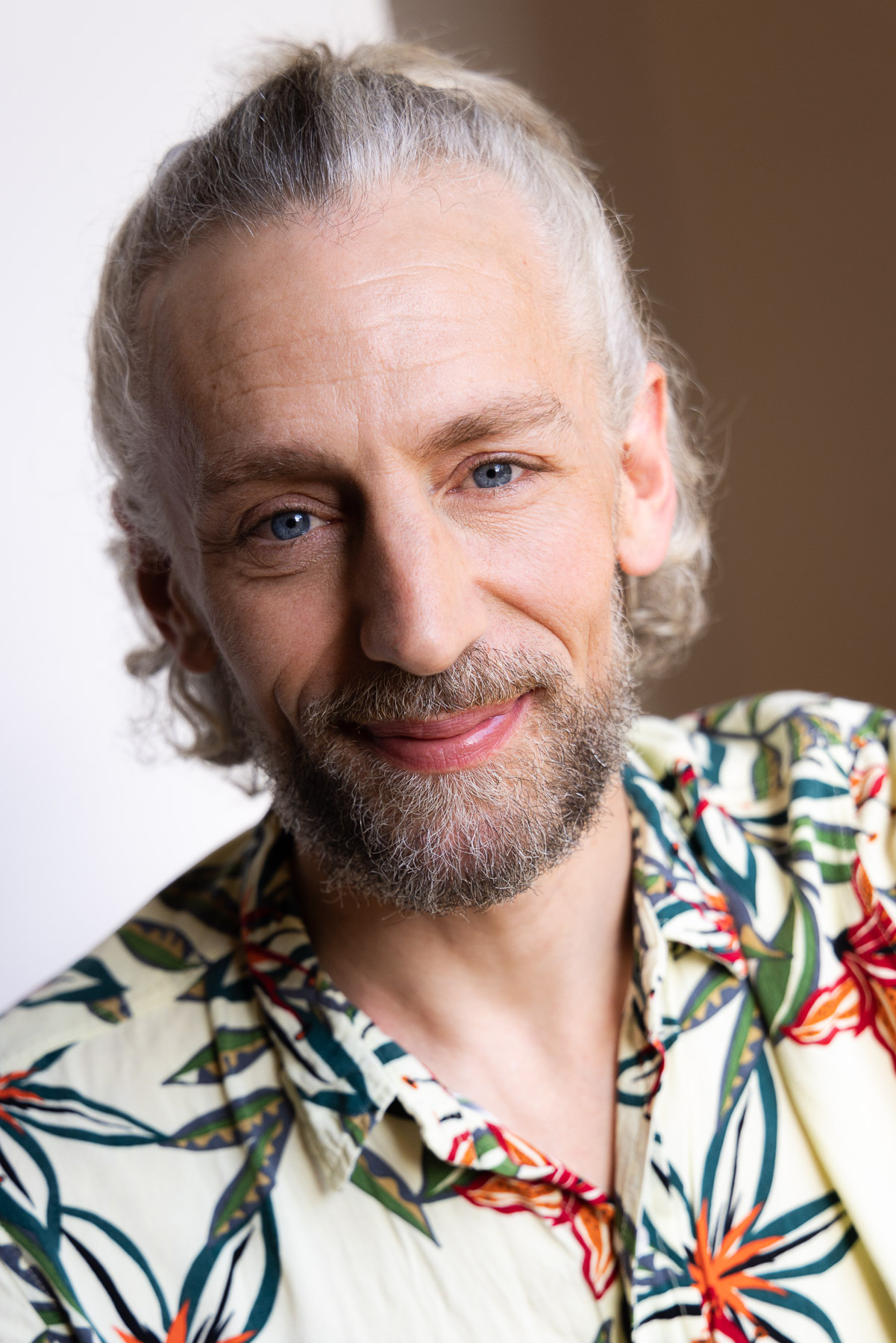
James Turpin
Performer/Creative Collaborator
James Turpin is an English actor who lives in Brazil. He trained at Rose Bruford College in London and the École Internationale de Théâtre Jacques Lecoq in Paris. His career combines physical rigor and poetic invention, spanning theatre, performance and audiovisual media. In film, he is part of the cast of the award winning film; Bacurau, directed by Kleber Mendonça Filho and Juliano Dornelles. The feature film Warden, directed by Marcus Alqueres, and Covil directed by Rodrigo Lages . On streaming platforms, he stood out as the antagonist John Ripperton ( Patrono) in The Forgotten Valley (HBO Max/O2 Filmes). He also participates in the productions Radioactive Emergency ( Netflix), Americana (Star+), Raul Seixas – Eu Sou (Globoplay) and Spider (Paramount), expanding his presence on global platforms. With extensive experience in theatre he has worked and collaborated with companies such as Teatro da Vertigem and ZUUK, he develops scenic research anchored in the body and performance.
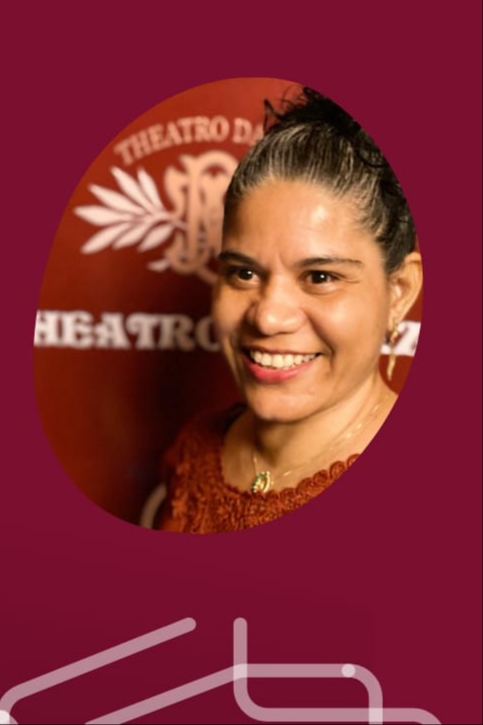
Socorro Lima
Creative Collaborator
Socorro Lima is a lecturer, researcher and disabled artist. A professional dancer and performer-creator with the Corpus Sensorialis collective since 2004, her work is recognised for developing and disseminating accessible methodologies for people with visual impairments. Her practice sits at the intersection of dance, education and inclusion, contributing to long-standing research into sensory perception, embodiment and alternative modes of artistic transmission within the Amazonian context.
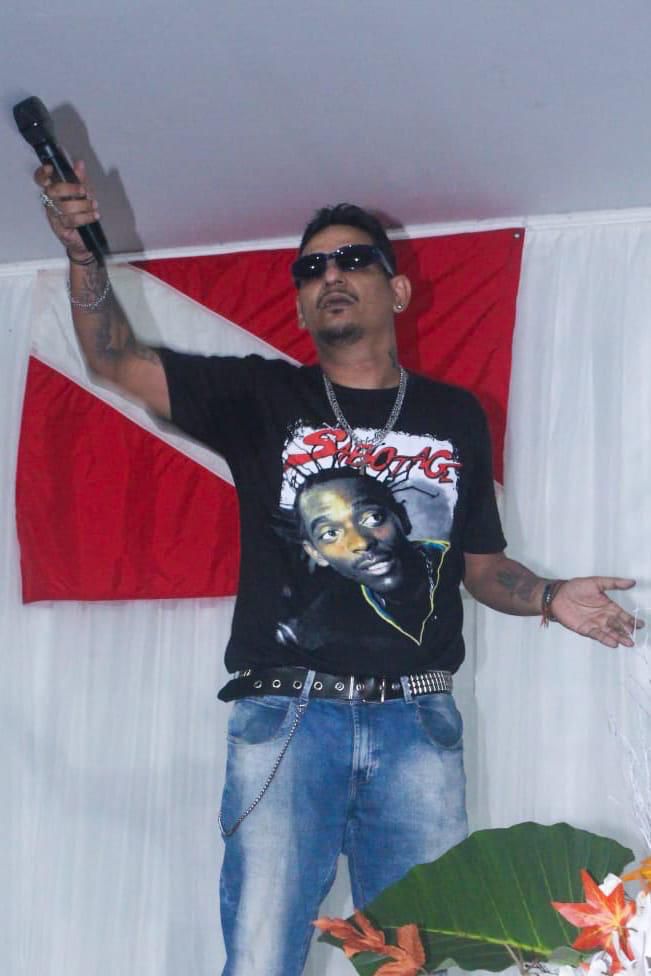
Bruno BO MC
Creative Collaborator
Bruno Borda (Bruno BO) is an MC, singer, researcher and lecturer. As an anthropologist, he has dedicated his academic trajectory to hip hop, becoming one of the first Brazilian rap MCs to achieve a PhD. His work bridges artistic practice and critical research, focusing on the cultural, political and social dimensions of hip hop in Brazil, particularly in the Amazon region. Alongside his academic work, he maintains an active career as a performer and cultural agent, using music as a tool for knowledge production, resistance and community engagement.
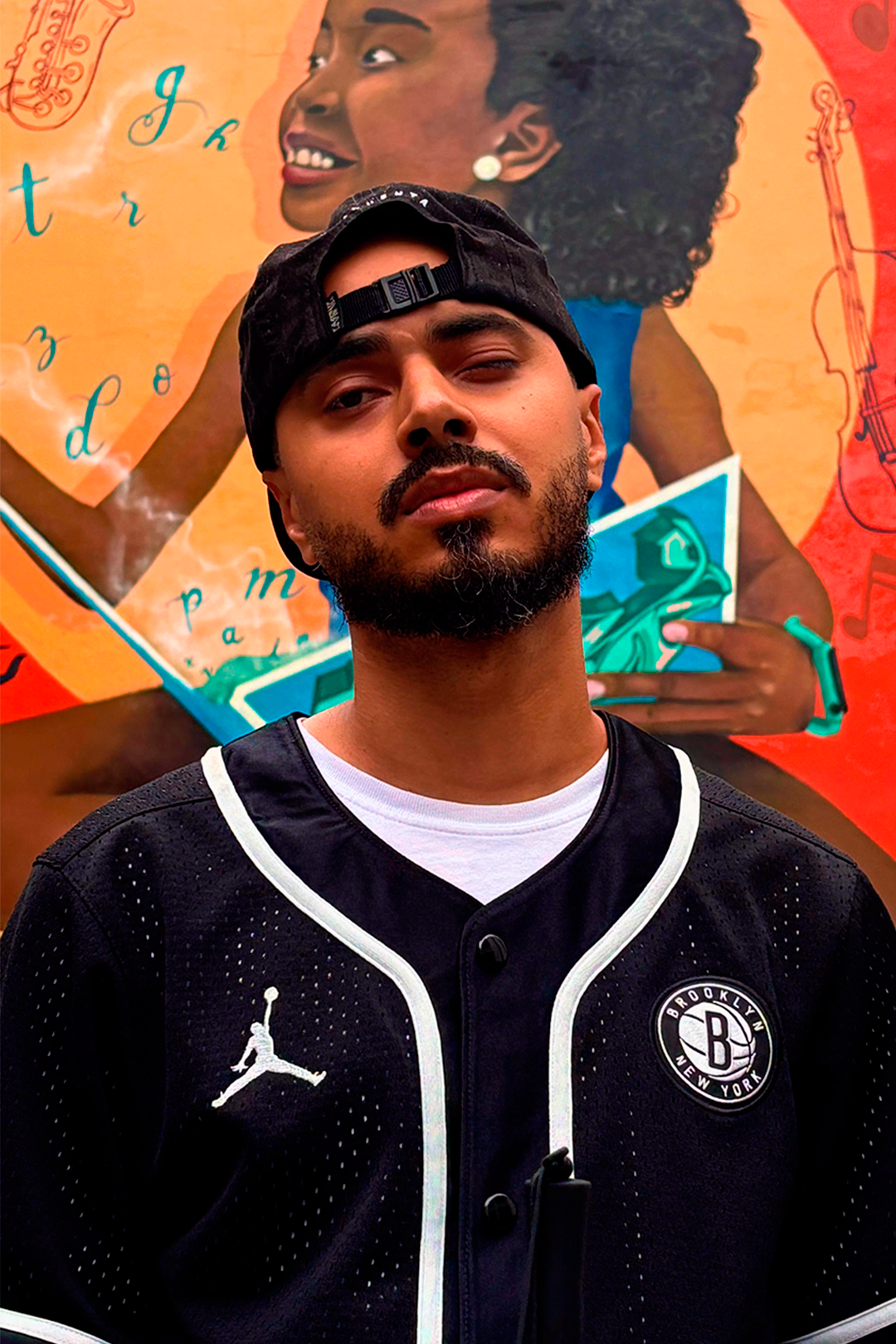
Wzy
Creative Collaborator
Wzy is a rapper, music producer and accessibility advocate. As co-founder of Blind Kombat, he develops initiatives that promote inclusion for disabled people in gaming and digital culture. His work combines music, technology and activism, focusing on removing barriers to participation and creating spaces where disabled audiences and creators can engage on equal terms. Through projects such as SONAR, he expands the possibilities of audio-based and accessible immersive experiences.
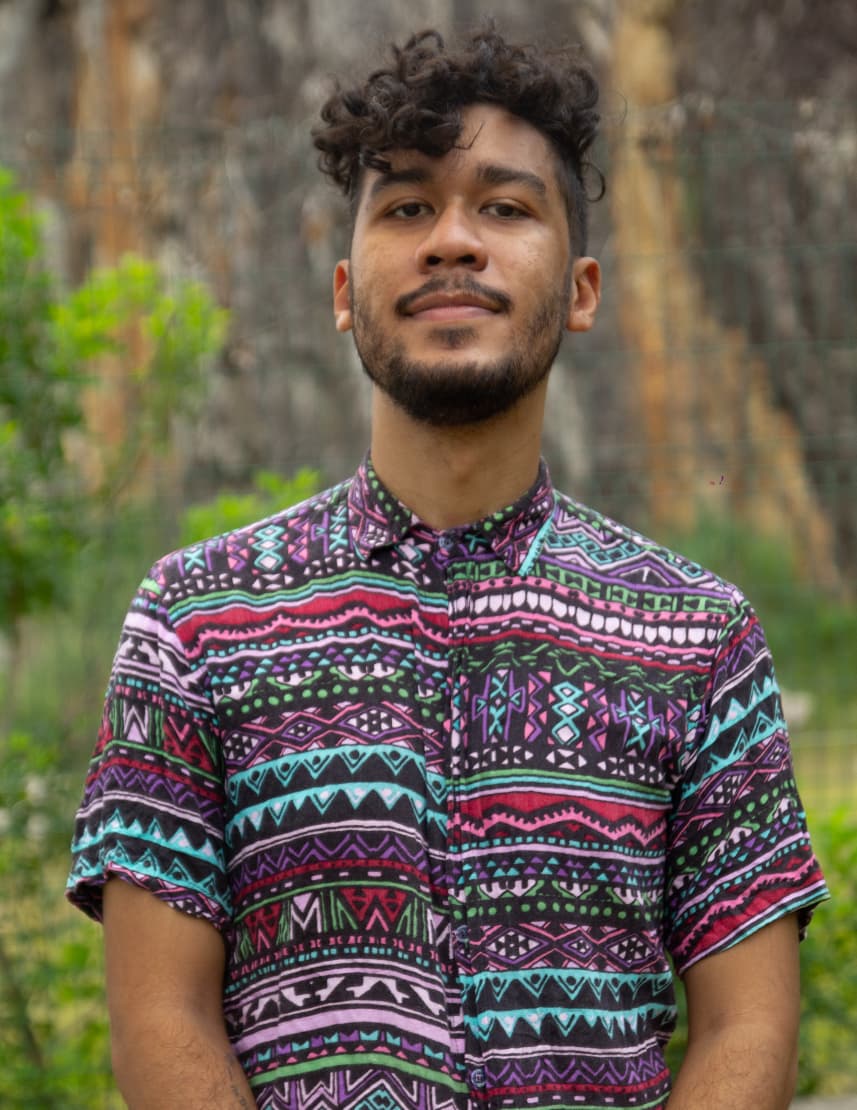
Leonardo Souza
Creative Collaborator
Leonardo Souza is a filmmaker and interdisciplinary artist whose work explores the intersection of cinema, technology and immersive storytelling. He develops projects that utilise emerging technologies to create multi-sensory and participatory experiences, often engaging with questions of perception, embodiment and narrative form. His practice spans audiovisual production, installation and experimental media, contributing to innovative approaches to immersive art in Brazil.