Projects
Sites of Memory
Sites of Memory
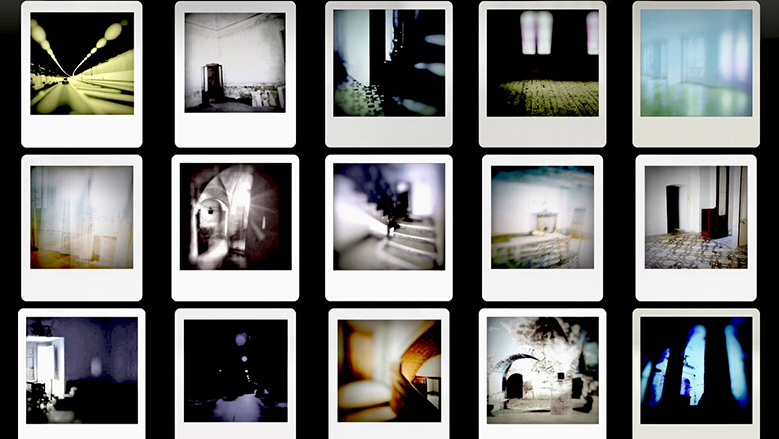
We often lose personal memory in official archive narratives - due to institutional perspectives, but also due to the ‘unarchivable’ elements of the human experience.
In a time of increased narrative control, global tension and censorship, it is more important than ever to interrogate archival practices and how they may contribute to the controlled ‘collective remembering’ of certain parts of history.
How can we challenge official archive practices by exploring interrelations between human capture, documentation and interaction with the archive?
Explore
£5,000
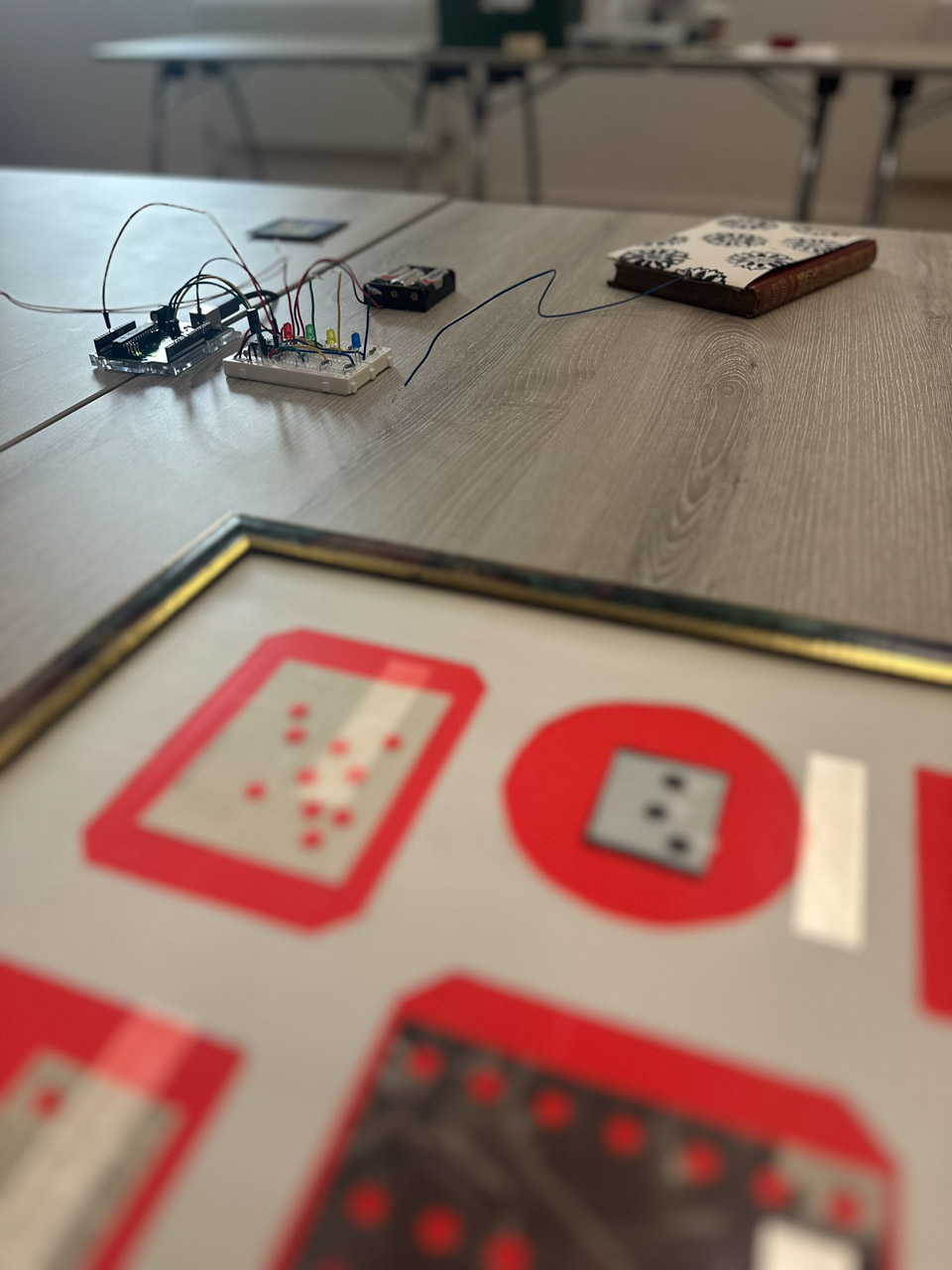
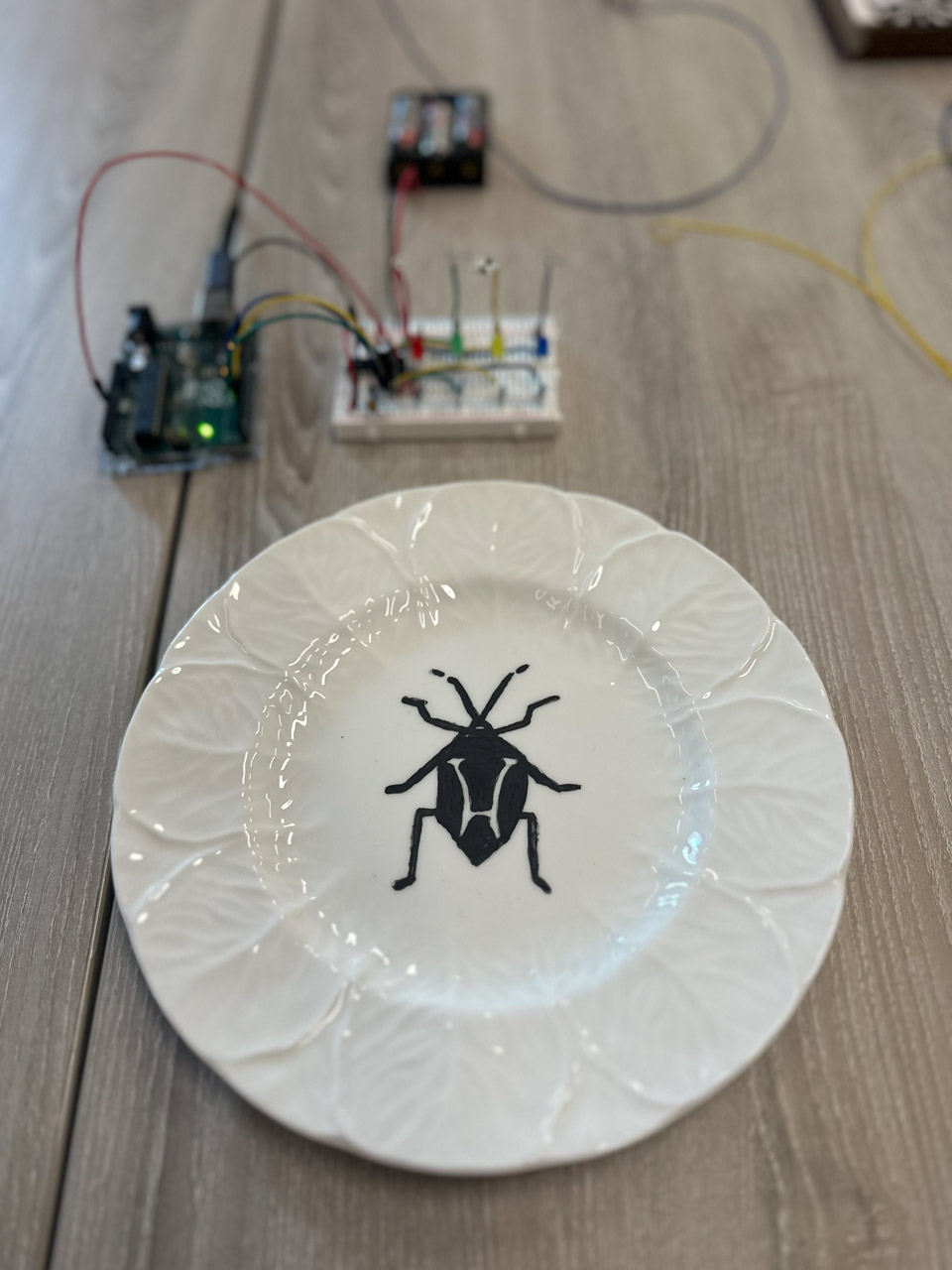
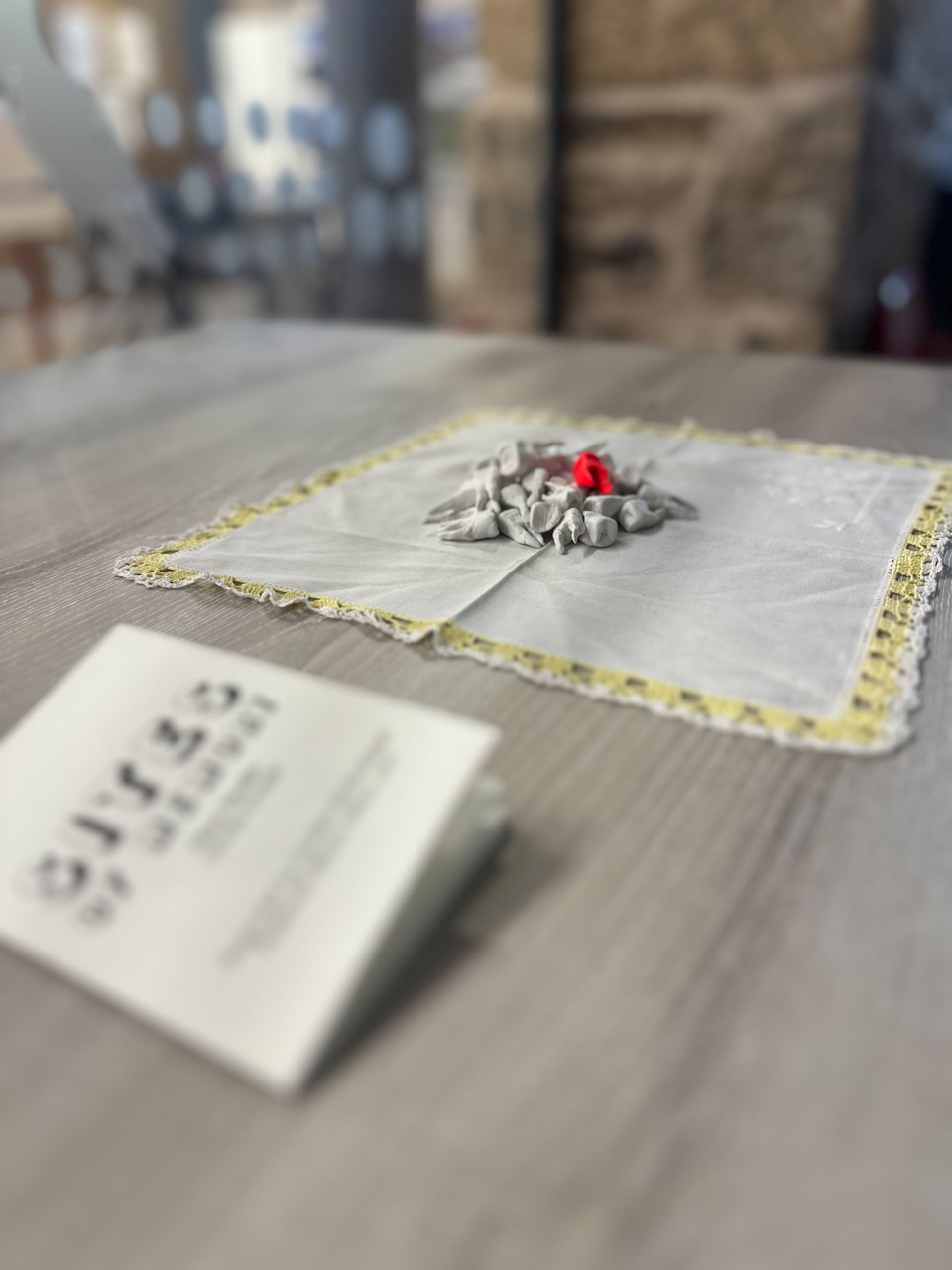
Aims of the project
What can immersive arts and technology bring to authentic representations of the past, preserving human experience and memory within the archives?
This project was developed from research into the nuclear testing that took place during the Cold War period, which could be considered unarchivable due to its nature. It is difficult to document it accurately or conventionally, as an era filled with political and social tension, negotiation, confusion, secrecy, and high levels of societal threat and social anxiety. There was very little physical ‘conflict’ in its traditional sense. The dangerous nature of nuclear weapons and material also means that notable sites from this era can often not be preserved – such as landmarks, or memorial sites.
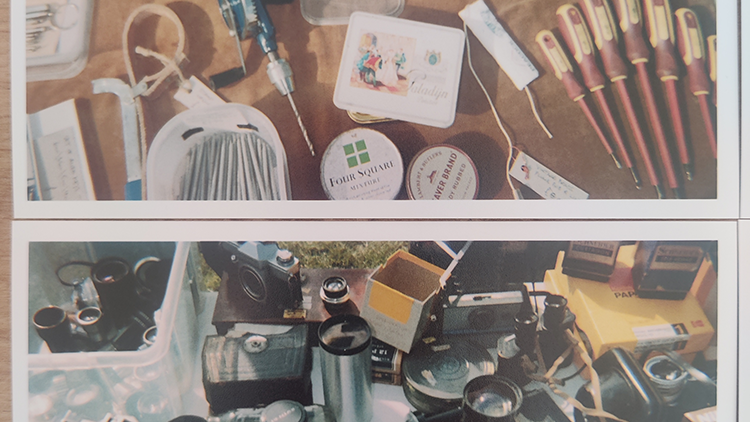
Amelia started working on this idea after looking through her grandfather’s archive of the Cold War, developing this into a collection by adding new research, reflection, and data visualisation – since his time involved in the Campaign for Nuclear Disarmament in the 1950s.
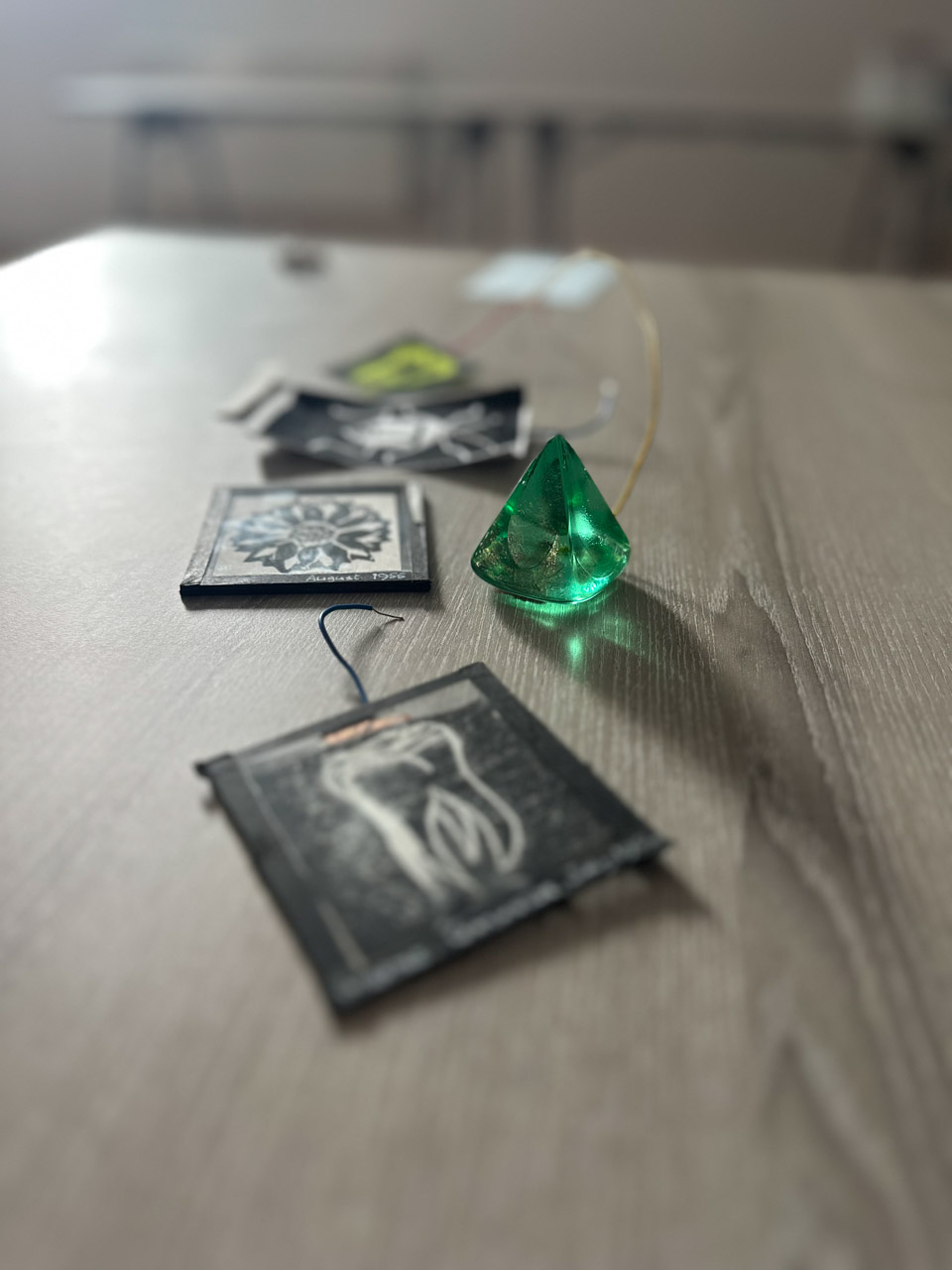
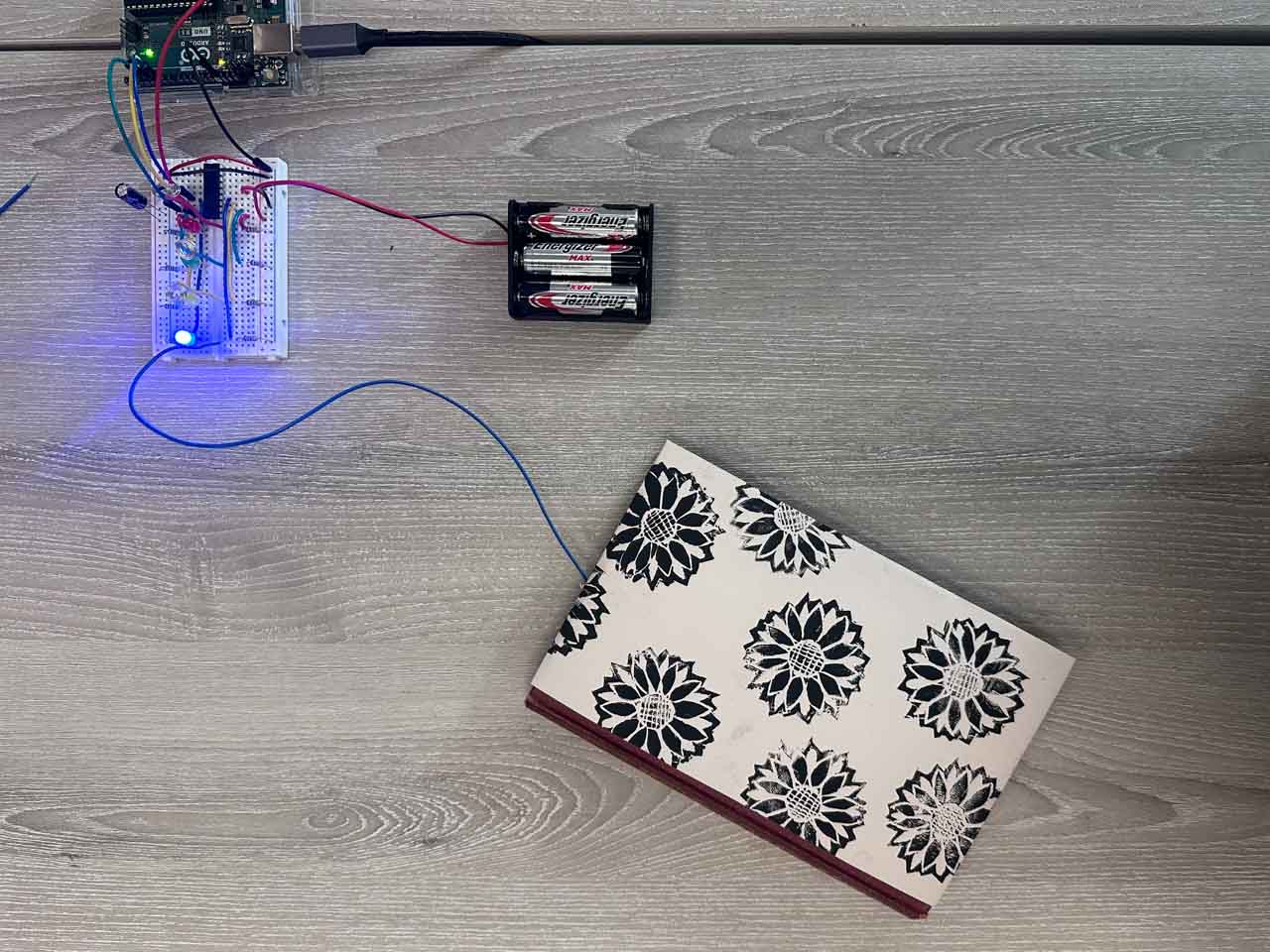
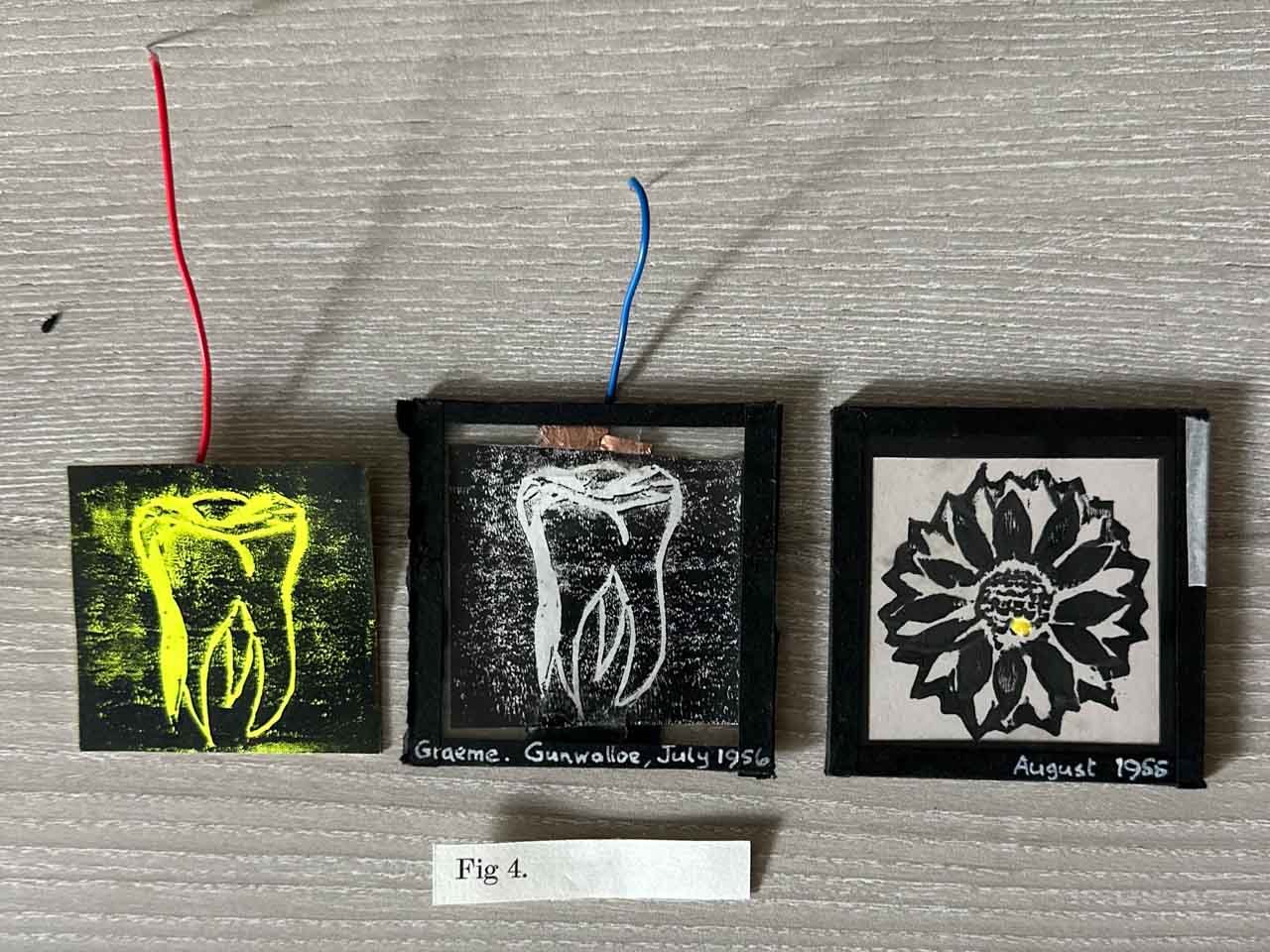
How did they do that?
Immersive Open Studio
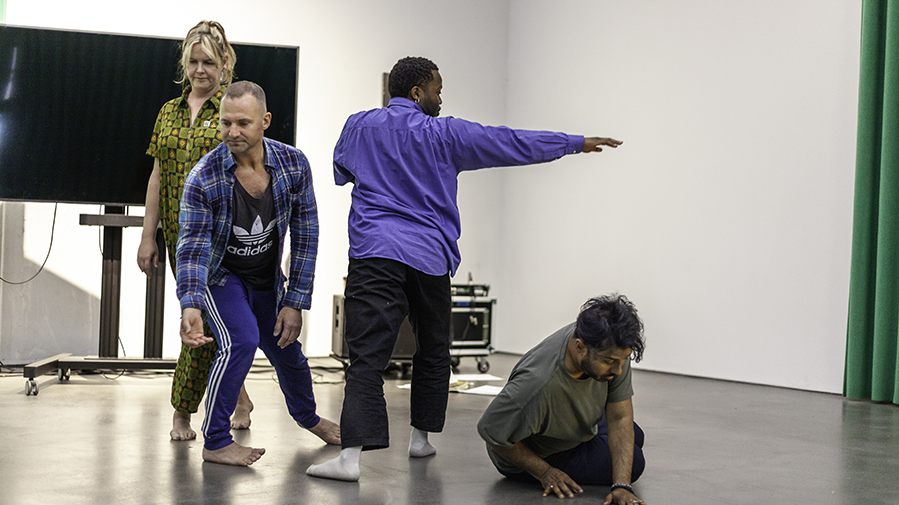
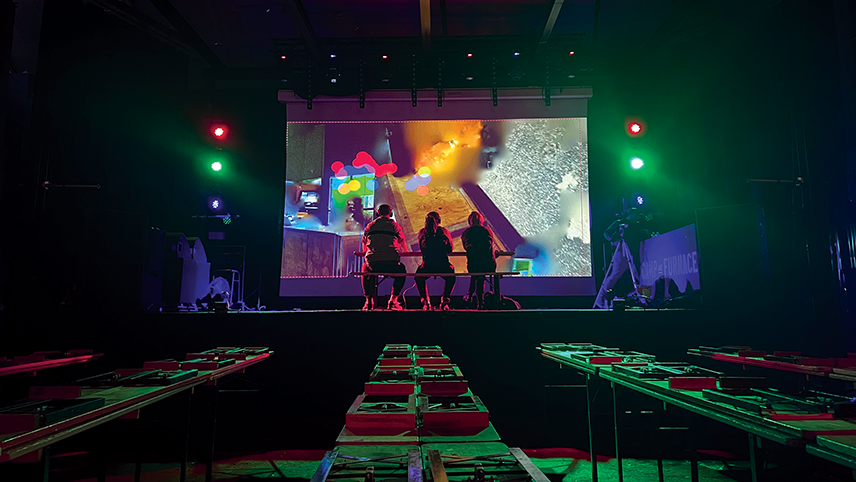
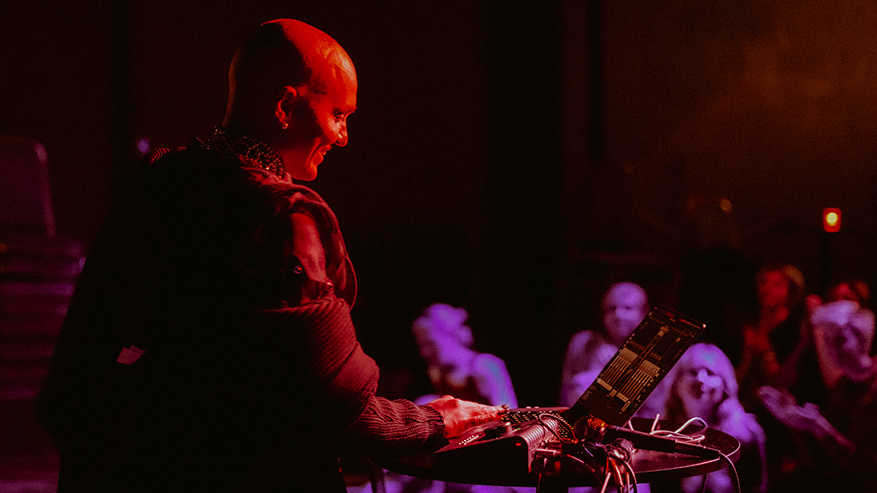
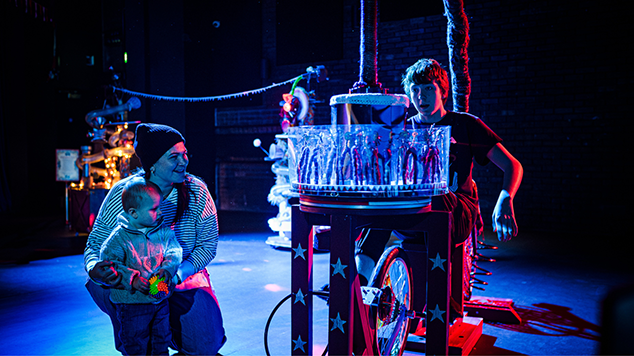
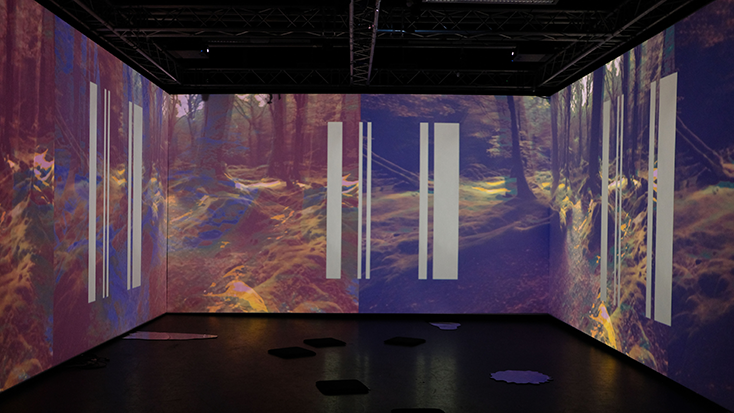
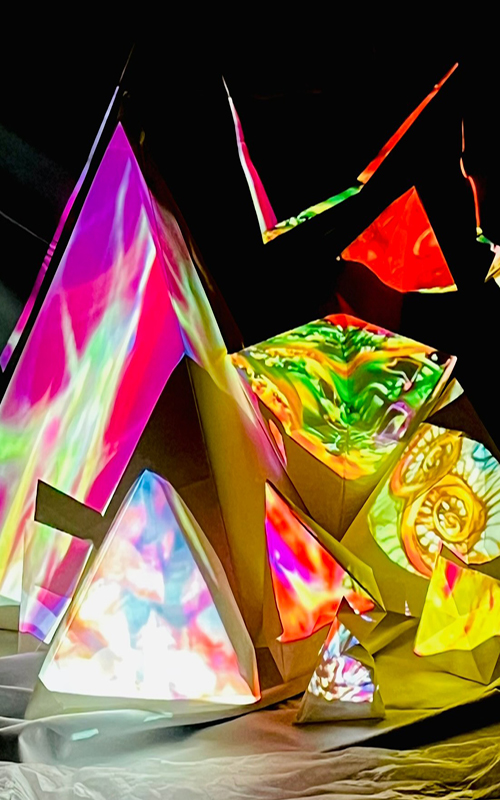
Amelia Temple, with technical support from Creative Technologist, Nathaniel Mason, ran an open-studio exploring how immersive technology can contribute to archival practices, including the preservation of human perspectives and experiences.
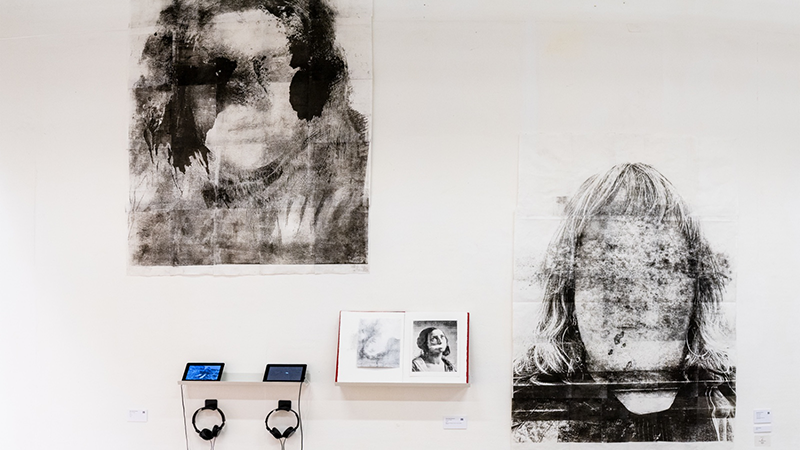
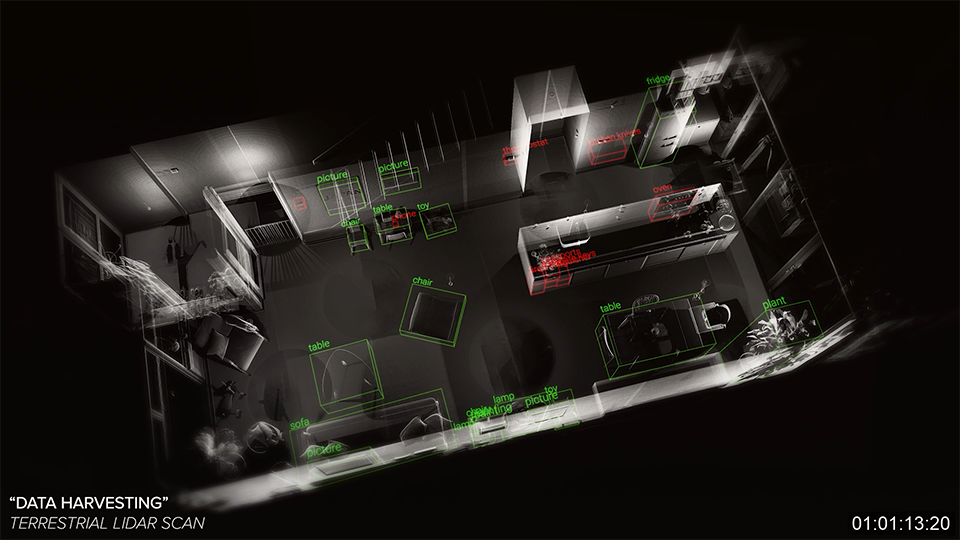
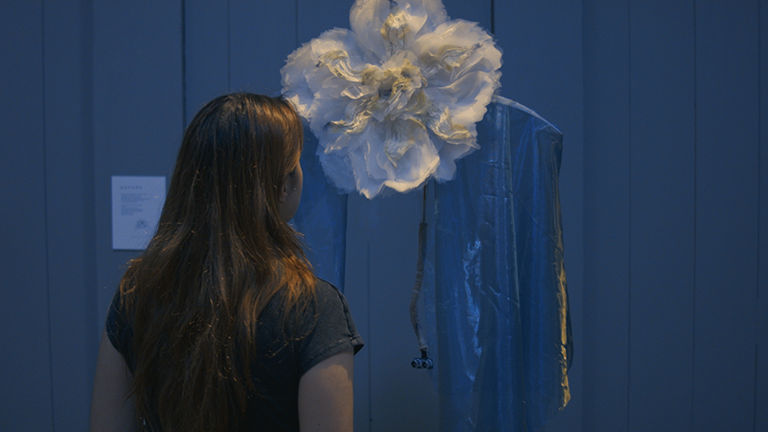
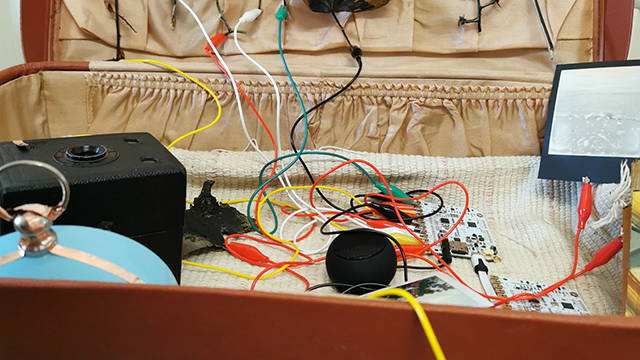
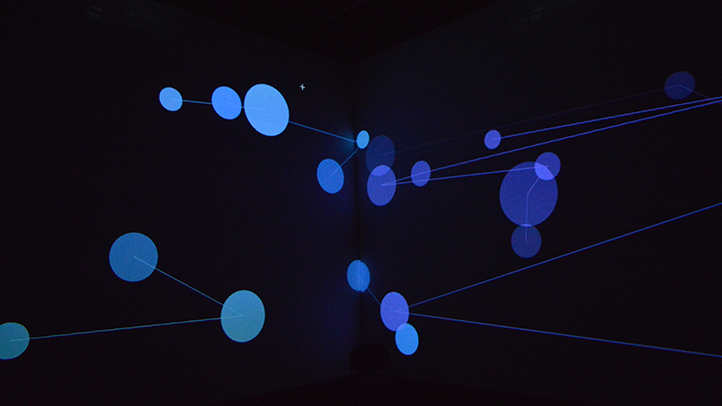
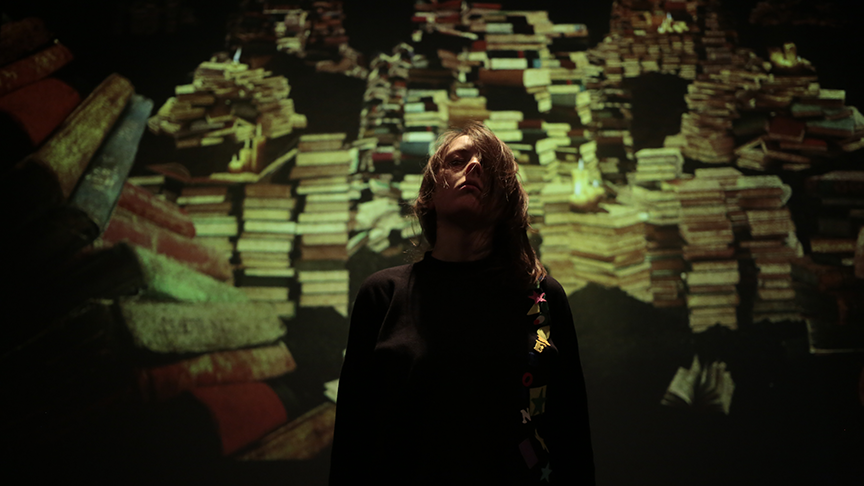
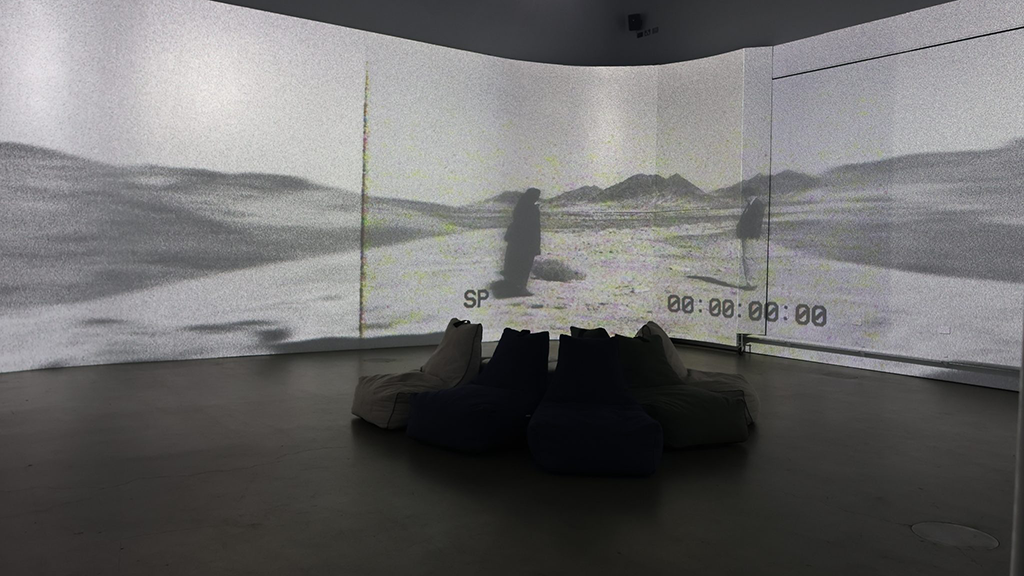
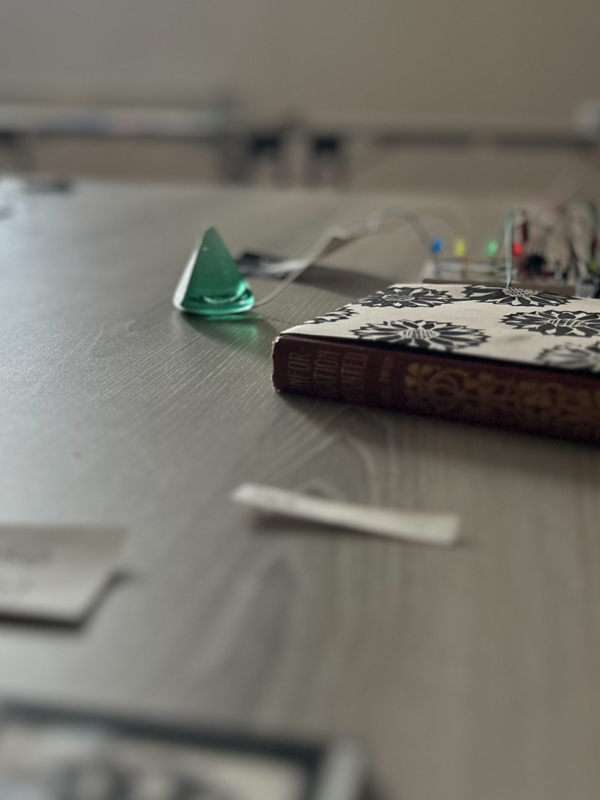
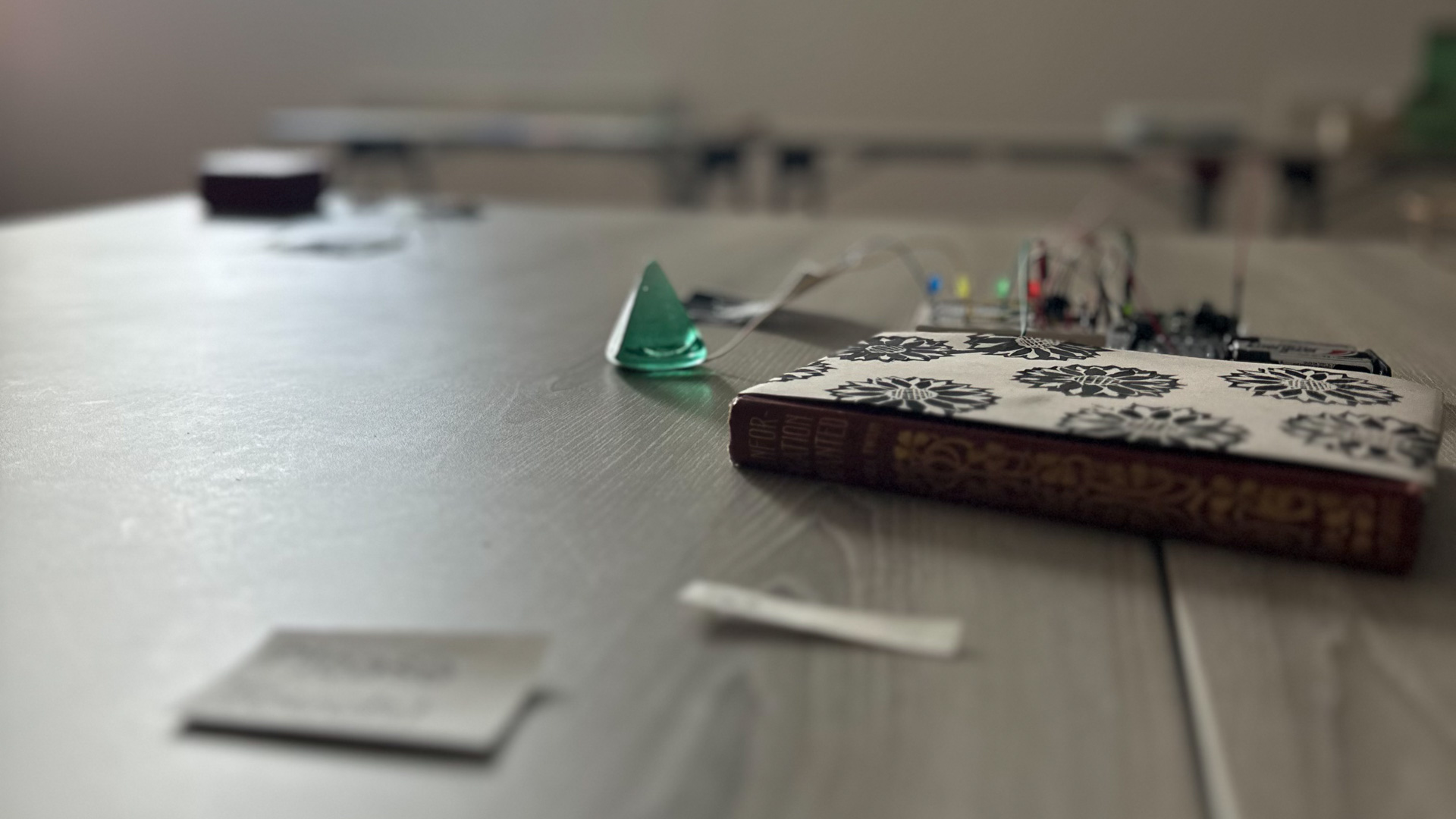
Developed from Kresen Kernow’s archival material, the open studio allowed the building prototype ‘exhibit’ pieces across five days, that respond to human interaction using touch sensors. With audience engagement, they created their own ‘sites of memory,’ capturing human participation in the room, preserving them in time. The work-in-progress invited audiences to drop-in and ask questions.
Sites of Memory

Amelia Temple
Lead artist
she/her
Amelia is an interdisciplinary graphic designer, she is drawn to coding, typography and print, exploring archival research and allowing a story to unfold through her creative process.
She explores the political, psychological and cultural perspectives of subjects, driven by the curiosity to understand and visualise human interactions with data.
She enjoys designing outcomes that express the complexity of a social or environmental issue or idea, through tactility, wonder and playfulness.