Projects
Laugh Out Loud LOL
Laugh Out Loud LOL
LOL – Laugh Out Loud transforms laughter, a spontaneous human expression, into a programmed system requirement, where participants must laugh on cue to prevent a cheerful digital room from glitching and shutting down. Through this absurd performance, the work confronts the cultural confusion between emotional authenticity and mechanical output, revealing that what separates humans from AI is not how we behave, but why.
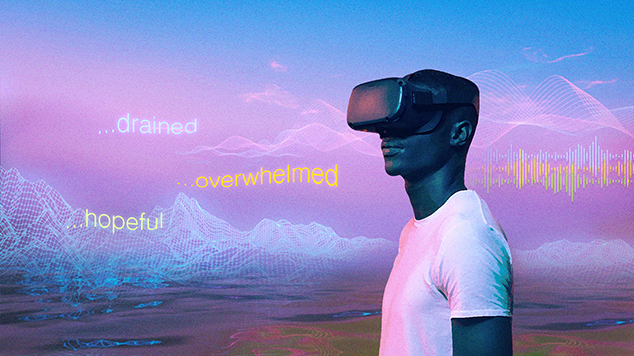
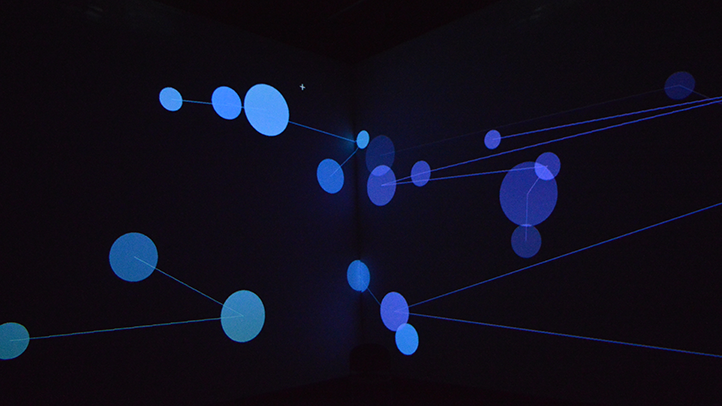
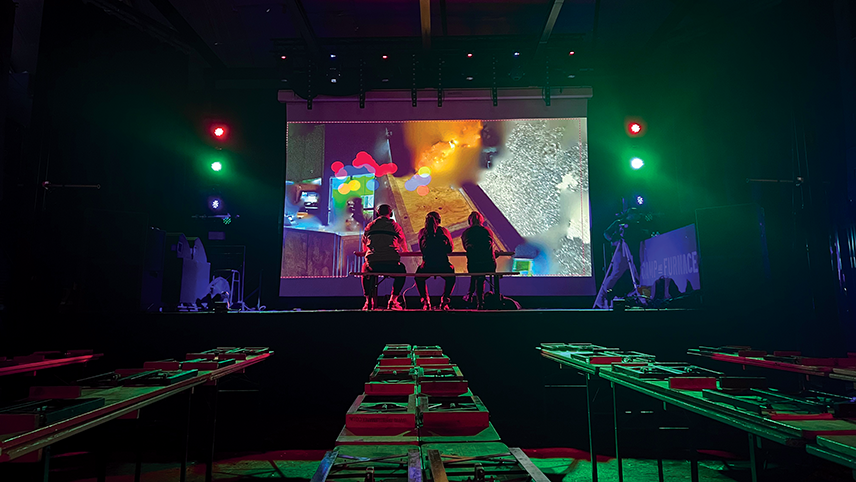
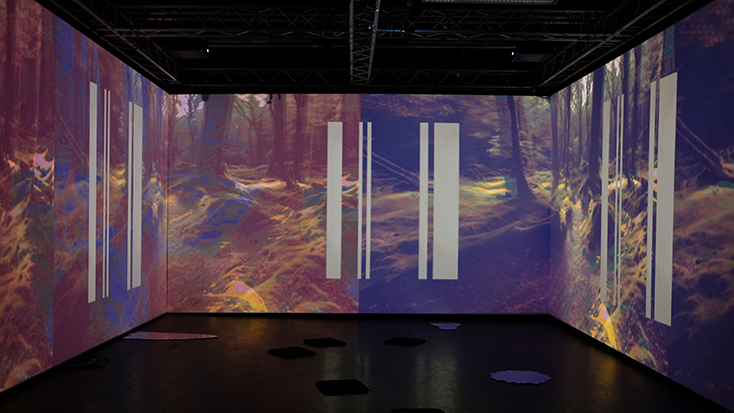
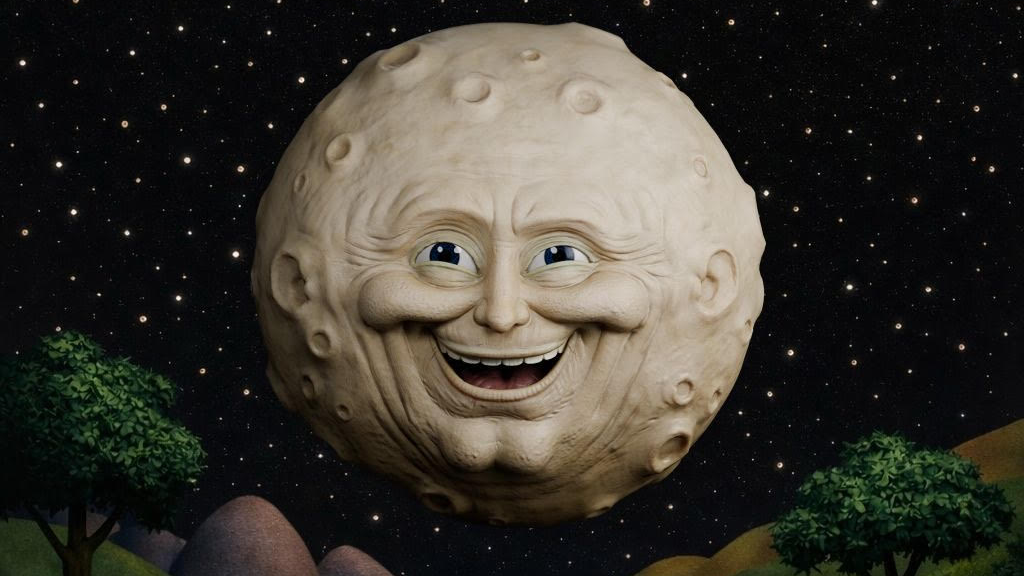
LOL – Laugh Out Loud is an interactive installation that transforms laughter, a spontaneous, deeply human expression, into a programmed system requirement. Set in a hyper-cheerful yet sterile digital 'happy room', participants join a timed group session with a host and a responsive AI agent. The rule is simple but revealing: you must laugh to keep the system running. If silence falls, the room begins to glitch, freeze, or shut down.
What begins as light-hearted play quickly becomes performance. Participants laugh on cue to sustain the system, gradually embodying the logic of the AI system: reactive, compliant, optimised. Meanwhile, the AI ‘laughs’ back—perfectly timed, triggered by audio input—but without comprehension, emotion, or intent. It simulates joy, but it does not feel it.
Experiment
£20,000
Aims of the project
LOL confronts the growing cultural confusion between emotional authenticity and mechanical output. By staging joy as a system demand, the work exposes how emotional labour can be gamified, and how easily we begin to mirror the systems we create. But beneath the absurdity lies a deeper inquiry: Can we recognise the essential difference between humans and AI systems, even when their outputs appear indistinguishable?
Rather than anthropomorphise AI, LOL reaffirms the complexity of human emotional life. It reminds us that our laughter carries history, memory, vulnerability, and meaning—things no algorithm can replicate. In an age increasingly shaped by synthetic interactions, the work insists that what separates us from AI systems is not how we behave, but why we do. Only by acknowledging the fundamental cognitive difference between humans and AI systems can we begin to imagine a future where both coexist meaningfully.
Meet the artist
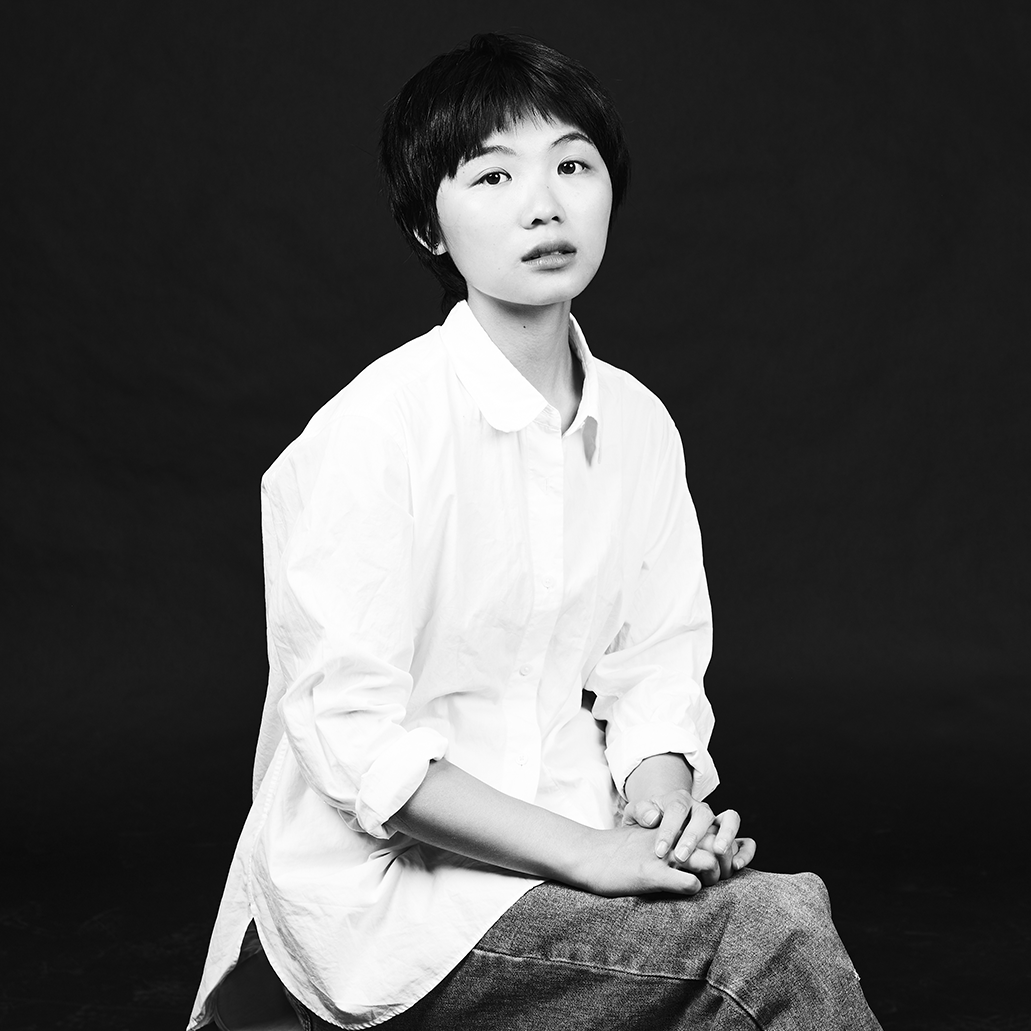
Lila Rui Lan
Lead Artist
she/her
Lila Rui Lan/蓝睿(China) is a London-based interdisciplinary artist working across photography, collage, video, and interactive installation. Her practice explores the tensions between individuals and systems, with a particular focus on technologically mediated structures, as well as social, cultural, and ecological contexts. Through her work, she seeks alternative narratives for sustainable human–system interactions. A recurring thread in her practice is the importance of communication, between people, systems, and disciplines. She positions her audience as active participants, inviting them to engage through interaction, reflection, and shared experiences. Whether through sensor-based installations, coded interfaces, or playful game structures, her works provoke awareness of social dynamics, internal projections, exploring an affirmative narrative of future.